
polycarbonate greenhouses 8x4 - Best Deals in UK!
Showing all 2 results
-
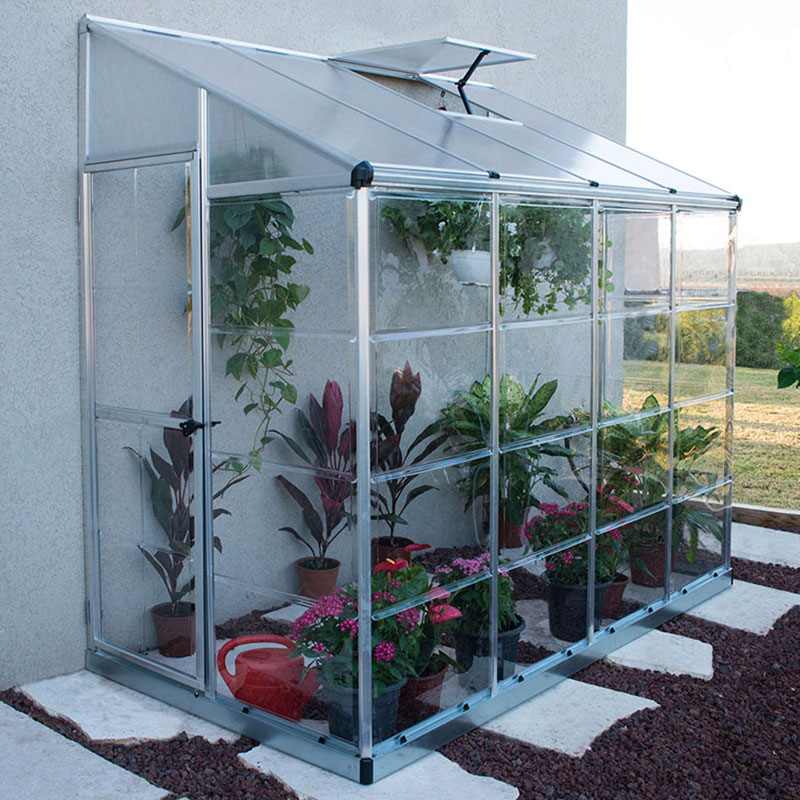
40% OFF: 8â x 4â Palram Canopia Hybrid Lean To Silver Polycarbonate Greenhouse (2.44m x 1.25m) £359.9940%

-
8% OFF: 8â x 4â Palram Canopia Hybrid Lean To Silver Polycarbonate Greenhouse (2.44m x 1.25m) £553.998%
8×4 polycarbonate greenhouses give you a neat, useful growing space with solid light diffusion, practical proportions, and enough room for crops, staging, and pathways without taking over the whole garden.
Why the 8×4 size works so well
An 8×4 greenhouse sits in a very handy middle ground. It is wide enough to make proper use of the space inside, yet narrow enough to fit into smaller plots, side returns, and compact allotments. That 4ft width creates a long, usable run for shelves, benches, or growing beds, while the 8ft length gives you a straightforward layout that is easy to organise.
For many gardeners, this size feels less awkward than a tiny lean-to and less demanding than a full larger structure. You can divide it into clear zones, for example seed trays at one end, tomatoes or cucumbers down the side, and a central working strip. It is the sort of footprint that suits people who want a greenhouse with real function, not just a decorative frame in the garden.
Because the dimensions are fairly standard, an 8×4 polycarbonate greenhouse often gives a balanced mix of growing room and manageable cost. It can suit a couple of keen growers, or someone who wants one structure for both propagation and summer cropping. And if your garden has a narrow border or a tighter patio edge, this shape can sometimes fit where a wider greenhouse simply would not.
Bestseller der Kategorie polycarbonate greenhouses 8x4
What polycarbonate brings to the frame
The defining feature is the cladding. Polycarbonate panels are valued because they are lighter than many traditional glazing options and they spread light in a softer way. Rather than throwing harsh direct glare onto leaves, they help create a more even brightness inside. That matters when you are starting seedlings, moving young plants on, or trying to keep growth steady without too much scorching on hot days.
Another thing buyers tend to notice is the feel of the structure. With polycarbonate, an 8×4 greenhouse can often seem more practical and less fragile-looking than a glass version of the same size. The panels are commonly chosen for their impact resistance and the sense that they can cope better with day-to-day knocks, shifting weather, or the odd bump from a tray or cane. It is not about being indestructible, just about being reassuringly resilient.
Polycarbonate also helps when you want a greenhouse that feels usable across more of the season. The material can help retain warmth better than open-air growing, and the panel structure can make the interior feel a bit more settled. That can be useful for plants that appreciate a steadier environment rather than wild swings from bright sun to chilly evening.
Single skin, twin wall, and what the panel type changes
When people compare polycarbonate greenhouses, the first difference is often the panel build. The most common distinction is between single-wall polycarbonate and twin-wall polycarbonate. They are not the same, and the choice changes how the greenhouse behaves.
Single-wall panels are slimmer and often let in a very direct, clear light. They can suit gardeners who want a lighter visual finish and a simpler panel profile. By contrast, twin-wall panels have a layered structure with a small air gap, which tends to improve insulation and give the greenhouse a slightly more buffered feel. If you want a structure that leans towards season extension and a calmer growing atmosphere, twin-wall is usually the type people look at first.
There are also differences in how these panel types look and feel. Some gardeners prefer the cleaner, more solid appearance of twin-wall panels, while others want the lighter effect of thinner sheet styles. Neither is just “better”; the right one depends on whether you value lightness, insulation, appearance, or budget a bit more. It’s one of those choices where the greenhouse should fit the way you actually grow.
Shapes that make the most of an 8×4 footprint
An 8×4 polycarbonate greenhouse does not always mean one fixed shape. The frame style changes the whole experience, and the silhouette can affect both working space and headroom. A classic apex greenhouse gives a pitched roof with a central ridge, which many gardeners like because it provides a familiar layout and decent overhead space for taller crops.
A lean-to greenhouse in this size can be a smart pick where ground space is tight or where you want to place the structure against a wall. That shape can be especially useful in narrow gardens, though the usable access and light direction are different from a free-standing frame. Then there are pent or sloping-roof forms, which often suit boundary positions and can offer a neat, compact profile.
The shape matters because an 8×4 footprint is already fairly specific. A taller apex design can feel roomier for climbing plants and hanging supports, while a lower-profile form may suit a more discreet placement or a garden where sightlines matter. In practical terms, the shape decides how easily you can move, how much upper space you have, and where the light falls during the day. That is a big deal, not just a style point.
How the width and length affect everyday growing
The 4ft width is what often defines the interior rhythm. It usually encourages a straightforward layout: shelving or staging on one side, crops on the other, and a narrow central aisle, or a split layout with access at both sides if the frame allows. That can make an 8×4 greenhouse feel organised rather than cluttered, which is useful when you’re handling trays, pots, and watering cans all in a small space.
The 8ft length gives room to separate plant types by stage. You might keep propagation at one end, young plants in the middle, and mature fruiting crops at the far end. This helps because different crops can ask for slightly different conditions, especially in a compact structure where every bit of space is doing a job. It also means you can create a clearer workflow, so moving from one end to the other feels deliberate instead of cramped.
For some buyers, this dimension is the sweet spot between too small and too large. It is big enough to grow more than just a few pots, but not so large that the greenhouse turns into a project in itself. In a real garden, that matters. A greenhouse should feel like it belongs there, not like it has taken over the whole plot.
Light, shade, and why diffusion matters for plant choice
One of the main reasons people choose polycarbonate over glass is the way light enters the greenhouse. Polycarbonate usually gives a more diffused spread, which can reduce the harshness of direct sun. That is helpful for young plants, leafy crops, and seedlings that don’t appreciate being blasted by intense light at midday.
This does not mean every plant wants the same thing. In an 8×4 polycarbonate greenhouse, you can place more sun-hungry crops where the light is strongest and keep tender starts in softer zones. That kind of zoning is easier when the structure has a fairly regular shape and predictable light pattern. The benefit is not just comfort for the plants; it also makes the space easier to use because you stop treating every inch the same.
If you are comparing cladding types, it is worth noting that polycarbonate can change the tone of the space inside. It often feels less stark than clear glazing, which some gardeners like because it creates a more forgiving environment. It is a subtle thing, but many buyers notice it the first time they step into one.
Who tends to choose this format
An 8×4 polycarbonate greenhouse suits a range of growers. It can work for someone raising vegetables from seed, another person overwintering tender plants, or a hobby gardener who wants a proper place for tomatoes, peppers, and herbs. The format is also handy for people who need a greenhouse that fits beside a fence line or in a narrower section of the garden.
Because it is not overly wide, this size can be easier to position than larger models, yet it still feels like a dedicated growing room. That is important if you want the greenhouse to be more than just a storage spot for random pots. You can actually plan it. You can assign corners, edges, and a central route. That sounds basic, but it makes a real difference once the season gets busy.
It also appeals to buyers who want a structure that feels economical in terms of both footprint and use of materials. You are getting a defined growing area without needing a massive base or a huge cleared patch of ground. For many gardens, that is the point.
Small differences that shape the buying decision
When comparing polycarbonate greenhouses 8×4, the key differences are often not dramatic at first glance, but they matter in use. Look at the panel thickness, the frame style, the roof shape, and how the door is arranged. A wider opening can make moving trays easier, while a narrower doorway may feel tighter when you are carrying compost or a large pot.
It is also worth noticing the height profile. An 8×4 greenhouse with more headroom can make a noticeable difference for tall crops and hanging support. If you are thinking of climbing plants, the internal height will influence how usable the space feels by midsummer. A lower greenhouse may still be a good fit, but the layout has to work harder.
Another detail is how the panels sit in the frame. A neat, solid panel arrangement can help the greenhouse feel more stable and less fiddly in everyday use. Buyers often underestimate this until they’re actually placing trays, opening the door, and moving around inside. Little differences become everyday differences, if that makes sense.
Practical tips before you choose one
If you are choosing an 8×4 polycarbonate greenhouse, start by measuring the exact space available, not just the open area in the garden. Allow for the door swing, access to the sides if needed, and the way the structure will sit against paths or borders. A greenhouse that fits on paper but feels awkward in real life can be frustrating very quickly.
Think about what you will grow most often. If you are mainly sowing seed and growing on young plants, a layout with good bench depth and tidy light spread may matter more than raw height. If you want to grow tall tomatoes or climbing crops, look closely at the roof form and internal clearance. The best choice depends on the crop mix, not just the category title.
Also consider whether you want a more open, airy feel or a slightly more insulated one. Single-wall and twin-wall panels behave differently, and this affects how the greenhouse supports different growing plans. There is no point buying a greenhouse that looks right but works against the way you actually garden. That happens more than people admit.
What makes buyers come back to this size
People often settle on an 8×4 greenhouse because it feels manageable without being limiting. You can grow a proper range of plants, organise the interior sensibly, and keep the structure integrated with the garden rather than overwhelming it. The polycarbonate finish adds a layer of practicality that many buyers appreciate once they have compared it with more traditional glazing.
It is a format with clear strengths: usable proportions, soft light diffusion, different panel options, and enough shape variety to suit both standalone and boundary positions. It is also a size that tends to make sense visually. It looks like a proper greenhouse, but not a giant one. That balance is part of the appeal.
For gardeners who want a structure that supports real growing plans, not just occasional use, this category offers a strong mix of form and function. The main thing is choosing the version that suits your space, your crop list, and the way you like to work inside the greenhouse. If those three line up, the rest usually follows.
At a glance: useful features to compare
- Panel type — single-wall or twin-wall, depending on light feel and insulation needs
- Roof shape — apex, lean-to, or sloping forms, each with a different interior layout
- Height — important for tomatoes, climbing crops, and hanging supports
- Door position — affects access with trays, pots, and wider staging
- Internal space use — how easily you can split the 8×4 area into zones
- Visual profile — whether you want a discreet fit or a more traditional greenhouse look
Why this category stays popular
The reason polycarbonate greenhouses 8×4 remain such a strong category is simple: they solve a lot of everyday gardening problems without demanding a huge site or a complicated setup. They give you a defined, efficient space with a cladding material that many growers find easier to live with than glass, especially when light quality and impact resistance matter.
Different gardeners will see different strengths. Some will focus on the panel structure, others on the footprint, and others on how the greenhouse looks in the garden. But the common thread is that this is a size and material pairing that can support genuine growing plans, from early sowing to summer cropping and beyond. If you want a greenhouse that feels purposeful, compact, and properly usable, this category is worth a close look.
[Sassy_Social_Share]