
polycarbonate greenhouses 80 sq ft / 8 m² - Best Deals in UK!
Showing all 10 results
-
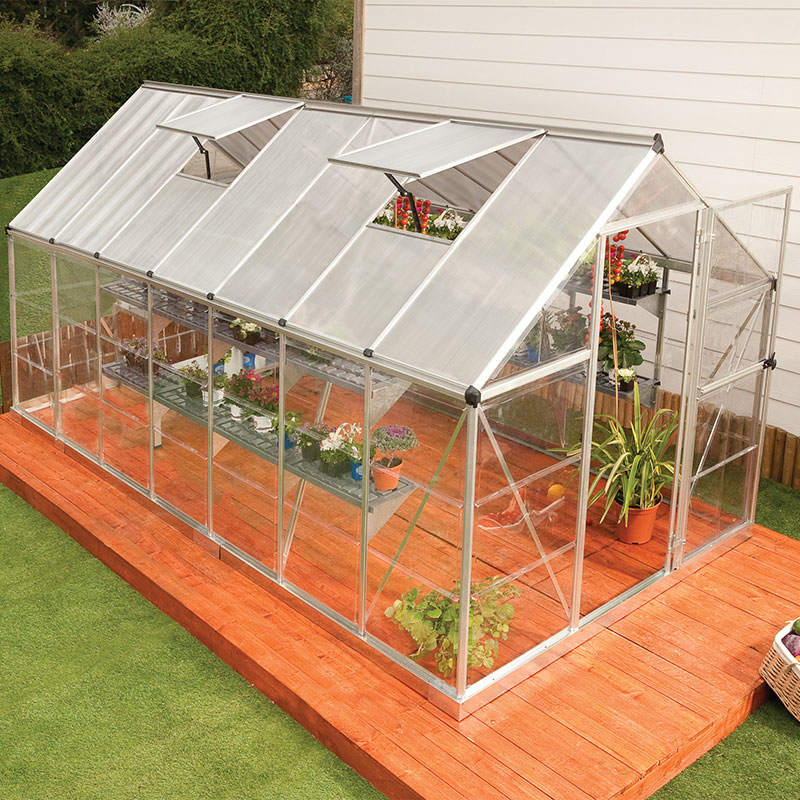
8% OFF: 6′ x 14′ Palram Canopia Hybrid Large Silver Polycarbonate Greenhouse (1.85m x 4.26m) £634.998%

-
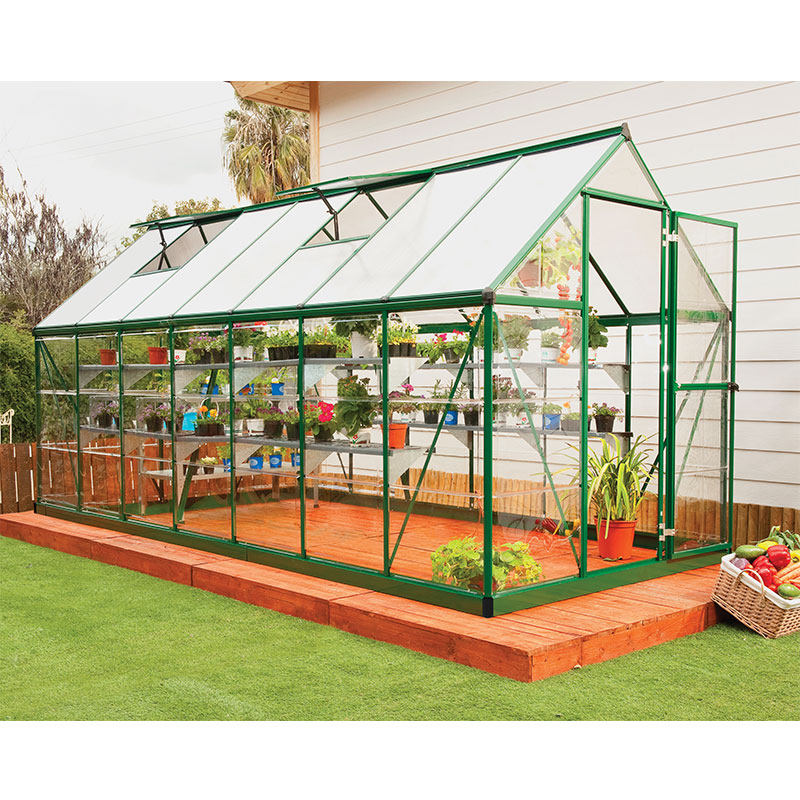
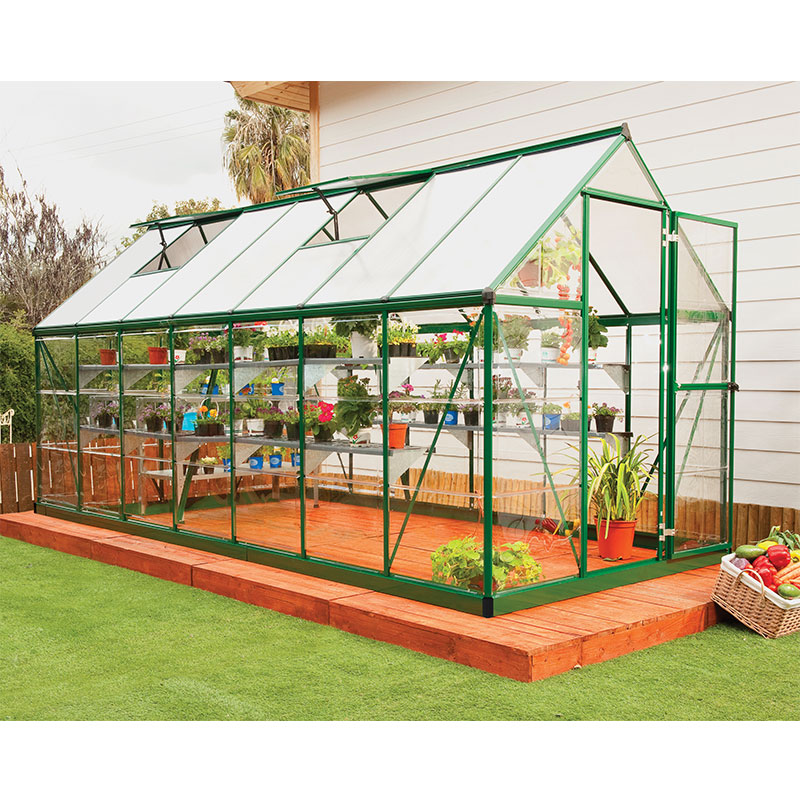
8% OFF: 6′ x 14′ Palram Canopia Hybrid Large Green Polycarbonate Greenhouse (1.85m x 4.26m) £689.998%

-
7% OFF: 6â x 14â Palram Canopia Harmony Large Silver Polycarbonate Greenhouse (1.85m x 4.26m) £592.997%

-
5% OFF: 6′ x 14′ Palram Canopia Hybrid Large Silver Polycarbonate Greenhouse (1.85m x 4.26m) £651.995%
-
5% OFF: 6′ x 14′ Palram Canopia Hybrid Large Green Polycarbonate Greenhouse (1.85m x 4.26m) £707.995%
-
6â x 14â Palram Canopia Harmony Large Silver Polycarbonate Greenhouse (1.85m x 4.26m) £608.995%
-
6′ x 14′ Palram Canopia Hybrid Large Green Polycarbonate Greenhouse (1.85m x 4.26m) £744.99
-
6â x 14â Palram Canopia Harmony Large Green Polycarbonate Greenhouse (1.85m x 4.26m) £749.99

-
6′ x 14′ Palram Canopia Hybrid Large Silver Polycarbonate Greenhouse (1.85m x 4.26m) £689.99
-
6â x 14â Palram Canopia Harmony Large Silver Polycarbonate Greenhouse (1.85m x 4.26m) £640.99
Polycarbonate greenhouses 80 sq ft / 8 m² offer a practical growing space for keen gardeners who want a compact footprint, solid light diffusion, and a bit more shelter than a basic cold frame. Explore shapes, panel types, frame differences and clever space-saving features for productive, year-round growing.
A compact footprint with proper growing room
An 80 sq ft / 8 m² polycarbonate greenhouse sits in that useful middle ground where a garden does not need to be large, but the growing space still feels proper. It is big enough for trays of seedlings, a line of tomatoes, climbing cucumbers, herbs, overwintering pots, and a decent working aisle, yet it does not swallow the whole plot. For many buyers, that balance is the reason this size keeps coming up again and again.
In practical terms, this category suits gardeners who want more than a hobby cloche but do not need a sprawling structure. It can fit into narrower gardens, side returns, and tucked-away corners where a larger glasshouse would feel overfacing. The footprint is also easy to plan around: enough room for benches and staging, but still a layout that can be arranged without endless compromise. That matters when you are trying to grow things in a space that already has borders, paths, sheds, and probably a wheelbarrow that is always in the way.
Why polycarbonate changes the feel of the greenhouse
What makes these greenhouses distinct is the polycarbonate glazing. Instead of traditional glass, panels of polycarbonate create a softer light level and a more forgiving growing environment. That diffused light can be useful for young plants and leafy crops, because it spreads more evenly across the greenhouse rather than creating strong, sharp patches. For many gardeners, this gives the interior a calmer feel and helps reduce the harsh glare that can make summer greenhouse work a bit uncomfortable.
Bestseller der Kategorie polycarbonate greenhouses 80 sq ft / 8 m²
There is also a practical difference in the way polycarbonate behaves. It is a material chosen by buyers who want lightweight glazing with a more impact-resistant character than standard horticultural glass. In this size category, that can make the greenhouse easier to handle, easier to position, and less awkward if the site is exposed. It also means the panels are less demanding to move around during installation, which is no small thing when you are working with a modest garden and a limited amount of spare help.
Single-wall, twin-wall and the space between
Within polycarbonate greenhouses, the panel structure matters as much as the frame. The most common distinctions are between single-wall panels and twin-wall panels. Single-wall polycarbonate tends to be thinner, simpler, and lighter. It may appeal where the greenhouse is mainly wanted for shelter and light cover rather than strong insulation. Twin-wall panels, on the other hand, have a layered structure with an air gap, which gives them a more substantial feel and can support a steadier growing environment across changeable weather.
The difference is not just technical, it changes how the greenhouse is used. A single-wall unit can feel more open and airy, while twin-wall panels often suit gardeners who want a bit more protection for early sowing, potting on, and plants that dislike sudden temperature swings. In this 8 m² size, that choice really matters because the interior volume is moderate rather than huge. Every degree and every pocket of light counts, so the panel type can shape the whole experience.
- Single-wall polycarbonate — lighter, simpler, often chosen for basic protection and bright growing conditions.
- Twin-wall polycarbonate — layered panels with more insulation value and a steadier internal feel.
- UV-coated panels — help the glazing cope better with prolonged sun exposure.
- Opal or diffused finishes — soften the light further and reduce direct glare inside the house.
Shapes that suit different plots
The shape of an 80 sq ft / 8 m² greenhouse does a lot of the planning work for you. A lean-to greenhouse is one of the most space-efficient options, especially where a wall, garage, or boundary can support the design. It can feel snug and practical, with easy access from the house or garden path. For smaller plots, this is often the shape that makes greenhouse ownership possible without stealing the whole lawn.
A freestanding greenhouse gives more flexibility in position and airflow around the structure. It usually suits gardens where the greenhouse can sit on its own, with access all around. This type often feels more traditional and gives more freedom for arranging staging on both sides. Then there are gable-end and apex designs, which are not just about looks: they influence headroom, rain run-off, and how much usable wall space you get for shelves or climbing crops. An apex roof often feels familiar and practical, while a lower-profile design can be better where the garden has height limits or a more tucked-in layout.
Ridge, apex and curved lines: what the roof does
Roof shape is one of those details that is easy to overlook until you start comparing models. In this size range, a apex roof gives a clear central peak and usually good internal head height in the middle, which helps when moving trays or training taller plants. A ridge greenhouse keeps the classic profile and can be appealing where you want a simple, balanced look. Some polycarbonate greenhouses also use curved or rounded roofs, which reduce sharp corners and can make the structure feel more streamlined in the garden.
The roof shape also affects how the space feels when you are inside. More peak height in the centre can make potting and standing around more comfortable, while a lower or gently curved roof can suit a site with limited height or a more enclosed setting. In an 8 m² greenhouse, the roof profile can subtly shift the whole working rhythm, because it changes the headroom above staging, the placement of hanging baskets, and how easy it is to move tall plants without brushing them every time.
Frame choices that change the whole build
Another major difference in this category is the frame material. Many polycarbonate greenhouses use aluminium frames, which are light, tidy in appearance, and widely used in modern greenhouse construction. Aluminium is often chosen for its clean profile and the way it works with slim glazing bars. A steel frame, where available, gives a more substantial impression and may suit buyers who prefer a weightier structure. The feel is different even before anything is planted inside it.
The frame also changes how the greenhouse sits in the garden. A slimmer aluminium structure can look neat in a tighter setting and let the glazing take centre stage. A more robust frame can appear purposeful and may appeal where the greenhouse is exposed to more open conditions. In a compact 80 sq ft layout, frame depth and bar spacing matter because they affect usable width, shelf placement, and the amount of straight line planting space along the sides. It is a detail that sounds small on paper, but grows legs when you start measuring seed trays and tomato pots.
- Aluminium frame — light, clean-looking, common in compact greenhouse ranges.
- Steel frame — heavier feel, often selected for a more solid structure.
- Slimline framing — maximises light and internal space, useful in smaller footprints.
- Wider framing — can feel sturdier, though it may reduce a little interior width.
Useful space, not wasted corners
An 8 m² greenhouse works well when the interior is organised around what the structure is good at: vertical growing, side staging, and clear walking space down the middle. Because the footprint is compact, the difference between a smart layout and a cluttered one is noticeable straight away. Buyers often like this size because it encourages better planning without becoming difficult to use. There is room for benches, seed shelves, hanging systems, and taller crops, but not so much space that everything disappears into the corners.
This is where polycarbonate can be especially appealing. The softer light and the way the panels distribute brightness can make the whole interior feel more even, so plants on side benches and in lower spots are not fighting for every ray. If you are growing from seed, moving plants through stages, or switching between early season starts and later summer crops, the 80 sq ft format gives a workable sequence without needing a giant setup. It is a greenhouse that can be used properly, rather than just admired from the patio.
What buyers often compare before choosing
When people compare polycarbonate greenhouse options in this size, they usually narrow things down by a few practical differences. The first is the balance between light transmission and insulation. Some buyers want more brightness for germination and early plant growth, while others are looking for a structure that holds conditions a bit steadier when the weather turns on and off without warning. Polycarbonate gives options across that spectrum, which is one reason it works so well in the 8 m² bracket.
Another comparison point is how the greenhouse fits the site. A lean-to may solve a space problem. A freestanding model may make access easier. A curved roof may suit a more contemporary garden, while an apex shape often feels familiar and practical. Buyers also look at access width, door position, and whether the interior will actually allow them to move trays in and out without turning every journey into a shuffle. Small thing, but very real when you are carrying a tray of young plants and trying not to lose half of them to a door handle.
Advantages that matter in everyday use
The appeal of 80 sq ft / 8 m² polycarbonate greenhouses is not just one feature, but the way several useful traits come together. The glazing can be easier to handle than traditional glass. The internal light can feel softer and more spread out. The structure can be a better fit for smaller gardens than larger glasshouses. And the size itself gives enough room to be genuinely productive, rather than just acting as a storage spot for a few pots and a packet of seed.
For many gardeners, the real advantage is that this category sits at the point where growing becomes more flexible. You can start earlier, keep a wider range of crops under cover, and create separate zones for sowing, potting and holding plants. You are not forced into one narrow use. That versatility is a major selling point, especially if your garden changes through the seasons and you want a greenhouse that can keep up without taking over.
- Compact but usable — enough room for real growing without requiring a large plot.
- Even light spread — useful for seedlings, young plants and mixed crops.
- Flexible shapes — lean-to, freestanding, apex and curved designs each suit different sites.
- Panel choice — single-wall or twin-wall options allow different levels of shelter.
Who this size tends to suit
This category is a strong fit for gardeners who want to grow beyond a windowsill setup but do not need a walk-in commercial house. It suits allotment-style growing, suburban gardens, and smaller spaces where every square metre matters. An 8 m² greenhouse can support a wide mix of plants without feeling excessive. It is also a good step up for anyone moving from a cold frame, mini greenhouse, or smaller hobby structure.
It can be especially handy if you grow tomatoes, cucumbers, peppers, chillies, salad crops, herbs, or young bedding plants in different phases through the year. The size gives room to separate those groups instead of cramming them together. That separation is useful because different plants like different humidity, warmth, and access arrangements. Even without going into general care advice, it is easy to see why a bit more space improves the whole setup. The greenhouse becomes a working area, not just a box with plants in it.
Details that nudge a purchase in the right direction
When choosing from polycarbonate greenhouses 80 sq ft / 8 m², the best choice usually comes from matching the structure to the plot, not the other way around. If the garden is narrow, a lean-to can make the most of a wall. If the site is open, a freestanding model may feel more balanced. If you want more vertical growing room, an apex roof may be the better shape. If light softness matters more than sharp brightness, diffused polycarbonate is worth a close look.
Those are not dramatic differences, but they are the kind that shape everyday use. A greenhouse that feels easy to move around, easy to organise, and easy to place in the garden is more likely to earn its keep. And in this size category, that practicality is a big part of the attraction. It is the kind of purchase that starts with measurements, then quietly becomes one of the most used spaces on the plot.
Why the category works so well as a buying choice
The appeal of this category lies in its mix of manageable scale, genuine growing capacity, and versatile construction. Polycarbonate gives a different character from glass, with a lighter feel and a more diffused light pattern, while the 80 sq ft / 8 m² footprint stays realistic for many home gardens. Add in the choice of shapes, panel types and frame styles, and it becomes easier to match the greenhouse to the way someone actually gardens, not just to how it looks in a photo.
For anyone comparing options, this is a category where the details make sense. Not every greenhouse has to be a grand gesture. Sometimes the right one is the size that fits the path, the frame that fits the site, and the glazing that fits the plants you actually want to grow. That is where these polycarbonate greenhouses earn attention: they look like a thoughtful solution, not an afterthought.
[Sassy_Social_Share]