
polycarbonate greenhouses 25 sq ft / 2 m² - Best Deals in UK!
Showing 1–12 of 17 results
-
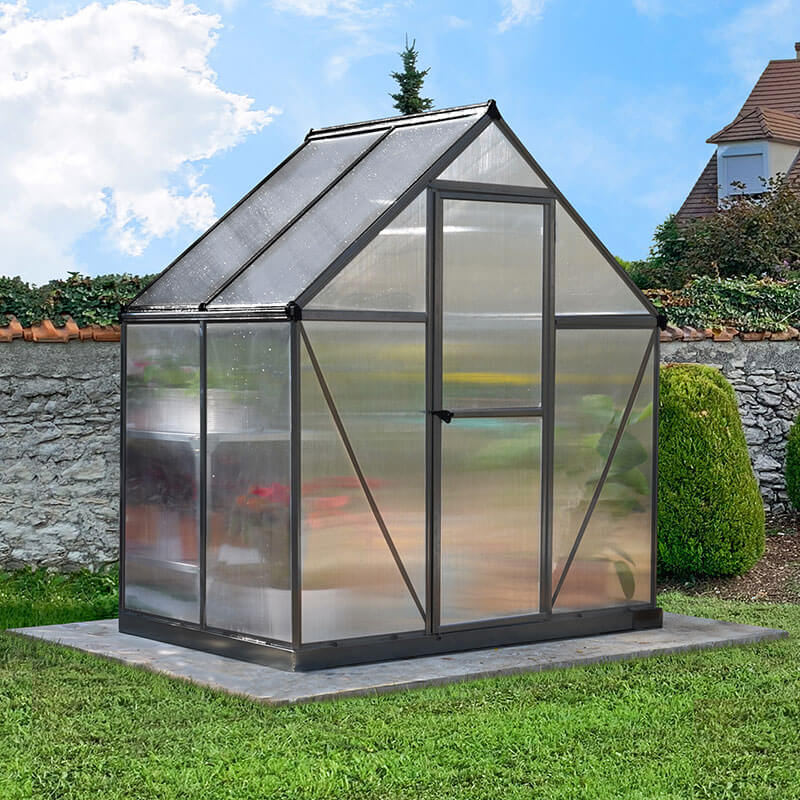
18% OFF: 6′ x 4′ Palram Canopia Hybrid Silver Polycarbonate Greenhouse (1.85m x 1.26m) £269.9918%

-
15% OFF: 6′ x 4′ Palram Canopia Hybrid Silver Polycarbonate Greenhouse (1.85m x 1.26m) £279.9915%
-
12% OFF: 6’x4′ Halls Aluminium Frame Polycarbonate Greenhouse (1.92×1.32m) £619.9912%

-
12% OFF: 6’4 x 4’4 Halls Popular 64 Small Greenhouse (1.93 x 1.31m) £431.9912%

-
12% OFF: 6’x4′ Halls Green Frame Polycarbonate Greenhouse (1.92×1.32m) £666.9912%

-
12% OFF: 6’4 x 4’4 Green Frame Halls Popular 64 Small Greenhouse (1.93 x 1.31m) £478.9912%

-
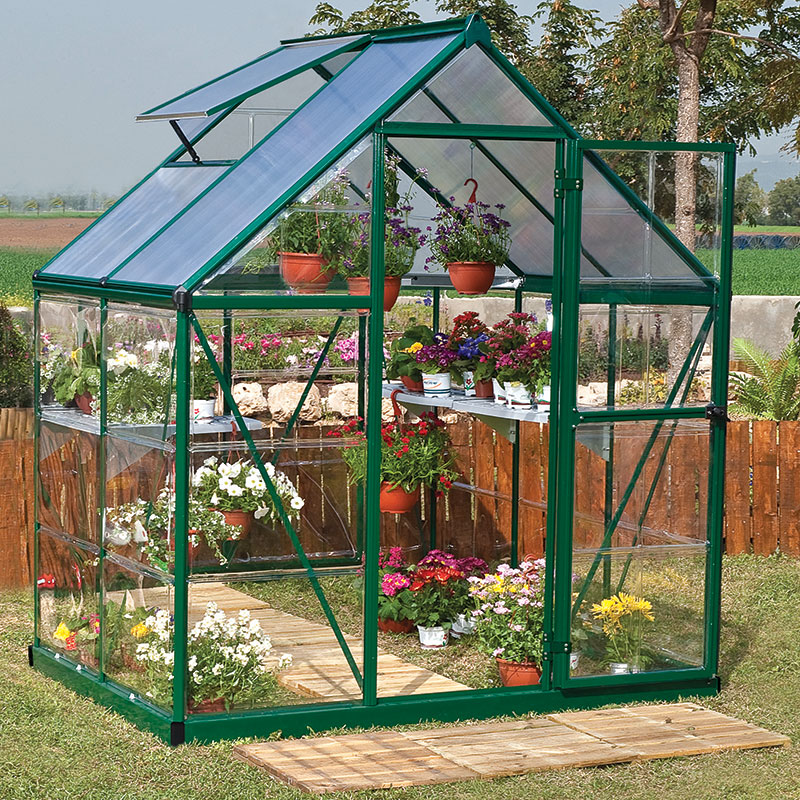
8% OFF: 6â x 4â Palram Canopia Harmony Green Polycarbonate Greenhouse (1.85m x 1.26m) £376.998%

-
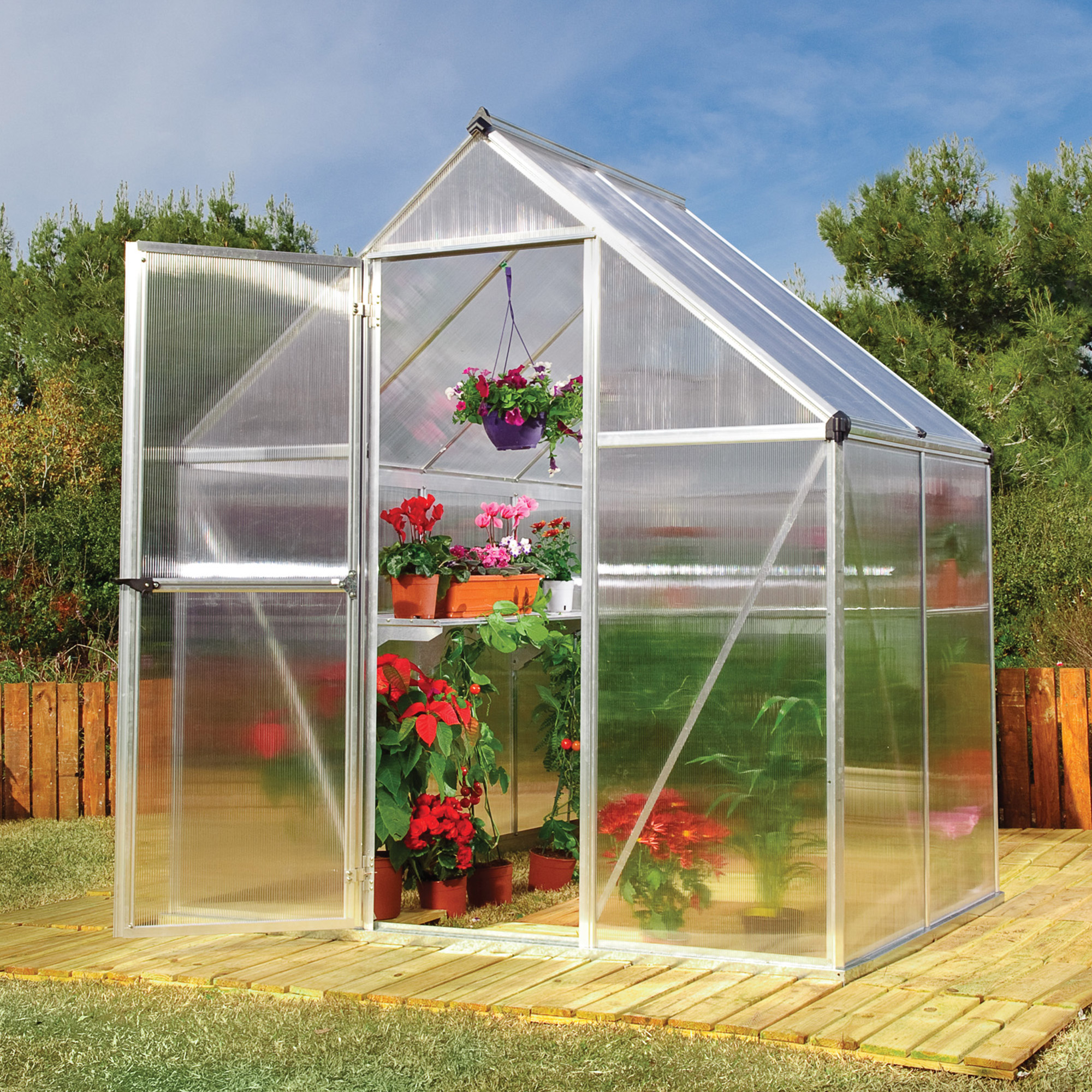
8% OFF: 6’x4′ Palram Canopia Mythos Small Silver Polycarbonate Greenhouse (1.8×1.2m) £280.998%

-
8% OFF: 6′ x 4′ Palram Canopia Hybrid Green Polycarbonate Greenhouse (1.85m x 1.26m) £348.998%

-
8% OFF: 6′ x 4′ Palram Canopia Mythos Grey Greenhouse (1.85m x 1.26m) £323.998%

-
8% OFF: 6′ x 4′ Palram Canopia Harmony Grey Polycarbonate Greenhouse (1.85m x 1.26m) £376.998%

-
6% OFF: 6′ x 4′ Palram Canopia Hybrid Green Polycarbonate Greenhouse (1.85m x 1.26m) £357.996%
Polycarbonate greenhouses 25 sq ft / 2 m² are compact growing spaces for patios, small gardens and narrow plots, offering light-diffusing panels, practical shapes and a neat footprint for seedlings, herbs and protected crops.
Small footprint, proper growing space
A 25 sq ft / 2 m² polycarbonate greenhouse gives you a defined growing zone without swallowing the garden. That size tends to suit gardeners who want a controlled place for starting plants, hardening off trays, or keeping a few tender crops under cover, but do not have room for a full walk-in structure. It is small, yes, but not pointless. The layout matters, and with the right shape you can use the space more efficiently than many people expect.
What makes this category useful is the balance between compact size and usable protection. Compared with a small cold frame, a greenhouse gives you a proper enclosed environment. Compared with a larger house, it is easier to site on a patio, against a wall, or in a corner where space is tight. For buyers looking at this size, the key question is often not “is it big enough?” but “which form works best for the space I actually have?”
The polycarbonate difference
Polycarbonate panels are a major reason these small greenhouses are popular. Unlike clear glass, polycarbonate usually spreads the light more evenly, which can help reduce harsh sun on young plants. In a compact structure, that matters because every shelf and every tray is close to the roof and walls. The material also feels more forgiving in day-to-day use, especially where a garden sees wind, movement, or the occasional knock from a pot or watering can.
Bestseller der Kategorie polycarbonate greenhouses 25 sq ft / 2 m²
There are a few important distinctions in this category:
- Single-wall polycarbonate keeps the structure lighter and more affordable, often chosen for simple seasonal growing.
- Double-wall polycarbonate adds an insulating layer, which can help with temperature stability in cooler months.
- Clearer panels let in more direct light, while opal or diffused panels soften brightness and give a gentler spread of light.
- Thinner sheets may suit lighter frames, while thicker sheets feel more solid and are often preferred when users want a sturdier sense of build.
The choice is not just about looks. It affects how the greenhouse feels to use, how bright it is inside, and how much shelter it gives to plants in a changeable climate. If you are comparing options, think less about the material in isolation and more about the combination of panel type, frame style, and intended use.
Shapes that squeeze in more than you expect
In a 2 m² category, shape is not a cosmetic detail. It changes the whole experience. A greenhouse can look tiny on paper, then feel surprisingly workable once the shape suits the site. Some versions are more upright, others lower and wider, and a few are made to lean against something solid. Each one has a different way of using the same floor area.
- Lean-to greenhouses fit against a wall or fence and can make very good use of limited ground space.
- Mini apex greenhouses use a pitched roof to create a little more headroom in the centre.
- Rectangular walk-in styles usually offer the easiest shelf layout, even if the floor area stays small.
- Narrow tunnel-like shapes can be useful where depth is available but width is not.
- Corner-friendly designs are made to sit neatly into awkward spots that would otherwise be wasted.
The difference between shapes is especially noticeable in how you arrange trays and shelves. A lean-to can feel efficient because one side is already supported by an existing wall, while an apex roof gives you extra room for taller pots in the middle. If the greenhouse is going beside a shed or brick wall, a lean-to often makes practical sense. If the site is open, a freestanding mini-house may be easier to access from all sides.
Frame types and what they mean in use
Not all small polycarbonate greenhouses feel the same once assembled. The frame plays a big part in that. Some frames are aimed at keeping weight down, which helps if you need to place the greenhouse on a balcony, patio, or paving. Others feel more rigid and are selected because the buyer wants a steadier structure for a windy or exposed spot.
You will often see these broad frame differences:
- Aluminium frames are commonly chosen for their light weight and neat, clean finish.
- Powder-coated frames can give a more finished look and may suit buyers who want the greenhouse to blend with darker outdoor fittings.
- Steel-reinforced sections may appeal to those prioritising a firmer feel in a compact frame.
- Lightweight frames are easier to position, though they may need more thought about placement.
The frame choice affects the overall personality of the greenhouse, in a way. A lighter frame is convenient and easy to handle, but a firmer frame often feels more planted once in place. For a small greenhouse, that balance is worth paying attention to because the structure has less mass to begin with. If the garden is sheltered, a lighter design may be enough. If the site is more open, buyers tend to look more closely at frame rigidity and the way the panels slot into it.
Why buyers choose this size over larger options
A 25 sq ft / 2 m² greenhouse is often selected for very specific reasons. It is not simply about budget or lack of room, though both can be part of it. Many people want a focused growing area rather than a bigger building they will not fully use. Small greenhouses can be surprisingly handy when the goal is to keep the garden tidy while still gaining proper protection for plants.
Some of the common advantages are:
- Space efficiency – a small footprint is easier to fit into compact gardens and paved areas.
- Targeted use – ideal for seedlings, herbs, small collections of pots, and crop rotation in containers.
- Faster organisation – it is simpler to keep track of what is inside when the space is limited.
- Lower visual impact – the greenhouse takes up less of the garden view, which some buyers value.
- Practical siting – can fit where a larger greenhouse would be impossible, such as beside a wall or path.
For many buyers, the appeal is not just the size but the feeling of control. A small enclosed growing area can make it easier to group plants by need, keep delicate trays under cover, and create a more orderly garden layout. It may not hold everything, but it can hold the right things.
What fits inside a 2 m² greenhouse
This size suits a specific style of growing rather than a huge plant collection. It is well matched to seed trays, small pots, compact herbs, young vegetables, and plants that benefit from some shelter without taking up much room. If you like starting plants indoors and moving them out gradually, a greenhouse in this category can make that process more organised.
Because space is limited, the layout should be thought through before purchase. A deeper model might allow two shelves on one side and a narrow walkway, while a taller apex design may be better if you want room for taller pots or hanging items. Buyers often underestimate how much difference a few extra centimetres of height can make once trays, watering cans and plant labels are all in use.
Useful points to consider before buying:
- Door opening – check whether it feels comfortable enough for carrying trays in and out.
- Shelf depth – narrow shelves can save space, but overly shallow ones can be fiddly.
- Headroom – especially important if you want to stand inside rather than just reach in.
- Panel layout – some structures give more usable wall space than others.
- Access from the garden – think about whether there is enough room to open the door without obstruction.
Light, heat and the feel of the interior
One of the subtler advantages of polycarbonate is the way it handles light. In a small greenhouse, the interior can change quickly with the weather, so the diffusion of light can be useful when plants are close together. Rather than sharp direct rays bouncing around a tiny structure, polycarbonate often gives a softer, more even brightness that many seedlings seem to cope with better.
The shape of the greenhouse influences this as much as the panels do. A pitched roof can let light reach deeper into the centre, while a lean-to may benefit from the way it borrows warmth and shelter from the adjacent wall. A more enclosed shape can also make the space feel calmer and more protected, which matters when you are trying to keep conditions steady in a small area.
It is worth noting that different panel styles and frame layouts create different experiences inside. A compact greenhouse with clear panels can feel brighter and more open, while diffused panels can make the space feel less glaring and a bit easier on delicate growth. That is one reason this category is attractive to gardeners who want a more controlled environment without moving into a full glasshouse setup.
Picking the right subtype for your plot
The best type depends on the space you have and what you want to grow. A buyer working with a narrow side return may need something very different from someone with a small paved patio or a sheltered courtyard. The category is small, but the choices are not all the same.
- For a wall or fence line, a lean-to version can make efficient use of a tight border area.
- For a central patio, a freestanding mini apex greenhouse can feel balanced and easy to reach.
- For mixed use, a taller design with better headroom may suit trays and taller pots together.
- For calmer light, diffused polycarbonate may be worth considering over very clear panels.
- For a breezier garden, a more rigid frame and a shape with a lower profile may feel more secure.
There are also subtle differences in how each style handles daily use. A lean-to often makes the most of reflected warmth, but it limits access from one side. A freestanding greenhouse offers more flexibility in placing shelves and moving around, but it needs its own clear footprint. A peaked roof creates extra central height, which can be useful even when the floor area stays the same. These distinctions matter a lot in small formats, where every design choice has a bigger effect.
Details that make a small greenhouse easier to choose
When looking at polycarbonate greenhouses 25 sq ft / 2 m², buyers often focus first on price and size. Fair enough. But there are a few detail-led differences that can change whether the greenhouse feels useful or awkward once it is in place. A good small greenhouse is usually one that solves layout problems, not creates them.
Check for the following:
- Door position – centred doors can feel more balanced, while offset doors may suit a tight site.
- Roof profile – apex, curved, or low-profile shapes each affect headroom and visual presence.
- Wall height – a slightly taller wall can improve shelf use along the sides.
- Panel opacity – clearer or more diffused surfaces change how the interior feels in bright weather.
- External size vs internal use – a greenhouse can technically be 2 m², yet still vary in how practical that space is.
These are the sorts of things that matter after the product arrives. A greenhouse with sensible proportions will feel easy to live with, while one with poor internal geometry can frustrate you every time you carry out a tray. For a compact garden product, that practical feel is often what convinces buyers to choose one option over another.
A compact choice with a clear purpose
This category works for gardeners who want a neat, functional growing space without committing to a larger structure. The appeal of a 2 m² polycarbonate greenhouse is not abstract; it is about fitting something genuinely useful into a small gap, keeping seedlings sheltered, and making the most of limited ground. It suits people who like structure in their gardening, and also those who simply need a place where plants can sit out of the weather.
If you are comparing sizes, shapes and materials, the main point is to choose the version that matches your plot and your habits. The right small greenhouse can feel organised, calm and efficient, even if it only takes up a modest corner. And if you have ever wished for just a bit more controlled space without sacrificing the rest of the garden, this category is often the one that solves that problem without making a fuss.
In short: look for the shape that suits your site, the panel type that suits your light levels, and the frame style that suits how exposed your garden is. In a small greenhouse, those choices matter quite a bit.
[Sassy_Social_Share]