
polycarbonate greenhouses 21x8 - Best Deals in UK!
Showing the single result
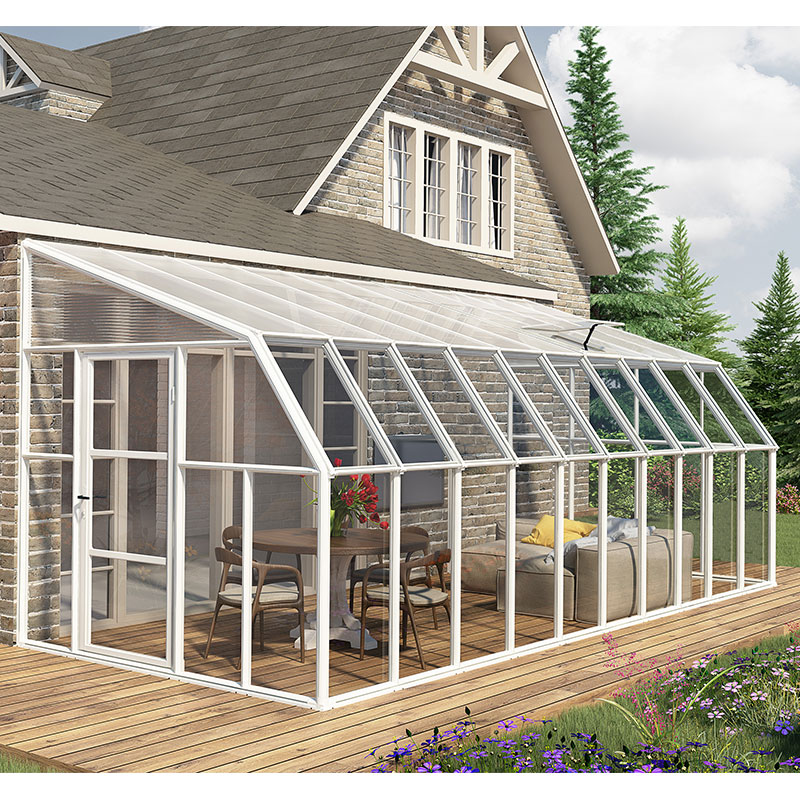
Polycarbonate greenhouses 21×8 give you a practical long-span growing area with strong panels, steady light diffusion and room for beds, staging and taller crops.
A long frame with room to actually use
A 21×8 greenhouse suits gardeners who want more than a compact potting space but do not need a huge walk-in structure. The footprint is long and fairly narrow, which makes it easy to organise into clear growing zones. You can run central access down the middle, keep side borders for planting, or set up racking and shelves without the space feeling cramped. That length also helps if you like to group crops by stage, for example seedlings at one end, salads in the middle, and more mature plants towards the warmest side.
In a 21×8 layout, the shape itself is a big part of the appeal. It is wide enough to move comfortably, yet slim enough to catch and hold heat well. That balance can matter when you want a greenhouse that feels usable through a long season, not just on a sunny day. The proportions also suit many gardens where space is tight along a boundary or fence line, and a rectangular structure works better than a deep square one.
Why polycarbonate changes the feel
Polycarbonate glazing is often chosen because it gives the greenhouse a different working atmosphere from traditional glass. Instead of sharp direct light, you get a more diffused brightness, which can help reduce harsh glare and create a steadier light level inside. For many crops, that means leaves are less likely to get scorched at the wrong moment, and the interior feels less stark during strong sun.
Bestseller der Kategorie polycarbonate greenhouses 21x8
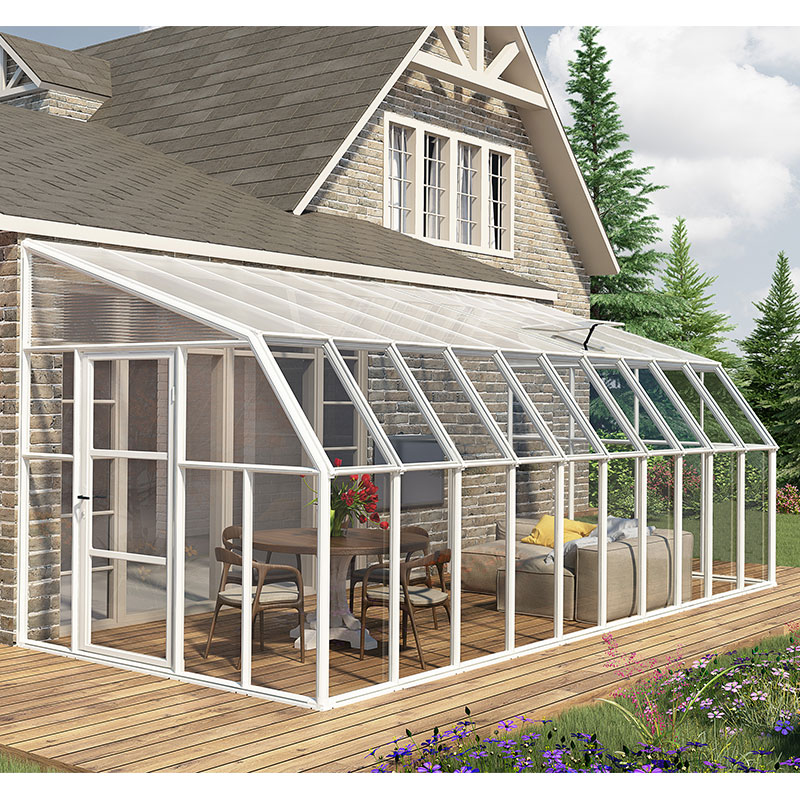
There is also the practical side. Polycarbonate panels are generally associated with a more impact-resistant build than brittle glazing, which is one reason shoppers compare it with glass when choosing a new structure. In a 21×8 format, where the frame covers a fair amount of area, that panel choice can feel reassuring. You are not just buying a growing space, but a structure that is meant to cope with ordinary garden life: wind, stray branches, moving trays, and the occasional clumsy knock.
Flat panes, twinwall panels and the shape of the light
Not all polycarbonate greenhouses are the same. One of the first differences buyers notice is the panel style. Twinwall polycarbonate has a layered structure with a small air gap, which can add insulation compared with single-sheet options. It also creates a softer, more even light across the interior. That can be useful if you are growing mixed plants in one space and want to avoid strong hotspots.
Single-skin polycarbonate is less common in larger domestic greenhouse choices, but where used it can offer a different balance of transparency and weight. Then there are structures with corrugated profiles or shaped glazing sections, which can alter how rain runs off and how the frame reads visually from the garden. In a 21×8 greenhouse, these panel choices affect not only appearance but also how the whole unit feels when you stand inside it. A diffused panel can make a long greenhouse seem calmer and more uniform, while clearer sections can give a brighter, more open character.
Lean-to, tunnel, ridge and rectangular: same size, different personality
The phrase 21×8 greenhouse tells you the footprint, but the form of the structure changes how that space works. A lean-to style uses an existing wall, which can suit sheltered garden edges and create a more integrated growing area. It can feel efficient, especially if you want easy access from a house wall or paved side path. The wall itself may also help the greenhouse hold warmth, though the exact result depends on position and exposure.
Freestanding rectangular greenhouses are the most straightforward match for a 21×8 footprint. They give you access from all sides and are easier to divide into working sections. A tunnel or hoop-style frame in this size range can give a softer, more rounded roofline and a spacious internal volume. That can be handy for taller plants or for people who dislike the sharper angles of classic frames. By contrast, a traditional apex or ridge design often appeals to buyers who want a familiar look and a practical balance of headroom and wall space.
Each form has a different effect on how the greenhouse feels in use. A rectangular frame is easier to plan around. A lean-to can feel tucked-in and purposeful. A tunnel shape may give more overhead room, while a ridge design often feels orderly and classic. None of these are better in every case, but the right one can make a 21×8 footprint work much harder for the way you garden.
Where 21×8 really earns its keep
This size is especially useful if you want to grow beyond a few pots and into a more organised system. A 21×8 polycarbonate greenhouse gives enough length for separate growing bands, which can be a real advantage when different crops need different stages or spacing. For example, the front section can be used for propagation trays, the middle for leafy crops, and the far end for taller or more stable plants. The long run also supports simple crop separation, so you are not constantly shifting everything around to make room.
It can suit gardeners who want a proper mix of seed sowing, potting on, display plants and crop raising. The width is enough for access and working room, but not so broad that the space becomes awkward to heat or arrange. That makes the footprint feel intentional. You can create a greenhouse that works more like a small growing room than a shed with glass in it.
Good fit for mixed crops and changing seasons
Polycarbonate greenhouses in 21×8 format are popular because they can handle a mixed planting plan. The diffused light works well for young seedlings, which often prefer bright conditions without too much direct stress. It also supports leafy crops, tender bedding, and many ornamental plants that appreciate a stable environment rather than harsh beams of sun. If you grow a range of things through the year, the larger footprint helps you keep each group in a sensible place.
The structure also gives you enough room to make seasonal changes without everything feeling temporary. In spring, it can be filled with trays and propagation benches. In summer, it can shift towards tomatoes, peppers or climbing crops. Later in the year, it can hold overwintering specimens, pots that need shelter, and spare growing materials. That flexibility is one of the real buying reasons for this category: it is not just about size, but about how that size lets the greenhouse change with your plans.
What buyers often compare before choosing
When people look at polycarbonate greenhouses 21×8, they often compare a few key features rather than just the footprint. One of those is panel thickness, because thicker twinwall panels generally feel more insulated than thinner sheets. Another is the frame material, usually aluminium in many domestic models, which keeps the structure light enough to handle while still offering a neat finish. Some buyers also pay attention to the roof style, since that affects both the greenhouse’s profile and the way light enters.
They also tend to compare the door layout. A single door can be tidy and simple, while a wider opening is easier if you move trays, compost bags or larger pots in and out. In a long greenhouse, where the internal run is already doing a lot of work, access matters. If the entrance feels awkward, the whole space can be less enjoyable to use, even if the size on paper looks right.
- Panel style — twinwall, clearer sheets or textured sections affect light and insulation.
- Frame form — ridge, lean-to or tunnel shapes change the internal feel and the outside look.
- Door access — single, wide or positioned for easy tray movement.
- Roof line — helps decide headroom, run-off and overall appearance.
- Internal planning — staging, borders and pathways need to fit the 21×8 layout properly.
Insulation, light and a steadier growing space
One reason polycarbonate is attractive in this category is the way it balances light transmission with a more settled internal environment. Rather than flooding everything with direct beams, the material softens the daylight, which can make the greenhouse feel more forgiving. That is useful for delicate plants and for gardeners who want to avoid the look of intense glare across the whole structure.
The insulating effect of multiwall panels can also make a difference in a 21×8 footprint, because the greenhouse has enough volume to benefit from a more measured warmth. It is not just about trapping heat; it is about creating a space that feels less exposed to quick changes. For buyers comparing materials, this is often one of the main distinctions between polycarbonate and plain glass. The greenhouse may feel a bit more enclosed and less reflective, but in a good working way.
Looks that suit the garden without shouting about it
A polycarbonate greenhouse does not have to look utilitarian. In a 21×8 format, the long side elevation gives the structure a strong line, and the glazing can give it a calm, orderly appearance. That can work well along a boundary, beside a fence or against planting that softens the edges. A lean-to version can blend into the existing architecture, while a freestanding ridge shape can become a clear feature without dominating the garden.
For buyers who want the greenhouse to be part of the garden rather than a separate object, the choice of panel finish matters. More opaque or diffused polycarbonate creates a softer silhouette from outside, while clearer panels may show more of the plants and internal structure. It is a small point, but many people notice it once the greenhouse is in place. The outside view and the inside experience are connected, especially in a longer structure like this.
Useful tips when checking the right 21×8 layout
It helps to think about the greenhouse as a working corridor, not only a footprint. In a 21×8 structure, the main thing is how you will move through it. A clear central path can keep the space practical, while side benches may need to be shallower than you first imagine. If you want taller crops, check the roof and eaves shape so the plants do not crowd the upper frame too early. That is a common difference between greenhouse forms, and it affects how useful the full height really is.
Also think about what you want at each end. Some buyers prefer a propagation end near the door for quick access. Others want the warmest or brightest section reserved for fruiting crops. A long greenhouse gives you options, but only if the internal plan suits the shape. The more specific your plan, the better a 21×8 frame tends to feel once installed.
- Measure the inside use, not only the outside footprint — benches and paths need real space.
- Check headroom at the sides and ridge — this affects tall plants and working comfort.
- Choose the panel type for your crop mix — softer light suits many mixed plantings.
- Match the form to the garden position — lean-to, ridge or tunnel all sit differently.
- Think in zones — a 21×8 greenhouse works well when it is divided with purpose.
Why this category attracts serious growers and steady starters
This is a category for people who have outgrown a small hobby frame but do not want to step into something oversized. A polycarbonate greenhouse 21×8 offers a sensible middle ground: enough room to be flexible, enough structure to feel committed, and enough length to separate tasks properly. It can suit buyers moving from a compact cold frame setup, as well as those replacing an older glass house that no longer fits their way of growing.
There is also a pleasing practicality to it. You are getting a greenhouse that looks considered, works across different seasons, and handles mixed planting without feeling improvised. That can matter when the greenhouse is meant to support real growing plans, not just look good in the background. The size gives confidence, and the polycarbonate gives a more forgiving internal environment. Put together, that makes the category useful for gardeners who want their structure to do proper work.
Small details that make the big difference
Sometimes the difference between one greenhouse and another is not the headline size, but the small design choices inside that size. A wide door opening can make tray movement far easier. A higher roof pitch can improve the feeling of space. A twinwall panel may give a more settled light level than a clearer sheet. Even the line of the side wall can change how you place staging or decide where to keep taller crops.
That is why a 21×8 polycarbonate greenhouse deserves more than a quick glance. The footprint is only part of the story. The panel type, frame shape, access points and internal proportions all shape the way the greenhouse works once it is in place. For many buyers, that combination is what makes the category worth considering: it is detailed enough to support serious growing, but still simple enough to plan around without faff.
A greenhouse that gives you room to think ahead
If you are looking for a structure that supports more organised growing, a 21×8 polycarbonate greenhouse has a lot going for it. The size is large enough to create clear planting sections, the polycarbonate gives a softer and more practical light quality, and the different forms available mean you can choose a shape that suits your garden rather than forcing the garden to suit the greenhouse. Whether you are drawn to a lean-to, a ridge frame or a tunnel-style layout, the 21×8 footprint gives you a serious amount of usable space without feeling unwieldy.
It is the kind of category that rewards a buyer who already knows how they like to grow, or at least knows they need more room to do it properly. The appeal is in the balance: space, structure, and light behaviour working together in a way that feels calm and practical. For the right garden, that is exactly what makes this size worth adding to the shortlist.
[Sassy_Social_Share]