
polycarbonate greenhouses 160 sq ft / 15 m² - Best Deals in UK!
Showing all 7 results
-
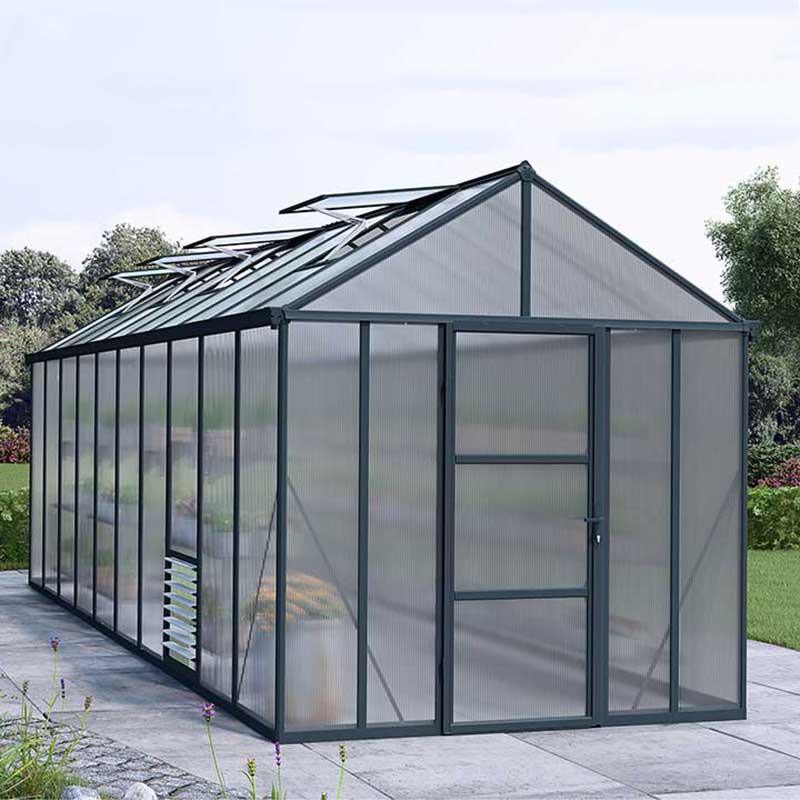
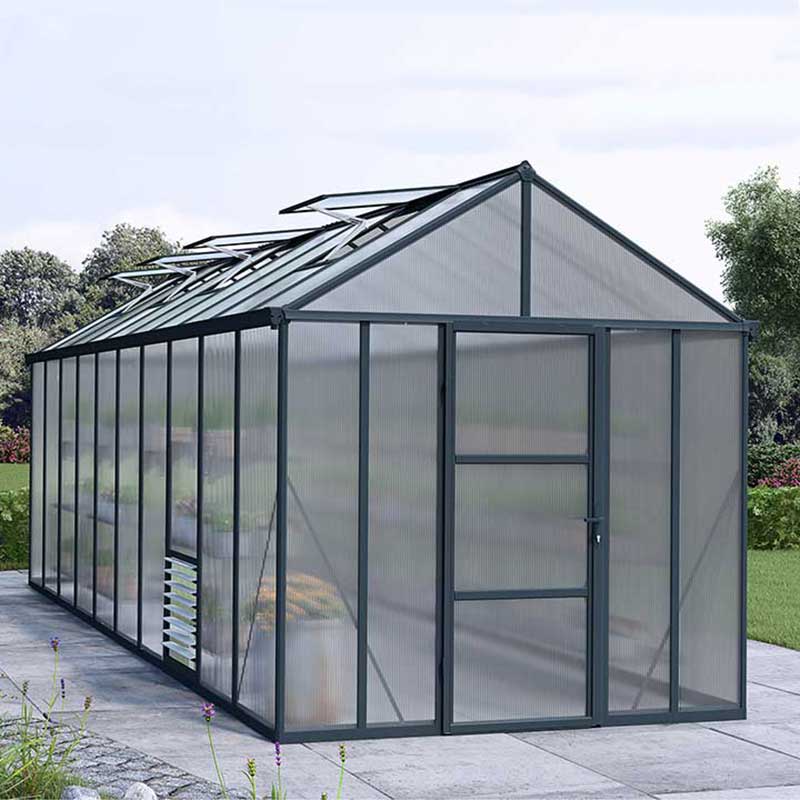
8% OFF: 8’x20′ Palram Canopia Glory Grey Large Polycarbonate Greenhouse (2.4x6m) £2,479.008%

-
8% OFF: 8’x20′ Palram Canopia Bella Large Walk In Silver Aluminium Framed Greenhouse (2.4x6m) £1,587.998%

-
8% OFF: 8’x20′ Palram Canopia Glory Grey Large Polycarbonate Greenhouse (2.4x6m) £2,499.998%
-
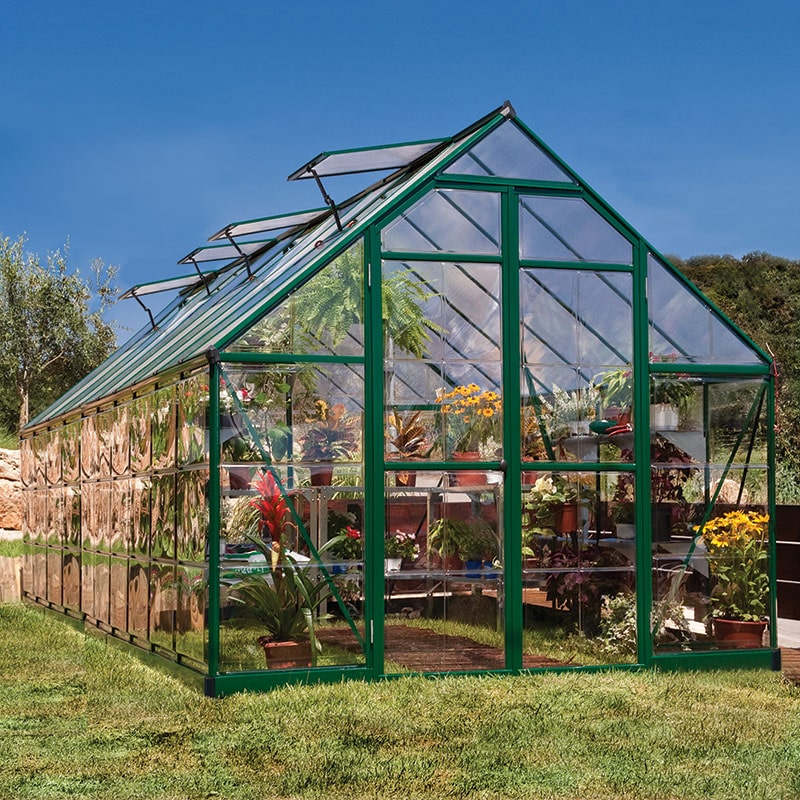
5% OFF: 8′ x 20′ Palram Canopia Balance Green Greenhouse (6.07m x 2.44m) £1,659.005%

-
8’x20′ Palram Canopia Bella Large Walk In Silver Aluminium Framed Greenhouse (2.4x6m) £1,639.005%
-
8’x20′ Palram Canopia Bella Large Walk In Silver Aluminium Framed Greenhouse (2.4x6m) £1,719.00
-
8’x20′ Palram Canopia Glory Grey Large Polycarbonate Greenhouse (2.4x6m) £2,709.00
Polycarbonate greenhouses 160 sq ft / 15 m² offer a practical growing area for tomatoes, cucumbers, chillies and year-round seedlings, with better insulation than glass and a lighter, safer frame.
Why 15 m² feels like a proper growing room
A 160 sq ft / 15 m² greenhouse sits in a useful middle ground: not a tiny lean-to, not a sprawling structure that takes over the garden. It gives enough space for a serious mix of crops, staging, hanging baskets, and a bit of breathing room between plants. For many buyers, that extra width changes everything. You can separate hot-loving crops from cooler starts, keep one side for pots and the other for beds, and still move around without knocking half the place over.
What makes this size especially appealing is the balance between footprint and output. A smaller greenhouse can feel full very quickly, while 15 m² lets you organise by crop type, height, and season. It is a size that suits keen gardeners who want more than a basic starter unit, but do not want to jump into a structure that needs a huge plot or a big budget.
Polycarbonate panes: the light, the warmth, the protection
Polycarbonate greenhouses differ from glass mainly in the way they handle light and impact. Instead of brittle panes, you get tough sheets that diffuse sunlight more softly. That matters more than people expect. Diffused light reduces harsh hotspots and gives a gentler spread across the whole growing area, which is handy for tender seedlings and leafy crops. Less scorch, less dramatic shading, and a more even interior feel.
Bestseller der Kategorie polycarbonate greenhouses 160 sq ft / 15 m²
Another key point is insulation. Polycarbonate is often chosen because it helps trap heat more effectively than plain glass, especially in double-wall or multi-wall panels. In a 15 m² greenhouse, that can make a noticeable difference in early spring and late autumn. The structure still needs heat on cold nights if you are pushing sensitive crops, but the panel choice helps hold the warmth in a more useful way.
And then there is safety. Polycarbonate is lighter than glass and less likely to shatter in a messy gust, a stray branch, or an accidental knock with a tray. That does not mean it is indestructible, but it does make the whole greenhouse feel a bit more forgiving in everyday use.
Different panel types and what they do
Not all polycarbonate panels are the same, and this is where the fine details matter. Buyers usually see a mix of thicknesses and wall constructions, each with its own feel:
- Single-wall polycarbonate – thinner and lighter, with more direct light transmission and less insulation.
- Twin-wall polycarbonate – a common choice for gardeners wanting a better blend of insulation and strength.
- Multi-wall polycarbonate – thicker panels with more air gaps, often chosen where heat retention is a priority.
- Clear panels – allow brighter light levels and a more open look.
- Opal or diffused panels – soften sunlight and help reduce glare, which can be useful for young plants.
The difference is not just about looks. A clear panel can suit growers who want maximum brightness for fruiting crops, while a diffused finish can feel more forgiving for mixed planting. If your greenhouse is going to be packed with seedlings, pots and trays, that softer spread of light can be a real plus, even if it sounds like a small detail on paper.
Frame shapes that change the whole layout
The shape of a 15 m² polycarbonate greenhouse has a big effect on how usable it feels. The same floor area can behave very differently depending on the form.
- Lean-to greenhouses – attached to a wall, saving space and using the building for some wind shelter.
- Freestanding apex greenhouses – the classic pitched-roof style, easy to access from both sides.
- Hoop or tunnel-style structures – simple, curved forms that can make efficient use of interior height.
- Quieter rectangular layouts – straight sides and regular spans that make staging and shelving easier.
An apex roof often gives the most familiar balance of headroom and runoff for rain, while a curved form can feel more compact and less angular inside. Lean-to versions are useful when garden space is tight, though they usually offer less overall flexibility than a freestanding unit. If you plan to grow climbing crops, the roof profile matters too. A taller ridge can be a help with vines, cordon tomatoes, and hanging supports, because the crop does not run out of height too quickly.
Single, double, lean-to: the practical subtypes buyers compare
When people search for polycarbonate greenhouses 160 sq ft / 15 m², they are often comparing practical subtypes rather than just size. The main differences usually come down to how the greenhouse sits in the garden and how much insulation it offers.
A single-span greenhouse is the straightforward option, with one growing space and usually a neat footprint. It suits growers who want even light and easy access. A double-span or wider-bay layout creates more room for separate planting zones, though the structure can feel more substantial. A lean-to is the compact choice, especially handy near a south-facing wall where you want to make use of reflected warmth and reduce exposure on one side. Then there are units with multi-wall panels, which tend to appeal to gardeners who want a better temperature buffer inside the same area.
The best fit depends on what you want from the greenhouse, not just how big it is. Some buyers mainly want a sheltered seed-starting space. Others want a long-season fruit house, a potting zone, and enough room for winter crops. The 15 m² format can do several of those jobs, but the subtype you choose determines how comfortably it does them.
What 160 sq ft lets you grow without the squeeze
A greenhouse of this size supports a surprisingly varied set of crops. You can run a proper tomato run down one side, keep aubergines or peppers in the warmest corner, and still have room for nursery trays and a few overwintering pots. If you like structure, it can be split into zones:
- Fruiting crops such as tomatoes, peppers and cucumbers
- Seed trays and propagation for early starts and succession sowing
- Winter protection for borderline tender plants
- Mixed pot culture with herbs, salad leaves and ornamentals
The useful thing about 15 m² is that it lets you keep different crop stages apart. Seedlings do not have to sit right next to mature plants, and climbing crops do not need to crowd out everything else. That separation sounds ordinary, but in practice it makes the greenhouse easier to use and less cramped when spring gets busy.
Ventilation, height and the feel inside the house
With polycarbonate, the inside climate can feel steadier, but layout still matters. A good 15 m² greenhouse should give you enough headroom to work without stooping all the time, especially if you are dealing with tall canes or hanging baskets. Roof vents, side vents and door placement all influence how the space performs during hot spells. In a structure this size, airflow is not a minor detail; it changes how evenly the temperature sits from one end to the other.
Some shapes naturally encourage better vertical space. A pitched roof creates a high centre line for tall crops, while a curved top may spread the height more gradually. If you are planning to grow indeterminate tomatoes or trained vines, this can change the whole growing plan. A greenhouse that feels wide enough on paper can still feel tight if the roof is low, so shape and height should be looked at together.
Why polycarbonate often suits the British garden better than you’d think
In UK conditions, polycarbonate greenhouses have a few clear practical advantages. The material handles changeable weather well, and the diffused light helps when the sun is strong but inconsistent. That matters in spring and early summer when one day feels mild and the next turns sharp again. The lighter panels also reduce the strain on the structure compared with heavier glazing in many cases, which can be helpful where exposure to wind is an issue.
For gardens with children, pets, or a narrow access route, the less fragile nature of polycarbonate can be appealing. The material is not about glamour. It is about function, safety, and keeping growing conditions more stable without making the structure feel overly delicate. Some gardeners still prefer the look of glass, fair enough, but polycarbonate has a very clear role when usable space and resilience matter.
How to compare widths, bays and access before you buy
The floor area is only part of the story. Two greenhouses with the same 15 m² can feel different if one has a wider aisle, deeper staging, or better door access. Before choosing, think about how you will actually move through the space. Can you carry trays without turning sideways? Can you reach the back corners without stepping over pots? Can you open the door fully when staging is in place?
A useful habit is to picture the greenhouse in working zones rather than empty space. A central path often makes the house more flexible, but side staging can reduce walking room. A lean-to may be brilliant for a tight plot, yet it can limit access on one side. A freestanding house gives more options for circulation, and that can make a bigger difference than a brochure photo suggests.
Small details that matter when the aim is real use, not just a neat frame
People often focus on the panel type and forget the small stuff, though those details affect how the greenhouse works day to day. Door width, vent position, guttering, and internal stiffness all influence the experience. A polycarbonate greenhouse 160 sq ft / 15 m² should feel easy to enter with trays, not like a narrow corridor you have to edge through. If the door opening is awkward, the whole unit feels less practical very quickly.
Internal staging can also shape the value of the space. A greenhouse this size can support a mix of bench height and floor-level planting, but only if the structure gives enough width for both. When there is room to stack vertically without blocking light, you get more from the footprint. That is one reason buyers like 15 m²: it is large enough to organise, but not so large that everything feels distant.
When diffused light is a better match than bright glare
One of the quieter strengths of polycarbonate is the way it manages sunlight. In a clear-glazed structure, direct light can create hard patches and make some areas hotter than others. Polycarbonate, especially in diffused or multi-wall forms, softens that effect. For mixed planting, that can be very useful. Seedlings are less likely to get blasted by intense midday light, and tender leaves often look less stressed.
This is especially useful in a greenhouse that is expected to do several jobs through the year. Early-season propagation, summer fruiting crops, and autumn holding space all demand slightly different conditions. A panel that spreads light more evenly gives you a bit more flexibility across those seasons. It is not a magic fix, of course, but it helps the house work as a shared space rather than a single-purpose box.
What makes one 15 m² greenhouse different from another
At the same size, the differences are usually in the structure rather than the area itself. A buyer may be choosing between:
- Clear vs diffused panels for different light preferences
- Twin-wall vs multi-wall construction for insulation balance
- Apex vs curved roofs for height and visual profile
- Lean-to vs freestanding placement for site use and exposure
- Single entrance vs larger access for moving trays and tools
These differences may sound technical, but they affect how the greenhouse feels from the first week onwards. A well-chosen 15 m² structure should match the way you garden, not force you to change everything to fit the frame. If you like growing a lot of different plants at once, flexibility matters more than a very narrow specialism. If your focus is mainly fruiting crops, then warmth, height and a stable panel choice may matter more than anything else.
A sensible size for gardeners who want room to grow, not clutter
There is a reason this category attracts people who have outgrown a smaller house but are not ready for something much bigger. Polycarbonate greenhouses 160 sq ft / 15 m² offer a workable blend of capacity, light handling, and everyday practicality. You can organise the interior properly, separate crops with different needs, and still keep the garden from feeling overwhelmed by one structure.
If you are comparing options, look beyond the headline size and check how the frame shape, panel type, and internal proportions affect use. That is where the real difference lies. A greenhouse in this size range should make growing feel more ordered, more forgiving, and a bit more ambitious – without turning the plot into a maze. And that, for many buyers, is exactly the point.
[Sassy_Social_Share]