
polycarbonate greenhouses 120 sq ft / 11 m² - Best Deals in UK!
Showing all 2 results
-
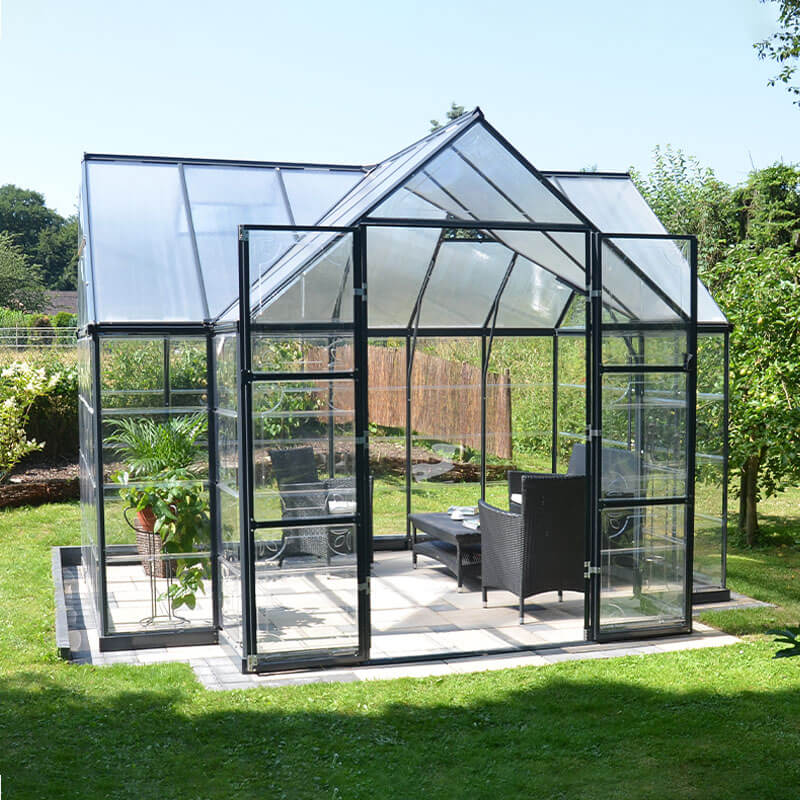
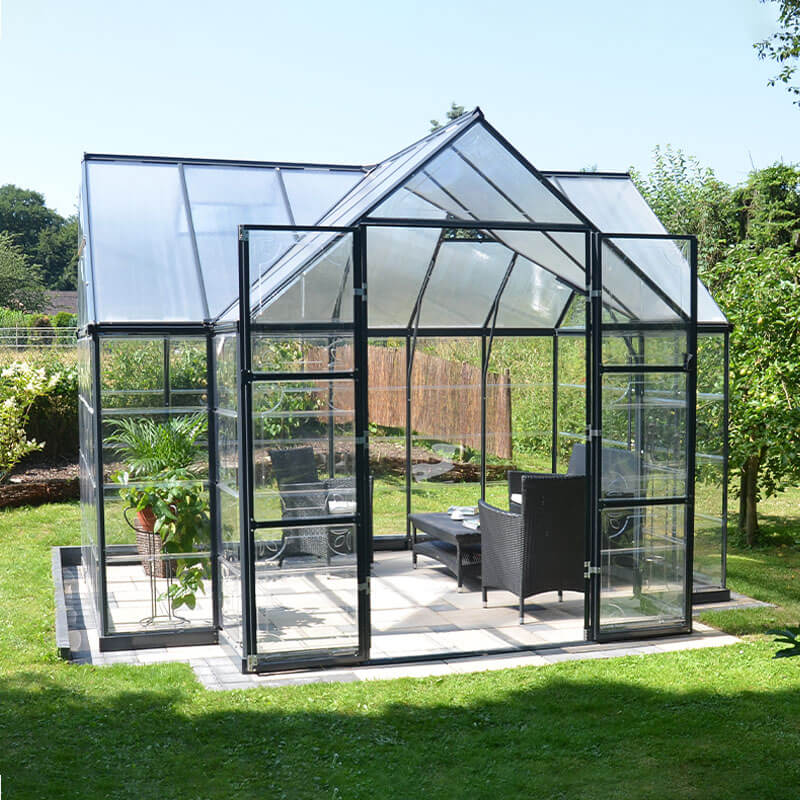
15% OFF: 12’x10′ Palram Canopia Victory Orangery Large Walk In Polycarbonate Greenhouse (3.6x3m) £1,289.0015%

-
12’x10′ Palram Canopia Victory Orangery Large Walk In Polycarbonate Greenhouse (3.6x3m) £1,499.00
Polycarbonate greenhouses 120 sq ft / 11 m² give you a practical growing space for vegetables, herbs and ornamentals, with a sturdy shell, light-diffusing panels and room to work without feeling cramped.
A Sized-Up Growing Space That Still Fits Real Gardens
A 120 sq ft / 11 m² greenhouse sits in that handy middle ground: big enough for serious growing, yet not so large that it takes over the whole plot. It suits gardeners who want more than a few trays on a windowsill, but who also need to keep the footprint sensible. That size can hold a mix of staging, shelving, beds and paths, so you can organise plants by height, crop type or season rather than crowding everything into one corner.
What makes this category especially attractive is the balance between usable floor area and manageable installation. You get enough room for propagation, crop rotation, overwintering tender plants and extending the season without needing a large estate. In practise, it feels like a proper working space, not just a decorative add-on.
Why Polycarbonate Changes The Feel Of The Structure
Polycarbonate panels are a big reason these greenhouses are so widely chosen. Compared with traditional glass, polycarbonate gives a different kind of growing environment: it is lighter, less brittle, and usually better at spreading light more evenly. That light diffusion matters because it helps reduce harsh hotspots and can make the interior feel more forgiving for young plants.
Bestseller der Kategorie polycarbonate greenhouses 120 sq ft / 11 m²
Another key point is the way polycarbonate works in day-to-day use. Panels are often chosen for their impact resistance and their ability to cope with a more exposed garden position. If your site gets a bit of wind, or if you simply prefer a material that feels less delicate than glass, this category has clear appeal. It is not about pretending to be something else; it is about a greenhouse that does the job with less fuss.
Common Panel Types And What They Mean
Within polycarbonate greenhouses, the panel construction makes a real difference. Buyers often compare:
- Single-wall polycarbonate – lighter and usually less expensive, with straightforward light transmission.
- Twin-wall polycarbonate – includes an air gap between layers, helping with insulation and temperature buffering.
- Multi-wall polycarbonate – a more layered construction, often used where a stronger balance of rigidity and insulation is wanted.
For a 120 sq ft greenhouse, twin-wall is often the type people focus on because it offers a useful middle point between weight, light spread and thermal performance. Single-wall can suit those who want maximum simplicity, while multi-wall can appeal when insulation is an important factor. The difference is not just technical; it affects how the greenhouse feels through the seasons.
Shapes That Change How You Use The Space
The shape of the greenhouse is more than a style choice. It changes headroom, airflow, shelving options and how easy it is to work inside. In this size range, you will commonly see a few clear forms.
- Lean-to greenhouses – fitted against a wall, useful where space is tight or when you want shelter from one side.
- Freestanding rectangular greenhouses – the classic layout, giving the cleanest internal organisation and easy access on both sides.
- Apex roof designs – with a peaked roof that creates extra headroom and a familiar greenhouse look.
- Curved or rounded profiles – often chosen for their wind-shedding shape and a slightly softer visual impact in the garden.
Each form has its own rhythm. A rectangular greenhouse is efficient for staging and row growing. A lean-to can feel neat and space-saving, especially in urban gardens or along a sheltered boundary. Curved designs tend to look lighter visually, which can matter if you want the structure to sit quietly in the plot rather than dominate it.
Why 11 m² Feels Different From Smaller Sheds Of Glass
The jump from a compact hobby greenhouse to 11 m² is noticeable. You are not just gaining extra square metres; you are gaining layout freedom. That extra room lets you separate propagation from mature plants, keep taller crops away from the entrance, and avoid the usual squeeze where watering cans, trays and boots all compete for the same strip of floor.
A greenhouse in this category can often support a more varied planting plan. For example, you may be able to combine seed sowing stations, a row of tomatoes, a section for peppers, and a bench for hardening off seedlings. It is the sort of size that makes sense if you want to grow food and ornamentals together without everything getting mixed up. That is a practical advantage many buyers look for, even if they don’t say it out loud at first.
Light, Diffusion And A Softer Interior Climate
One of the main reasons people choose polycarbonate glazing is the way it handles light. Instead of sharp, direct transmission in the same way as clear glass, polycarbonate often gives a softer spread of daylight. That can be useful for young plants, leafy crops and mixed growing areas where you do not want one section to bake while another stays cool.
This softer light is especially relevant in a greenhouse around 120 sq ft, because a larger internal area can otherwise develop zones with different conditions. With diffused light, the space tends to feel more even, and that can make planning the layout easier. It also makes the greenhouse more comfortable to spend time in, which sounds minor until you’re in there sorting trays for half an hour.
Insulation, Weight And A More Practical Build
Compared with traditional glazed structures, polycarbonate greenhouses are usually lighter to handle. That matters for installation, but also for the overall feel of the build. A lighter cladding can be easier for the frame to support, and in some cases it may allow for a more straightforward structure without the same fragility concerns people associate with glass.
The insulation difference also matters. In this size range, some buyers want a greenhouse that does more than just shelter plants in summer. Twin-wall or multi-wall panels can help create a slightly steadier environment, which is useful if you plan to start crops earlier or keep plants in longer. It is not magic, of course, but it does alter how the greenhouse behaves when the weather turns changeable, which is half the story in a UK garden.
Frame Styles And How They Affect The Choice
The frame matters just as much as the panels, and in this category you may see different structural approaches. While the exact specification varies by product, buyers commonly compare aluminium frames and other supportive structures based on rigidity, finish and how the greenhouse sits in the garden.
An aluminium frame is often favoured for its clean appearance and low weight. It also pairs neatly with polycarbonate, giving a tidy, modern look. What matters here is the overall balance: a greenhouse should feel stable, accessible and visually coherent, not like several parts were chosen without thinking about how they work together. The best choice is the one that suits your site, your planting style and the way you like to move around the space.
Useful Layout Ideas For This Exact Footprint
With 11 m², the layout can be more deliberate than in smaller structures. Rather than filling the space from end to end, it helps to think in zones. That might mean a central walkway, staging along one side, lower shelving near the entrance and taller crops placed where they will not block light. A well-planned interior can make the greenhouse seem even larger than it is.
- Propagation zone for seed trays and pricking out.
- Display or staging zone for pots and modules at working height.
- Crop zone for fruiting plants, climbing crops or mixed beds.
- Overwintering zone for tender plants needing shelter.
That sort of division is one of the biggest advantages of buying a greenhouse in this category. You are not buying just shelter; you are buying a working environment that can be organised to suit the way you grow.
The Differences Buyers Usually Notice First
When people compare polycarbonate greenhouse types in this size, three differences tend to stand out quickly: panel thickness, roof shape and door arrangement. Panel thickness changes the feel of insulation and rigidity. Roof shape affects how much headroom you have and how the structure sheds weather. Door style influences access when you are carrying trays, compost or a watering can that’s a bit too full.
For some buyers, the priority is a greenhouse that is simple and open inside. For others, it is about keeping the climate steadier or making the structure work in a narrower garden. These differences may sound small on paper, but they make a clear practical impact once the greenhouse is in use. That is why it pays to compare the details rather than just looking at the overall size.
Who This Size Suits Best
A 120 sq ft / 11 m² polycarbonate greenhouse suits gardeners who want a proper growing area without moving into very large-scale cultivation. It works well for people growing a combination of vegetables, herbs, salads and flowering plants, or for anyone who wants room for seed-starting and seasonal storage of tender specimens.
It also suits buyers who prefer a greenhouse that feels robust and usable rather than ornamental. If you like the idea of a structure that can be organised, labelled and worked in throughout the year, this size gives you that room. It is especially handy when you want a bit of margin for error, because cramped spaces make every task feel fiddly. This one gives you a bit more breathing space, which honestly makes a difference.
Buying Points That Are Easy To Miss At First Glance
There are a few details worth checking before choosing a polycarbonate greenhouse in this category. Think about door width if you move trays or bags of compost through often. Consider roof height if you grow taller crops or use hanging space. Check whether the internal layout allows you to reach the back without over-stretching. Small things, but they add up.
It can also help to compare how the greenhouse will sit in your garden. A lean-to may make use of a wall that is already there, while a freestanding version may offer more freedom in placement. If your plot is exposed, the shape and cladding can feel more important than it first appears. If you want a greenhouse that works with the garden rather than fighting it, these are the details to watch.
A Strong Case For Sensible Growing
What makes this category appealing is that it combines practical size, polycarbonate performance and a good range of forms. You get enough space to do meaningful work, enough material choice to match different growing priorities, and enough structural variety to suit different gardens. That mix is what turns a greenhouse from “nice to have” into something you actually rely on.
If you are comparing options, it helps to think about what you want most: a more insulated feel, lighter construction, diffused light, or a shape that fits a particular corner of the garden. In this category, the right choice is often the one that makes your growing routine simpler, not more complicated. And that is usually the sign you’ve picked well.
Why Buyers Keep Returning To This Category
There is a straightforward appeal to polycarbonate greenhouses 120 sq ft / 11 m²: they offer a middle-sized solution that does not feel like a compromise. The space is workable, the materials are practical, and the form can be adapted to different garden settings. For many buyers, that combination is the reason they end up here rather than in a smaller starter option or a much larger structure.
Whether you are looking at twin-wall panels for a steadier environment, a lean-to shape for a tighter site, or a classic freestanding build for flexible layout, this category has enough variety to support a careful decision. It is not just about buying a greenhouse; it is about choosing a space that will make your growing plans feel properly possible.
[Sassy_Social_Share]