
Playhouses under £800 - Best Deals in UK!
Showing all 2 results
-
18% OFF: 5’3×5’6 Shire Croft 2 Storey Kids Wooden Playhouse £739.9918%

-
7% OFF: 6′ x 4′ Shire Command Post Kids Wooden Platform Playhouse (1.69m x 2.22m) £774.997%

Playhouses under £800 bring together practical sizing, smart features and child-friendly fun, with choices in timber, plastic and compact designs for most gardens.
Why this price band makes sense
When you are looking at playhouses under £800, you tend to find the point where style, size and substance start to balance out nicely. This price range often opens the door to more considered designs: proper internal space for a few children, better roof shapes, windows that feel more like part of a little home, and materials that look at home in a garden rather than in a toy corner. It is a budget that can still reach timber playhouses with a solid, cabin-like feel, but it can also suit lighter moulded plastic playhouses where bright colours and easy placement matter more.
For many buyers, the main appeal is that the category sits between simple starter playhouses and larger, pricier garden structures. That means you can focus on the details that make a difference: floor space, door height, window style, roof pitch, and how the playhouse fits into the rest of the garden. It’s not just about price, it’s about getting the right kind of play environment without overcommitting on size or budget.
Timber, plastic and mixed-material looks
One of the clearest differences in this category is the material. Wooden playhouses tend to suit buyers who want a more traditional garden look. They often have panelled walls, apex roofs, shutter-style windows, and the sort of shape that can feel like a tiny cottage or hut. Timber can also give a more neutral base, which helps if you want the playhouse to blend with planting, fencing or a larger garden building. On the other hand, plastic playhouses often lean into lightweight convenience, bold colours and rounded edges. They can be easier to position, especially if the garden layout may change later.
Bestseller der Kategorie Playhouses under £800
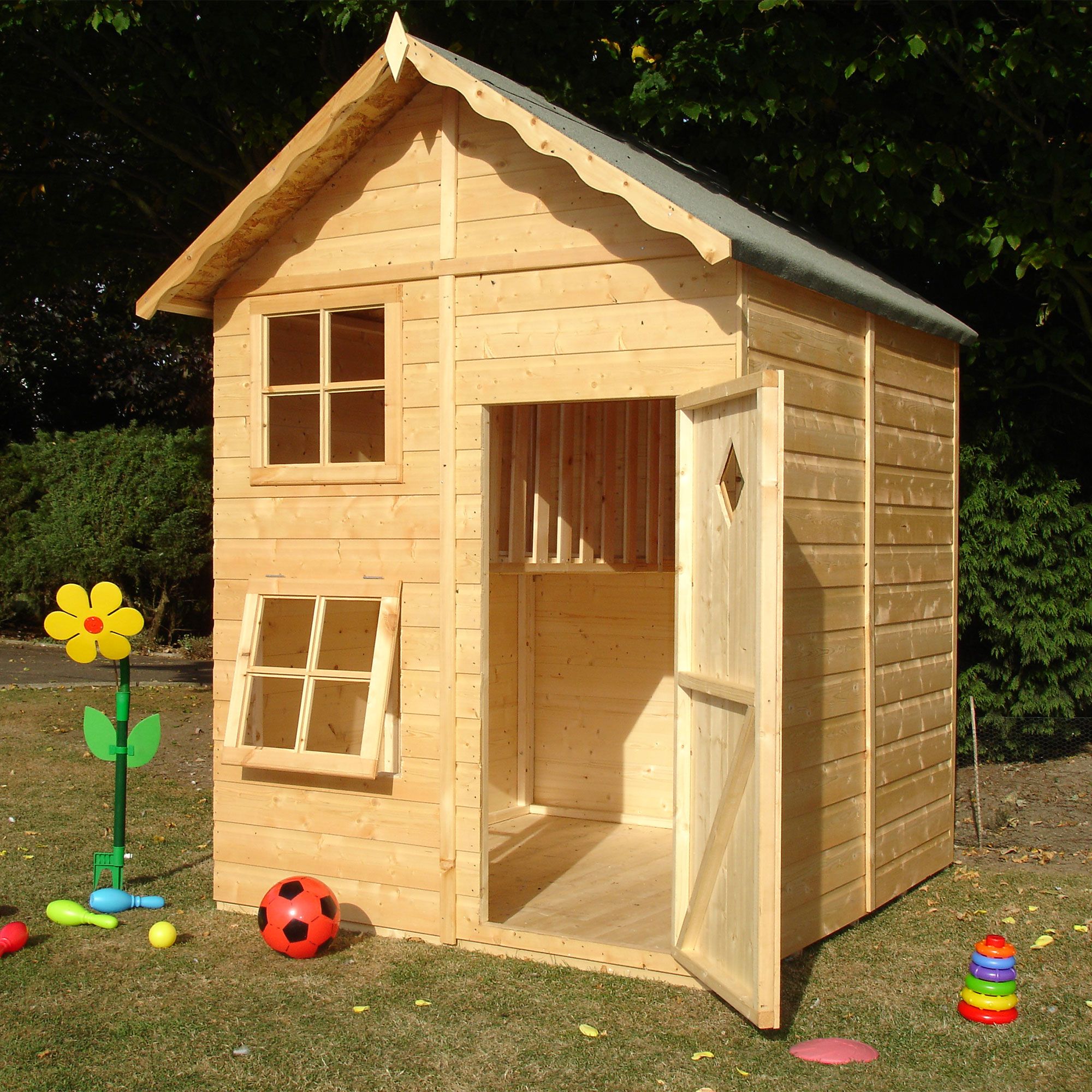
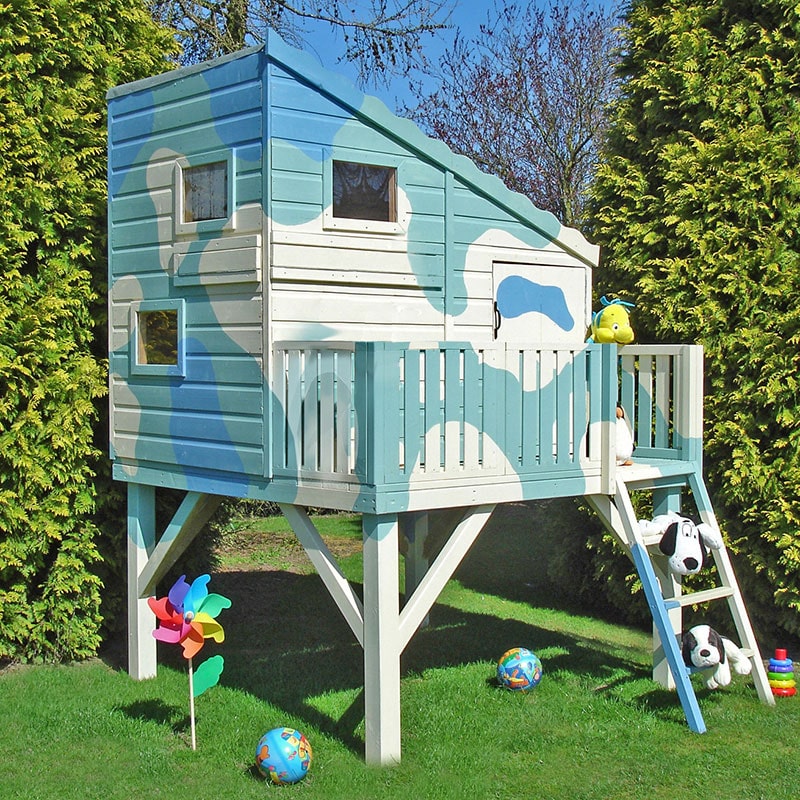
There are also mixed-style designs that borrow from both approaches. Some use timber for the main structure and add playful plastic elements, while others go for a more house-like frame with simpler parts. The difference is not only visual. Timber usually feels more anchored and decorative, while plastic can be more flexible if you want a fast, straightforward setup. Neither is automatically better; it depends on whether you want a feature that looks part of the garden design, or a playful spot that can be moved with less effort.
Cottage, cabin or teepee? Shape changes everything
Shape matters a great deal when choosing playhouses under £800, because the outline affects both the look and the way children use it. A cottage-style playhouse often has a pitched roof, small windows and a front opening that creates a familiar “home” feel. This suits imaginative play: shops, cafés, post offices, tiny family homes, all that sort of thing. A cabin-style playhouse usually looks a bit more robust and boxy, with straighter lines and a practical, den-like appeal. It can feel more enclosed and cosy, which some children enjoy for quieter play.
Then there are more playful shapes such as teepee-inspired or angular designs. These can bring a slightly different energy to the garden and may work well where the aim is more about an eye-catching play area than a miniature house replica. Some buyers prefer a low, compact profile because it can sit neatly on a patio or in a corner without dominating the space. Others want a taller roofline so children have more headroom and the playhouse feels less cramped. The right shape depends on whether you are prioritising pretend play, visual impact, or practical use of a smaller garden area.
What to look for in the layout
The interior layout is easy to overlook, but it can make a big difference. In this budget, a good playhouse may still offer a sensible standing area, a simple bench, a serving window, or a front door that opens and closes properly. Some designs are more open, which is nice if several children want to move around inside without bumping elbows. Others are more enclosed, which can work better for focused role play and a sense of privacy. If the category includes a front porch, side extension or raised platform, that changes how children enter and use the space, and can also create a stronger “little house” effect.
It is worth paying attention to the balance between exterior size and usable internal space. A playhouse can look generous from the outside but still feel tight inside if the walls are thick or the roof slopes sharply. By contrast, some simpler designs make very efficient use of the footprint. That efficiency matters if you want room for toy kitchens, tables, a few cushions, or just a bit more elbow room during playdates. For families with more than one child, even a small difference in width can affect how often the space gets used. Tiny detail, big impact.
Windows, doors and all the bits that shape the fun
Little features are often what turn a basic structure into a proper play space. Open windows encourage interaction with the garden, while shutter-style windows add that cottage feel and make pretend play a bit richer. A front door that opens widely can help with access, especially for younger children, and a side opening can make the layout feel less predictable. Some playhouses use cut-out windows instead of glass or acrylic panels, which keeps things simple and can suit a more rustic design. Others may include transparent sections that let in more light, making the inside feel less enclosed.
These features also influence the sort of play the house invites. A serving hatch, for example, naturally points towards café games, market stalls, or picnic shops. A tiny porch suggests a place to sit and chat, while a half-door can make the house feel like a genuine threshold between indoors and outdoors. Small things, yes, but they shape how the toy gets used day after day. If you want the structure to keep children interested, details that support role play matter nearly as much as size. Maybe even more, if I’m honest.
Garden size, footprint and how it sits in the space
Not every garden can take the same kind of playhouse, so the footprint deserves a proper look. In the under £800 range, you can find both compact and more substantial options, and the decision often comes down to where the playhouse will live. A smaller design can tuck into a narrow side return, a patio edge, or the end of a lawn. Larger versions may need a more open spot, but they can also become a focal point in the garden. The key is to match the structure to the space rather than trying to squeeze in a style that overwhelms the area.
It is also worth thinking about how the playhouse will sit alongside other garden features. If you already have a swing set, raised bed or seating area, a compact cottage or cabin shape may work better than something with a broader footprint. A lower profile can help maintain sight lines across the garden, which many parents appreciate. If you want the playhouse to feel like part of a wider outdoor zone rather than a standalone object, a design with clean lines and a balanced roof shape can be easier to place. That sort of fit makes the whole garden feel more intentional.
Age range, use and who it suits best
Playhouses under £800 can suit a broad age range, but different styles fit different stages of play. Younger children often enjoy simple spaces with easy access, clear openings and enough room for a few favourite toys. A lower threshold, wide door or uncluttered interior makes it easier for them to enter and leave without help. Older children may prefer something that feels a bit more private, with features that support make-believe games, secret meetings or a quiet corner away from the adults. Same category, different vibe.
If you are buying for siblings or for regular visits from friends and cousins, then a slightly larger internal layout makes sense. A playhouse that can handle more than one child at once tends to get used more often, because it supports group games instead of just solitary play. That said, a compact design can still be a better choice if your garden is small or you want to avoid a structure that dominates the outdoor space. The trick is to think about how the playhouse will actually be used, not just how it looks in a product photo. Easy to say, but worth doing.
Safety and build details buyers tend to check
In this price range, buyers often compare edge finishes, door clearance, window placement and the general feel of the build. Rounded edges and smooth surfaces can make a difference for younger children. Stable construction matters too, especially in timber designs where the assembly should feel firm and properly joined. A well-proportioned playhouse will usually give a more confident impression than one that looks too light or too flimsy, even before you look at the price. That confidence counts.
It is sensible to notice how the design handles light and ventilation. Bright interiors can feel more inviting, especially for children who might find enclosed spaces a bit much. At the same time, a playhouse that feels too open may not give the cosy hideaway effect that many children like. So there is a balance to strike between openness and shelter. Buyers who want a calmer, den-like space may go for fewer openings, while those who want an airy role-play zone may prefer larger windows and a more open front. Different child, different preference. Bit obvious, but true.
Style differences that change the mood
There is a surprising amount of personality in this category. A classic cottage look feels gentle and storybook-like, with soft lines and domestic details. A cabin style usually feels a touch sturdier and more versatile, especially if you want something that does not look overly themed. A bright plastic design can be cheerful and instantly playful, with bold colours that stand out in a busy garden. If you are leaning towards something more decorative, timber often gives you that warmer, more “real building” look.
The style you choose can also affect how long the playhouse feels appealing as children grow. A heavily themed design can be fun for a particular age, while a simpler shape may have broader appeal over time. Some families prefer a neutral shell they can personalise with toys, bunting or outdoor cushions, because that keeps the look fresh without changing the structure itself. Others want the playhouse to arrive with its own identity already built in. Both approaches work; it just depends whether you want to shape the story yourself or let the structure do more of the talking.
Useful buying tips for this budget
When comparing playhouses under £800, it helps to weigh up a few practical points rather than chasing the flashiest photo. First, check the usable floor area rather than only the external dimensions. Second, think about whether you want a more traditional timber finish or a lighter plastic option that suits changing spaces. Third, look at the shape of the roof and openings, because those details influence the feel inside far more than people expect. A neat roofline might seem like just a style choice, but it often affects headroom, light and the overall sense of space.
Another useful tip is to match the playhouse to the sort of play you want to encourage. For role play, a cottage with windows, a door and maybe a serving opening can be spot on. For quieter, hideaway-style play, a cabin or more enclosed house can be a better fit. If your garden is tight, compact footprint and smart vertical design matter more than extra decorative touches. If the playhouse is going into a larger lawn, you may have more freedom to choose a fuller shape or a stronger visual statement. And yes, it is okay to pick the one that simply looks right. That counts too.
Why this category keeps getting attention
There is a reason people keep browsing this band rather than jumping straight to the cheapest or the most expensive option. Playhouses under £800 can deliver the features that matter most without pushing into a level that feels like too much for a family garden. The range is broad enough to cover compact first playhouses, more substantial timber cottages, and lighter designs for flexible spaces. That variety means buyers can shop by shape, material, and use, not just price.
In a way, that is what makes this category so easy to recommend to anyone trying to balance fun with common sense. You can find a playhouse that suits a small garden, a bigger lawn, a quieter child, a social child, a traditional look, or a colourful one. The choice is less about finding a perfect answer and more about matching the right kind of structure to your family’s outdoor routine. Get that bit right, and the playhouse stops being just another garden item and starts feeling like part of the day.
A few final things worth comparing
- Material: timber for a garden-building feel, plastic for lighter placement and bright styling.
- Shape: cottage, cabin, teepee-inspired or compact box forms all create a different play mood.
- Windows and doors: these change light, access and the kinds of games children invent.
- Footprint: a smaller layout suits tighter gardens, while a wider base gives more room to move.
- Height and roofline: important for headroom, space perception and how the playhouse sits in the garden.
- Role-play features: serving hatches, porch details and open fronts can add more ways to play.
If you are narrowing down the options, think less about what looks busy and more about what fits your space, your children and the way the garden is actually used. A well-chosen playhouse under £800 can feel like a small retreat, a pretend home, a café, a clubhouse or just a spot where kids make up the rules as they go along. And that, really, is where the appeal sits.
[Sassy_Social_Share]