
Playhouses under £600 - Best Deals in UK!
Showing all 4 results
-
15% OFF: 6′ x 6′ Shire Jailhouse Kids Wooden Playhouse (1.79m x 1.79m) £539.9915%

-
6% OFF: 6×5 Shire Pixie Kids Wooden Playhouse £503.996%

-
6% OFF: 6×5’6 Shire Cubby Traditional Kids Wooden Playhouse £517.996%

-
6% OFF: 6′ x 4′ Shire Stork Kids Wooden Playhouse (1.69m x 1.7m) £503.996%

Playhouses under £600 bring proper garden fun without pushing the budget too far: wooden and plastic styles, compact footprints, lofted designs, and easy-to-size options for younger children, shared gardens, and smaller outdoor spaces.
Why this price band works so well
There’s a sweet spot in the under £600 range where you can still find a playhouse that feels like a real little retreat, not just a toy left on the lawn. In this category, buyers often get a choice between compact timber playhouses, plastic playhouses, and simpler garden buildings with child-friendly details. That matters because the shape, size, and finish can change how the playhouse fits your garden and how children use it day to day.
Compared with cheaper, very basic options, this price range often gives you more room to choose between a snug den, a taller cottage style, or a more open-fronted design. And because the cost stays below £600, it’s easier to match the purchase to your space instead of compromiseing on proportions, which is always a bit of a win when the garden isn’t huge.
Cottage, cabin, tower: the shapes that change the experience
The shape of a playhouse does more than alter the look. It changes the atmosphere inside, the kind of play it encourages, and how much floor space you’ll need outside it.
Bestseller der Kategorie Playhouses under £600
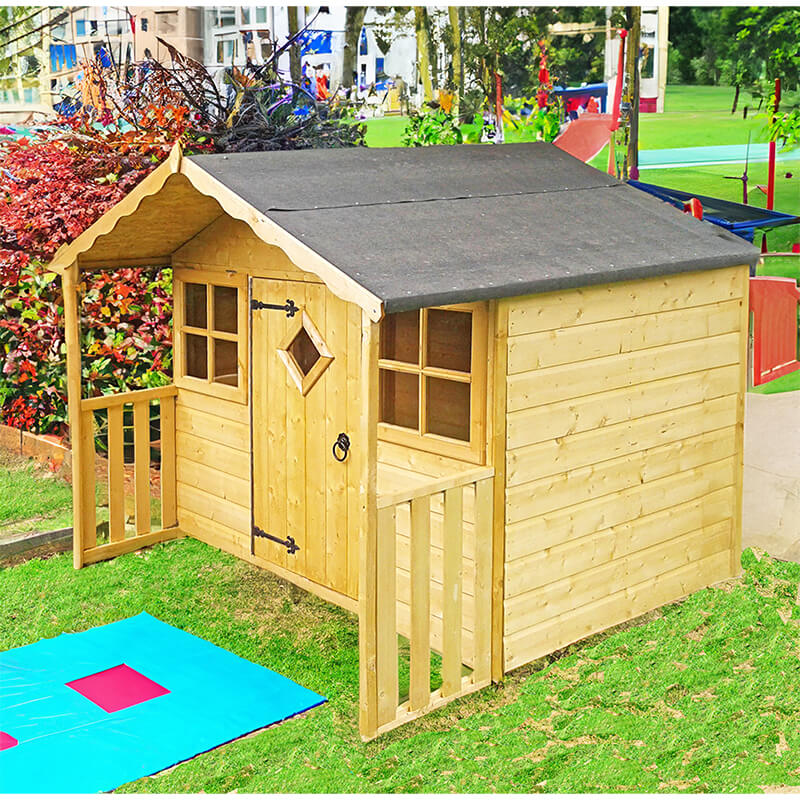
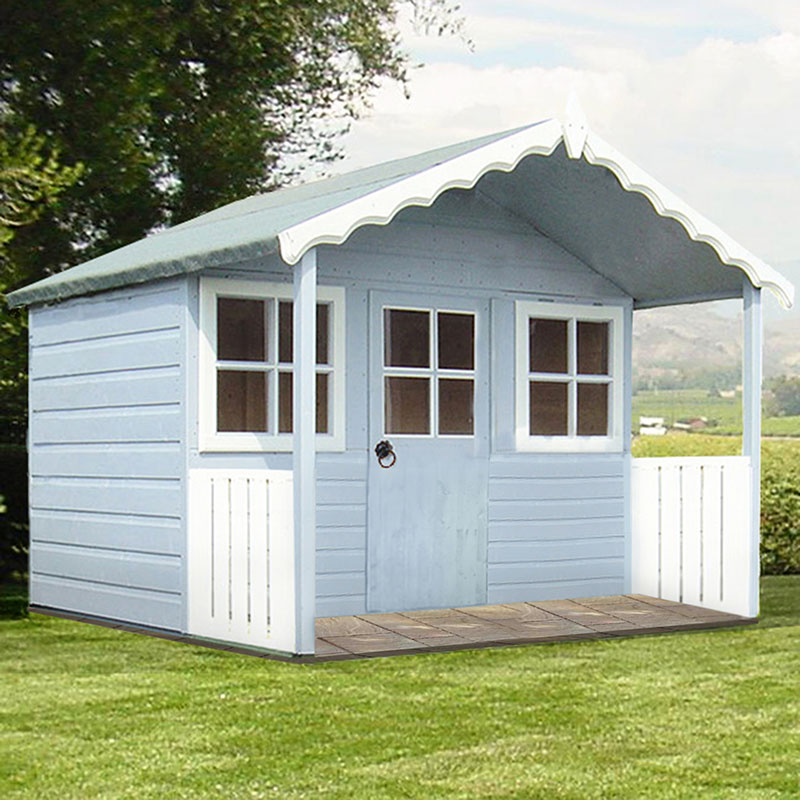
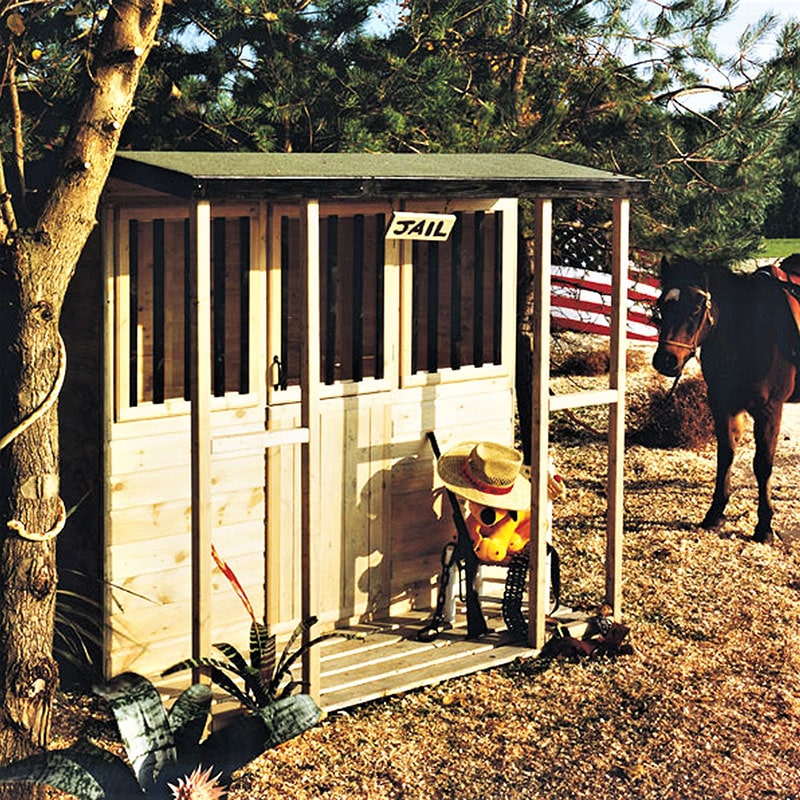
- Cottage-style playhouses usually have pitched roofs, windows, and a homely feel. They suit pretend shops, tea parties, and quiet role play.
- Cabin-style playhouses tend to look more boxy and practical, often with a simpler footprint. These are useful where the garden layout is tight and you want easy positioning near a fence or border.
- Tower or raised playhouses can create a sense of adventure even in a modest garden. Some sit higher off the ground or include a small platform, which gives children a different viewpoint and a bit more drama in play.
- Open-fronted designs feel more like a sheltered stage or nook. They’re handy for younger children who like visibility and easy access.
If you’re choosing between them, think less about what looks cute in a photo and more about how it will be used. A cottage shape might suit imaginative indoor-outdoor play, while a more compact cabin can work better if the garden also needs room for a trampoline, seating, or the washing line. It sounds obvious, but people do forget that the playhouse has to live somewhere.
Wood, plastic, and mixed builds: what feels different under £600
Material makes a noticeable difference in this category. Wooden playhouses often look more like a proper garden feature and can feel warmer and more natural. They usually suit buyers who want the playhouse to sit in the garden as part of the landscaping, rather than look like a temporary toy. You’ll see a variety of timber finishes, from plain natural wood to painted styles that give a more finished appearance.
Plastic playhouses, on the other hand, often lean towards light weight and straightforward styling. They can be easier to place and may feel a bit more casual, which works well for younger children or families who want a less fixed setup. In the under £600 bracket, plastic models often focus on easy access, bright colours, and simple play features rather than detailed joinery.
Some products use a mixed-material approach, combining timber elements with plastic fittings or decorative pieces. That can be useful when you want a sturdier feel without going for a more expensive full timber build. The key difference is not just appearance; it’s also how the playhouse fits into the rest of the garden. A timber style may blend in with fencing and plants, while a plastic style stands out as a clearer play zone.
Size matters, but not in the obvious way
When people shop for a playhouse, the first instinct is to think about height or whether a child can stand up inside. That matters, of course, but the more useful question is how the whole structure fits into your garden flow. A playhouse under £600 might be compact enough to sit neatly on a patio corner, or roomy enough to define a dedicated play area. Either way, you want to look at the external footprint, the access space around it, and how much open ground is left for movement.
Smaller playhouses are useful if the children are younger or if the garden is more of a shared space. They can feel cosy and manageable. Larger versions in this budget may offer a more developed play setting, but they also ask for better placement planning. The difference is not only scale, but how enclosed the play feels. A small model can feel like a hidden den; a wider one can feel more sociable and can hold a few children with less bumping about.
If you’ve got more than one child, or regular visitors, a slightly wider entrance and a sensible internal layout can make a big difference. A bench ledge, front opening, or side window might not sound dramatic, but these details shape how easily children can share the space without someone ending up stuck outside. It’s the little practical bits that often decide whether a playhouse gets used every day or only now and then.
Features that make the difference without adding fuss
In the playhouses under £600 category, the best features are usually the ones that support play without making the design feel cluttered. You’ll often see:
- Windows for visibility and pretend play, especially when children like serving, greeting, or running a mock shop.
- Doors that open and close, which help create that proper house-like feeling.
- Shutters or panel details that add a cottage look without needing a huge footprint.
- Small serving hatches or front openings, useful for role play and face-to-face interaction.
- Raised floors or small platforms on some models, giving the playhouse a different level and a bit more presence in the garden.
- Internal bench seating on some timber designs, which can help turn the space into a den rather than just a shell.
These features are useful because they create different kinds of play. A closed-in cottage can support quiet solo games, while a more open front encourages chatting, trading, and pretend customer service. It’s not just about what looks neat. It’s about what children can actually do with it.
Which style suits which kind of play
Different children gravitate towards different layouts, and the shape of the playhouse can steer that naturally. A traditional cottage design often works well for imaginative domestic play: cooking, hosting, reading, or running a mini home. A shop-front style suits role play that involves serving, buying, and passing things through the opening. A more enclosed cabin can become a hideaway, a secret base, or somewhere to sit with books and toys. A tower-like model often appeals to children who want a sense of height and a little adventure, even if the garden itself is fairly ordinary.
The point is not to choose the “best” style, but to match the structure to the kind of play your child already enjoys. If they spend hours pretending to run a cafe, a front opening makes sense. If they prefer private imaginative games, a side-entry cabin may suit them better. That small difference can mean a lot.
Useful buying checks before you commit
It helps to compare more than the front-facing image. A playhouse can look ideal online and still not be quite right for your garden. Before you buy, it’s worth checking:
- Overall footprint and whether there is room for access on all sides.
- Height, especially if the playhouse has a pitched roof or raised section.
- Entrances and window openings, because these affect how easy it is for children to use.
- Material finish, which changes the look against paving, grass, or planting.
- Internal openness, since some playhouses feel bigger inside than others even when the outside size is similar.
- Style consistency, if you want it to sit comfortably beside existing garden furniture or a shed.
It’s also worth thinking about where the playhouse will sit visually. A timber model can feel softer against shrubs and lawn, while a brighter plastic design may suit a more playful corner near a patio. Neither is better in every case; they just create different moods. And yes, the mood does matter when you want the garden to feel tidy as well as fun.
Why families keep looking in this bracket
There’s a practical reason the under £600 category stays popular: it gives enough choice to find something fitting, while keeping the decision grounded. You’re not paying for unnecessary complexity, but you’re also not limited to the most basic shell. That often means better proportions, more appealing details, and a design that feels a bit more “proper” in the garden.
It also opens the door to different ages and stages. Younger children may enjoy a low, simple house with big openings and easy access. Slightly older children may prefer a taller or more enclosed style that feels like their own space. And if siblings will share it, a design with a wider entrance or more usable floor area will generally work better than a narrow one, even if the outside looks lovely in photos.
For buyers, there’s a nice balance here: you can still be selective about shape, material, and play style without needing to stretch into a higher budget tier. That makes it easier to choose based on how the garden is actually used, rather than only on price.
Small garden, shared space, or a dedicated corner
The same playhouse can feel quite different depending on where it sits. In a small garden, a compact cabin or simple cottage style may work best because it leaves breathing room around it. In a shared family garden, a playhouse with an open front can keep things sociable and visible, which some parents prefer. In a dedicated play corner, you can usually choose a slightly more characterful design, since the space is already set aside for children’s use.
There’s also the question of visual weight. A tall roofline can make a model look more substantial, but it can also dominate a tight space. A low profile can be easier to tuck in without making the garden feel crowded. That’s one of those differences that doesn’t sound important until the thing is actually in place. Then it matters quite a bit.
What makes a playhouse feel worth the money
Worth is not only about how long something lasts; it’s also about how often it gets used and how well it fits the family’s routines. A playhouse under £600 feels like good value when it is simple enough for children to use independently, attractive enough to stay in the garden without looking out of place, and sized sensibly for the available space. Clear access, useful openings, and a style that matches how the children play all add to that feeling.
It also helps when the design does not overdo it. Too many features can make a playhouse look busy rather than inviting. The better options in this bracket often keep the structure straightforward and let the shape do the work. A neat cottage profile, a tidy cabin shape, or a playful open-fronted layout can be enough when the proportions are right.
Making the choice feel easy, not rushed
If you’re comparing playhouses under £600, try narrowing the choice by answering three basic questions: How much room do I have? What kind of play do I want to encourage? Do I want the playhouse to blend in or stand out? Those answers will usually point you towards the right shape and material faster than endless scrolling.
From there, the details become easier to judge. A cottage style brings a home-like feel, a cabin gives a neat and practical footprint, a raised design adds a little adventure, and a plastic build may suit a lighter, simpler setup. None of these choices are wrong; they just create different experiences.
That’s the appeal of this category. It gives you enough room to choose something that feels personal, without drifting into overcomplication. And when a playhouse fits the garden, fits the children, and doesn’t overtake the budget, it tends to make sense pretty quickly.
[Sassy_Social_Share]