
Playhouses under £500 - Best Deals in UK!
Showing all 7 results
-
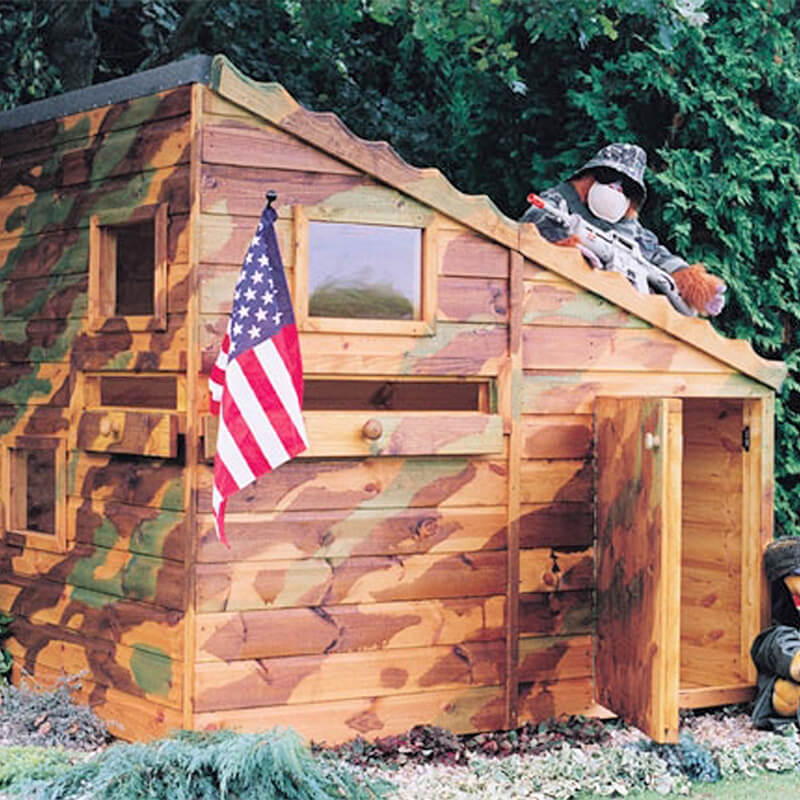
14% OFF: 6′ x 4′ (1.79×1.19m) Shire Command Post Childrens/ kids Wooden Garden Playhouse £419.9914%

-
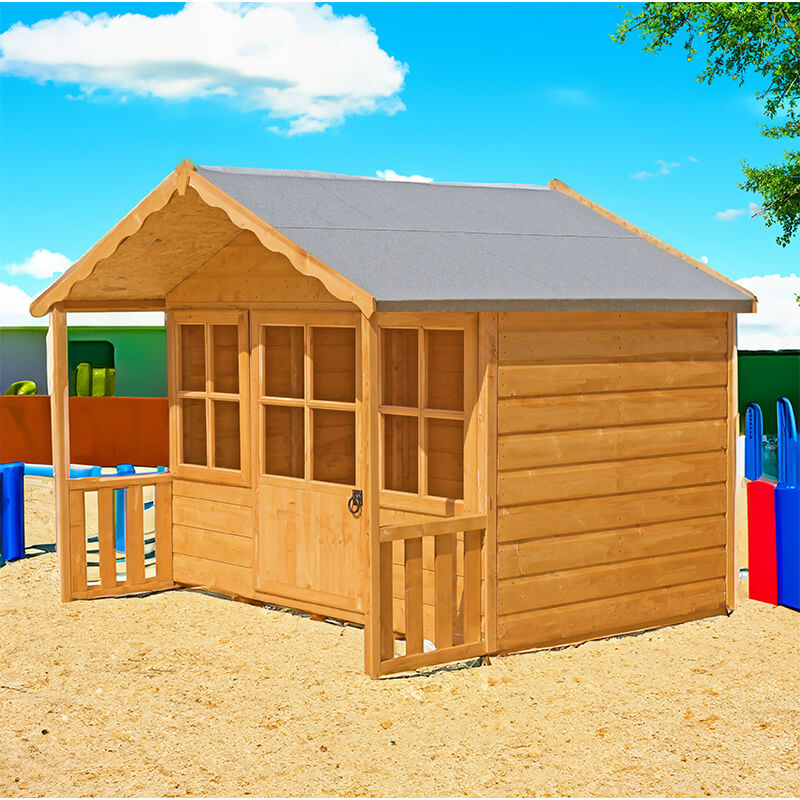
13% OFF: 6×5 Shire Pixie Kids Wooden Playhouse £469.9913%

-
12% OFF: 6×5’6 Shire Cubby Traditional Kids Wooden Playhouse £484.9912%

-
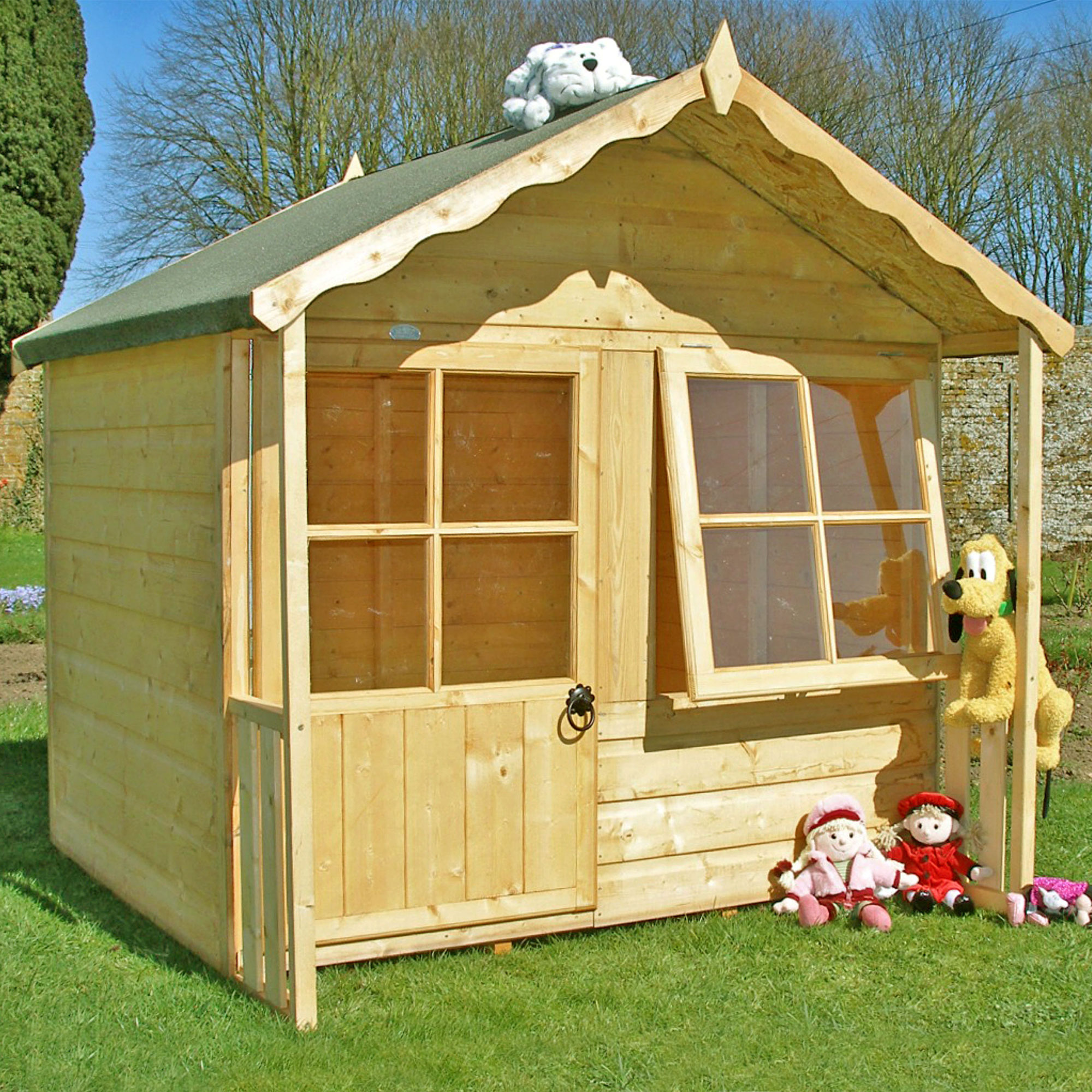
12% OFF: 5×5 Shire Kitty Traditional Kids Wooden Playhouse £449.9912%

-
7% OFF: 4×6 Shire Bunny Tower Kids Wooden Playhouse £465.997%

-
7% OFF: 5×5 Shire Kitty Traditional Kids Wooden Playhouse £473.997%
-
7% OFF: 6′ x 4′ (1.79×1.19m) Shire Command Post Childrens/ kids Wooden Garden Playhouse £454.997%
Playhouses under £500 bring the fun of a proper garden hideaway into reach, with wooden playhouses, compact plastic playhouses, and clever corner designs for smaller outdoor spaces.
What sits inside this price range
When you browse playhouses under £500, you’re usually looking at a mix of simple timber huts, raised-style play houses, and lighter-duty plastic or resin options that are made for easy use in family gardens. This price point is a bit of a sweet spot for buyers who want something with proper play value without moving into the more expensive, built-up garden structures. You can find choices that feel like a child’s own little room outside, but the detail level changes quite a lot from one type to another.
Some playhouses in this bracket focus on a classic look: a pitched roof, window cut-outs, maybe a little door, and enough standing room for young children to play shop, house, café, or den. Others go for a compact footprint, which matters if your lawn is not huge or if the garden already has a trampoline, storage box, or seating area taking up room. There are also designs that include extra features like serving windows, flower boxes, shutters, or mini verandas, which make the setup feel more complete without pushing the budget too far.
Shapes and styles that change the whole feel
The shape of a playhouse affects both how it looks and how children use it. A traditional cottage-style playhouse usually gives that familiar “little home” feel, with a pitched roof and a front-facing door. It’s easy for children to turn into a family house game, a post office, or even a little school.
Bestseller der Kategorie Playhouses under £500
Square and rectangular playhouses tend to be practical, because the inside space can feel easier to arrange. If there’s a toy tea set, a couple of chairs, or a small mat, the straight walls make it feel less cramped. Some buyers prefer this shape because it looks neat in a more formal garden, and it can sit well against a fence line or in a corner.
Tower-style or elevated playhouses are different again. They usually give the idea of a lookout point or mini fort, which suits children who like climbing up, peeking out, and pretending the garden is a big world below. These are often a better fit for active play, though they can use a bit more height and space, so it’s worth checking the proportions.
Then there are compact pods and more rounded or modern shapes. These are less about the “tiny cottage” look and more about a clean, contemporary feel. They can suit a garden where you want the playhouse to blend in rather than dominate everything. That said, the character of the playhouse changes a lot with the shape, so think about whether you want something storybook, practical, or a bit more modern.
Wood, plastic or mixed materials?
One of the main differences in playhouses under £500 is the material. Wooden playhouses are popular because they tend to have that proper garden-building look. They can feel more substantial and often come with details like framed windows, timber cladding, and opening shutters. The finish is usually more natural, which works well in a green setting and gives a softer look than bright plastic.
Plastic playhouses are usually lighter in weight and often easier to place in the garden. They can be a smart choice if you want a straightforward shape, simple assembly, and a design that feels friendly for younger children. Some people choose plastic because it can look less formal and more toy-like, which is useful if the playhouse is mainly for imaginative play rather than looking like a miniature building.
Mixed-material designs sit somewhere in between. You may find a timber frame with plastic accessories, or a wooden shell with lighter feature parts. These can give a nice balance: the structure feels more garden-like, while the extra bits keep the item practical and accessible. In this price band, mixed details are often where you get the most visual interest without going too far over budget.
Features that matter more than they first look
When buyers compare playhouses under £500, the little details often decide which one feels right. A window is not just a hole in the wall; it changes how children play inside. A full opening window can turn the playhouse into a shop, café, or ticket booth. A fixed window with moulded frames is simpler, but still adds to the feel of a proper little building.
Shutters are another detail that adds charm. They make the outside look more finished and can help some children create different pretend-play scenes, like opening the “shop” for customers or closing up for the night. Serving counters or small front ledges are useful too, especially for roleplay games involving food, tickets, letters, or pretend gardening items.
Internal standing space is easy to overlook when a playhouse looks cute from the outside. A taller doorway, slightly wider floor area, or a roof line that gives a bit more head height can make the whole thing more usable. If you have more than one child playing together, that extra room matters a lot. Not loads, but enough that one child is not constantly backing out of the door.
Also worth noting are floor panels, door style, and roof shape. A solid base can make the playhouse feel more defined, while a half-door or barn-style entrance changes how children move in and out. A pitched roof usually gives the classic look and helps the structure feel like a real building, while a flat or low roof can suit a more modern or space-saving design.
What different playhouse types are good for
Not every playhouse is trying to do the same thing. A roleplay-focused playhouse often works well for children who love pretending to run a shop, café, house, or school. These usually have the most obvious windows and counters, so the play can happen from both inside and outside.
A hideaway-style playhouse is a bit more private. It’s less about serving customers and more about having a den of one’s own. This can be a good choice for children who like quiet corners, reading, or inventing their own little world. The feeling of being tucked away is part of the appeal.
Adventure-style playhouses, including elevated or tower-like designs, often suit children who like climbing, looking out, and turning the garden into a map of places to explore. These are different from the cosy cottage type, because they bring in a more active, fort-like element.
Starter playhouses in this price range are usually simpler, and that can be a good thing. They may have fewer features, but they are often easier to fit into a small outdoor area and may feel less overwhelming for younger children. The trade-off is that they can offer less roleplay depth. So if you want a straightforward, no-fuss play area, the simpler style has real value.
Why the under-£500 bracket makes sense
There’s a clear reason many people focus on playhouses under £500: it gives a workable balance between budget and play value. You’re not usually paying for extra frills that are nice to have but not essential. Instead, you’re choosing from designs that still offer imaginary play, a sense of ownership, and a proper outdoor feature that children can return to again and again.
This budget often opens the door to a wider range of sizes than you might expect. You can look for a compact model that fits near a wall, or go for a larger footprint if the garden has room. That flexibility matters, because a playhouse has to fit the space as well as the money. It’s no use picking a pretty one if the gate path or patio already feels crowded.
The price range also helps if you want to choose based on function first. Maybe you prefer a plain design with a good layout. Maybe you want a child-friendly cottage look. Maybe you need something that does not take over the whole lawn. Within this budget, there are enough different kinds to compare properly, instead of settling for a single style.
Little differences that change daily play
Some playhouses invite children to play together, while others feel more like a private nook. That difference usually comes down to openings, size, and how visible the inside feels. A model with more windows and a front counter will naturally pull in more shared play, because one child can be inside while another pretends to order, deliver, or buy something from outside.
A more enclosed design can encourage quieter games. Children might use it as a reading spot, a secret base, or a mini retreat from the noise of the garden. That’s not a small thing. For some families, the appeal is less about big social play and more about giving children a place that feels their own.
Height also changes the mood. A lower playhouse can feel friendly and easy to enter, which suits younger children. A taller one can feel more like a proper structure, which often keeps older children interested for longer. Not every child wants the same thing, so the right choice depends on whether you’re looking for a first playhouse or something that still feels fun as they grow a bit.
Useful buying tips without the faff
- Think about who will use it most: younger children often suit lower, simpler designs, while older children may prefer a taller or more detailed playhouse.
- Check the footprint: a playhouse can look small in pictures, then take up more space than expected once it’s in the garden.
- Compare open sides versus enclosed walls: open designs are better for roleplay and easy supervision, while enclosed ones feel more like a den.
- Look at door style and window layout: these details affect both access and how the playhouse is used day to day.
- Consider whether the look should be classic, rustic, or modern: the shape and finish matter if the playhouse needs to sit alongside existing garden furniture.
- Think about one child or several: if more than one child is likely to play at once, a bit of extra space is worth having.
When a simple design is the right call
It’s easy to assume that more features always mean a better choice, but that’s not always true. In playhouses under £500, a simpler design can be a smarter fit if you want something that feels easy to place, easy to understand, and less fussy in the garden. A basic cottage shape with a couple of windows can still spark a lot of pretend play, without crowding the space or looking too busy.
Simple designs also work well when the garden already has other things going on. If there’s a climbing frame, seating area, or storage shed nearby, a neat playhouse may fit in more naturally than a bigger themed structure. The visual balance matters more than people sometimes think. A playhouse that looks calm and tidy can actually be used more because it feels part of the garden rather than something bolted on.
What makes one option feel more worth it than another
The sense of value comes from more than the price tag. A good playhouse in this range should feel like it offers enough play potential for the money, whether that means room for pretend shops, a secret den, or a small social space for siblings. If the design gives clear play cues, such as windows, counters, or a nice entrance, children often find their own uses very quickly.
Differences in finish also matter. Some buyers will prefer the warm look of timber, while others want the low-key practicality of plastic. Neither is automatically the right answer. It depends on whether you want the item to feel more like a small garden building or more like a ready-made toy space.
And then there’s the question of character. A playhouse with a strong shape and a few thoughtful details often feels more inviting than one that simply exists in the corner. That inviting look is part of the appeal, because it helps the child see it as their space. Not just a product in the garden, but somewhere games can actually happen.
A small garden space can still hold big ideas
If your outdoor area is tight, compact playhouses under £500 can still create a proper play point without swallowing the whole garden. Corner-friendly layouts, slimmer frontages, and shorter roof lines can all make a difference. In smaller spaces, the best choice is often the one that leaves room around it, so children can run, sit, or move toys nearby.
A more compact playhouse can also feel less intimidating for younger children. They can see everything at once, which helps them step into play more quickly. Bigger is not always the answer; sometimes a neatly sized structure gives better everyday use because it feels accessible from the start.
Choosing the look that fits your family
At the end of the day, the right playhouse under £500 is the one that matches how your children play and how your garden works. If you want pretend shopping and social games, go for windows, counters, and a front-facing design. If you want a calm retreat, a closed-in timber style may suit better. If active play matters most, look at raised or tower-like forms. And if you need something straightforward, a simple cottage or compact pod could be the better fit.
There’s quite a bit of difference between playhouses in this price band, even when they seem similar at first glance. That’s why it helps to compare shape, material, entrance style, and interior feel rather than just picking the first one that looks cute. A bit of thought here usually pays off in more useful play later on, and that’s the real point, isn’t it.
[Sassy_Social_Share]