
Playhouses under £400 - Best Deals in UK!
Showing all 4 results
-
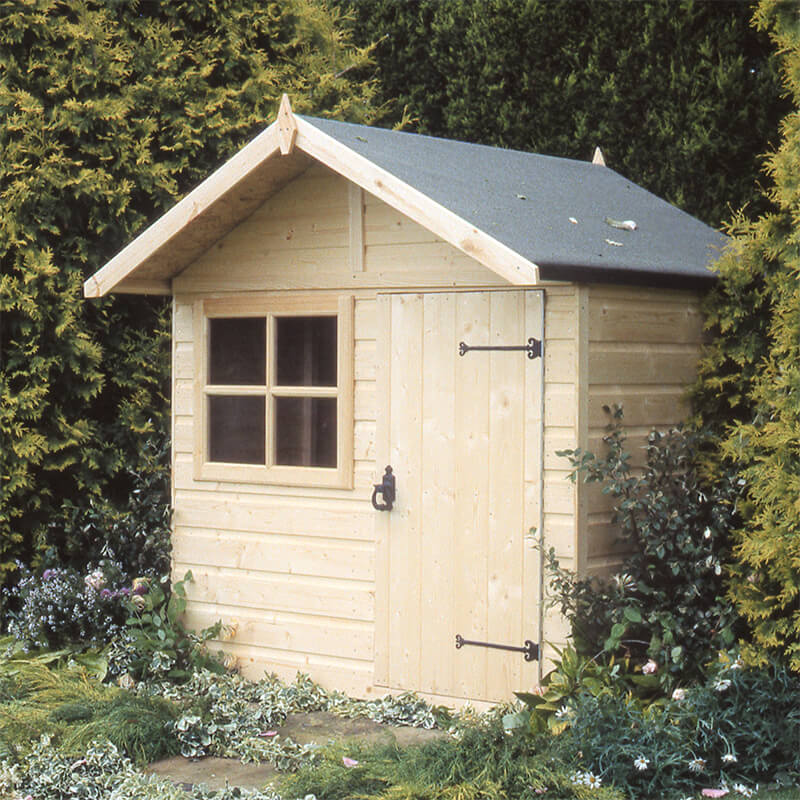
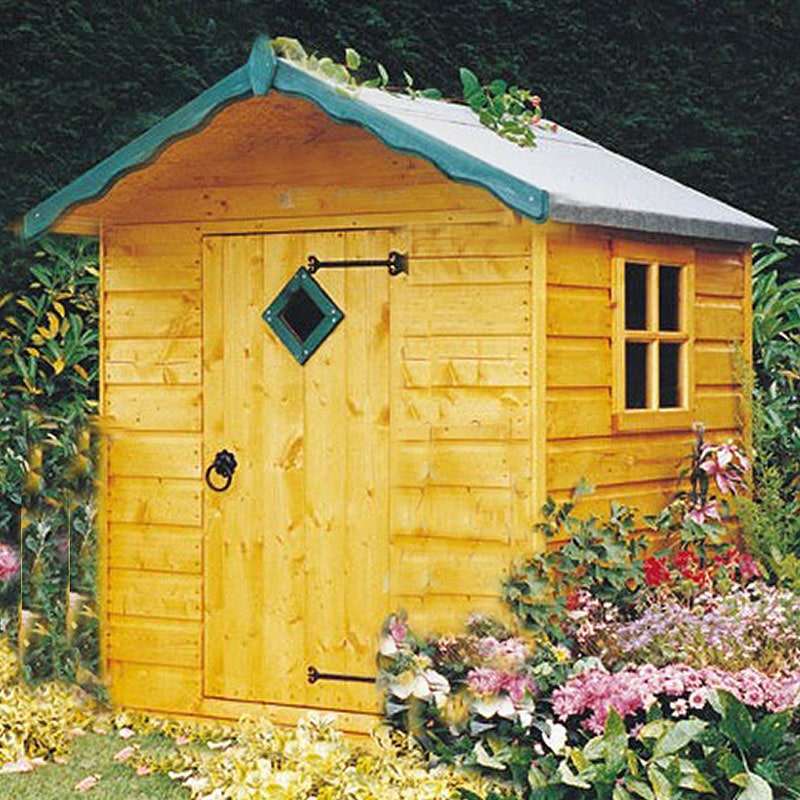
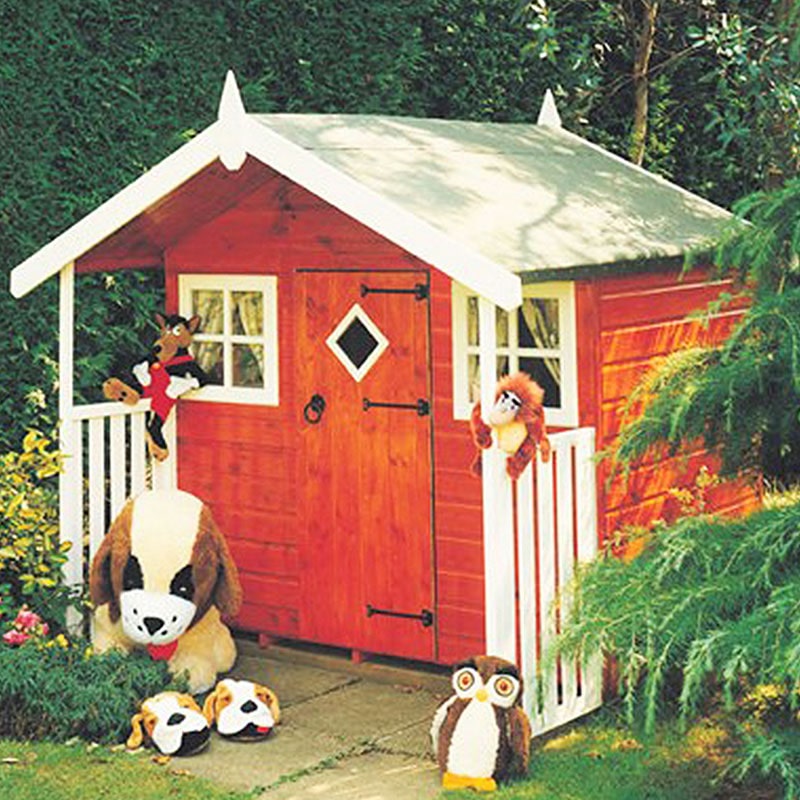
14% OFF: 4′ x 4′ Shire Hide Kids Wooden Playhouse (1.19m x 1.19m) £384.9914%

-
11% OFF: 6′ x 4′ Shire Hobby Kids Wooden Playhouse (1.79m x 1.79m) £388.9911%

-
10% OFF: 5’x4′ Shire Club Kids Wooden Playhouse £357.9910%

-
8% OFF: 4×4 Shire Bunny Traditional Kids Wooden Playhouse £321.998%

Playhouses under £400 bring compact garden fun, toddler-friendly designs and practical features into one budget. Compare timber, plastic and pop-up styles, plus space-saving shapes and buying tips.
Why this price band makes sense for family gardens
Playhouses under £400 sit in a very useful spot for many buyers. They give children a proper little space of their own without pushing the spend into the range of full-size outdoor structures. In this bracket, you will often see simpler timber builds, lighter plastic playhouses, and smaller footprint designs that work in narrower gardens or on patios. That makes the category handy for first-time buyers, smaller households, or anyone wanting a child-sized hideaway without overcommitting on size or price.
What stands out most is the balance between cost, footprint and play value. A house in this range can still offer doors, windows, shutters, climbing access, indoor seating space or pretend-play details, but the overall layout is usually more compact. That is not a drawback for many families. In fact, a smaller structure can feel more manageable, easier to position, and less dominant in the garden.
Timber, plastic and fabric: three very different feels
When browsing playhouses under £400, the material makes a big difference to the look and the play experience. Wooden playhouses usually feel more like a mini garden building. They tend to suit people who want a natural finish, a bit of weight, and a shape that blends into planting and fencing. These often come as simple cabins, corner huts or upright little cottages. They can look warmer and more traditional, though the finish and included features vary a lot.
Bestseller der Kategorie Playhouses under £400
Plastic playhouses are usually lighter, brighter and easier to move around. They often have moulded details such as pretend windows, little mail slots, or colourful doors. For younger children, this can be a very friendly style because the shape is simple and the pieces are easy to understand. They also tend to suit families who want a lower-fuss outdoor toy rather than something that feels like a mini building.
Fabric or pop-up playhouses are the most flexible in the category. They are often less rigid than timber or hard plastic, and that means they can be a neat choice for temporary setups, smaller gardens or occasional use. They do not feel the same as a fixed structure, but they can be charming for pretend play, quick set-up, and indoor-outdoor use when the weather changes. Different buyers will prefer different types, and it really depends on whether the aim is a garden feature or a toy that can be folded away.
Shapes that change how children use the space
The shape of a children’s playhouse under £400 can change how it feels in daily use. A simple square or rectangular playhouse usually offers the most straightforward interior space. It can be easier for two children to sit inside, set up toys, or use as a little reading corner. This shape often suits narrow gardens too, because the edges sit neatly against fencing or a wall.
Corner playhouses are worth looking at if the garden layout is awkward. They can tuck into an unused angle and make the most of space that would otherwise sit empty. That can be helpful when you want to keep the centre of the lawn open for running around. Some buyers overlook this type, but it is often a better fit than a standard front-facing hut when space is limited.
Turret, cottage and chalet-style playhouses add a stronger pretend-play feel. A cottage shape with a pitched roof, front door and window shutters gives children more of a role-play scene, while a chalet style can feel a bit more grown-up and cabin-like. These shapes are not just about looks; they also affect how children imagine the space. A little house with a recognisable roofline and door can become a shop, a café, a den or a post office without much prompting.
There are also tent-style and teepee-style play spaces in this budget. They are not traditional playhouses, but they still count for buyers who want a sheltered, themed play area. Their shape is more open and less enclosed, so they suit children who like easy access and a softer, more movable setup.
What you tend to get without stretching the budget
Within playhouses under £400, the included features are often chosen to keep the overall cost in check while still giving children enough to do. You may find opening doors, translucent or moulded windows, internal bench seating, a serving hatch, or basic decorative details that support role play. Some designs focus on simple entry and shelter, while others add a few more touches that make the house feel closer to a small garden room.
For wooden models, buyers often see a more basic shell with a roof, walls and openings, plus the option to personalise later. For plastic versions, the details are usually built in during moulding, so the look can be more playful straight away. Fabric versions may include printed panels, mesh windows or roll-up doors. Each type has different strengths, and the right one depends on whether you care more about a solid structure or a fun, lightweight play set-up.
Some budget playhouses also work well as a starter choice. If you are unsure how much use a child will get from a playhouse, this price range lets you test the idea without going too big. That matters for families with toddlers, shared gardens, or children who change interests quickly. It can be a sensible step before moving on to a larger outdoor feature later on.
Small-garden wins: why compact can be clever
A lot of people think a playhouse has to be large to feel worthwhile, but that is not really the case. Compact playhouses under £400 can be a very good fit for smaller gardens, especially where the lawn already has a swing set, slide or storage box. Because they take up less room, they leave more open space for movement, and that often makes the whole garden feel better arranged.
Smaller playhouses can also be easier to position near a patio, in a side return, or beside a fence line. Some families like that because adults can keep an eye on play without standing right next to the house. A compact design may also feel less intimidating for younger children, who can enjoy the idea of having their own space without stepping into something that feels too large or too enclosed.
There is another practical upside: the scale often suits more than one age group. A toddler may use the house as a den or hideaway, while an older child turns it into a shop, a school or a secret base. That kind of flexible use is part of what makes this category appealing, even when the design is fairly basic.
Differences that matter when comparing options
Not all playhouses under £400 are aiming for the same thing. Some are built mainly for role play, while others lean more towards shelter or visual appeal. A wooden cottage with a front door and windows feels different from a moulded plastic house with bright colours and rounded edges. One may suit a more natural garden setting; the other may suit younger children who want something bold and easy to use.
Another key difference is assembly style. Some playhouses come in panels or sections that create a more solid final result, while others are quicker to put together because they are lighter and simpler. This can affect both setup and placement. If you want something that stays put and looks like part of the garden, wood is often the preferred route. If you need something lighter and less demanding, plastic or fabric may be the better option.
Size inside matters too. Two playhouses may look similar from the outside but feel very different once a child goes in. One may have more standing room, while another may be snug and cosy. That can change how the playhouse is used. A snug house can work well as a den or quiet zone; a more open one can be better for pretend shops, tea parties, or group play with friends.
Buying tips that help you choose better
When comparing playhouses under £400, it helps to think about who will use it most. For younger children, a lower entrance, simpler shape and easy-to-open door can make the playhouse feel less awkward. For children who love make-believe, extra windows, a hatch or a classic cottage look may be more appealing than a plain boxy design. If two children are likely to use it together, check whether the interior space is likely to feel tight.
It is also worth thinking about how visible the house will be in the garden. Some buyers prefer a neat timber look that blends in, while others want a bright toy-like feel. Neither is wrong. The choice often comes down to whether the playhouse should sit quietly in the background or stand out as a feature. That small difference can change how satisfied you feel once it is in place.
Look at the shape of the roof too. A pitched roof can give a more classic playhouse feel and may also help the house look less flat from a distance. A flatter roof can save space and suit more modern tastes. If you are choosing between similar products, roof shape, doorway style and window layout can make one option feel much more fitting than another.
And it is sensible to think about the long term use, not just day one. A playhouse under this budget may start as a toddler toy and later become a den, reading spot or role-play café. If that sounds like your household, a more neutral shape may give you extra value over time.
Features that often make children stay interested
Children do not usually care about technical product descriptions; they care about what they can do with the space. That is why play features matter so much in this category. A functioning door, a little serving window, side windows they can peek through, or a porch-style front can all add to the sense that the house belongs to them. Even simple details can spark a lot of play.
For some families, the best choice is a house that leaves room for imagination rather than packing in too many extras. A plain little timber house can become a castle one day and a shop the next. For others, built-in details help the child engage faster. The important thing is that the design supports repeated use, not just a first burst of excitement.
Role-play friendly layouts are especially useful. A front-facing opening can encourage greeting games, while side windows can support cafe-style play or ticket booth games. A wider entrance helps children carry small toys in and out. These are not dramatic features, but they do make a difference once the playhouse is actually being used.
What feels different from one budget model to another
Even in the same price bracket, the feel can vary a lot. One budget playhouse may come across as a simple hideaway with basic walls and a roof, while another may feel more like a mini house with decorative touches and a stronger theme. Some are built for outdoor presence; others are more about play flexibility. That is why it helps to compare the style, not just the price tag.
The finish can also shift the whole impression. A natural wood finish can feel calm and garden-like, while bright plastic can feel lively and child-focused. Neither option is better across the board. It depends on the garden, the age of the child, and how much you want the structure to blend with the rest of the space.
In this range, you may also notice that some houses are better suited to one child at a time, while others can handle two or more children playing together. That is often down to floor space and doorway width rather than the headline dimensions alone. If shared play matters, that is worth checking carefully before buying.
Why this category keeps attracting practical buyers
Playhouses under £400 appeal because they sit between simple toys and bigger garden investments. They can create a clear play zone, support pretend games, and give children a sense of ownership over their own little space. At the same time, they remain more accessible than larger structures, which makes the decision feel less heavy.
For many households, that combination is the point. You get a garden feature that children can use in different ways, with enough variety in style to match the space you have. Whether you lean towards wooden cottage styles, compact plastic houses, or softer fabric play dens, there is usually a way to find something that fits without stretching the budget too far.
If you are comparing options carefully, focus on the kind of play the house encourages, the space you have available, and the look you want to live with in the garden. That approach tends to lead to a better choice than just picking the biggest house in the price band. A well-matched playhouse can earn its keep through everyday use, even if it looks modest on paper.
- Wooden playhouses for a more traditional garden look and a solid feel
- Plastic playhouses for lighter handling, bright colours and easy role play
- Fabric or pop-up playhouses for flexible use and smaller spaces
- Corner shapes for awkward garden layouts and tight spaces
- Cottage styles for classic pretend-play appeal
- Cabin or chalet shapes for a calmer, den-like feel
- Square layouts for straightforward interior space
- Simple designs for buyers who want value without too many extras
Choosing from playhouses under £400 is really about finding the right mix of shape, material and play value. When those parts line up, the result can feel just right for the child and the garden alike. That is the bit that often makes the purchase feel worth it, long after the first excited run inside.
[Sassy_Social_Share]