
Playhouses under £1000 - Best Deals in UK!
Showing all 4 results
-
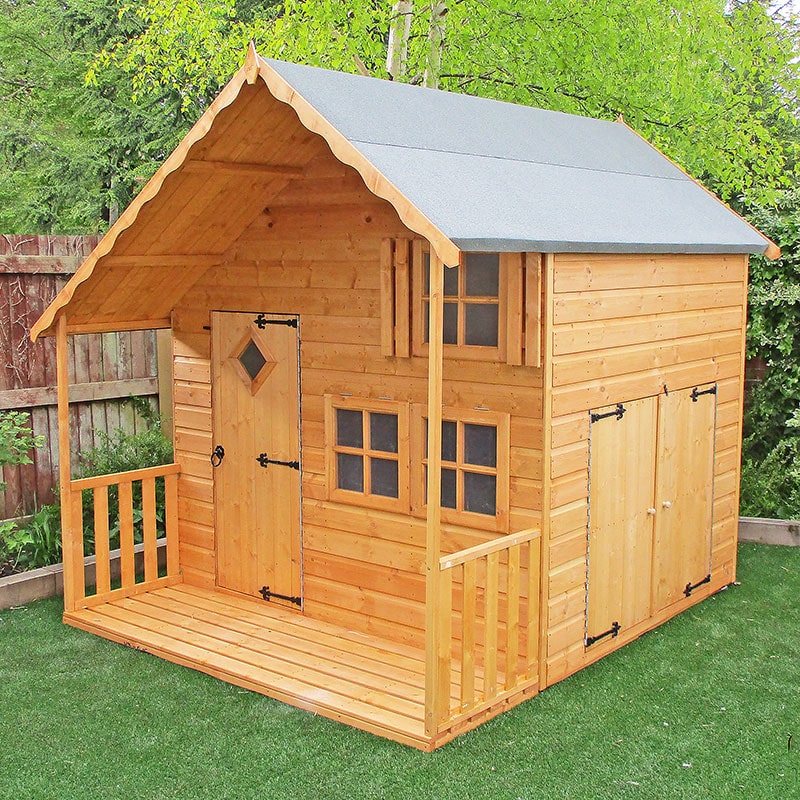
14% OFF: 6′ x 8′ Shire Cottage Kids Wooden Playhouse (1.79m x 2.39m) £969.9914%

-
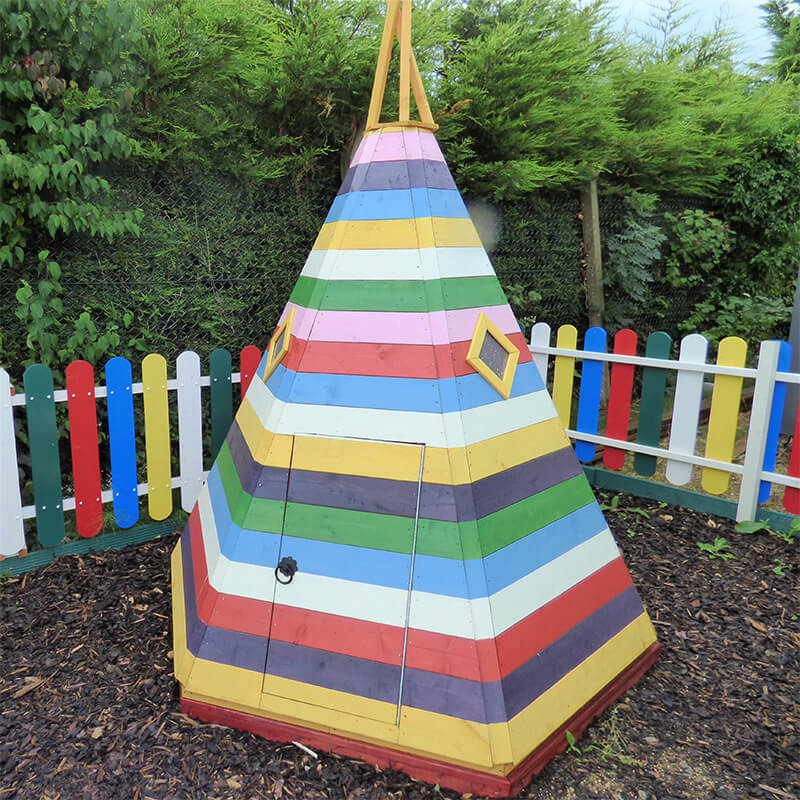
14% OFF: 7×6 Shire Wigwam Kids Wooden Playhouse £939.9914%

-
11% OFF: 7′ x 8′ Shire Crib Kids Wooden Playhouse (2.09m x 2.46m) £999.9911%

-
6% OFF: 8×5’6 Shire Loft 2 Storey Kids Wooden Playhouse £974.996%

Playhouses under £1000 bring timber, toy and garden space together for family-friendly play, with compact, raised and themed designs that suit smaller budgets, different ages and a range of outdoor layouts.
What sits in this price band
When people search for playhouses under £1000, they are usually looking at the point where a child’s hideaway starts to feel more like a real little building than a basic toy. In this range, you tend to find wooden playhouses, some flat-packed garden playhouses, and a few designs that mix a play den feel with practical garden structure. The build is often simple enough to keep the cost down, but there is still room for proper windows, doors, shutters and a choice of roof shapes. That mix makes this budget a sweet spot for buyers who want something more considered than a plastic play hut, without stepping into the price of a large bespoke build.
It is also a range where the differences matter. Two playhouses may cost similar amounts, but one may be better for a tight patio corner, while another suits open lawn space. One may be a snug toddler den, another a roomier hideout for older children who want to sit inside with books, toys or a small table. So the phrase under £1000 is less about one fixed style and more about a cluster of useful options, each with its own shape, size and feel.
Timber, plastic or mixed construction?
In this bracket, timber playhouses are usually the main choice. They bring that garden-building look, feel sturdy, and sit naturally among fencing, planting and sheds. Timber can be left with a natural finish or painted by the buyer, which gives a nice bit of flexibility if the playhouse needs to match the garden. You will also find some mixed-material designs, where timber frames are paired with plastic windows, moulded roof parts or pre-formed panels to keep assembly manageable and costs under control.
Bestseller der Kategorie Playhouses under £1000

Plastic playhouses do appear under £1000 too, though they usually sit at the smaller end or focus on bright, moulded detail rather than a more solid, cabin-like look. They are often lighter, easier to move and less visually heavy in a small garden. The trade-off is that they can feel more like a toy than a miniature room. For many buyers, that difference matters. If the aim is a child’s own garden retreat that blends in better with the outdoors, timber tends to win out. If the aim is quick setup and a low-fuss footprint, plastic can be a neat fit.
Shapes that change how play feels
The shape of a playhouse changes more than the look. It changes how children use it, where it sits in the garden and how much usable space it offers inside. A classic square or rectangular playhouse gives the most straightforward layout. These tend to be easier to furnish with a small bench, toy box or play kitchen, because the walls are regular and the interior corners are simple to use.
Corner playhouses make sense where garden space is awkward. They tuck into a boundary line or patio edge, using space that might otherwise be left empty. Their footprint can be surprisingly efficient, though the inside may feel more tucked-in than open. Then there are raised playhouses, which use stilts or a platform base to create a slightly more adventurous feel. These are often chosen for older children, or for gardens where the playhouse also needs to keep clear of damp ground or uneven turf.
Cabin-style playhouses usually lean toward a more grown-up garden look. With a pitched roof and wooden boards, they can look closer to a small outbuilding. By contrast, storybook-style or themed playhouses may have a playful roofline, a window box or painted detail that gives them character. The key difference is not only visual: themed designs often feel more imaginative, while cabin styles can blend better with a smarter garden scheme. Different families want different things, and that is fair enough.
Little details that make a big difference
When shopping for playhouses under £1000, the smaller details often decide whether a child uses it all the time or only now and then. Working doors matter because they set the tone. A stable, easy-to-open door helps children come and go without frustration. Windows also matter more than they first seem. A window with clear panels, open gaps or shutters changes the mood inside, bringing in light and helping the playhouse feel less shut away.
Internal headroom is another point worth checking. A cute exterior can hide a cramped interior, so buyers should look closely at whether children can stand, kneel or sit comfortably. In smaller playhouses, a low roof can be fine for younger children, but older children may want more space to share the den with a friend. Roof style also affects the feel: a pitched roof often adds a cosier indoor shape and a more recognisable house look, while a flat roof can suit a more compact budget build and reduce overall height.
Verandas and front porches often appear in this price range too. Even a tiny porch changes the way the playhouse is used, giving a place to pause shoes, toys or a little table. A veranda can also make the building feel larger without adding a huge amount of internal space. It is a clever detail, really, and one that often gets noticed by children straight away.
Why the budget matters for buyers
There is a practical reason playhouses under £1000 are popular: they let families choose something meaningful without going into a very high spend. This budget often covers a good balance of size, appearance and usability. It may not buy the most elaborate structure on the market, but it can still deliver the sort of play space that becomes part of daily garden life. That matters if the playhouse is meant to be used through different seasons, moved into different corners of the garden or shared between siblings.
Another benefit is choice. In this band, buyers can compare compact models, mid-size garden rooms for children and more decorative designs. That makes it easier to match the purchase to the garden rather than forcing the garden to fit the product. Some households need a playhouse that sits neatly beside a fence. Others want a stronger visual feature near a lawn or patio. A sensible budget helps the buyer focus on the right shape and proportion, not just the price tag.
Differences between toddler dens and older-child hideouts
Not all playhouses under £1000 are aimed at the same age group. Toddler-sized playhouses are generally lower, easier to supervise and designed with simple openings and smaller interiors. These are good for pretend play, quiet time and early role-play games. Their appeal often lies in the ease of access and the way they feel snug rather than grand. A toddler den does not need much more than a safe entrance, a few windows and enough room for a toy chair or basket.
Playhouses for older children usually need more internal room, stronger visual presence and a layout that supports longer play sessions. These might be the ones with a wider floor plan, a more upright door or a loft-like feel. Older children often use them as reading corners, pretend cafés, secret clubs or mini social spaces. That means the difference is not just size. It is about whether the building invites quick games or longer, more settled use. A playhouse that feels too small can lose appeal quite quickly, so it helps to think about how the child plays, not only how old they are.
Features worth looking for in this price range
Some features are especially useful when comparing playhouses under £1000:
- Pre-cut panels that make assembly more straightforward and keep the finish tidy.
- Shutters or window boxes for a more house-like appearance and a bit of character.
- Raised floors that help the playhouse feel more separate from wet grass or colder ground.
- Open-front designs for easy access and a less enclosed feel for younger children.
- Internal benches where the structure needs to double as a sitting or reading spot.
- Wide openings if the playhouse is meant for shared play or bigger toys.
- Compact footprints for smaller gardens, side returns or patio edges.
- Classic pitched roofs if you want the playhouse to look more like a small garden building than a toy.
How the budget shapes style choices
A budget under £1000 often means a buyer has to choose where to spend the detail. A more decorative front may mean a simpler rear panel. A stronger frame may come with less in the way of accessories. That is not a problem; it is just how this category works. Some playhouses focus on visual charm, with little extras like a porch, shuttered windows or a coloured door. Others focus on usable space, with more room inside and fewer ornamental bits.
That difference can help buyers narrow things down. If the goal is a garden centrepiece that also works as a child’s retreat, the decorative route may suit. If the goal is an everyday play space that can handle lots of use, the simpler and roomier route may be better. The important thing is to think about the playhouse as a small environment, not just a product. The right one should fit the garden and the child’s habits without feeling cramped or overfussy.
When size is helpful, and when it gets in the way
Size is often the most obvious comparison, but it should not be read in isolation. A larger playhouse under £1000 is useful if the garden can take it and if children will actually use the extra room. More internal floor space makes role-play easier and allows two or three children to sit together without bumping elbows. It also gives more freedom for props like toy kitchens, small tables or baskets of bits and bobs.
On the other hand, a smaller structure can be the better choice if the garden is narrow, if the playhouse needs to sit near other features or if the family wants something less visually dominant. Smaller playhouses are often easier to place in a way that feels natural. They can also create a more private, den-like atmosphere. Not every playhouse needs to be roomy. Sometimes the slightly tighter space is exactly what makes it feel special.
Practical tips before choosing
Before buying, it helps to think about how the playhouse will be used and where it will sit. Measure the garden space carefully, including any clearance needed around doors, corners or nearby fences. A structure that looks fine online can feel much larger once it is in the garden, so a tape measure is worth the effort. Also, check whether the playhouse needs a flat, even base or whether it can sit on turf with a suitable platform. That small detail can affect the feel and the fit quite a lot.
It is also worth thinking about how the playhouse will age in use, not in a maintenance sense, but in terms of play value. A very themed design might charm younger children right away, while a more neutral wooden style may stay useful as children get older. Some families prefer something that can be dressed up with toys and pretend-shop bits over time. Others want the structure itself to do most of the talking. Both approaches make sense, and both can work well under this budget.
What makes a purchase feel worthwhile
The best playhouse under £1000 is usually the one that fits the child’s way of playing, the garden’s shape and the family’s idea of what the space should feel like. A strong purchase often comes down to a few clear points: the right footprint, enough interior room, a shape that suits the setting and details that encourage daily use. It does not need to be overcomplicated. In fact, the simpler models can sometimes be the ones that children use the most, because they leave more room for imagination.
That is the appeal of this category. It offers a way to bring a proper children’s outdoor hideaway into the garden without pushing the budget too far. With the right mix of size, form and features, a playhouse can become a place for make-believe, quiet time and little shared adventures. And once it is there, it often ends up being used in more ways than the buyer first expected.
A quick checklist for comparing options
- Footprint — will it fit the chosen spot without crowding paths or planting?
- Interior height — can the child sit or stand comfortably?
- Shape — square, corner, raised or cabin-style?
- Style — plain timber, storybook, themed or more neutral?
- Openings — are the windows and door practical for the child’s age?
- Feel — cosy den, pretend shop, mini house or shared hideout?
Playhouses under £1000 cover a surprising amount of ground, from compact timber dens to more room-like garden hideaways. The right one is usually the one that suits the space, the age group and the kind of play you want to encourage, not just the one with the biggest footprint or the most bits on it.
[Sassy_Social_Share]