
Playhouses - discount offers - Best Deals in UK!
Showing 1–12 of 30 results
-
18% OFF: 5’3×5’6 Shire Croft 2 Storey Kids Wooden Playhouse £739.9918%

-
17% OFF: 4×4 Shire Bunny Traditional Kids Wooden Playhouse £289.9917%

-
15% OFF: 6′ x 10′ Traditional 2 Storey Kids Wooden Playhouse with Garage (1.83×3.05m) £2,019.0015%

-
15% OFF: 6′ x 6′ Shire Jailhouse Kids Wooden Playhouse (1.79m x 1.79m) £539.9915%

-
14% OFF: 7×6 Shire Wigwam Kids Wooden Playhouse £939.9914%

-
14% OFF: 6′ x 8′ Shire Cottage Kids Wooden Playhouse (1.79m x 2.39m) £969.9914%

-
14% OFF: 6′ x 6′ Shire Den Kids Wooden Playhouse (1.79m x 1.79m) £684.9914%

-
14% OFF: 4′ x 4′ Shire Hide Kids Wooden Playhouse (1.19m x 1.19m) £384.9914%

-
14% OFF: 6′ x 4′ (1.79×1.19m) Shire Command Post Childrens/ kids Wooden Garden Playhouse £419.9914%

-
13% OFF: 6×5 Shire Pixie Kids Wooden Playhouse £469.9913%

-
12% OFF: 6×5’6 Shire Cubby Traditional Kids Wooden Playhouse £484.9912%

-
12% OFF: 10′ x 8′ Traditional Swiss Cottage Kids Wooden Playhouse With Veranda (3.05mx2.44m) £2,719.0012%

Playhouses discount offers for gardens, patios and family spaces: compare wooden, plastic and modular playhouses, spot the right size, shape and features, and find a playhouse that fits your space and budget.
Discount playhouses with real choice, not just lower prices
When people look for playhouses on discount, they are often after more than a small saving. They want a design that suits the garden, a format that children can use easily, and a price that makes sense without cutting out the features that matter. This category brings together reduced-price playhouses in different styles, so it becomes easier to compare materials, shapes, and layouts side by side.
The best part of shopping in a discount range is that it opens up choices that might otherwise feel out of reach. You may find a more finished wooden design, a compact plastic playhouse, or a larger structure with added play detail, all at a more approachable price. That means a buyer can think beyond “cheap” and focus on value: what is included, how it fits the garden, and whether it suits the age and habits of the children using it.
Wooden, plastic, and modular: the main playhouse types
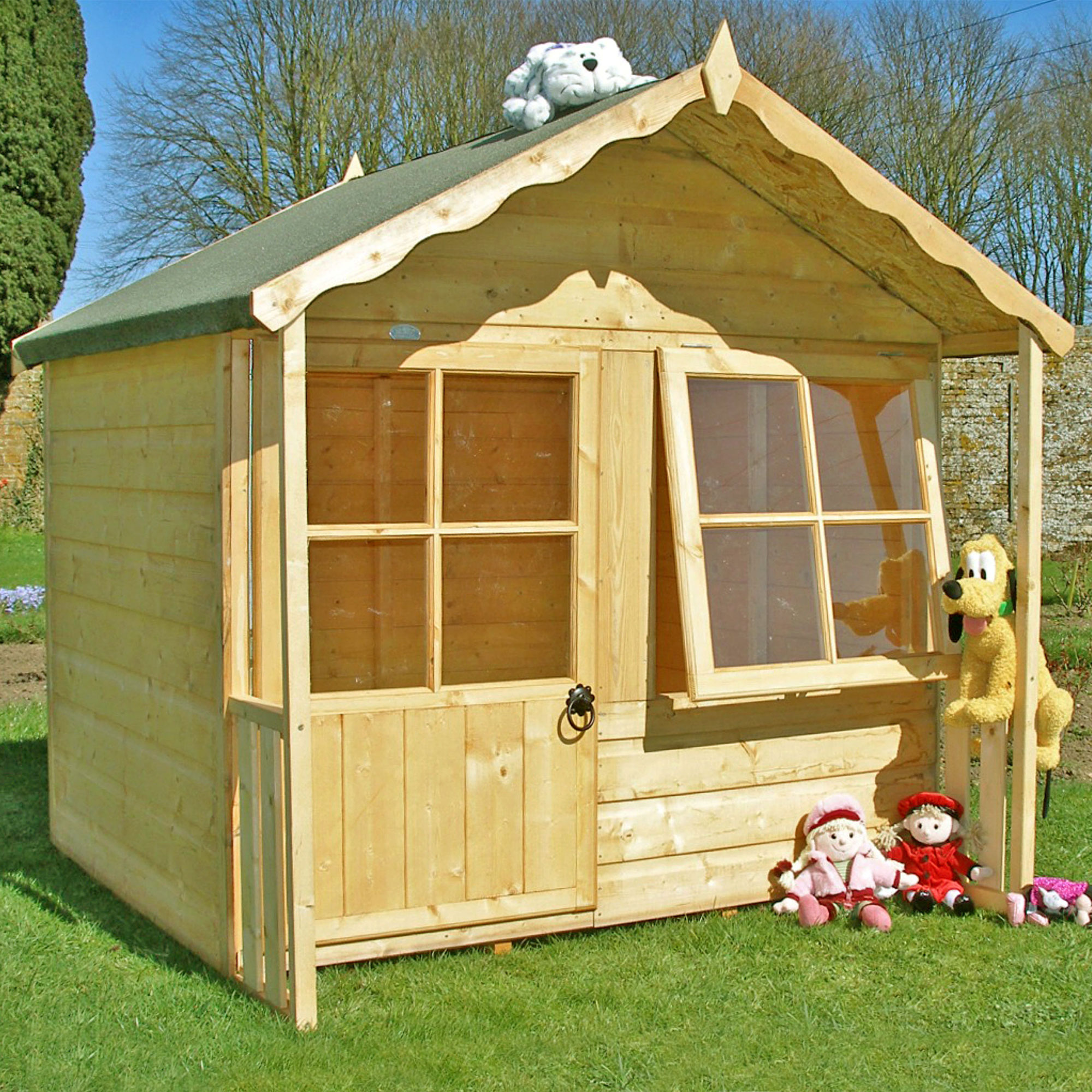
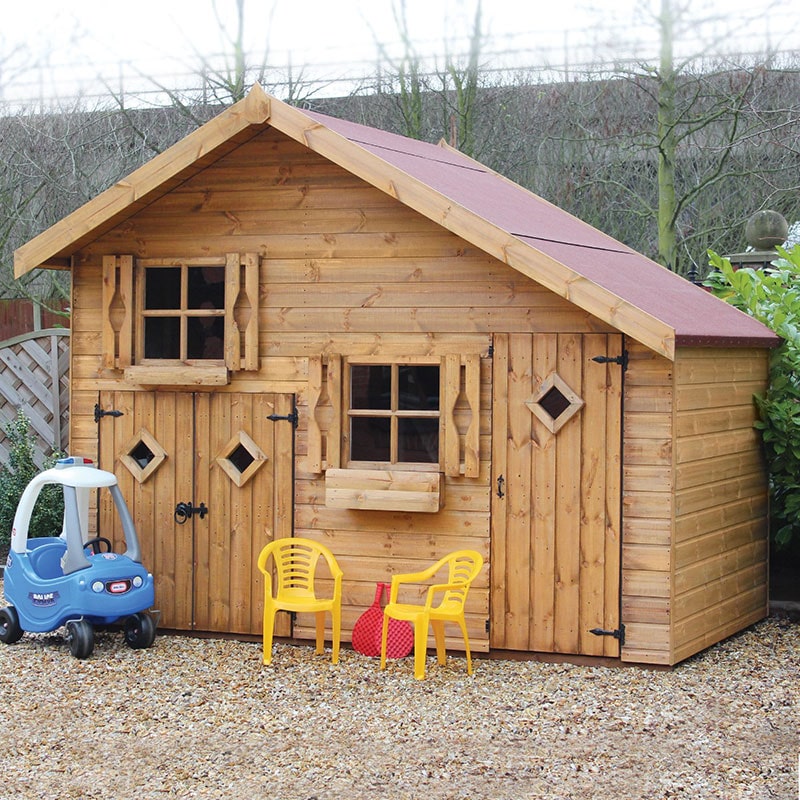
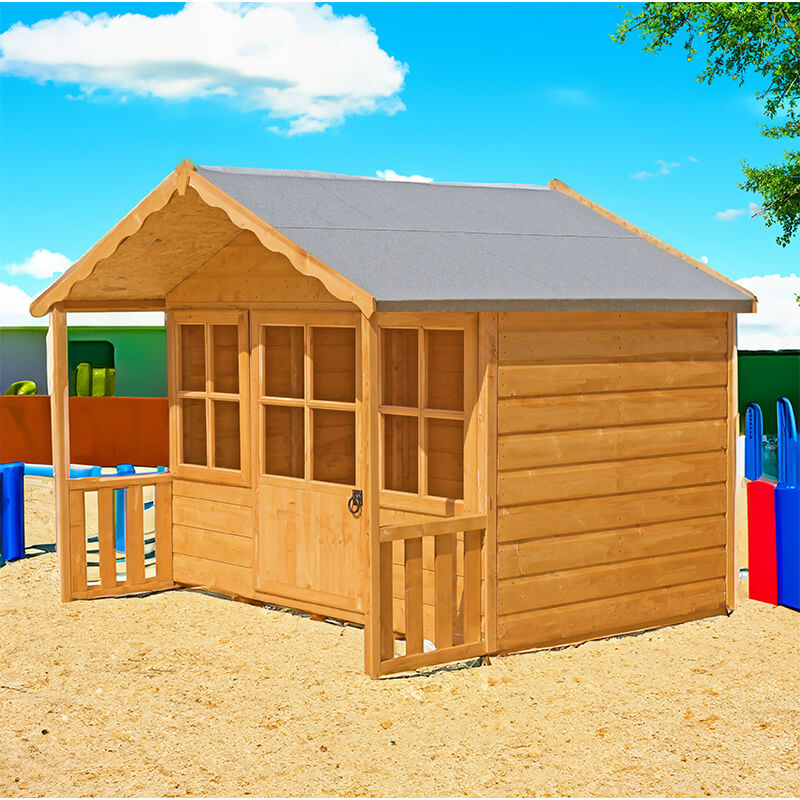
Wooden playhouses are often chosen for their natural look and their place in a garden setting. They usually feel more like a small outdoor room, which can make them appealing for families who want something that blends with planting, fencing, and patio areas. In discount offers, wooden playhouses can vary a lot in shape, from simple square huts to cottage-style designs and larger cabin-like forms. The difference is often in the finish, the roof style, and the level of detail around windows and doors.
Bestseller der Kategorie Playhouses - discount offers
Plastic playhouses are another common option, especially where ease of handling and a lighter frame matter. They are often simpler in appearance, but that can be an advantage if the aim is a bright, practical space for younger children. Discount plastic playhouses may come in more compact footprints, with bold colours, rounded edges, and easy-entry openings. For many families, that means a playhouse that feels quick to place in the garden and easy to fit into smaller spaces.
Modular playhouses sit somewhere between basic and highly featured. They may offer extra layout options, mixed play functions, or a more flexible structure. In discount offers, modular versions can be useful if the buyer wants room to grow into the product. A modular format can also create clearer differences between zones, such as a front play area, a side opening, or an internal space that feels more like a little house than a toy.
Shapes that change the whole feel
Shape matters more than many shoppers expect. A cottage-style playhouse tends to look friendly and familiar, with a pitched roof, defined front wall, and window cut-outs that give it a classic garden-house feel. It works well when the buyer wants a softer, home-like appearance rather than a toy that looks overly bright or bulky.
A cabins-style playhouse often gives a more enclosed, grounded impression. These are useful when you want a structure that feels slightly more substantial and less decorative. They can suit older children nicely, especially if the room inside is used for role play, reading, or just sitting with friends.
Square or rectangular playhouses are usually easier to place against fences, walls, or in corners of the garden. Their straight edges make them practical if the available space is limited or a little awkward. This shape also tends to make internal space feel more usable, since there is less wasted area around angled walls.
Corner playhouses are less common, but they can solve a real problem: how to use an area that would otherwise stay empty. They can work well in gardens where the play zone needs to sit neatly into one part of the layout, leaving the rest free for seating or planting.
Features that add value without pushing the price too far
In discount ranges, features are often the key thing to compare. A lower price may still offer opening windows, a working door, a veranda-style entrance, or a raised platform feel, depending on the design. Some playhouses focus on the basics: shelter, imaginative space, and a simple structure children can use every day. Others add more detail, such as flower-box style fronts, peaked roofs, or shaped cut-outs that make the house feel more like a tiny home.
For buyers, the important thing is not to chase every extra feature, but to notice which details support play. A window can make pretend shop games or house games easier. A door that opens and closes properly gives children a stronger sense of entering “their” space. A small porch or step area can make the front of the playhouse feel more inviting, though it also changes the footprint, so it is worth checking the size against the available space.
Some reduced-price playhouses are intentionally simple, and that can be a good thing. A cleaner design may mean fewer parts to compare and a more flexible play space. Children often bring the detail themselves through imagination, so the structure does not need to do all the work. Still, if the aim is to create a feature in the garden, then decorative touches, different roof lines, and more defined panels can make a noticeable difference.
What makes one discount offer different from another
Not every discount means the same thing. One offer may be based on a straightforward price reduction, while another may reflect a change in size, a simpler finish, or a different level of detailing. That is why it helps to compare playhouses by dimensions, style, and included features rather than just the headline price. Two playhouses can both be “on offer” but still suit very different gardens and age groups.
One difference is the use of space. A smaller playhouse can be easier to position and may suit toddlers or younger children well, while a larger one gives more room for friends, toys, and extended pretend play. Another difference is the feeling of openness. Some designs have wide fronts and large windows, which make them feel airy and social. Others feel more enclosed, which can be attractive for quiet play or a more sheltered corner in the garden.
Material also affects the buying decision. Wooden designs often offer a richer look and a more defined structure, while plastic options may be easier to place and more straightforward in shape. Neither is automatically better; it depends on whether the shopper wants a more garden-led appearance or a more casual, child-first play object. Discount offers make it easier to choose based on these practical differences, rather than on budget pressure alone.
Picking the right size for the garden you actually have
The size of the playhouse should match the space around it, not just the space in it. A playhouse that is too large can dominate a small garden and make the surrounding area feel tight. A more compact design can leave room for movement, seating, or other outdoor bits, and often gives the garden a better balance. This is especially useful where the playhouse is meant to sit near a path, patio, or lawn edge.
For smaller gardens, look for compact footprints, simple roof lines, and designs that do not rely on wide porches or extra side sections. In tighter areas, a vertical feel can help the playhouse still look substantial without taking over. In larger gardens, there is more freedom to choose a house with a wider front, additional detailing, or a stronger presence overall.
It also helps to think about how children will move around it. A playhouse placed too close to a wall may lose some of its charm if one side feels hidden away. On the other hand, a well-placed corner playhouse can turn an unused spot into something purposeful. The trick is balancing the structure itself with the open area around it, so the playhouse feels like part of the garden rather than something squeezed in.
Why playhouse style changes the kind of play it invites
The shape and front layout of a playhouse can quietly influence how children use it. A front-facing house design often invites role play around “home”, “shop”, or “café” themes. Clear windows and a central door help with pretend visits, serving, and simple back-and-forth play. A more closed cabin style may encourage quieter play, storytelling, or solo time, especially if the child likes to create their own little world inside.
Bright plastic designs often feel energetic and immediate, which can be a good match for younger children who want easy access and obvious entry points. Wooden cottages and cabin forms tend to feel a bit more defined, which can make them attractive for older children who want a space that feels like it belongs to them. Neither style limits imagination, but the atmosphere is different, and that difference can matter a lot in everyday use.
If siblings will share the playhouse, then the opening size and interior feel become more important. A larger front opening or wider layout can reduce the sense of crowding. If the playhouse is mainly for one child, a smaller, cosier shape may actually be better because it gives a clearer sense of ownership and comfort.
Buying tips that help you spot proper value
When browsing discount playhouses, it pays to look beyond the most obvious number on the price tag. Check the overall size first, then compare the style and shape against the garden space. After that, look at the visible features: windows, door style, roof form, side panels, and whether the design feels open or enclosed. These details often tell you more about usability than a short product title does.
It is also wise to consider the age range the playhouse seems suited to. Younger children often do well with lower, simpler structures that feel easy to enter. Older children may prefer a house with more presence, more internal room, or a design that feels a bit more “their own”. A playhouse that is too basic may be outgrown quickly, while one that is too large can feel excessive if the intended users are still small.
Another useful point is whether the playhouse feels like a feature in its own right or more like a plain play item. Some buyers want a structure that adds shape and character to the garden, especially if it will stay visible year-round. Others just want a straightforward space for play. Discount offers can suit both aims, but only if you know which type of product you are comparing.
What shoppers often like most about a reduced-price playhouse
One clear advantage is that discount offers make it possible to move from “thinking about it” to actually choosing a playhouse that fits. Families often find that a reduced price lets them pick a better size or a more suitable material than they first expected. That can make the final choice feel more settled and less like a compromise.
Another plus is variety. Discount sections often bring together different styles in one place, which makes comparisons easier. You can move between a small garden cottage, a plastic hideaway, or a more structured wooden design and immediately see how each one changes the feel of the garden. For many buyers, that comparison is where the decision becomes clearer.
There is also a practical benefit in choosing a playhouse that feels right without overspending. Children rarely judge value the same way adults do; they respond to the doorway, the windows, the sense of enclosure, and whether the playhouse feels like a place of their own. If a discount offer delivers those basics with a design that suits the garden, then it already has a strong appeal.
A final look before you click add to basket
Before buying, ask a few plain questions: Does the shape suit the space? Is the style right for the children using it? Are the features useful, or just decorative? If the answers line up, the discount is probably doing the job properly. A good playhouse does not need to be complicated. It needs to fit, feel inviting, and offer a space children will keep coming back to.
In this category, the best picks are often the ones that balance price, size, and character. A simple square playhouse can be the right choice for a neat corner. A cottage design may suit a garden where appearance matters. A plastic model can be a practical option for easy placement and younger play. And a more substantial wooden house can bring a stronger presence without needing a premium price.
So, when comparing playhouses discount offers, it helps to think in terms of fit and feel rather than only savings. The right choice is the one that works with the garden, suits the way children play, and offers enough detail to make the space feel special, without asking for more than it should.
- Wooden playhouses for a more natural garden look
- Plastic playhouses for lighter, simpler placement
- Cottage styles with a homely, classic shape
- Cabin-style designs for a more enclosed feel
- Square and rectangular forms for easier positioning
- Corner playhouses for awkward or unused spaces
- Opening windows and working doors for better pretend play
- Compact sizes for smaller gardens and younger children
- Larger layouts for shared play and a roomier feel