
plastic Summerhouses - Best Deals in UK!
Showing all 2 results
-
15% OFF: 10’3×6’5 Shire Blenheim Wooden Summer House With Bi-Fold Doors £1,559.0015%

-
15% OFF: 10’3×8’4 Shire Blenheim Wooden Summer House With Bi-Fold Doors £1,739.0015%

Plastic summerhouses offer a practical, low-fuss way to add a bright, usable space to the garden, with shapes, wall styles and glazing options that suit storage, seating and year-round flexibility.
Lightweight Looks, Garden-Friendly Practicality
A plastic summerhouse is often chosen for its easygoing mix of simple assembly, weather-resistant materials and a finish that keeps its shape without the heavier feel of timber. For many buyers, the appeal is not only about looks but also about how neatly these buildings fit into smaller plots, side returns and tucked-away corners. Because the structure is made from plastic or plastic-based panels, it can feel less demanding than a traditional wooden summerhouse, while still giving the garden a clear focal point.
What makes this category especially interesting is the range of designs available. Some styles lean towards a compact storage room with a small seating area, while others are closer to a light garden retreat or hobby room. The difference is often in the panel thickness, roof style, window layout and the amount of internal space you actually get. That means the same category can suit people looking for a neat spot for chairs and cushions, as well as those who want a smarter place for potting, reading or casual entertaining.
Shapes and Styles That Change the Whole Feel
Plastic summerhouses come in a few common forms, and the shape has a bigger effect than many buyers expect. A pent summerhouse tends to sit well against a fence or wall, with a sloping roof that gives a tidy, space-saving profile. A apex-roofed version creates a more classic garden-building look, with a central ridge that often gives a little extra head height and a more traditional silhouette. Then there are corner summerhouses, which make clever use of awkward spaces and can open up the centre of the garden rather than closing it off.
Bestseller der Kategorie plastic Summerhouses
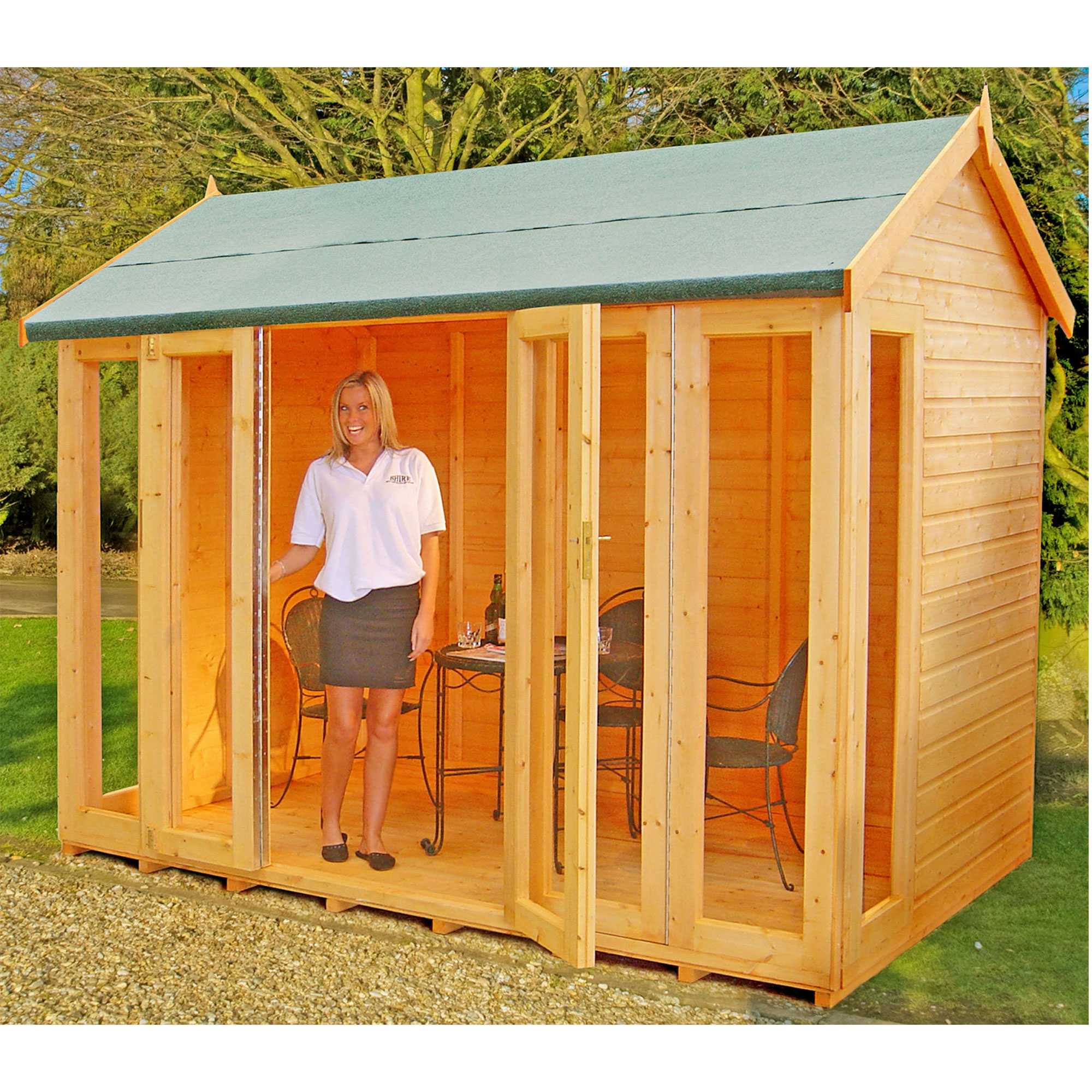
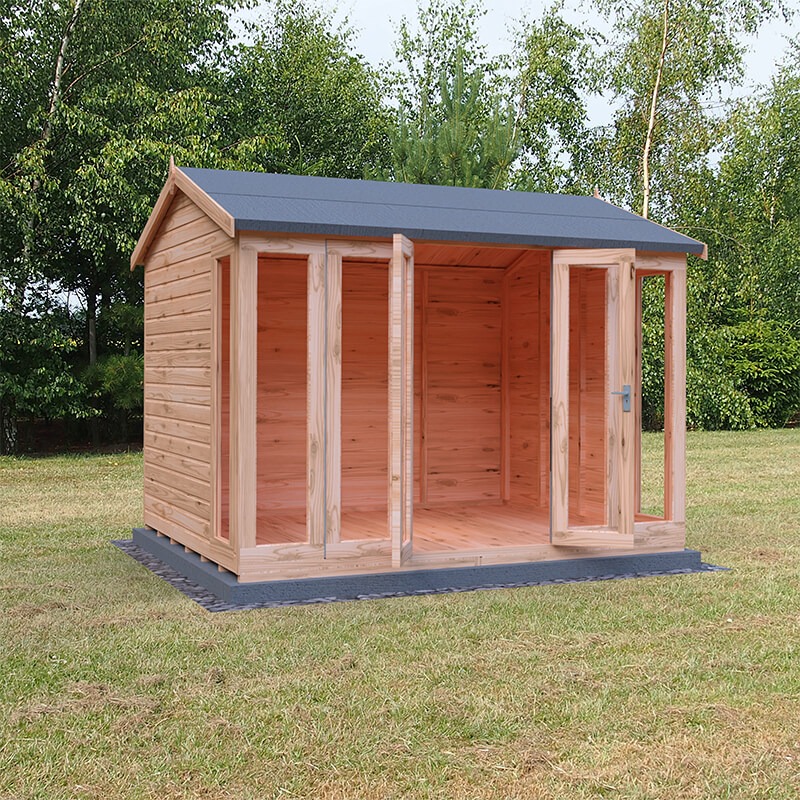
There are also more compact pod-style and modular designs, where the build feels clean and modern. These can suit contemporary gardens especially well, with straight lines and a less decorative appearance. If you prefer something that looks lighter and more discreet, a pale finish and smaller window sections may work better. If you want the summerhouse to stand out a bit more, clear glazing and larger panels can make it feel less enclosed. The choice is not just visual either; different shapes affect how easily you can place furniture, where the light falls, and how the building relates to paths, decking or planting.
- Pent designs for narrow spaces and boundary placement
- Apex designs for a more familiar summerhouse outline
- Corner units for using dead space in a smart way
- Modular forms for a neater, more contemporary look
- Compact pods where a small footprint matters most
Different Plastics, Different Feel
Not every plastic summerhouse feels the same. Some are made with double-walled panels, which usually give a firmer, more substantial feel and a bit more structure. Others use lighter interlocking panels that can be well suited to smaller garden buildings where ease of installation matters. Buyers often compare these without realising that the choice affects both the look and the sense of solidity once the building is in place.
A major difference comes from how the material is finished. Some plastic summerhouses have a wood-effect surface, which softens the appearance and helps them sit alongside planting, fencing and gravel paths without looking too clinical. Others keep a smoother surface, which can feel more modern and neat. There are also models with translucent sections or window panels that allow light in while still keeping some privacy. In practical terms, the more light you want inside, the more open the design tends to be, though that can also make the interior feel more exposed from the garden.
For buyers comparing options, the key question is often whether they want a summerhouse that feels closer to a garden room or one that acts as a light storage-and-seating structure. Plastic summerhouses sit nicely between the two. They can look tidy and purposeful, but they also usually feel less formal than brick or heavy timber builds. That middle ground is a reason they suit a lot of ordinary gardens, not just showpiece spaces.
Why Buyers Choose Plastic Over Wood or Metal
The comparison with other materials is where this category becomes more compelling. A plastic summerhouse can be preferred over timber by people who want a cleaner, less textured appearance and a building that won’t rely on the same kind of surface treatment as timber. Compared with metal garden structures, plastic often feels warmer in tone and more like a leisure space than a utility shed. It also tends to have a more domestic, welcoming look, which matters if the building will be used for sitting, chatting or creating a small escape from the busy parts of the garden.
Another advantage is the consistent finish. Plastic panels usually present a uniform surface, so the building can look orderly from day one. That consistency can be helpful in modern gardens where straight lines and tidy edges matter. In more relaxed gardens, a wood-effect plastic finish can still blend in without dominating. For shoppers who want a practical structure but do not want the visual weight of treated timber, plastic often feels like the easier compromise.
- Compared with wood: lighter appearance, less rustic, more uniform finish
- Compared with metal: softer look, more suitable for a leisure setting
- Compared with heavier garden rooms: often simpler and less visually dominant
- Compared with basic storage huts: more inviting for seating or casual use
What the Extra Features Actually Do
The small details can change how a plastic summerhouse feels in use. Windows are one of the biggest factors, because they shape both the atmosphere and the practical layout. Large front windows can make the interior feel brighter and more open, while narrower side windows can preserve privacy and create a more sheltered feel. Some buyers prefer a design with a fully glazed front and solid sides, while others like a more balanced arrangement all round.
Doors also matter more than people think. Double doors can make access easier for chairs, tables or larger items and create a more open relationship with the garden. Single doors may be better where space is tight or where you want a more enclosed, snug feel. The roof is another point of difference. A pent roof often suits low boundary positions, while an apex roof can feel roomier inside. Some roofs are designed to shed rain in a straightforward way, which keeps the profile practical and neat.
Then there’s the internal sense of space. Plastic summerhouses can appear smaller on the outside than they feel inside, especially when the windows are well placed and the roof line is generous. That makes them a good option for anyone who wants a garden building without it overpowering the plot. A compact footprint does not have to mean a cramped result, and that is one of the main reasons this category keeps attracting buyers.
Handy Buying Clues That Make a Difference
If you are comparing plastic summerhouses, it helps to think about how the building will sit in the garden and what you want it to do. A small structure placed in a sunny corner may benefit from larger windows, while a building near a boundary may be better with a more closed side profile. If you want to use it for seating and social moments, look for a design that feels open at the front. If you want a calmer, more private space, choose a version with fewer openings and a slightly more enclosed layout.
It is also worth checking the overall proportions. Some buildings look broad and low, which can suit modern gardens and smaller spaces, while others have more height and a classic presence. A wider footprint can help with furniture placement, but a slimmer unit may preserve more of the lawn or planting area. The right choice often comes down to whether you want the summerhouse to blend in quietly or become a defined feature.
- Think about window placement for light and privacy
- Choose double doors if you want easier movement in and out
- Pick a pent roof for tighter boundary spaces
- Go for apex styling if you want a more familiar summerhouse look
- Check whether the design feels more like a quiet retreat or a useful garden room
Where Plastic Summerhouses Fit Best in the Garden
These buildings can work in a surprising range of garden settings. In a smaller urban plot, a compact plastic summerhouse can create a designated end point without swallowing the available space. In a more open garden, a corner model can make use of an area that might otherwise be left empty or underused. Against fencing, a pent shape often looks tidy and deliberate, while a corner unit can help make the layout feel more considered.
They also suit gardens that change with the seasons. Because the appearance is neat and uncomplicated, the building can sit alongside planting, paving and lawn without clashing. A wood-effect plastic summerhouse may be better if you want a softer, more natural mood. A smoother, more contemporary finish may suit a garden with concrete slabs, raised beds and sharp-edged planters. The point is not that one style is better, but that the category offers enough variation for different outdoor settings.
Subtle Benefits That Add Up
One of the quieter advantages of a plastic summerhouse is that it tends to feel straightforward to live with. That sounds plain, but for many buyers it is exactly the attraction. The building can look neat without asking for much attention in return, and the clean surface can make it feel less cluttered than some more ornate alternatives. For a garden that already has plenty going on, that simplicity can be a plus.
Another benefit is the way these structures can help define zones. Even a modest summerhouse can mark out a separate corner for sitting, reading, working or storing items that you do not want on display. The building does not have to be huge to be useful. In fact, some of the most appealing examples are the ones that seem to tuck in neatly, giving the garden a better flow rather than blocking it. That is why buyers often look at them not as an extra lump in the corner, but as a way of organising the outdoor space a bit better.
Choosing the Right One Without Overthinking It
If you are narrowing the choice, start with the basics: shape, size, window style and door arrangement. Those four points usually tell you most of what you need to know. From there, look at whether you prefer a more traditional silhouette or a cleaner modern outline. Then consider how much privacy you want inside. A bright, open summerhouse is great for social use, but a more enclosed design can feel more settled and personal.
It can also help to imagine the building in use rather than only as an object on the lawn. Will it hold two chairs and a side table? Do you want room for occasional storage as well? Is it meant to be seen from the house every day, so the finish matters a lot? These are the sorts of questions that make the decision easier and often lead to a better fit. A good plastic summerhouse is not just about the material; it is about the balance between space, light, shape and placement.
For buyers who want a garden building that feels tidy, usable and easy to place, plastic summerhouses offer a lot to work with. The category includes compact corner units, broader apex styles, slim pent designs and contemporary modular forms, each with its own strengths. That variety means you can choose something that suits the garden you have rather than forcing the space to suit the building.
A Garden Feature With Clear Purpose
What makes this category appealing is that it combines everyday practicality with a pleasing garden presence. A plastic summerhouse can be a quiet backdrop, a small retreat, a seating spot or a useful store-and-shelter in one. The differences between styles are not minor details; they shape how the building sits in the garden and how comfortable it feels to use. For shoppers comparing options, that makes the choice less about finding a perfect all-rounder and more about finding the version that fits the space, the light and the intended use.
In short, if you want a structure that brings together clean lines, useful space and a choice of forms without the bulk of heavier builds, this category is worth a close look. The right plastic summerhouse can make a garden feel more ordered and more usable, while still leaving it looking like a garden rather than turning it into a construction site, if that makes sense.
[Sassy_Social_Share]