
plastic sheds 7x6 - Best Deals in UK!
Showing the single result

Plastic sheds 7×6 offer a practical middle-ground for garden storage: enough room for tools, bikes and bulky kit, with a compact footprint, easy-clean panels and weather-resistant construction.
Why a 7×6 plastic shed fits so neatly into real gardens
A 7×6 plastic shed sits in that useful space between a small box-store and a full garden outbuilding. The footprint is compact enough for many side returns, patios and narrower plots, yet the interior usually feels more forgiving than a tiny 6×4 or 6×5 unit. That extra bit of width and depth matters when you are trying to store a mower, long-handled tools, plant pots, folding chairs and a few odds and ends that never quite have a proper home.
People often choose this size because it gives a sense of order without taking over the garden. It can work as a tool store, a bicycle shelter, a place for BBQ gear, or a general catch-all for outdoor equipment. The proportions also tend to suit most domestic plots without looking oddly tall or boxy. A 7×6 shed has enough presence to feel useful, but not so much that it dominates the view.
The plastic part: what it changes, and why buyers notice
When shoppers compare shed materials, plastic sheds usually stand out for their straightforward nature. The panels are generally lighter than timber, which can make the whole building easier to handle on delivery and less awkward during assembly. This is one of the main reasons they appeal to people who want storage without getting into a long build project.
Bestseller der Kategorie plastic sheds 7x6
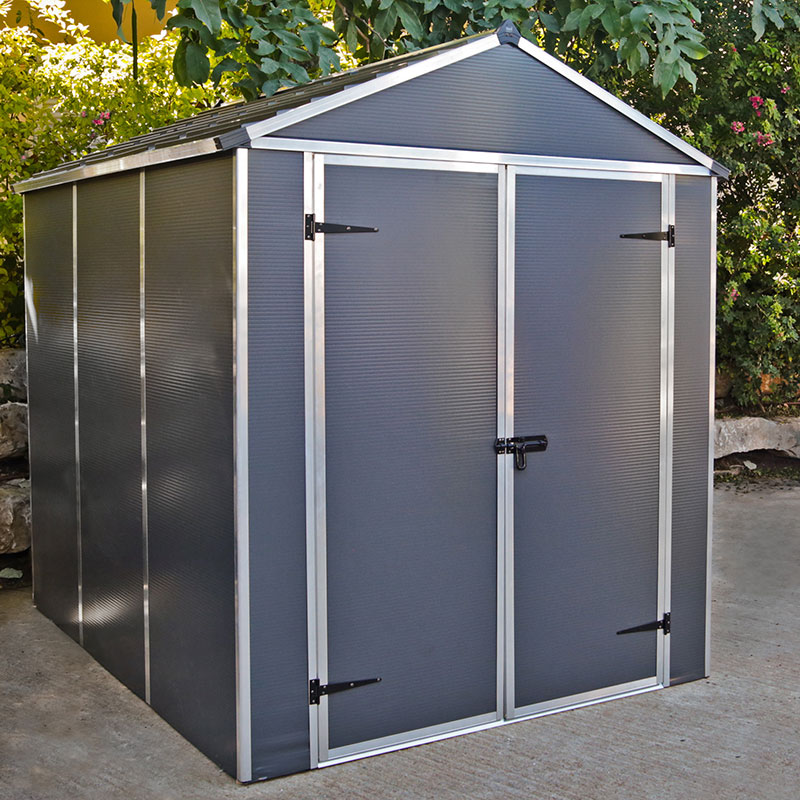
Another clear difference is the finish. Plastic does not have the same grain, knots or seasonal movement as wood, so the look is cleaner and more uniform. That can suit modern gardens quite well, especially if you prefer a tidy, unfussy appearance. It also means less of the visual patchiness that sometimes appears in natural materials over time.
Then there is the weather aspect. A good plastic garden shed is often chosen because it resists damp-related issues that can affect traditional timber, and it does not bring the same worry about peeling surfaces. For people who mainly want storage, that simple, no-nonsense character can be quite persuasive.
Shaped for the space you actually have
Within the 7×6 plastic shed category, the shape can vary more than people expect. Some designs are more upright, with a taller roofline and a straightforward rectangular plan. Others have a lower profile, which can help in gardens where sightlines matter or where planning style concerns are part of the decision. The shape affects not just appearance, but also how the shed feels inside.
A more vertical form can make it easier to store long-handled items standing up, and it may give a bit more headroom for moving around. A lower, broader shape can feel more discreet and may sit better beside fences or boundary walls. There are also variants with a wider front opening, which can be useful if you are storing a mower, wheelbarrow or a couple of bikes. For anyone comparing options, the shape of the door opening matters almost as much as the overall dimensions.
Different roof styles, different storage feel
Roof form changes the character of the shed more than many buyers realise. In plastic sheds 7×6, you will commonly see a few distinct roof styles, and each one suits a different kind of garden layout.
- Apex roof: the classic pitched shape, often chosen for a familiar shed look and a little extra height in the centre.
- Low-pitch roof: a more subtle profile, often preferred where the shed needs to blend into the garden rather than stand out.
- Lean-to style: useful where the shed sits against a wall or fence and you want to make use of a narrower space.
- Gable-ended form: similar to an apex in feel, but often with a slightly more defined front and rear appearance.
The practical difference is not just aesthetic. An apex design may feel roomier in the centre, while a lower roof can be better if you want a neat visual line under trees, near a boundary, or in a courtyard setting. If you are storing taller items, check the highest internal point rather than looking only at the external height, because that detail can make a surprising difference.
Panel systems and build styles: small details, real differences
Not every plastic shed is put together in the same way. Some use interlocking wall panels that slot together in a simple sequence. Others use framed sections that create a more rigid overall feel. In a 7×6 size, that structure matters because the shed needs to keep its shape while still being manageable for the average garden setup.
There are also differences in how the doors are made and how wide they open. A single door may suit compact storage and a cleaner front face. Double doors can be a better match if you need to roll in a mower, stack larger items, or move a bike in and out without turning it at an awkward angle. It is a small detail, but it often decides whether a shed feels merely adequate or actually convenient.
Some buyers also look for windowed versions. A window can make the interior less gloomy and help with locating items quickly. Others prefer a windowless design for a more private, less visible storage space. There is no one fixed answer; it depends on whether you want the shed to feel more like a neat storage cupboard or a more open working space.
What fits inside a 7×6 space without feeling crammed
The appeal of a 7×6 garden shed is that it can take more than just one category of item. This size often works well when you want to separate clean and muddy things, or keep larger equipment from cluttering the patio. The internal layout matters a lot, though, because the same shed can feel roomy or tight depending on how it is used.
- Garden tools such as spades, rakes, hoes and shears, especially if you want them upright and grouped together.
- Outdoor furniture cushions and smaller chairs, which are often awkward to store elsewhere.
- Bikes or scooters, if the doorway and internal width are generous enough.
- Lawn equipment like a mower, strimmer or edging tools.
- Seasonal items such as pots, seed trays, spare canes and BBQ accessories.
If you are planning a mixed-use storage space, it helps to think in zones rather than in a single pile. A 7×6 shed is usually large enough to allow a side area for tall tools and a separate section for bulkier items. That simple split can make everyday use much easier.
Why plastic can feel more practical than timber for this size
In a compact-to-medium shed like this, material choice becomes very noticeable. With timber, buyers often think about surface treatment, movement over time, and the general feel of a natural product. With plastic, the decision often comes down to ease of use, consistent finish and low visual fuss. That is not to say one is better for everyone, just that the priorities are different.
A plastic shed may suit a buyer who wants a storage building that looks fairly uniform from day one and stays that way. It can also be appealing where the garden is exposed and you want a material that feels less sensitive to damp air. In a 7×6 size, that can be a genuine selling point because the shed is large enough to be useful, but not so large that it needs to become a major project.
There is also the colour factor. Many plastic sheds come in muted tones that fit easily with fencing, paving and planting. For some buyers, that is a welcome change from the stronger visual character of wood. It creates a calmer backdrop in the garden, which sounds minor, but often matters when the shed is always in view.
Picking the right version for your garden layout
Choosing between different plastic shed forms is usually about space and access. If the shed is going down the side of a house, a narrower front profile and a door that opens fully may be the key. If it is sitting at the end of the garden, you might care more about internal volume and roof height. If it is near a seating area, the visual shape may matter more than anything else.
Think about how you will approach the shed. A front-facing double door is useful if the pathway is straight and wide. A side-opening design can make sense when access is awkward or when the shed needs to fit into a corner. Some 7×6 layouts also suit a more square, balanced footprint, while others feel longer and better for linear storage. The “best” one is usually the one that matches the route into the garden and the items you use most often.
It is also worth considering how the shed relates to nearby features. A lower roofline may avoid blocking light to a border, while a taller style can be better where the shed sits behind larger shrubs or along a fence where it will not dominate the view. These are small things, but they influence how pleasing the shed feels once it is in place.
Little buying checks that save faff later
Before choosing a plastic shed 7×6, it helps to look beyond the basic size label. Two sheds with the same footprint can feel quite different in use, and the difference usually comes down to access, internal height and how the panels are designed.
- Check the door opening as well as the overall dimensions, especially if you plan to store bikes or larger tools.
- Look at the roof shape to judge whether the shed suits a hidden corner or a more visible position.
- Compare internal layout if shelving or vertical storage is important to you.
- Consider windowed vs windowless depending on whether visibility or privacy matters more.
- Think about the footprint in relation to paving, fences and nearby planting, because 7×6 can feel compact on paper but quite present in the garden.
One useful tip is to imagine the shed with your largest item already inside it. If that item is a mower, a bike or a stack of cushions, work out whether you can still move around it without turning everything into a puzzle. That simple mental check often tells you more than a product photo ever will.
Why this size keeps coming up on shopping lists
There is a reason 7×6 plastic sheds appear so often in garden searches. They suit buyers who want a storage building that feels balanced: not tiny, not overbearing, and not demanding in the way some larger structures can be. The size is big enough to solve more than one storage problem at once, which makes it a sensible pick for households with a mix of tools, outdoor kit and seasonal items.
It is also a size that can work for different garden styles. In a modern paved space, a clean-lined plastic shed can feel neat and ordered. In a greener, more planted garden, a muted shed can sit quietly in the background. And if you are comparing different forms, the category gives you enough variety to choose between a more compact profile, a taller apex look or a low-key lean-to feel.
For many buyers, the attraction is not just storage capacity. It is the sense that the shed will make the garden easier to use, without creating a lot of extra work around ownership. That practical, everyday value is often what tips the decision.
Choosing with the right priorities in mind
If you are browsing this category, it helps to start with the simple question: what do you need the shed to do most often? If the answer is to store a wide mix of items, a broad-opening style may suit you better. If the answer is to keep a few larger items safe and out of sight, then internal height and doorway width become more important. If the shed is going in a visible area, the roofline and overall shape may matter just as much as the storage inside.
Plastic sheds 7×6 are popular because they bring together sensible size, easy handling and a clean finish that works in many gardens. The real choice sits in the details: apex or low-pitch, single or double doors, windowed or plain, more upright or more discreet. Those differences can change how the shed feels day to day, and that is usually what makes the right one worth having.
When the fit is right, the shed does more than hold things. It clears the patio, reduces clutter by the back door and gives everyday garden gear a proper home. That may sound modest, but it can change how the whole space works.
[Sassy_Social_Share]