
plastic sheds 6x4 - Best Deals in UK!
Showing the single result

6×4 plastic sheds offer a compact, weather-resistant storage solution for gardens where space matters, with different roof shapes, door styles and panel builds to suit tools, bins and outdoor kit.
Compact size, clever use of space
A 6×4 plastic shed is often chosen when the garden needs storage without taking over the whole plot. The footprint is neat, yet the interior still gives enough room for the usual bits that end up outside: hand tools, a small mower, plant pots, watering cans, cushions, folding chairs and those awkward items you never quite know where to put. It is a size that feels practical rather than bulky, which is one reason it suits patios, side returns, narrow lawns and smaller courtyards so well.
Compared with larger sheds, a 6×4 format is easier to position against a fence, beside a garage or at the end of a garden path. It can also be a sensible choice where local planning rules, access routes or just the look of the garden call for something less imposing. For buyers who want storage but not a structure that dominates the view, this size hits a useful middle ground.
What plastic brings to a garden shed
Plastic sheds are usually made from resin or similar synthetic materials, and that changes the whole feel of the product. Instead of timber panels that can swell, split or need treatment, you get a material that is built around clean lines, lighter handling and a tidy finish. This matters in a 6×4 shed, because the smaller size is often chosen for convenience, and the material should support that idea.
Bestseller der Kategorie plastic sheds 6x4
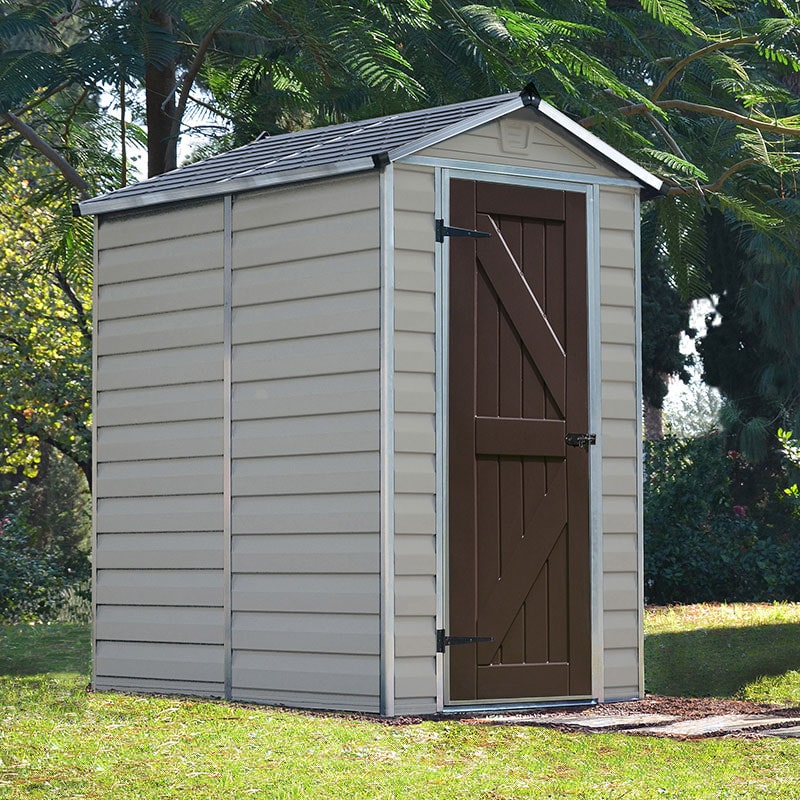
One of the main appeals is the way plastic sheds handle damp British weather. They are not put off by a bit of rain, and they do not carry the same risk of rot that can come with wood. That makes them a strong option for storing items that need shelter from drizzle and general garden mess. They also tend to keep a more even appearance over time, which is handy if you like the shed to blend in rather than look tired after one hard season.
Panels, cladding and the look of the shed
Not all plastic sheds 6×4 look the same, and the differences are worth noticing. Some have a wood-effect texture that gives the appearance of timber from a distance, while others go for smoother walls and a sharper, more modern finish. The panel design can also vary: some are built with ribbed sections for stiffness, while others use thicker interlocking wall boards that feel more solid. These details influence both the look and the structure.
If you want the shed to sit quietly in a planted garden, a wood-effect finish can help it feel less mechanical. If your space is more contemporary, with paving and straight lines, a plain or lightly textured design can suit that better. The choice is partly visual, but it also affects how the shed catches light and how obvious the structure looks in the garden. It’s a small thing, but for a lot of people it matters.
Roof shapes that change more than appearance
Roof style is one of the clearest differences across 6×4 plastic sheds. A pent roof slopes in one direction and is often used where the shed sits against a wall or fence. It gives a clean front profile and can help direct rainwater off to the back. A apex roof has the familiar ridge shape, which can make the shed feel more traditional and sometimes gives a bit more headroom in the centre.
There are also flatter roof profiles that lean towards a lower, subtler shape. These are useful if you want the shed to stay visually quiet, especially in smaller gardens where height can make a big difference to the overall feel. The roof shape also affects how easy the interior is to use for taller items like long-handled tools, stored chairs or slim shelving, so it is worth thinking about what will actually go inside rather than just how the shed looks from outside.
Door styles and everyday access
Door design makes a big difference in a compact shed. On a 6×4 plastic shed, the opening needs to work hard because the space is not huge. Double doors are useful when you want to bring in wider items, such as a wheelbarrow, garden furniture parts or stacked boxes. A single door can be fine for lighter storage and may suit tighter spaces where a wider opening would feel awkward.
Some models use doors that open outwards, which is common and practical for quick access, while others are shaped to keep the entry neat and centred. In a small footprint, the choice affects not just convenience but the usable layout inside. If you know you will be in and out often, reaching for tools rather than just seasonal bits, the door arrangement deserves proper attention. It sounds obvious, but people do forget this bit and then regret it later.
Low profile, tall feel, or somewhere in between
Although every 6×4 shed shares the same base size, the internal feel can vary quite a bit. Some plastic sheds are built with a lower overall height, making them ideal where the shed needs to tuck under a boundary line or avoid blocking light. Others offer a taller interior, which can make storage easier and stop the space feeling cramped, especially if you want to add hooks, small shelving or stackable crates.
The difference is often in the wall height and roof pitch rather than the footprint. That is why two sheds with the same 6×4 dimensions can feel surprisingly different once you stand inside them. For anyone storing long-handled garden tools, spades, rakes or upright broom-style items, a bit of extra internal height can be useful. If the shed is mostly for low boxes and seasonal items, a lower profile may be enough and can look neater in the garden.
Why buyers choose plastic over timber or metal
The choice between plastic, wood and metal usually comes down to a mix of appearance, weight, weather response and practical use. Plastic sheds are often picked because they bring a more straightforward setup in daily life. They are lighter than many timber structures, easier to position in smaller gardens, and less likely to raise concerns about warping or external treatment. For some buyers, that keeps the purchase simple.
Compared with metal sheds, plastic models can feel less harsh visually and may be less prone to the cold, echoing interior you sometimes get with steel cladding. Compared with timber, they usually ask less from the owner in terms of upkeep expectations, though people often choose them for the cleaner, more consistent panel finish as much as for the practicality. It is not a case of one material being right for everything. It is about what fits the garden and the way the shed will be used.
Typical uses that make sense for this size
A 6×4 plastic garden shed is often chosen for storage that needs shelter but not a huge building. That can include gardening tools, bags of compost kept off the ground, children’s outdoor toys, bike helmets, barbecue accessories, spare planters and cushions. It can also work as a tidy home for items that would otherwise clutter a garage or porch.
Because the size is compact, it encourages organised storage rather than random pile-ups. A few shelves, hooks or stackable boxes can go a long way. The result is usually a shed that feels easy to use, not a remote corner of the garden where things disappear. That’s one of the nicer things about this format: it supports everyday use rather than becoming a dump zone, which happens all too easily with larger sheds.
Practical points to check before buying
When looking at plastic sheds 6×4, it helps to think in terms of access, placement and the kind of items you will store. Check the doorway width if you plan to put in larger objects. Look at the roof shape if the shed is going near a fence or hedge. Pay attention to the wall construction if you want the interior to feel sturdier or to hold fixtures more confidently.
It is also worth comparing whether the shed has windows or a windowless design. Windows can bring in natural light, which is handy if you want to find tools quickly. A windowless shed can feel more private and is sometimes preferred where the contents are not meant to be visible from outside. Neither option is automatically better; it depends on what you need the shed to do, and where it sits in the garden.
Different forms that suit different gardens
There is a useful variety within the 6×4 plastic shed category itself. Some are designed with a more traditional garden-shed appearance, using faux timber grain and pitched roofs. Others are shaped with cleaner lines and a neater, more contemporary presence. Corner placement can also influence the choice, because certain roof lines and door positions make better use of tight or awkward spots.
If the garden is long and narrow, a slimmer visual profile may matter more than the colour or texture. If the space is open and the shed will be seen from several angles, the finish becomes more important. A well-chosen plastic shed can sit almost like part of the landscaping rather than a separate add-on. That is partly down to form, partly down to colour, and partly down to how it is positioned against other garden features.
Good reasons to keep the footprint modest
There is a lot to be said for a compact shed. In a smaller garden, a 6×4 structure can leave room for planting, seating and movement, instead of turning the whole area into storage. That makes the garden easier to use day to day. It can also help if you prefer a cleaner visual line from the house to the boundary, with the shed doing its job quietly in the background.
Another benefit is that a smaller shed tends to be easier to fill with purpose. The limited space pushes you to think carefully about what belongs there, which often leads to better organisation. You do not need to overcomplicate it. If the goal is somewhere dry, tidy and accessible for outdoor essentials, a 6×4 plastic shed can be a very sensible fit, without feeling oversized or fussy.
Little details that can sway the decision
Some of the most important choices are the small ones. Door threshold height can affect whether a mower or trolley rolls in easily. Window placement can change where shelving might go. Wall panel depth can influence how solid the shed feels when closed. Even the way the roof edge is finished can affect the overall impression, especially if the shed is close to seating or a kitchen window.
For buyers comparing several plastic sheds 6×4, it often helps to imagine one ordinary weekend use case: taking out a spade, putting back a hose, grabbing a plant pot, then storing a chair cushion after rain. If the shed works for those simple moments without fuss, it is probably doing the right job. That kind of easy fit is what makes the category appealing in the first place.
Why this size keeps getting attention
The appeal of a 6×4 plastic shed is not just the size, but the balance. It offers enough room for practical storage, enough choice in shape and door style to suit different gardens, and enough visual flexibility to blend into a range of outdoor spaces. Buyers are often looking for something that feels neat, not oversized, and that can handle the realities of a garden without needing constant attention.
That balance is what makes the category useful for so many different homes. Whether the priority is a low-profile bin store alternative, a light-filled tool store, or a tidy place for seasonal garden gear, a plastic shed in this size can answer the brief without making a fuss about it. Sometimes that is exactly what a garden needs: not a centrepiece, just a solid bit of storage that fits properly.
- 6×4 footprint suits smaller gardens, side returns and patios
- Plastic construction keeps the look neat and weather-aware
- Pent roofs work well against fences and walls
- Apex roofs give a more traditional shed outline
- Double doors help with wider items and easier loading
- Single doors can suit tighter access and simpler storage
- Wood-effect finishes soften the look in planted gardens
- Smooth panels lean towards a modern, tidy appearance
- Windowed options make it easier to see inside quickly
- Windowless designs offer a more private storage space