
plastic sheds 6x3 - Best Deals in UK!
Showing the single result

Plastic sheds 6×3 give you a compact, weather-resistant storage solution for smaller gardens, patios and side returns, with tidy space for tools, bins, bikes and seasonal kit in a size that is easy to place.
Why the 6×3 footprint works so well
A 6×3 plastic shed is a neat in-between size: bigger than a simple box store, but not so large that it eats into the garden. That makes it a sensible choice when you need proper storage without turning the whole area into a yard of units and boxes. The 6ft x 3ft footprint suits narrow plots, boundary lines and corners where a wider shed would feel out of place.
This size is often picked by buyers who want to store everyday garden bits in one place rather than scattering them across the garage, greenhouse or under a tarp. Think hand tools, long-handled implements, small lawn care items, watering cans, plant pots, fold-up chairs, compact outdoor cushions and even a push mower, depending on the internal layout. In other words, it is a size that can work hard without looking bulky.
The plastic advantage, without the fuss
Plastic sheds are chosen for more than just looks. The material is usually lightweight, resistant to rot and not prone to rust, which makes it a practical option for damp British weather. Unlike timber, plastic does not absorb moisture in the same way, so you get a cleaner finish and a more consistent appearance over time. For many buyers, that means less worry about staining, flaking or the patchy look that can happen with other materials.
Bestseller der Kategorie plastic sheds 6x3
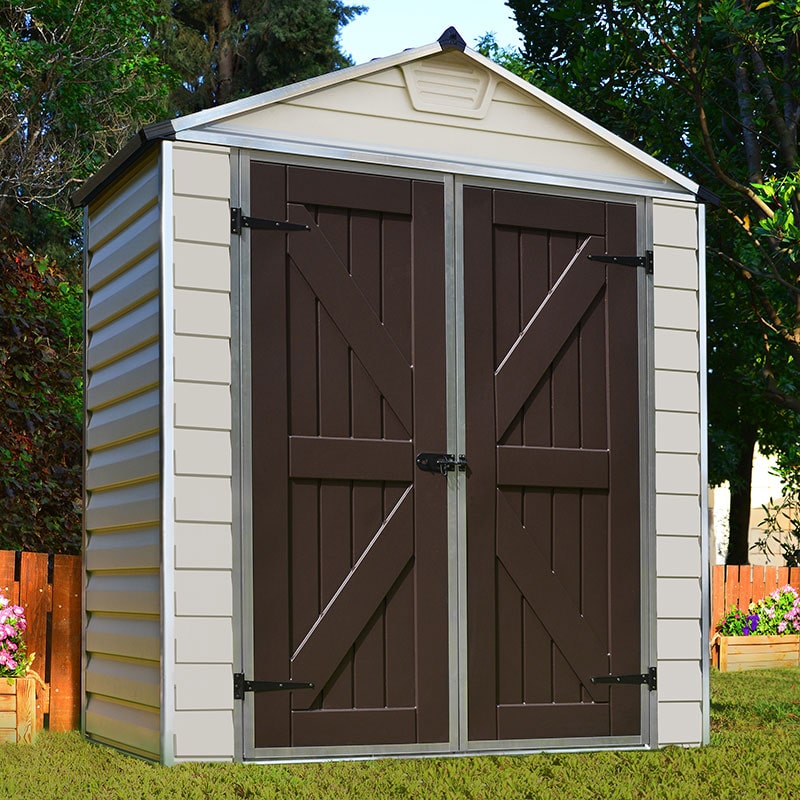
Another big pull is the straightforward build. Many plastic garden sheds arrive as modular panels or interlocking sections, so the shell feels manageable even when the unit itself is sturdy. That matters with a 6×3 shed because the space is compact enough to fit in a lot of gardens, yet still needs a sensible structure if you want it to feel useful rather than cramped.
Shaped for narrow plots and awkward corners
The charm of a 6×3 shed is not just the size, but how easily it slots into different spaces. A long, slim garden often benefits from a shed that follows the line of a fence or boundary wall. A square shed can sometimes block movement; a 6×3 format tends to leave a more usable path beside it. That can be a real bonus in smaller gardens where every step counts.
Because the footprint is compact, it can also work well near the back of a terrace, on a patio edge, or tucked into a side alley where access is tight. If you are measuring up, it helps to remember that door swing, roof overhang and panel access can affect the practical space needed, not just the base size on paper. A shed can be 6×3 and still feel better or worse to use depending on where the entrance sits.
Flat roof, apex roof, pent roof: the shape makes a difference
Not all plastic sheds 6×3 look or behave the same. One of the clearest differences is the roof style, and that changes both the appearance and the usable interior feel.
A flat roof shed tends to have a low profile, which can be handy if you want something that sits quietly against a fence line. It is a neat option when height is limited, though the inside may feel more compact at the top.
A pent roof shed slopes in one direction and often gives a slightly more contemporary look. It can suit a narrow site because the sloping roof can be oriented to manage the visual height where it matters most. This style can also make the shed feel less boxy.
A apex roof shed offers the familiar pitched shape many buyers expect. In a 6×3 size, an apex roof can give the centre of the shed a bit more headroom, which is helpful when placing taller items or simply when you want the space to feel less tight.
There is no single answer here; it depends on your garden, your storage list and how noticeable you want the shed to be. But the roof line is not just a detail. It shapes the way the shed sits in the space and how easy it feels to use day to day.
Panel design, wall style and what they tell you
With plastic sheds, the wall construction is worth a close look. Some have a more wood-effect finish, which gives a traditional garden look without the same maintenance demands of timber. Others have a smoother, more modern face that can suit contemporary outdoor spaces better. There are also models with reinforced panels or ribbed sections, which can add a firmer feel to the structure.
The difference is not only visual. A shed with stronger-looking panel profiles may offer a more solid impression when you are putting in heavy items or opening and closing the door often. A lighter decorative panel style may look neat, but if you are storing bulkier tools, it is worth thinking about how the walls and frame are put together.
Some 6×3 sheds also use windows or translucent panels to bring light inside. That can make a surprising difference in a compact shed, because it reduces the need to fumble around in darker corners. For buyers who want a cleaner, brighter interior, this is one of those small details that turns out to matter quite a lot.
Door options that change the whole feel
The door on a plastic 6×3 shed is a bigger deal than it may first seem. In a narrow shed, opening space and entry width can either help the layout or get in the way. That is why it is useful to compare the different door styles before buying.
Single doors suit lighter storage and can keep the shed looking simple and compact. They are often enough if you are mainly storing hand tools, small accessories and folded items.
Double doors make life easier when you want to move in wider items, such as a mower, a wheelbarrow or stacked storage boxes. In a 6×3 layout, double doors can also make the shed feel more open and less awkward to access, especially if the opening is positioned on the long side.
Some designs use slide-type access or door layouts that save exterior clearance, which can be useful in tight spots where a hinged door would meet a wall, fence or plant bed. If the shed sits near a path or boundary, that detail matters more than people expect.
Storage that fits real garden life
One of the main reasons people choose plastic sheds 6×3 is that the space is sized for everyday outdoor life, not just for one type of item. The layout can handle a mix of tall and short storage if you think about the interior in layers. For example:
- Long-handled tools such as spades, rakes and forks can stand neatly along one wall.
- Smaller hand tools and accessories can be kept together in tubs or wall-mounted storage.
- Garden chemicals and feed containers can be separated from general kit if you use boxed storage.
- Folded chairs, compact tables and seat cushions can sit in the back or on a raised shelf.
- Garden toys and smaller play items can be grouped for quick access.
- Waste bins or bags may fit depending on the exact door width and internal floor area.
Because the shed is not oversized, it encourages a tidy layout. That can sound obvious, but it is actually one of its strengths. A smaller shed pushes you to store only what is useful, which means less wasted room and less hunting around for things that should have been in one place from the start.
Where plastic beats timber, and where it feels different
People often compare plastic sheds with wooden sheds, and the differences are worth spelling out. Plastic is generally picked for a lower-effort finish, better resistance to damp-related issues and a cleaner look that stays fairly consistent. Timber can feel warmer and more traditional, but it also asks for more attention over time and may change in appearance as the seasons move on.
A 6×3 plastic shed can also feel more precise in tight spaces, because the panel system and clean edges often make the footprint feel controlled. With timber, there can be more visual weight. That is not a flaw, just a different character. Plastic usually suits buyers who want a practical, tidy storage unit that does not need to dominate the garden.
Compared with metal sheds, plastic is often less prone to that hard, echoey feel inside. It can also be more forgiving in smaller gardens where you want a shed that looks less industrial. That said, the right choice still depends on what you plan to store. If your focus is general garden storage and a simple footprint, a plastic 6×3 shed usually makes a strong case for itself.
Features worth checking before you choose
When browsing this category, it helps to look beyond the headline size and notice the build details that affect daily use. A few things are especially worth checking:
- Internal headroom if you need to stand tall items upright.
- Door width if you plan to move equipment in and out often.
- Window placement for better light inside the shed.
- Roof shape for both appearance and usable space.
- Panel thickness and reinforcement if the shed will be used regularly.
- Floor/base compatibility so the shed sits properly on a level foundation.
These are the bits that tend to separate a shed you simply own from one you actually enjoy using. A neat exterior is fine, but the internal shape, door layout and light levels are what determine whether the shed becomes genuinely helpful.
A tidy size for smaller gardens, without looking lost
One subtle benefit of 6×3 plastic garden sheds is that they do not look out of proportion in modest outdoor spaces. A shed can be too large and start to dominate, or too small and look like an afterthought. The 6×3 size sits in a useful middle ground, giving you storage presence without taking over the whole scene.
That makes it easier to keep the rest of the garden feeling open. You can still have room for a chair, a planter, a path or a lawn edge, while keeping the practical stuff tucked away. For many households, that balance is exactly the point.
Little details that make a big buying difference
When buyers compare plastic sheds 6×3, it is often the small details that tip the decision one way or the other. A slightly wider opening can make loading far less awkward. A better roof shape may suit a low boundary. A more open interior can help if you store mixed items rather than just one category of equipment.
It is also worth thinking about how the shed will be used across the year. If you tend to store seasonal items, then a layout that makes it easy to group things by type is useful. If you use garden tools often, then clear door access and sensible height distribution matter more than decorative features. The right shed is not just about where it sits, but how often it saves you time and awkward lifting.
In a category like this, the appeal is really about simple, practical storage in a size that feels manageable. A 6×3 plastic shed can be a smart fit for buyers who want a garden unit that is compact, weather-conscious and easy to live with, while still offering enough room for the things that usually end up cluttering sheds, paths and porches.
What this category is really for
This collection is for people who want a neat storage shed with a sensible footprint and a finish that suits modern outdoor spaces as well as more traditional gardens. It is for anyone comparing single-door and double-door options, looking at apex versus pent or flat roof shapes, and trying to decide how much storage can fit into a slim, useful area.
If you need a shed that keeps the garden organised without asking for a huge corner of it, plastic sheds 6×3 are a strong place to start. They are compact, flexible and easy to match to a real storage list, which is often exactly what buyers want once they have measured the space properly and thought it through.
[Sassy_Social_Share]