
plastic sheds 60 sq ft / 6 m² - Best Deals in UK!
Showing all 2 results
-
25% OFF: 6′ x 10′ Palram Canopia Green Skylight Apex Plastic Shed (1.85m x 3.04m) £669.9925%

-
12% OFF: 6′ x 10′ Palram Canopia Rubicon Multi-Wall Premium Dark Grey Plastic Shed (1.85m x 3.00m) £774.9912%

Plastic sheds 60 sq ft / 6 m² give you a tidy, weather-resistant storage space for tools, bikes and garden kit, with compact footprints, low-upkeep panels and shapes that suit smaller outdoor areas.
Why 60 sq ft / 6 m² feels “just right” in a garden
A plastic shed around 60 sq ft / 6 m² sits in that useful middle ground: not so small that it becomes a squeeze, not so large that it starts to dominate the plot. It is a size many buyers choose when they want proper storage for everyday garden items without turning the shed into a full outbuilding. In practical terms, this space can work for hand tools, long-handled tools, folding chairs, cushions, a mower, compost bags, pots, toys, and even a push bike or two, depending on the internal layout. That’s the key thing with this category: the footprint may sound simple, but the usable space changes a lot depending on the shape, door style, and roof form.
For people comparing materials, plastic sheds in this size range often appeal because they offer a neat balance of light weight, easy assembly, and resistance to common outdoor wear. They do not have the same feel as timber, and they are not trying to be timber. That matters, because the right choice here is often less about tradition and more about whether you want a storage unit that stays functional with less fuss.
Panel styles that change the whole feel
Not all plastic sheds are made the same way. In this category you will usually see a few different constructions, and each one changes the look and the way the shed performs:
Bestseller der Kategorie plastic sheds 60 sq ft / 6 m²
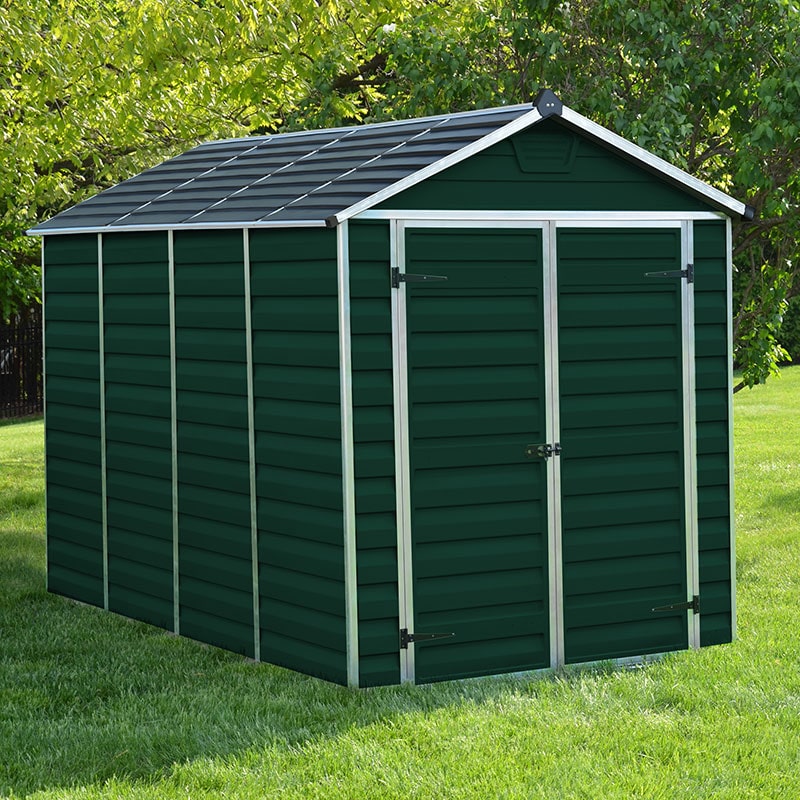
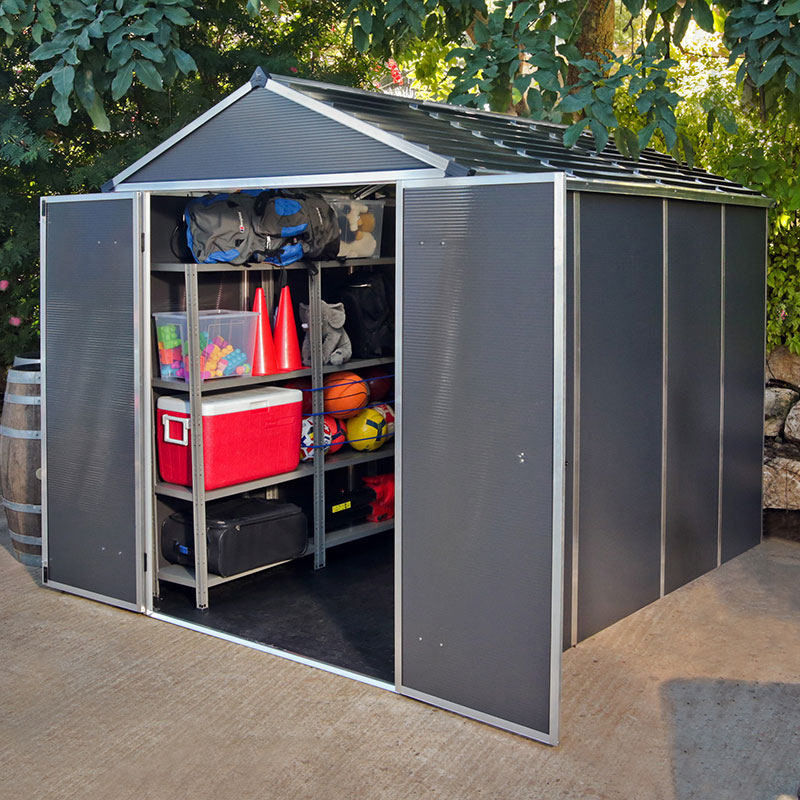
- Double-wall plastic panels – often chosen for a more solid feel and better rigidity. They can give the shed a more enclosed, structured character.
- Single-skin panels – usually lighter and simpler, with a straightforward design that can suit basic storage needs.
- Ribbed or reinforced panels – designed to add stiffness and visual definition, so the shed does not look overly plain.
- Wood-effect plastic panels – for buyers who want the appearance of timber without going down the timber route.
These differences are worth noticing, because two sheds with the same floor area can feel very different inside and out. A model with thicker panels and a stronger frame will often feel more stable under load, while a simpler panel system may suit lighter storage. In other words, the footprint tells only part of the story.
Roof shapes: small detail, big difference
The roof line on a 6 m² plastic shed affects both appearance and how the space works. A pent roof usually leans in one direction and gives a lower profile, which can be handy if the shed needs to sit near a boundary or under a height limit. A gable roof gives a more traditional silhouette and often feels roomier overhead, which can make the shed easier to use for taller items or shelves placed high up.
There are also flatter roof forms, which create a neat, compact look. These can work well in modern gardens where the aim is to keep things visually calm. The main difference is not just style; it is how the roof shape affects headroom, interior storage lines, and the way the shed sits in the garden. A gable roof may feel more open, while a pent roof may blend in more quietly. Neither is automatically better, but one may fit your space and planning situation better than the other.
Door layout and access, where convenience shows up
For a shed in this size band, the door design can make a noticeable difference. Single doors are fine if you mostly store smaller garden items or only need occasional access. Double doors, on the other hand, are often better when you want to move in bulkier things like a mower, a wheelbarrow, or a boxed-up patio set. They also make the shed feel less awkward when you are carrying items in and out with both hands.
Some plastic sheds use wide-opening door panels that improve access without needing the widest possible opening at all times. Others are more compact and suit narrow side returns or tighter plots. If you are deciding between similar sheds, check the door swing, the opening width, and whether the internal floor area actually lines up with how you plan to use the shed. A small mismatch here can be a bit annoying later on.
What this size can hold, without pretending it is a garage
A 60 sq ft / 6 m² plastic shed is commonly chosen for storage that needs order rather than sheer volume. It can be used for:
- Garden tools such as spades, forks, rakes and pruners
- Outdoor furniture cushions and seating accessories
- Petrol or cordless mowers, depending on dimensions
- Bikes and helmets, especially if the interior is organised with hooks or racks
- Plant pots, compost and bags of feed
- Children’s outdoor toys and sports equipment
The useful part is the balance between floor space and shape. A rectangular shed might suit long items better, while a slightly wider design can be easier for stacked storage. If the interior walls are straight and the roof doesn’t steal too much side room, you can make much better use of the square footage. A lot of buyers focus on the outside dimensions first, but inside layout is what you live with.
Shapes that suit different gardens
Plastic sheds in this category come in several common footprints. Each has a slightly different personality and use case:
- Rectangular – the most straightforward shape for organised storage, shelving and long tools.
- Square-ish layouts – useful when you want a more flexible internal arrangement and fewer dead corners.
- Narrow but deeper designs – handy for side passages or plots where width is limited.
- Wider front-facing layouts – better when access matters more than depth, especially for bulky equipment.
The shape matters because 6 m² on paper can behave very differently once a mower, a shelf unit and a pair of bikes are inside. A narrow shed can be efficient if it is planned carefully, but it may feel less forgiving. A broader shed may look more substantial and be easier to use day to day. It really depends what you are trying to store and how often you need to reach it.
Why buyers often choose plastic over other materials
When people compare plastic sheds with timber or metal, the decision usually comes down to a few clear points. Plastic often feels more approachable if you want storage that is straightforward and doesn’t ask for much attention. The material itself can be less prone to common outdoor headaches like splintering or visible rust. It also tends to look cleaner in modern garden settings, especially when the design uses neutral colours or wood-effect surfaces.
That said, the differences are not just about appearance. Plastic sheds can be lighter to position, easier to assemble, and more consistent in shape. This consistency is helpful when you want doors and panels to line up neatly. Compared with timber, you are generally choosing a more manufactured, less natural finish. Compared with metal, you may be opting for a quieter-looking structure with less of that thin, industrial feel. Each material has its place, but plastic in the 60 sq ft / 6 m² range is often chosen because it keeps things practical.
Useful features that are worth checking before buying
It helps to look past the headline size and focus on the features that affect day-to-day use. A few details deserve attention:
- Panel thickness – thicker panels often feel more substantial and can add to the sense of structure.
- Reinforced frame sections – useful where the shed needs more shape retention across the roof and walls.
- Door opening width – a key point if you plan to store bikes, barrows or larger garden gear.
- Wall finish – plain, ribbed or wood-effect surfaces all change the look and the sense of texture.
- Window layout – natural light can help when you want to find items quickly, though not every buyer needs it.
- Vent placement – worth checking because airflow design can vary from one shed to another.
These are the bits that tend to separate a shed that merely fits the space from one that actually works well in it. A good match is not about adding lots of features for the sake of it; it is about the details fitting your storage habits.
When a wood-effect finish makes sense
Some buyers are drawn to wood-effect plastic sheds because they offer a softer visual presence than plain moulded plastic. In a small or medium garden, that can matter. A shed with a timber-style surface may blend better with planting, fences and natural textures, while still staying within the plastic category. This is a useful middle path for anyone who likes the idea of a more traditional look but wants the practical side of plastic construction.
The difference is mainly visual, but it can influence how the garden feels overall. A plain shed may read as neat and modern; a wood-effect one may feel a bit warmer and less stark. Neither option changes the floor area, yet the look can affect whether the shed feels like storage or a feature. That might sound subtle, but in a small garden the eye notices these things quickly.
Planning the inside: it is about access, not just square footage
With plastic sheds 60 sq ft / 6 m², the smartest buyers think in zones. One side for long tools, one section for bulk storage, and a clear line to the door can make the space feel much easier to use. A shed packed evenly from wall to wall often ends up harder to live with than a shed that leaves a useful route through the middle.
It is also worth thinking about what needs to be reached often. If you use the mower every week, it should not live behind three bags of compost. If the bikes are used daily, the door opening and turning space matter more than extra shelving. Simple layout choices can change the whole experience, and this is one of the reasons why the same size shed suits one household and not another.
Buying tips that are actually useful
If you are narrowing down options in this category, a few checks can save a lot of second-guessing later on:
- Measure the garden space properly, including any fence lines, gates or overhead obstructions.
- Check the internal usable dimensions, not just the overall footprint.
- Compare door width with your largest item, such as a mower or bike.
- Look at roof height and wall height together, because one without the other does not tell the full story.
- Decide whether you want a plainer or more decorative finish, since the shed will be seen every day.
- Think about the storage mix: long items, bulky items, or lots of smaller bits all ask for slightly different internal proportions.
These checks are not glamorous, but they are the things that usually make a purchase feel right. A shed is one of those buys where the best decision often looks ordinary on paper and very sensible in real life.
A compact category with real use, not just a box in the corner
The appeal of a plastic shed around 60 sq ft / 6 m² is that it gives structure to a garden without taking over the whole scene. It can be neat, fairly discreet, and practical in a way that suits everyday storage. For some buyers, the draw is the cleaner appearance; for others, it is the chance to store bikes, tools and outdoor gear in one place without moving up to a much larger building.
If you want a shed that feels organised, has a manageable footprint, and comes in shapes that fit smaller or medium gardens, this category is worth a close look. The differences in roof style, door layout, panel type and finish are exactly where the value sits. Once those details line up with your space, the shed stops being just storage and starts making the garden easier to use.
In short: choose the shape that suits the plot, the door that suits the items, and the panel style that suits the way you want the shed to look. That is usually where a good match begins.
[Sassy_Social_Share]