
plastic sheds 40 sq ft / 4 m² - Best Deals in UK!
Showing the single result

Plastic sheds 40 sq ft / 4 m² give compact, weather-resistant storage for garden tools, bikes, cushions and more, with low-maintenance panels, tidy footprints and practical shapes for smaller outdoor spaces.
Small footprint, proper space
A 40 sq ft / 4 m² plastic shed is one of those garden buys that makes sense straight away. It gives you a defined storage zone without taking over the whole plot, which is handy if you have a courtyard, a narrow side return, a terrace, or just a garden where every bit of ground has a job to do. The size is modest, but it is not tiny; there is room for the everyday things that usually end up leaning against a fence or getting in the way of the mower.
What makes this category useful is the balance between compact dimensions and real storage capacity. You are not choosing a decorative box for one spade and a couple of pots. You are looking at a shed that can hold a practical mix of tools, folded furniture, plant food, hoses, seasonal items and a few bulkier bits depending on the layout. That is why the internal shape matters almost as much as the floor area itself.
Why plastic suits this size so well
Plastic sheds work especially well in the 40 sq ft / 4 m² category because the material helps keep the shed light, manageable and fairly straightforward in appearance. Unlike some heavier alternatives, plastic panels often give a clean, neat finish that does not visually crowd a small garden. For spaces where the shed is visible from the patio or kitchen window, that can make a difference.
Bestseller der Kategorie plastic sheds 40 sq ft / 4 m²
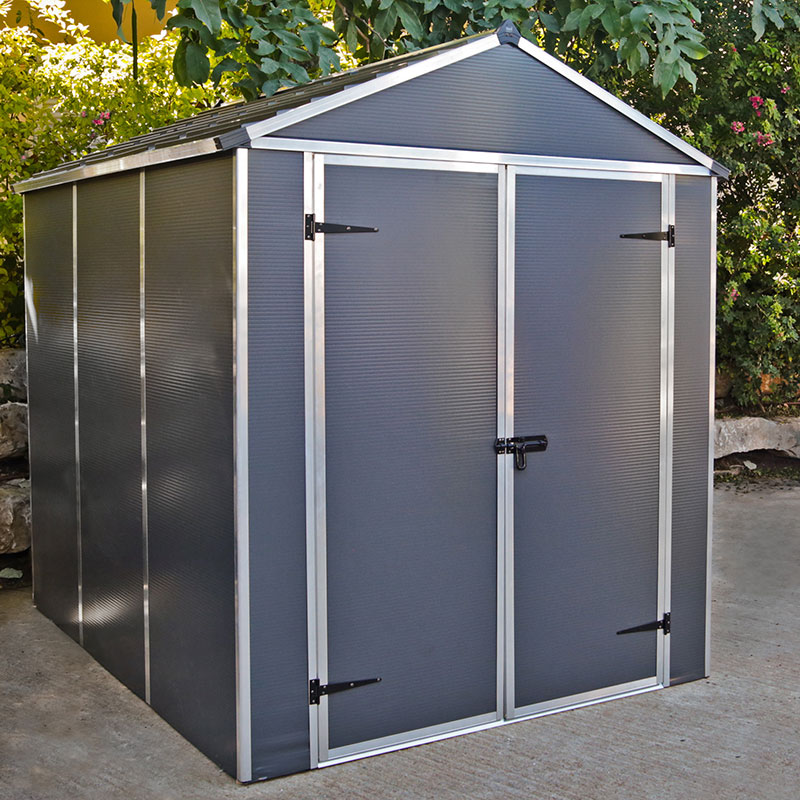
There is also the question of how the shed feels in daily use. Plastic models usually favour simple panel construction, which means fewer fussy details and less visual noise. That suits buyers who want storage rather than a feature piece. And because this category is aimed at a compact footprint, the material’s lighter weight can be a real help when you are working with a base, access path, or awkward corner. It’s not just about looks; it’s about making the whole project fit the space without too much faff.
Shapes that change what fits inside
Not every 4 m² plastic shed is built the same way. The outer form changes what you can store, how easily you can move around inside, and where the shed can sit in the garden. A shed with a wider front may suit front-facing access and larger items, while a longer, narrower shape can tuck beside a boundary and still give decent internal storage.
- Rectangular sheds are the easiest to plan around, with straightforward wall space and a regular floor area.
- Wide-front designs make loading and unloading less awkward, especially for wheelbarrows, garden chairs or boxed items.
- Narrow-and-deep formats can suit side passages and long boundary runs where width is limited but depth is available.
- Low-profile styles may work better where sightlines matter or local rules are sensitive to height.
- Gable-style roofs can improve headroom in the centre, which helps if you are standing inside for longer than a minute.
The key point is that the same floor area can feel quite different depending on the shape. Two sheds with the same footprint may not store the same things in the same way, so it is worth thinking about the items you use most often, not just the square footage on paper.
Subtypes worth comparing before you choose
Within plastic garden sheds, there are a few common subtypes that buyers tend to compare. Some are built to be more box-like and practical, while others aim for a softer look that blends into planting and fencing. If you are choosing a 40 sq ft / 4 m² model, these differences are easier to spot because the shed will be visible and the footprint is small enough that every design decision matters.
- Resin-panel sheds often have a tidy, moulded look and can feel more structured, which helps when you want a crisp finish.
- Textured plastic sheds can resemble wood grain from a distance, giving a more garden-friendly appearance without the upkeep of timber.
- Double-door styles are useful if you regularly store wider items or want less squeeze when moving things in and out.
- Single-door sheds may suit tighter spaces and can be easier to position where opening clearance is limited.
- Windowed versions bring in natural light, which can make the interior easier to use and less cave-like.
- Windowless versions are sometimes preferred for a cleaner exterior and a more enclosed storage feel.
These aren’t just cosmetic choices. They alter how the shed behaves in real life. A double door can make the difference between storing a bike comfortably or having to angle it in every time. A window can make locating things quicker, though some buyers prefer the more closed-in security feel of a blind wall. It is all about what you want the space to do.
Roofs and profiles: not just a visual detail
The roof shape on a plastic shed 40 sq ft / 4 m² influences both the look and the usable interior. A low-pitched roof may sit neatly under a boundary line or against a fence, while a steeper profile can give the shed a more traditional shed silhouette and a bit more headroom. The right roof style often depends on the garden layout more than people expect.
Lean-to profiles are useful if you are placing the shed against a wall or fence and need to keep the overall height controlled. Appliance-like box roofs keep the shape simple and modern, which can suit smaller, contemporary gardens. Gabled roofs tend to feel more balanced visually and may offer a more open centre line inside. None of these is automatically better; they simply solve different space problems.
For buyers comparing options, the practical difference is often in where the tallest internal point sits. If you intend to store tall garden tools, hanging items or upright containers, that matters. It sounds small, but once you’ve got the shed in place, you do notice where the corners are a bit tight.
What this size can realistically hold
A 4 m² shed is not a warehouse, but it is big enough for useful storage. The exact capacity depends on the interior layout, door width and roof profile, yet there are some familiar combinations that usually suit this size category.
- Long-handled tools such as spades, forks, rakes and brooms.
- Compact garden machinery like a mower, trimmer or blower, depending on dimensions.
- Folded outdoor furniture or stackable chairs.
- Children’s outdoor items such as buckets, balls, small ride-ons or plant pots.
- Seasonal items like cushions, covers and decorative accessories.
- Bulky odds and ends that normally clutter a garage corner.
Where people sometimes underestimate this size is in its ability to separate zones. Even in a compact shed, you can often keep one side for tools, one side for larger stored items and a bit of floor clear for things you need to reach quickly. That division is useful because it stops the whole space from becoming a single pile. If the shed is well chosen, it will feel organised without needing a lot of extra kit.
Access and doors: the bit that decides ease of use
In a small shed, the door layout matters a lot. A wide opening makes the difference between just about fitting something through and actually using the shed comfortably. If you are looking at a 40 sq ft / 4 m² design, check how much usable width the opening gives in practice, not only the overall frontage.
Double doors are often the easiest option for buyers who will move larger items in and out. They reduce awkward angles and make the shed feel less cramped. Single doors can work well where space outside the shed is tight, because they need less swing room and may suit a narrower path. There are also styles with centre-door placement versus offset doors, and that small change can affect how you line up shelving or stack items inside. It’s one of those details people miss until the shed arrives and the bike won’t quite go in straight.
Benefits that make buyers look twice
The appeal of plastic sheds in this footprint is not only about storage. They also solve a few common garden frustrations in one go. You get a defined home for outdoor items, a neater overall look, and a structure that usually feels less demanding than heavier shed materials. For smaller gardens, that simplicity is part of the charm.
- Compact but useful storage for everyday garden items.
- Clean exterior lines that suit modern or modest-sized gardens.
- Lightweight construction compared with many traditional shed types.
- Low visual bulk, especially helpful in smaller plots.
- Practical internal layouts that can suit tools, furniture and seasonal items.
- Weather-resistant material that suits outdoor positioning.
Another plus is that plastic sheds often feel less overbearing when placed near the house. In a compact garden, a large wooden shed can dominate the view, while a smaller plastic version may sit more quietly in the background. That sounds like a minor point, but for many buyers it is the reason they choose this category in the first place.
How 40 sq ft compares with larger and smaller shed sizes
If you are weighing up 40 sq ft / 4 m² against other shed sizes, the main difference is how much flexibility you want to leave in the garden. Smaller sheds can be neat and unobtrusive, but they may force you to be selective about what stays inside. Larger sheds give more breathing room, but they can start to feel like a building rather than a storage solution.
This mid-compact category sits in a useful middle zone. It is large enough for genuinely practical storage, yet still small enough to suit urban gardens and tighter domestic plots. Compared with tiny storage boxes, it can handle full-size tools and more than one type of item. Compared with bigger sheds, it is less likely to overwhelm the space or make access routes awkward. For many households, that is exactly the balance they want, even if they don’t say it like that out loud.
Choosing the right finish for your garden style
Plastic sheds no longer all look the same, and in the 40 sq ft / 4 m² range the finish can help the shed sit better with fencing, paving and planting. A wood-effect finish can soften the look and make the shed feel more at home in a traditional garden. A smoother, more modern surface may suit clean lines, gravel beds and contemporary landscaping. Either way, the finish is not just decoration; it affects how visible the shed feels from the house and how well it blends into the backdrop.
Colour also changes the visual weight. Grey and dark neutral tones can sit quietly against fencing, while lighter shades may make the shed look less heavy in a smaller plot. If the shed will be seen from the main seating area, it is worth considering how it sits with nearby materials such as decking, brickwork or paving slabs. Small design choices can make the whole garden feel more settled, and that often nudges buyers towards the final decision.
Practical tips before you buy
Before choosing a plastic shed 40 sq ft / 4 m², it helps to think through the items you will store, the way you’ll access them, and how much clear space you have around the shed itself. A shed can be the right size on paper and still feel awkward if the door opens into a tight area or if the roof shape cuts into the standing space you need.
- Measure the footprint and allow for opening clearance around doors.
- Check the internal height where the tallest items will go.
- Match the door width to the bulkiest thing you plan to store.
- Think about item types: tools, furniture, bikes, or mixed storage all need different layouts.
- Compare roof profiles if headroom matters to you.
- Look at wall shape and corners, as these affect shelving and stackable storage more than buyers sometimes expect.
The best purchase in this category is usually the one that fits both the garden and the way you actually live. If the shed makes it easier to keep tools together, gets bulky things out of the way and does not crowd the space, it has done its job properly. That sounds simple, and it is, but simple is often what people are after when they choose a plastic shed in this size.
A compact store that earns its place
Plastic sheds 40 sq ft / 4 m² suit buyers who want useful storage without a large build or a heavy visual presence. The best options in this category combine smart internal space, a shape that works with your garden, and a finish that feels tidy rather than bulky. Whether you lean towards a single-door shed, a double-door layout, a windowed design or a more enclosed format, the right choice comes down to how you plan to use the space day to day.
For gardens that need order, not extra fuss, this category offers a neat middle ground. It gives you a place for the practical things, keeps them together, and does it without taking over the plot. In a lot of homes, that is exactly the sort of shed people end up being pleased they bought.
[Sassy_Social_Share]