
plastic sheds 2x1 - Best Deals in UK!
Showing the single result
-
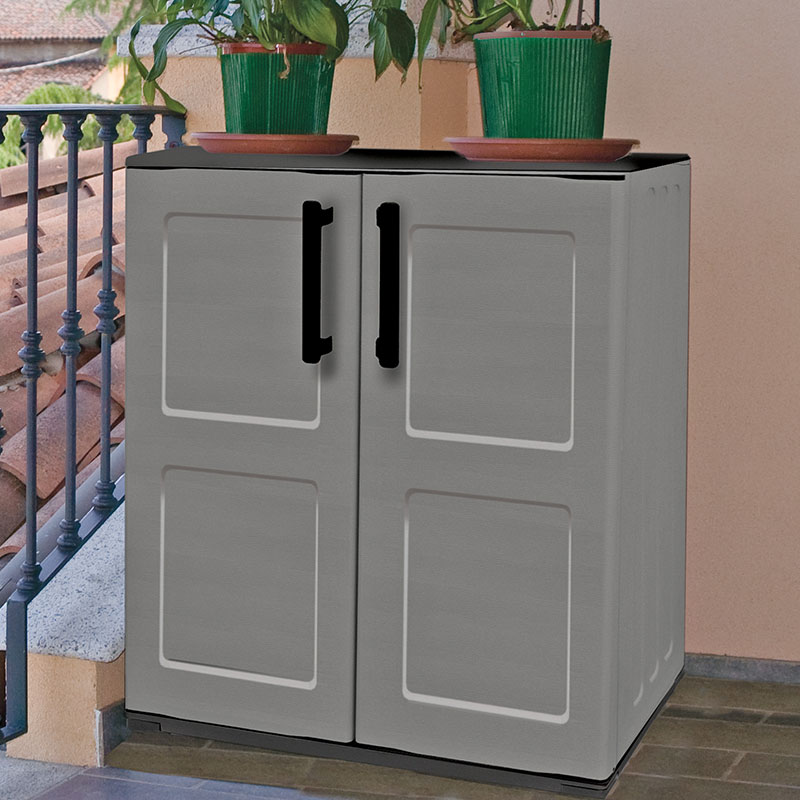
10% OFF: 2’2 x 1’2 Shire Mid Plastic Garden Storage Cupboard with Shelves (0.68m x 0.37m) £63.9910%

Plastic sheds 2×1 are a neat way to add covered storage in a narrow garden, holding tools, pots, hose reels and seasonal bits in a compact footprint that fits where larger sheds simply wont.
Small footprint, proper storage
A 2×1 plastic shed is made for gardens, side return spaces and tight corners where every centimetre matters. The size is usually read as roughly 2 metres by 1 metre, though exact external measurements can vary a bit from one design to another. That difference matters when you are checking if a shed will sit neatly beside a fence, along a path, or against a wall with enough room to open the door.
What makes this category appealing is not just the size, but the way it uses that size. A slim shed can turn an awkward strip of garden into useful storage, giving you a place for items that might otherwise end up leaning against the house, getting muddy, or cluttering the patio. For many buyers, the appeal is simple: compact outside, useful inside.
Plastic, resin, polypropylene: what you are really getting
When people search for plastic sheds 2×1, they often mean sheds made from plastic-based panels or resin construction. The exact material can differ, and that affects how the shed feels, looks and behaves. Some have solid plastic walls with a wood-effect finish, while others use lighter polypropylene-style panels. There are also reinforced resin sheds with internal framing for extra rigidity.
Bestseller der Kategorie plastic sheds 2x1
Compared with timber, plastic shed panels usually give a cleaner, more uniform look. They do not have the grain, knots or natural colour changes of wood, so the finish can look more even. That can suit modern gardens, paved areas and utility spaces where a neat, low-key appearance is preferred. It also means the category includes a range of visual styles, from smooth contemporary boxes to designs that mimic timber boards quite closely.
Which shape works best in a 2×1 footprint?
Because the space is narrow, the shape of a 2×1 shed makes a real difference. In this category you will commonly see a few forms, each suited to slightly different layouts:
- Rectangular single-door sheds – the most direct option, using the full length for storage with a straightforward front opening.
- Side-opening designs – helpful when access from the front is restricted or when the shed sits along a boundary.
- Sloping roof sheds – designed to fit lower spaces or to shed rainwater away from a fence line.
- Gable roof styles – giving a more traditional profile and often a touch more headroom in the centre.
- Cantilevered or compact pitched forms – useful where the roof shape helps rain run off and creates a more defined shed presence.
In a small shed, the roof form affects more than the appearance. It can influence whether tall items stand comfortably inside, whether the door feels generous, and how the shed sits against nearby structures. A low pitched roof can be tidier under a window line, while a taller gable may feel less cramped when you are reaching for tools.
Door styles that change the whole layout
The door is one of the most important differences in this category. With a plastic shed 2×1, access is often the key challenge, because the footprint is slim and there is not much spare room for swinging doors or standing beside them. That means buyers should pay attention to the opening style, not just the overall size.
- Single front door – simple and space-efficient, especially if the shed faces a clear path.
- Double doors – less common at this size, but useful if you want wider access for larger tools or storage boxes.
- Sliding doors – practical where a swing-out door would be in the way, though they need a well-aligned frame.
- Side access door – handy when the front is blocked by a wall, planter or narrow border.
The best choice depends on what you will actually store. If the shed is mostly for smaller items, a single door may be fine. If you want to slide in a compact mower, folding chairs or long handled tools, a wider opening can save a lot of faffing about.
Inside space: not huge, but surprisingly useful
A 2×1 plastic garden shed is not about volume in the way a large outdoor building is. It is about using a limited shape well. That makes shelving, wall hooks and floor layout especially important. Some designs come with a flat internal wall structure that is easier to fit with brackets or simple storage systems. Others have ribbed panel walls that give the shed extra strength, but may limit where items sit flush.
In practical terms, this size is often suited to:
- Hand tools such as trowels, shears and cultivator heads
- Short-handled garden items and slim brooms
- Hose reels or compact watering gear
- Plant pots, trays and seed-starting bits
- Outdoor accessories that need dry, tidy storage
Because the footprint is tight, the real advantage is organisation. Even a small plastic shed can feel generous if the inside is planned around what you own rather than what might fit in theory.
Why buyers choose plastic over timber in this size
There are several reasons people pick plastic sheds in the 2×1 category rather than a wooden alternative. One is the look of consistency. Another is the way plastic shed panels are often lighter to handle, which can be useful when the shed has to be carried through a side gate or assembled in a narrow spot. A third is the material itself, which is usually chosen for being less demanding in everyday use.
In a compact shed, material choice matters because you are not buying a decorative structure alone. You are buying a box that has to fit a job. Plastic can make sense when you want a tidy, enclosed storage unit that does not visually dominate a small garden. It may also suit renters or people who want something more straightforward in appearance and use. That said, different plastic constructions do feel different: a thin panel shed and a reinforced resin shed are not the same thing at all.
Reinforced panels, hollow panels and the feel of strength
Not every plastic shed is built in the same way. In this category, one of the key distinctions is between reinforced panels and lighter, more basic panel systems. Reinforced resin sheds often use internal supports or thicker panel construction, which can help the shed feel more solid once assembled. Lightweight panel sheds can be easier to manage, but they may feel less substantial.
That does not automatically mean one is right and the other is wrong. It depends on what you want from the shed. If you are storing lightweight garden items, a simpler design may be entirely adequate. If you are after a stronger-feeling enclosure in a narrow, exposed spot, a more rigid build can be worth seeking out. It is one of the main differences buyers should compare when looking at 2×1 plastic storage sheds.
Roof details that matter more than you might think
In a small shed, the roof does more than keep the rain out. It changes the internal feel, the height at the door and the way the shed suits the surrounding garden. A low roof can help the shed sit discreetly beside a fence, while a higher roofline may give more comfort for reaching in and out with larger items.
Look out for these roof features:
- Single-slope roofs for compact, modern profiles and efficient water run-off
- Gable roofs for a more familiar shed shape and a bit more internal presence
- Overhangs that help direct water away from the door area
- Texture or moulded finishes that give the roof a less boxy appearance
For buyers comparing products, the roof is not a minor detail. It changes how the shed feels in a narrow garden, and a slightly better-shaped roof can make the whole structure fit the space more naturally.
Colour and finish: subtle choices, different effects
Plastic sheds in this size range often come in neutral shades such as grey, beige or green-toned finishes. Some are smoother and more modern; others have a wood-effect texture that gives a softer look from a distance. The choice is partly practical and partly visual. In a small garden, a darker tone can help the shed recede, while a lighter one can make the area feel less enclosed.
Finish also affects how the shed sits next to paving, fencing and planting. A wood-effect plastic shed can blend with traditional boundaries without being actual timber, which is useful if you want the appearance without the same material profile. A clean, plain finish may suit a more contemporary patio or utility zone better. These are small differences, but in a 2×1 shed they can make the unit feel more considered rather than simply squeezed in.
What to compare before buying
When looking at plastic sheds 2×1, the measurements alone are not enough. It helps to compare the following points carefully:
- External size versus internal usable space
- Door opening width and how far the door needs to swing or slide
- Roof height at the highest and lowest points
- Panel style and whether the walls appear reinforced
- Floor inclusion if the product includes one as part of the structure
- Colour and texture for visual fit in the garden
- Assembly format and whether the sections look manageable for your access route
In a category this compact, small differences have a bigger effect than they do in larger sheds. A slightly wider doorway, for example, can make storage much easier, while a roof that steals a bit less internal height can be the difference between useful and awkward.
Where a 2×1 plastic shed fits best
This type of shed is particularly suited to places where a bigger building would feel out of proportion. Think narrow side passages, small back yards, patio edges, tucked-away corners or the gap beside a garage. It also works well in gardens where you want storage but not a visual block. Because plastic construction can look neat and contained, it often feels less heavy than a timber shed of a similar size.
For some households, the shed is less about bulk storage and more about keeping outdoor life orderly. It can hold the things you use often enough to need close by, but not often enough to leave out. That includes little jobs worth of kit, the bits that always end up underfoot, and the items that look untidy if left on display.
Good reasons to choose this category
People usually come to a 2×1 plastic shed for one of a few clear reasons: space limits, a preference for low-fuss materials, or a need for tidy storage that doesnt dominate the garden. The category suits buyers who want practicality without building a whole outdoor room. It is also a sensible pick when you have a specific place in mind and need a shed that is sized to fit, rather than the other way around.
What can make the purchase feel worthwhile is the balance between compact dimensions and usable storage behaviour. A well-designed plastic shed in this size can hold more than people expect, especially when the internal layout is sensible and the door choice matches the way you use it.
Little details that help the right shed stand out
Some of the most useful details are also the easiest to overlook. A door latch that feels secure, panel joints that sit neatly, a roof that overhangs enough to help direct water, or a wall profile that gives a cleaner interior line can all make a difference. Even the way the shed looks when shut matters, because a small outbuilding is often seen every day from a kitchen window or patio.
For buyers comparing options, the best approach is to think in terms of use: how will you get items in and out, what shape fits your garden edge, and which material finish suits the space. That simple check can save you from choosing a shed that looks fine on paper but feels awkward in place.
A compact solution with a proper role
Plastic sheds 2×1 are not trying to be large storage buildings. Their strength is in being specific, compact and well-suited to awkward spaces. They come in different shapes, door layouts, roof styles and construction types, which gives buyers room to match the shed to the garden instead of forcing the garden to fit the shed. For anyone who wants tidy, enclosed, space-conscious storage, this category offers a focused answer that can slot into the garden without taking over it.
If you are comparing options, keep an eye on the real usable size, the opening style, the roof form and the wall construction. Those are the details that change how the shed works day to day, and they matter more than a glossy photo ever will.
[Sassy_Social_Share]