
plastic sheds 0 sq ft / 1 m² - Best Deals in UK!
Showing the single result
-
10% OFF: 2’2 x 1’2 Shire Mid Plastic Garden Storage Cupboard with Shelves (0.68m x 0.37m) £63.9910%

Plastic sheds for 0 sq ft / 1 m² are compact storage answers for tight gardens, patios and narrow side spaces, with slim profiles, tidy access and weather-resistant panels.
When the footprint barely exists, the shed still earns its keep
Plastic sheds in the 0 sq ft / 1 m² range are all about making use of the awkward corners other storage ideas ignore. These are the kinds of units that sit neatly against a wall, tuck beside a fence, or slot into a spare strip of ground where a bigger shed would simply not fit. The appeal is not about bulk or display; it is about getting a proper enclosed space without giving over half the garden to do it.
Because the footprint is so small, the design tends to be focused and practical. You will often see a narrow vertical cabinet-style shed, a shallow lean-to form, or a boxier mini store with a front-opening door and just enough room inside for items that usually end up cluttering the patio. The category suits buyers who want storage that feels integrated rather than intrusive.
Shapes that fit awkward places instead of fighting them
Within this compact category, shape matters a lot. A tall, upright plastic shed works well when floor space is limited but height is available. It is useful for long-handled tools, hose reels, slim folding furniture, or a small stack of garden chemicals stored safely out of the weather. A low, horizontal shed may be better if you need easy reach from the front and want the unit to sit under a window line or along a boundary without drawing attention.
Bestseller der Kategorie plastic sheds 0 sq ft / 1 m²
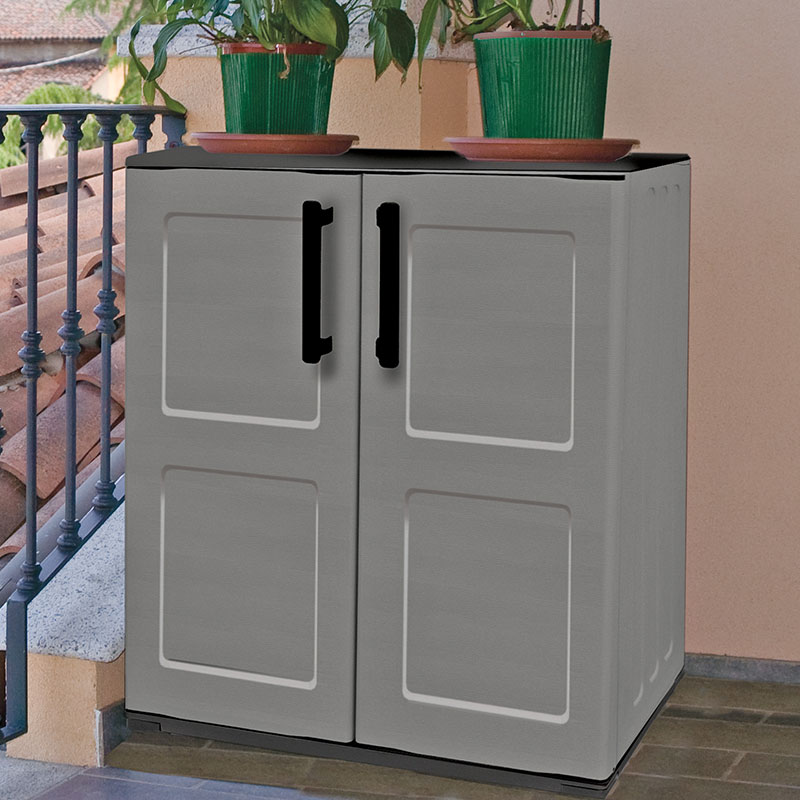
Some 1 m² designs are almost cube-like, which gives a more balanced look in a tiny courtyard. Others use a lean-to profile with a sloping roof so rainwater sheds away from the wall behind it. That can make a real difference where a full freestanding store would feel a bit clumsy. The shape you choose changes not just appearance, but what can actually be stored without wasted space.
- Vertical cabinets for narrow footprints and taller items
- Lean-to sheds for side walls, fences and tight run-off spaces
- Mini tool stores with front-access panels for quick grab-and-go use
- Box-style sheds where a more square internal layout is preferred
What plastic brings to a tiny shed, and why it matters here
In a small shed, the material is not just a technical detail; it affects how usable the space feels. Plastic construction keeps the weight down, which matters when the whole structure is meant to sit in a small, often slightly uneven spot. It also means the unit can be easier to position, especially where access is tight and there is not much room to manoeuvre.
Another advantage is the way plastic handles exposure. A shed this small is usually close to the house, near a path, or in a place where it catches both sun and rain. Weather-resistant plastic panels are handy here because they are not affected in the same way as untreated timber. For buyers who want the storage to look neat over time without the material turning fussy, that is part of the draw.
At this size, a small difference in material quality can be noticeable. Thicker wall sections, better-fitting joints and a more rigid roof panel all help the shed feel less like a box you have squeezed in and more like an intentional part of the garden layout. It is a modest thing, but it changes the experience every time you open the door.
Subtypes that suit different jobs, not just different tastes
The 0 sq ft / 1 m² category is compact, yes, but it still covers several useful subtypes. Tool cupboards are ideal when the main goal is to keep everyday items dry and close at hand. Bike accessory stores or small outdoor lockers can handle helmets, locks and pumps, though full bicycles usually need more room than this category offers. Then there are utility-style garden boxes, which may look simple from the outside but can be surprisingly handy for smaller bits and pieces that otherwise travel around the garden without a fixed home.
Some buyers look for a front-opening cabinet because it gives clear access in very narrow spaces. Others prefer a top-lid design for quick drop-in storage of smaller items, especially if the shed is being used more like a protected container than a walk-in space. With these compact units, the opening style really matters. A door that swings the wrong way can make the whole thing feel less useful, even if the internal volume is similar.
- Cabinet-style stores for tools and cleaning bits
- Low-profile boxes for clutter-free patio storage
- Lean-to units for boundary lines and narrow gaps
- Upright stores for vertical organisation in small gardens
Inside space: small, but not pointless
It is easy to assume that 1 m² means too little room to matter, but that depends on how the interior is arranged. A compact plastic shed can still offer a sensible amount of usable storage if the layout is thought through. Tall walls, a well-shaped roofline and a plain internal floor area can turn a tiny footprint into a proper home for garden essentials.
The best use cases are usually items that benefit from being off the ground and out of the way: hand tools, spare pots, twine, a watering can, plant feed, compact hose sets, or small folding furniture cushions. A structured interior is especially valuable here, because once you begin stacking loose items in a small store, it can feel crowded quickly. The difference between a shed that stores things and one that merely hides them is often down to the arrangement inside.
For people with very limited outdoor space, the point is not to store everything. It is to store the right things in the right place, so the rest of the garden can stay clearer and more relaxed. That sounds simple, but in practice it can make a patio or balcony-adjacent yard feel much easier to use.
Why these sheds suit city gardens, terraces and narrow strips
Plastic sheds of this size tend to work especially well where space is at a premium. A small city garden often has odd dimensions, boundary restrictions, or a layout that makes a full-size shed awkward. A 1 m² unit can sit where bigger storage would block movement or dominate the view. In terraced homes, that can be a real advantage, because the garden often has to serve several jobs at once.
They also suit side returns, tucked-away corners and spaces between outbuildings. If you only need a modest amount of protected storage, it can make sense to choose a smaller footprint rather than spend valuable ground on a shed that feels oversized. This is where the category shines: it solves a practical problem without asking for much room in return.
Some buyers use these sheds as a secondary store rather than the main one, keeping high-use items close to the back door. That means less walking back and forth for the things used most often. On rainy days, that convenience can matter more than people expect.
Plastic versus timber versus metal in this compact size
When the shed is tiny, the material comparison changes a little. In larger buildings, the feel of the structure can be judged from inside. In a 0 sq ft / 1 m² shed, the outside footprint and door arrangement matter more, so the material choice is about usability and appearance as much as build style.
Plastic is often chosen for its lighter weight and clean-lined look. It can suit contemporary gardens and small yards where a wooden store might look heavier than needed. Timber, by contrast, can feel more traditional, but in this size it can sometimes appear bulky unless the design is especially neat. Metal may offer a different look again, though for a very small garden store, the interior feel and access can be less forgiving if the structure is narrow or sharply edged.
With plastic sheds, the key difference is usually how the panels and joints come together. A well-shaped plastic unit can look quite discreet, and that discretion is often exactly what buyers want when storage has to sit close to living space.
Details that make a small shed feel properly considered
Because the category is small, little design details start to matter more than they do on bigger sheds. Door width is a big one. If a door opens too tightly or the access point is too narrow, everyday use becomes awkward fast. Roof shape matters too, because a gentle slope can help the shed sit more naturally against fences or walls, while a flatter top can work better in lower-height spaces.
Vent features may also be part of the design, depending on the model. In a compact plastic shed, even modest airflow can help the interior feel less boxed-in. Internal hooks or shelving points are useful, though not every shed in this category includes them, so it is worth checking what the unit actually offers rather than assuming the storage arrangement will sort itself out.
Then there is the matter of finish. A textured panel can make a small shed look less plain and help it blend into the garden. A smoother finish might suit a modern setting, especially if the shed sits near a paved area or contemporary fencing. None of this is decorative fluff; in a compact product, the visual and practical effects are closely linked.
What to check before choosing one
With a tiny shed, it is worth measuring the intended spot properly and then measuring again. External dimensions matter, but so do the opening arc of the door, the clearance needed at the front, and whether a wall, drainpipe or fence post cuts into the usable space. A shed can technically fit the footprint and still feel awkward if the door cannot open fully.
Think about the items going inside and compare them to the shed’s interior layout, not just the outer size. If you need long tools, you will want height. If you want quick access to smaller items, a lower front-opening shape may work better. If the shed sits in a damp or shaded patch, the base and panel fit become more important too, because tiny units tend to be used hard and noticed quickly when something is off.
- Check door swing and clearance before deciding
- Match the internal height to the items you want to store
- Look at whether the shed is better against a wall or standing alone
- Consider whether you need a vertical or horizontal layout
Why buyers keep coming back to compact plastic storage
There is something quietly satisfying about storage that does its job without taking over the garden. That is the real strength of a plastic shed in the 0 sq ft / 1 m² range. It gives you a dedicated place for the awkward bits, the everyday bits, and the things that never seem to have a home. It can keep a patio less cluttered, a side return less messy, and the back door area easier to live with.
For buyers who are trying to make a limited space work harder, this category offers a sensible middle ground. It is not pretending to be a full workshop or a big garden building. Instead, it provides compact, weather-resistant storage that can be placed where a larger shed would simply get in the way. That honesty is part of the appeal.
And because the style is usually neat and unobtrusive, it can blend into the garden rather than competing with it. In a small outdoor space, that matters. The best storage is often the kind you stop noticing after a while, because everything around it just works a bit better.
Picking the right version without overcomplicating it
If you are choosing between different plastic shed styles in this size, start with use rather than looks. A tall cabinet makes sense for tools and slim items. A low locker is better for keeping things near the ground and out of sight. A lean-to suits a boundary or wall-mounted position. A boxy mini store can feel more balanced where the available space is square rather than narrow.
The difference is often in how easy the shed is to live with day to day. A design that opens comfortably, lets you see what is inside, and does not crowd the garden path will usually feel like the better buy, even if it looks plain on paper. That is the thing with these very small sheds: if the shape is right, they do a lot of quiet work for very little footprint.
Plastic sheds 0 sq ft / 1 m² may be compact, but they are not a compromise in the way people sometimes expect. In the right garden, they are a neat answer to a very real storage problem.
[Sassy_Social_Share]