
Planting with Barrel Roof - Best Deals in UK!
Showing all 3 results
-
41% OFF: Forest Venice Wooden Garden Planter 6′ x 2′ (1.8m x 0.5m) £199.9941%

-
26% OFF: Forest Toulouse Wooden Garden Planter 3’3×1’4 (1.0×0.4m) £139.9926%

-
20% OFF: Forest Venice Wooden Garden Planter 6′ x 2′ (1.8m x 0.5m) £269.9920%
Barrel roof planting brings a curved, practical shape to garden spaces, with options for compact crops, sheltered beds and neat lines that make the most of light, height and rain run-off.
Why the barrel roof shape works so well
The barrel roof form is easy to spot: a rounded top that sits somewhere between a tunnel, an arch and a shallow vault. In planting areas, that shape changes how a space feels and performs. It softens the look of a bed, gives a clear sense of structure, and can make a plot feel more ordered without looking stiff. For shoppers comparing garden categories, this is often the appeal: the shape is not only decorative, it also affects how plants sit inside the space.
Compared with flat-topped layouts, a barrel roof can create a more even spread of height. That matters when you want room for climbing crops, small shrubs, herbs or mixed seasonal planting. The curve also helps define the planting area visually, which can be useful in gardens where space is limited and every section needs to do a bit more work.
Forms that make the difference
There are several barrel roof styles that suit planting, and the differences are worth noting if you are choosing for a border, bed or covered growing area.
Bestseller der Kategorie Planting with Barrel Roof
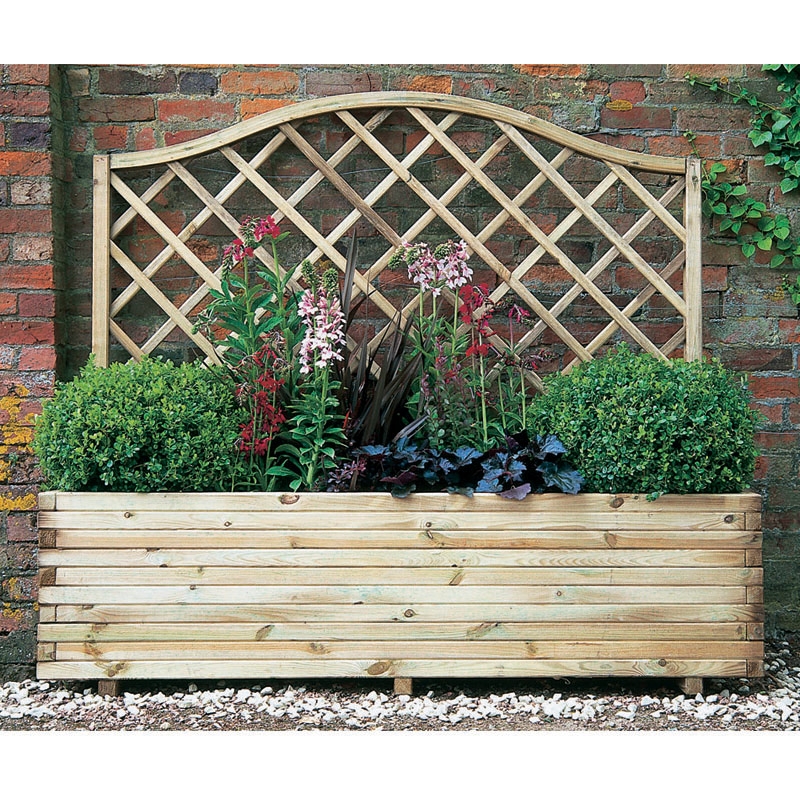
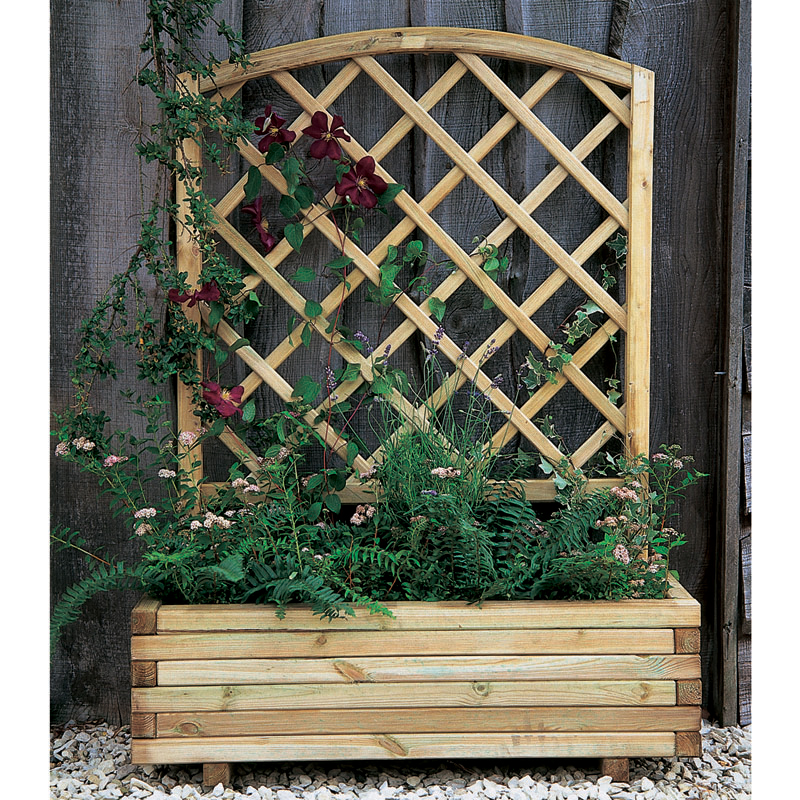
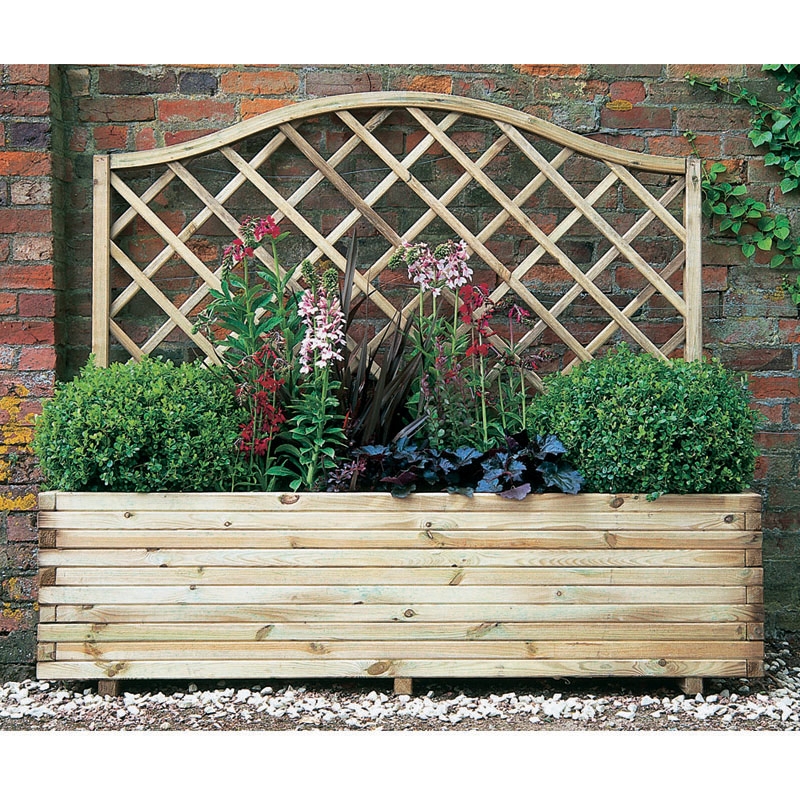
- Full barrel roof — a deeper curve with a clear arc from one side to the other. This suits taller plants and creates a more enclosed feel.
- Low barrel roof — a gentler rise, often chosen where you want shelter without losing too much open headroom.
- Segmented barrel form — made up of repeated curved sections, giving a tidy, modular look.
- Shallow vaulted shape — close to a barrel roof but flatter through the middle, good for lower crops or narrow plots.
- Extended barrel span — wider across the top, useful where planting rows need extra room for spread.
These forms are not just visual variations. A deeper curve can give more vertical space, while a lower one keeps the planting profile compact. That difference matters when you are working with herbs, salad leaves, beans or bedding plants that all behave a bit differently as they grow.
What to plant under a curved roof
Barrel roof planting suits a broad mix of plants, but the best results usually come from matching plant habit to roof shape. Tall, upright crops can make use of the centre line, while lower growers fit neatly at the edges. Climbers often suit the curve particularly well because they can follow the shape rather than fighting against it.
- Climbing beans and other twining crops, which use the height nicely.
- Cucumbers and trailing fruiting plants, where the curved support gives a tidy route upwards.
- Salad crops and leafy greens, which like the even shelter in a barrel-shaped cover.
- Herbs such as basil, parsley and coriander, especially in compact layouts.
- Tomatoes, if the structure gives enough room for airflow and ties.
- Low flowering plants for edging, where the rounded roof frames the bed without overwhelming it.
In a decorative garden setting, the shape can also be used to combine edible planting with a few neat ornamentals. The rounded roof helps the whole area read as one feature rather than a jumble of separate pots or rows.
Shape, space and planting rhythm
The real advantage of a barrel roof is the way it influences space planning. Straight-edged planting zones can feel a bit rigid, while a barrel roof brings in a gentler rhythm. Rows can follow the curve, containers can echo it, and the overall layout starts to feel more considered.
That is handy if your garden has odd corners or narrow runs between paths. A barrel roof shape can make a long planting strip feel less flat and more intentional. It also lets you play with height: taller specimens in the middle, medium plants around them, lower ones at the outer edge. This layered structure can give the planting more depth without needing a larger footprint.
Useful differences between barrel roof and other roof forms
If you are comparing barrel roof planting to other curved garden forms, the differences are fairly clear once you look at the profile.
- Versus a flat roof: the barrel roof sheds water more naturally and gives more vertical room in the centre.
- Versus a pointed arch: the barrel shape feels steadier and less peaked, with a smoother line over the planting area.
- Versus a greenhouse ridge roof: the barrel roof is more rounded, so it creates a softer outline and often suits informal garden schemes better.
- Versus a tunnel shape: the barrel roof usually looks more structured and less temporary, which can matter in a designed garden space.
These distinctions may sound small, but they change how the whole category is used. Someone wanting a clean, rounded planting feature may prefer barrel roof forms. Someone needing maximum headroom or a more angular look might choose something else. It depends on the planting style, not just the shape itself.
Good reasons buyers choose this style
Shoppers often come to barrel roof planting for a mix of practical and visual reasons. The shape gives a sense of shelter, which can be useful for more delicate plants or for creating a more controlled growing area. It also tends to look neat from a distance, which is useful in front gardens, kitchen gardens and narrow side plots where visual order matters as much as function.
Another reason is versatility. A barrel roof can suit a single bed, a grouped border or a repeated line of planting sections. It can be used to link different parts of a garden together, or to create a focal area that feels deliberate rather than improvised. For buyers trying to make one part of the garden feel finished, that can be a strong point.
Tips that help the shape work harder
Because barrel roof planting depends on form as much as plant choice, a few layout decisions make a real difference. None of these are fussy details; they are the sort of practical points that help the whole set-up look and feel right.
- Match plant height to the curve so the middle does not look crowded and the edges do not feel empty.
- Keep repeated spacing when using several barrel roof sections, as this makes the shape read clearly.
- Use the curve to guide lines for tying, training or edging, instead of forcing straight lines into a rounded form.
- Choose mixed textures if you want the barrel roof to stand out, since soft foliage and upright leaves contrast well against the arch.
- Allow enough width for spreading crops, because a narrow barrel can look neat but feel cramped very quickly.
A common mistake is to treat the barrel roof as only a cover or only a decorative shape. It works best when both aspects are considered together. The planting should suit the outline, and the outline should leave the plants looking natural, not squeezed into place.
Different garden looks you can create
One of the more attractive things about this category is how differently it can read depending on what is planted. A barrel roof planted with herbs feels practical and kitchen-garden oriented. The same shape filled with trailing flowers looks more relaxed. A run of beans or climbing crops gives a sharper, more productive look. That flexibility is useful for buyers who want a feature that can shift with the season without needing a full redesign.
In compact town gardens, a barrel roof planting area can create a tidy centrepiece. In larger plots, it can be used as a repeated motif that ties several beds together. The rounded form also suits mixed planting where height changes gradually across the space. That avoids harsh breaks and gives the eye somewhere easy to travel.
Where the barrel roof feel is especially useful
Some settings suit this category more than others. A barrel roof form tends to work well where structure, shelter and visual order are all important. It is often a good fit for:
- Kitchen gardens, where productive planting needs clear organisation.
- Courtyard gardens, where space is tight and shape does a lot of the visual work.
- Raised bed layouts, where the curved roof can echo the clean edges of the bed.
- Mixed ornamental borders, especially where you want soft lines rather than blocky sections.
- Small growing spaces, where the shape helps create a defined feature without taking over.
In each case, the barrel roof is doing more than looking decorative. It gives the planting a sense of direction. That may sound simple, but it often makes the difference between a patch that feels arranged and one that feels a bit accidental.
Buying with the shape in mind
When people shop this category, they are often choosing between subtle differences rather than completely different products. A slightly deeper curve may suit climbing crops better. A lower profile may fit a small plot more comfortably. A segmented barrel shape might look more formal, while a softer arc may suit a looser style of planting. These are the sorts of details that matter once you start matching the category to a real garden.
If you are building a feature around the barrel roof idea, think about the plants first and the outline second, or perhaps the other way round if the shape is the main attraction. The best choice is usually the one that gives you enough room for growth, enough shelter for the planting style, and a line that looks good from the path, patio or window.
A shape that earns its place
Barrel roof planting offers a blend of form and function that feels useful rather than forced. It can support climbers, frame low growers, organise mixed planting and soften the look of a garden section without losing structure. The differences between full, low, segmented and shallow forms give buyers room to match the shape to the space, which is often what makes the category worth exploring in the first place.
For anyone looking for a planting style with a clear outline, a rounded profile and room for several plant types, the barrel roof form is an easy one to build around. It brings order, shape and a certain calm to a garden layout, while still leaving plenty of room for variety.
[Sassy_Social_Share]