
Planting under £300 - Best Deals in UK!
Showing all 4 results
-
40% OFF: 5’3 x 5’3 Forest Linear Corner Wooden Planter (1.6m x 1.6m) £203.9940%

-
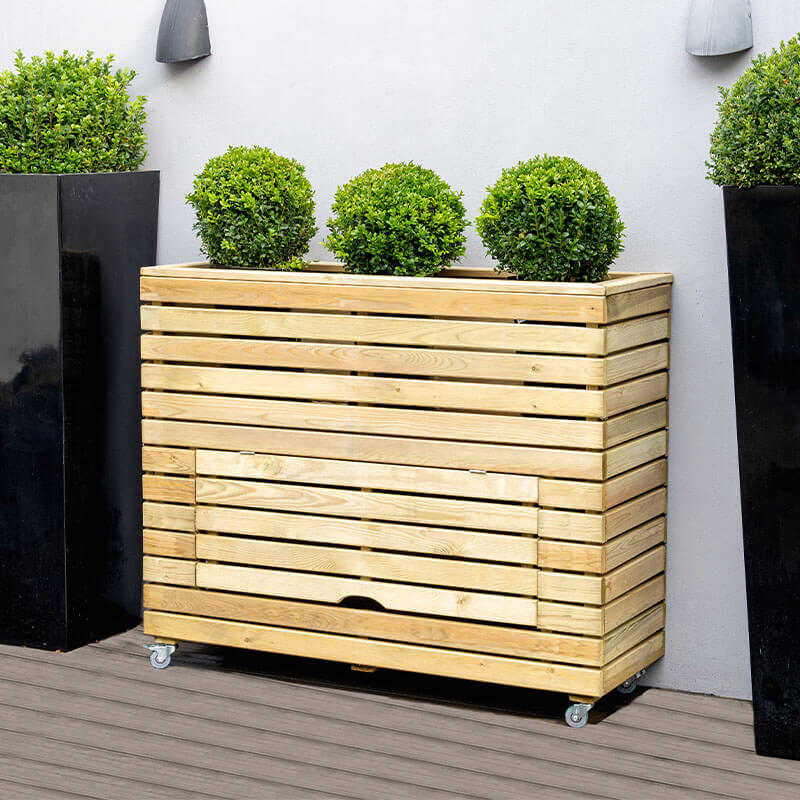
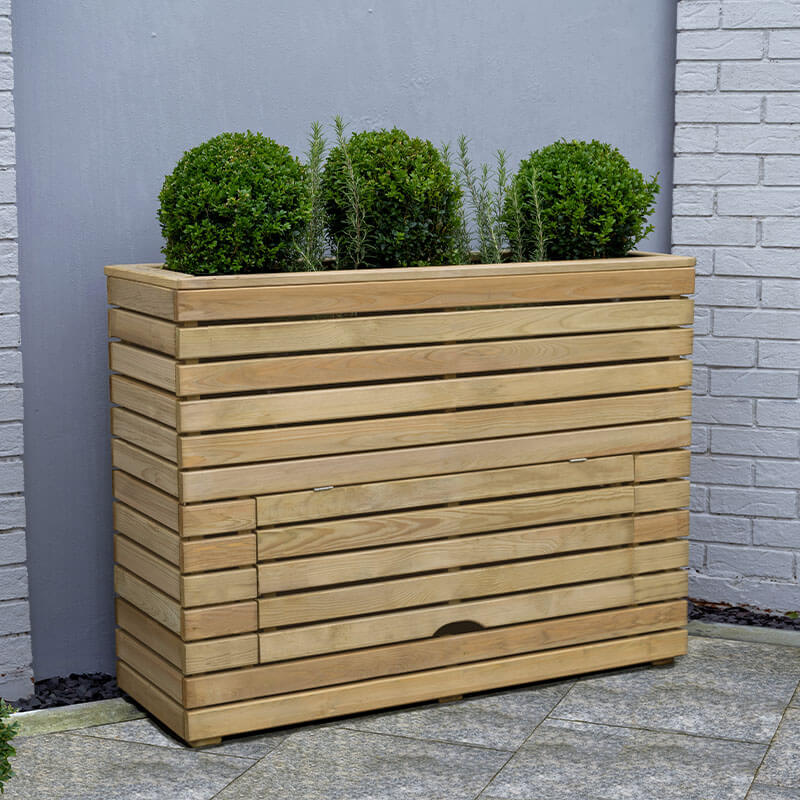
22% OFF: 3’11 x 1’4 Forest Linear Tall Wooden Garden Planter with Storage (1.2m x 0.4m) £232.9922%

-
21% OFF: 3’11 x 1’4 Forest Linear Tall Wooden Garden Planter with Storage and Wheels (1.2m x 0.4m) £227.9921%
-
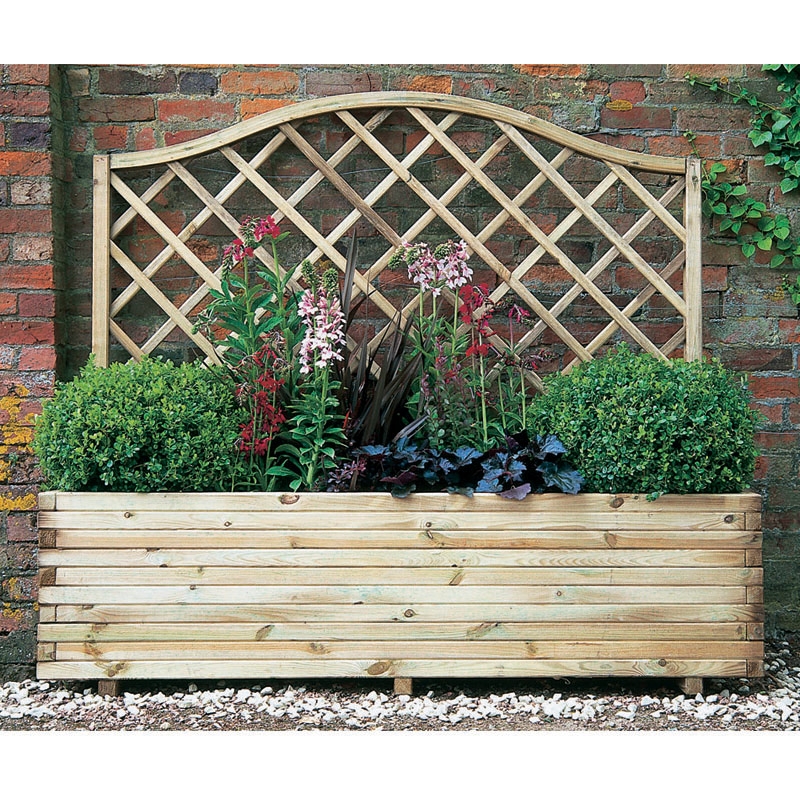
20% OFF: Forest Venice Wooden Garden Planter 6′ x 2′ (1.8m x 0.5m) £269.9920%

Planting under £300 gives you room to build a proper garden scheme without stretching the budget: bulbs, shrubs, perennials, climbers, grasses and container plants that look considered, not cobbled together.
What £300 can actually put in the ground
A £300 planting budget is enough to move beyond single impulse buys and start thinking in groups, repeats and layers. That matters, because a garden rarely feels finished from one plant alone. It needs a mix of structure, seasonal interest and a few softer fillers so the planting reads as a whole. With this budget, you can usually cover a small border, refresh a front garden, or build a few strong containers with enough left over to add contrast in leaf shape, height and flowering time.
The trick is to choose plants that do different jobs. A border that combines evergreen framework, flowering perennials, bulbs for early colour and maybe one or two climbers tends to look more complete than a box of random colour. Under £300, that balance is possible if you mix plug plants, smaller pot sizes and a few more established specimens where it matters most.
Small plants, bigger effect
It is easy to overlook young plants, but in budget planting they are often the smartest choice. Plug plants and smaller pot sizes let you buy more variety for the same money, which helps when you want repeated drifts rather than single specimens. That is especially useful with perennials and annual bedding, where the visual payoff comes from planting in groups.
Bestseller der Kategorie Planting under £300

There is a difference between buying one substantial shrub and buying five smaller plants. The larger plant gives instant presence, but the smaller ones can create a broader sweep and often feel more natural once they knit together. For a category focused on planting under £300, that comparison matters. If you want impact straight away, put the biggest slice of the budget into a few structural plants. If you want more coverage and texture, spend on multiples of the same variety and repeat them through the space.
Plants that pull their weight in a budget scheme
Some plant types tend to do more with less. Perennials are a strong choice because they return season after season and can fill gaps between shrubs and seasonal planting. Look at forms such as tufting perennials, spreading perennials and upright clump-formers; each gives a different finish. Tufting types soften edges, spreading types bridge bare soil, and upright clumps add a clearer shape in the border.
Bulbs also earn their place in a budget. They bring timed bursts of colour and work well underneath later-growing plants. In practical terms, that can mean spring bulbs for early structure, summer bulbs for mid-season colour, and a few autumn-flowering choices to keep the display moving. Bulbs are not just about flowers either; their narrow, vertical leaves can contrast nicely with broader foliage plants.
Shrubs are slower to change but often more useful than they first seem. A compact evergreen shrub can anchor a bed, while a flowering shrub gives one main event and some leafy shape around it. The difference between shrubs is not only flower colour. There are upright shrubs, mounding shrubs, spreading shrubs and architectural forms. Each suits a different role. Upright types help with height, mounding forms fill space neatly, and spreading shrubs can soften corners or edge paths.
Layering the look without layering the bill
A planting plan under £300 often works best when it is built in layers. That does not mean complicated. It simply means choosing plants for the back, middle and front of a border, or for the centre, skirt and edge of a container grouping. This is where you can make even a modest spend feel more intentional.
For the tallest layer, think about climbers, taller grasses or a couple of upright shrubs. In the middle layer, use perennials with different leaf shapes and flower forms. At the front, add lower growers, edging plants or small bulbs that slip between gaps. The differences in form matter: spires feel more formal, umbels and daisy-like flowers feel open, and panicles often give a lighter, looser texture. Using all three in one scheme can stop the planting from looking flat.
Colour groups that look sorted, not random
When people shop on a budget, colour is often the first thing they notice, but it is usually better to think in colour groups rather than single shades. A planting scheme based on soft pinks and silvery foliage feels different from one built around hot oranges and dark leaves, even if the spend is similar. Under £300, a tight palette often looks more composed.
That said, contrast has its place. White flowers can lift stronger colours, while purple brings depth beside pale lime or grey-green leaves. Yellow works well in small doses, especially where you want to catch light at the edge of a path or in a container. If you are buying several plants at once, it helps to decide whether the scheme should feel cool, warm or mixed. Mixed is fine, but too many unrelated tones can make a budget planting look accidental.
Forms and shapes worth paying attention to
There is more to buying plants than flower colour. The shape of the plant changes how the whole area reads. A border with rounded mounds feels calm and full. One with tall verticals feels slimmer and more structured. A mix of the two usually gives the most useful result, especially if the planting area is not very large.
Some forms to look out for include tufted grasses, rosette forms, arching stems, upright plumes and trailing plants. Tufted grasses are handy for texture and movement. Rosettes work well when you want a low, neat base. Arching stems soften hard edges, while plumes and upright flowers make a stronger focal point. Trailing plants are useful for pots, raised edges and the front of tiered displays. Mixing these forms gives a planting scheme more depth without needing a bigger budget.
Choosing by use, not just by name
Plants under £300 often need to earn their place by doing a clear job. A container plant should have a strong outline or a reliable flowering habit. A border plant should either fill space, repeat well, or add a contrast that is missing elsewhere. A climber should bring height, screening or a vertical line that the rest of the garden lacks.
- Border fillers: useful for closing gaps and creating a fuller look.
- Feature plants: a single shrub, grass or climber that gives the eye somewhere to land.
- Edging plants: lower forms that sharpen the front of a bed or path.
- Container stars: plants with clear shape, repeat flowers or striking foliage.
- Seasonal lifts: bulbs or short-run colour that change the mood through the year.
The budget split that usually makes sense
There is no fixed formula, but a sensible split can stop the spend drifting into too many little purchases. A lot of gardeners find it useful to reserve the largest portion for structure: shrubs, grasses or a climber. The next portion can go on perennials for fullness and repetition. Then a smaller amount can be left for bulbs or seasonal colour to keep the display moving.
This way of buying matters because structure plants are usually the ones that make the border look deliberate. Without them, a bed can end up full of lovely flowers that still feel a bit temporary. The budget does not need to be split evenly. In fact, it usually should not be. A few stronger plants often do more than many weak ones. Slightly annoying perhaps, but true.
Different plant types, different results
Evergreen plants give continuity. They hold shape through the year and make a planting scheme feel anchored even when flowers are sparse. Deciduous shrubs bring a softer seasonal rhythm, often with better flower displays or autumn colour. Herbaceous perennials die back and return, which makes them useful for changing texture through the seasons. Annuals offer fast colour for one season, which is handy if you want the area to look full quickly.
The real difference is how long each type stays visible and how much work it does for the budget. Evergreens can be the quiet backbone. Perennials carry the middle layer. Annuals fill space and add short-term colour. Bulbs bridge gaps between seasons. When these are combined well, even a modest spend can look layered and complete.
Where the money tends to go furthest
Some purchases simply stretch further. Repeated smaller plants of one kind often look better than a large mix of single specimens, because repetition creates rhythm. If you are buying for a border, three or five of the same plant can be more effective than one each of five different plants. That does not mean everything should match. It just means the eye needs a few repeated notes to follow.
Ground-covering plants can also offer strong value if you are covering a patch of bare soil or joining two planting areas together. Their job is not always to stand out, but to make the scheme look finished. Likewise, a compact clump-forming grass can add movement and texture without needing much space. These are the quiet jobs in the planting mix, and they often end up being the most useful.
Useful buying tips for a tighter spend
If you are building a planting plan under £300, it helps to shop with a clear shape in mind rather than chasing every tempting pot on the table. Start with the space: narrow, wide, sunny, sheltered, container-based, or a bit of all three. Then look for plants that answer the same question. Do you need height, width, flowers, leaves, or something that links two areas together?
- Buy in groups where possible, so the planting reads as one scheme.
- Mix plant heights to avoid a flat, one-note border.
- Repeat foliage shapes as well as flower colours.
- Use one or two focal plants and let the rest support them.
- Leave space for bulbs or fillers if the bed still looks too open.
Why this category works for real gardens
The strength of a Planting under £300 category is that it suits people who want visible change without overcommitting. You can refresh a front bed, rebuild a tired container group, or give a new garden a proper starting point without feeling like every plant has to carry too much on its own. That is useful, because the best planting usually comes from balance, not from one expensive purchase doing all the work.
It also gives room to compare plant forms and choose what fits the space rather than just the price tag. Some buyers want low mounds and neat edges. Others want airy grasses, clipped shapes, or a wall of climbers and seasonal colour. Under £300, there is enough flexibility to choose a direction and still add the odd extra for texture. Not everything needs to be grand. It just needs to work together.
Final choices that feel worth it
When you are browsing this category, look for plants that offer a clear role: framework shrubs, flowering perennials, bulbs with timed interest, climbers for height, and textural plants that stop the whole thing feeling one-dimensional. Differences in flower shape, leaf size and plant habit matter more than many people expect. They are what make a budget planting scheme look edited rather than improvised.
If the aim is to spend up to £300 well, the best purchases are usually the ones that solve more than one problem at once. A shrub that gives shape and flowers. A perennial that fills and repeats. A bulb mix that adds early lift. A grass that softens hard lines. That is the kind of planting that keeps paying its way, and it does not need to shout about it.
[Sassy_Social_Share]