
Planting 4x1 - Best Deals in UK!
Showing all 4 resultsSorted by price: low to high
-
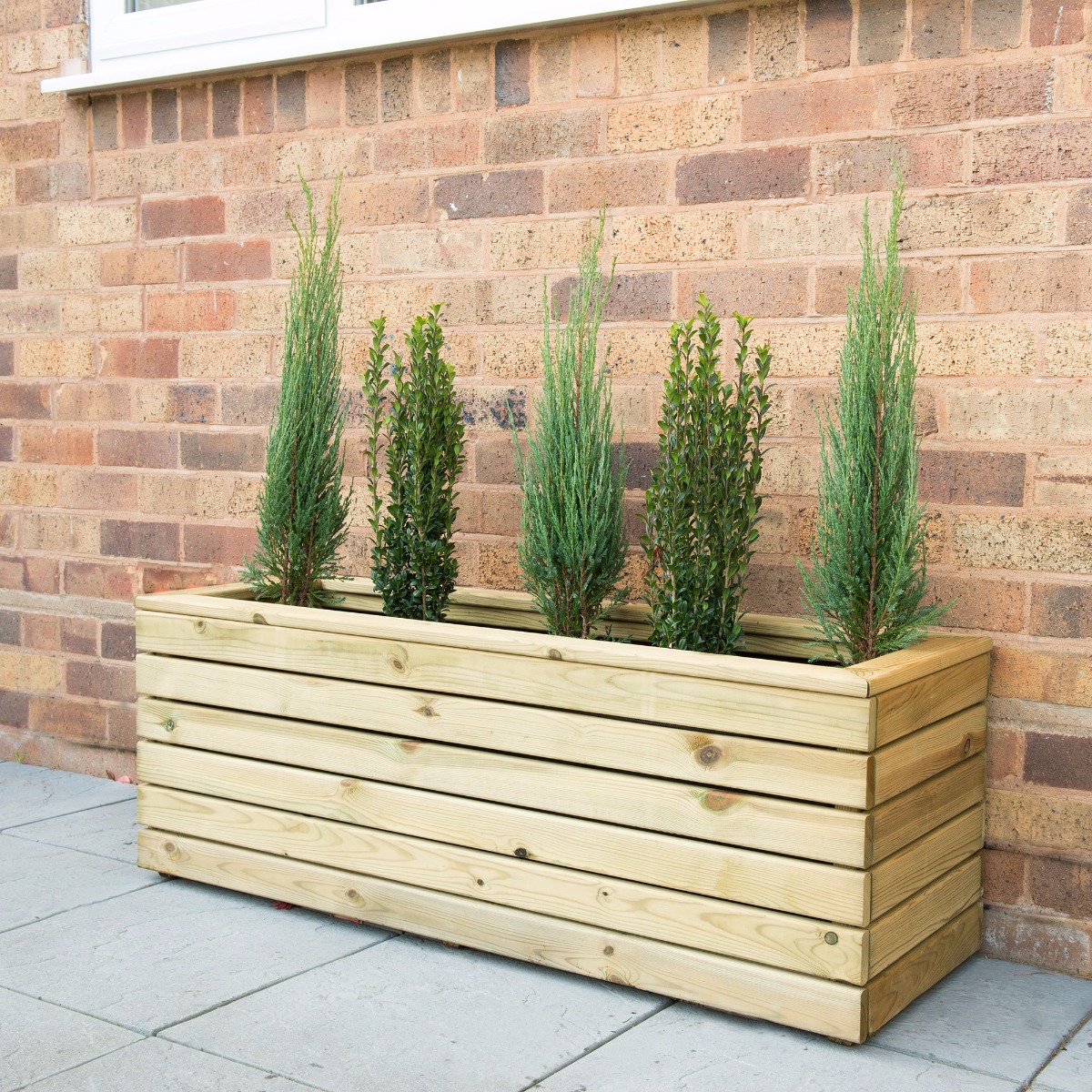
37% OFF: Forest Linear Long Wooden Garden Planter 4’x1′ (1.2×0.4m) £99.9937%
-
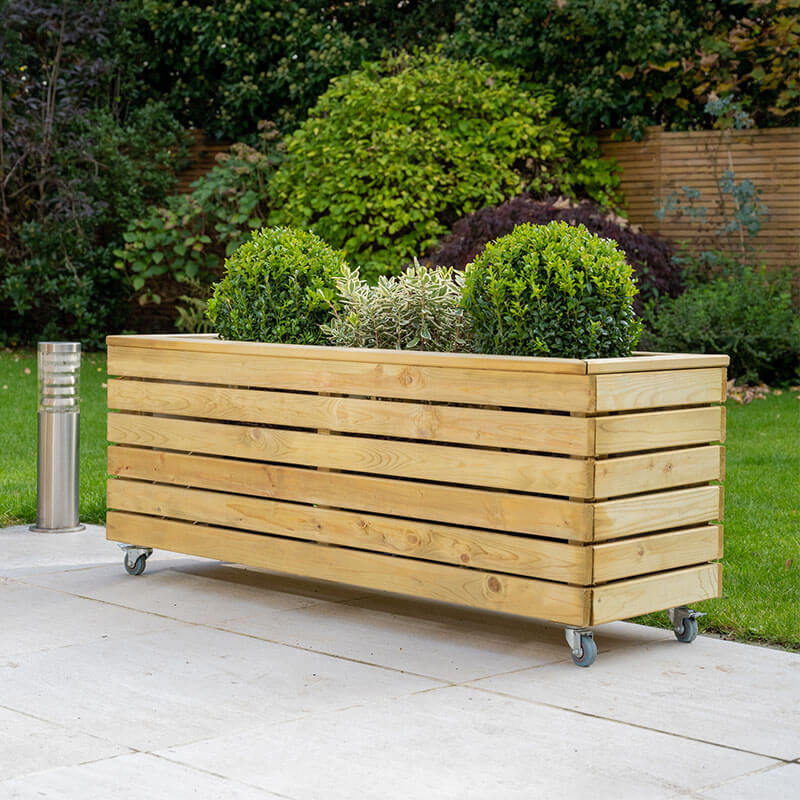
23% OFF: 3’11 x 1’4 Forest Linear Long Wooden Garden Planter with Wheels (1.2m x 0.4m) £145.9923%
-
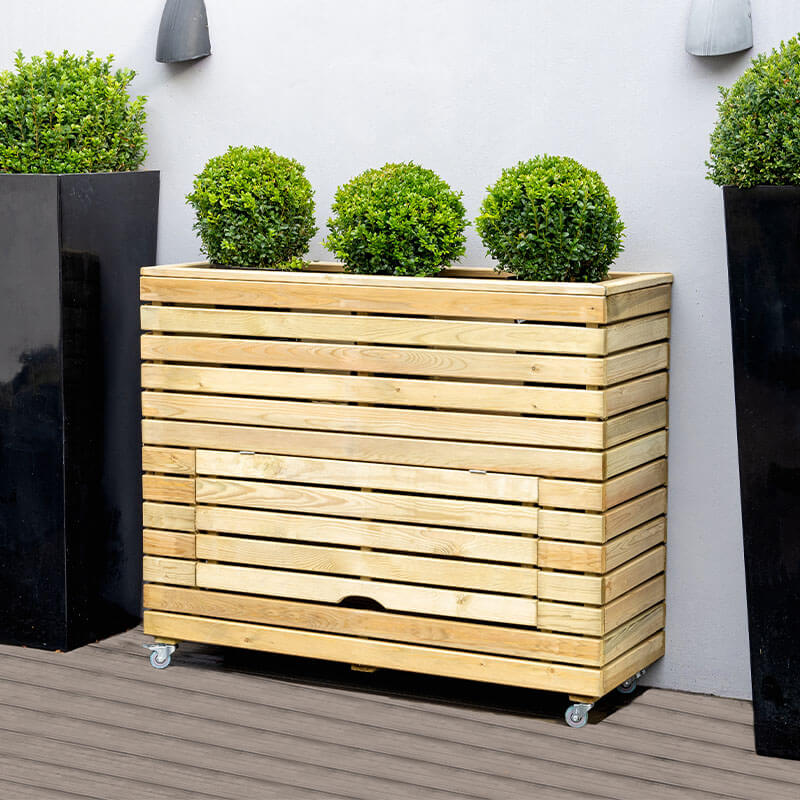
21% OFF: 3’11 x 1’4 Forest Linear Tall Wooden Garden Planter with Storage and Wheels (1.2m x 0.4m) £227.9921%
-
22% OFF: 3’11 x 1’4 Forest Linear Tall Wooden Garden Planter with Storage (1.2m x 0.4m) £232.9922%

Planting 4×1 is a practical, space-smart format for narrow beds, long borders and tidy row planting, giving you a clear layout for herbs, flowers, fruit and compact veg in one disciplined line.
Popular products in this range
Why the 4×1 format works so well
A 4×1 planting layout is easy to read at a glance: four units across, one unit deep. That simple shape makes it useful where you want a controlled planting line instead of a broad, crowded bed. It suits small gardens, side returns, fence runs, patio edges and raised planters where every centimetre matters.
Because the format stays narrow, plants do not have to compete for light in the same way as they might in a deeper mixed bed. You can organise by height, colour, crop type or flowering time, and the result feels ordered without looking stiff. For buyers planning a neat garden set-up, this shape is often the difference between “we’ll fit it in somehow” and a layout that actually works.
The different kinds of planting you can build into it
Planting 4×1 does not mean one fixed style. It can be adapted to several planting types, depending on the look and the use you want.
- Row planting for a crisp, structured effect
- Block planting if you want denser coverage in the four sections
- Mixed planting with repeated plants for rhythm and balance
- Successional planting where the four areas are filled in stages
- Container-style planting when the 4×1 area is a narrow raised feature or trough
Each version gives a different feel. Row planting is the most formal and easiest to read. Mixed planting brings more texture, while repeated blocks can make a small space look intentionally designed rather than improvised.
Forms that suit the 4×1 shape
The shape itself gives you a lot of choice. A 4×1 format can be used in long, slim beds, segmented planters, edging strips and linear displays. It works especially well when the planting zone needs to follow a boundary, such as a path, wall or fence line.
Some buyers prefer a single-row form, where each plant has a clear position and the whole line feels sharp and tidy. Others like a staggered form, which softens the edge a little and helps the planting look fuller. A repeated four-part form is useful when you want identical sections, for example for herbs, bedding plants or salad crops. All three approaches make the most of the same footprint, but the outcome looks quite different.
What you gain from a narrow, ordered layout
The real benefit of planting 4×1 is not just that it saves space. It is that it gives you control over spacing, access and visual rhythm. That matters if you want a bed that is easy to understand and simple to shop for.
- Clear structure for neat garden design
- Efficient use of space in smaller plots
- Simple plant grouping by colour, type or use
- Better visibility for each plant in the line
- Easy replacement when one plant needs swapping out
It also helps when you want repeat purchases. If one area needs topping up, you can return to the same shape and buy the same kind of plant again without rethinking the whole bed. That kind of consistency is handy, especially for shoppers who prefer a reliable layout over trial and error.
Choosing between flowers, herbs and compact crops
One of the best things about a 4×1 planting scheme is that it can be used for different plant groups without losing its shape. With flowers, the layout can be used to repeat colour bands or build a layered border. With herbs, the four sections can separate stronger growers from softer ones. With compact vegetables, the format gives you an easy way to keep crops organised and visually tidy.
Some plants work better in a defined line because they keep their shape, while others are better in grouped blocks where the planting can look fuller. Low, upright plants tend to suit the narrow format well. Wider-spreading varieties can also work, but only if they are matched with enough room and not crammed in just because the area looks empty at first. That mistake is common, and it’s one that usually shows later.
Differences that matter when you are comparing options
When people search for Planting 4×1, they are often really comparing how the format will behave once it is planted up. The differences are worth noticing before you buy.
- Single-species planting gives a cleaner, more uniform look
- Mixed-species planting adds texture and a softer finish
- Dense planting fills space quickly but needs a careful match of plant sizes
- Open planting gives each plant room and feels less crowded
- Formal spacing suits sharp edges, while looser spacing looks more relaxed
The choice comes down to what you want the bed to do. If it is mainly there to frame a path or wall, formal spacing is usually the better fit. If you want a little movement and variety, a mixed planting can work well, as long as the plants are chosen with similar growing habits. No point putting together plants that all want to behave differently in the same narrow strip.
How the four parts can be used together
The “4×1” idea is useful because it creates four clear planting zones within one slim space. That makes it easy to build a small plan with purpose. One section might hold upright plants, another low spillers, another seasonal colour, and the last a plant with a slightly stronger visual shape.
This kind of division is handy for gardeners who like order but do not want the garden to look overly rigid. It also helps when you want to separate plants by function. For example, one strip can be edible, another decorative, another evergreen, and another for a seasonal change. That gives the bed more use without making it messy.
Useful tips before you choose your planting combination
There are a few practical things worth checking before deciding which plants to place into a 4×1 arrangement. These are not complicated rules, just the sort of details that stop a good idea turning into a cramped one.
- Match plant width to the narrow shape, not just the label photo
- Think in repetition if you want a tidy, shop-friendly look
- Leave room for edges so the line still reads clearly
- Choose plants with similar habits where possible
- Use the four sections to separate colours or uses, instead of mixing everything at once
It is also worth noticing the difference between plants that fill out neatly and plants that spread in a more awkward way. In a 4×1 layout, that difference matters more than in a broad border because there is less room to hide a poor match. A plant that looks modest at first can quickly take over a slim bed if it has the wrong habit.
For shoppers who want neat results without fuss
Planting 4×1 appeals to buyers who want a result that feels planned from the start. The format makes shopping easier because you can think in terms of sections rather than a huge blank space. That can help when choosing matching plants, replacement plants or a coordinated set for a border, trough or raised run.
It also supports a more considered look. Repeating shapes, repeated colours and similar plant heights can all sit well in this layout. Even a modest selection can look properly arranged when the four-part structure is used well. And because the bed is narrow, the main features stay visible instead of disappearing into the middle of a crowded patch.
Planting ideas that suit the layout
If you are building a Planting 4×1 display, the most useful approach is usually to think in layers of shape and purpose rather than just picking plants at random. A good combination might include one upright feature, one middle-height filler, one low edging plant and one repeat element to link the sections together.
That sort of balance gives the arrangement a proper finish. It can be formal, relaxed or somewhere in between, depending on the plants chosen. The main thing is that each part of the layout does a job. That makes the whole category useful for buyers who want a planting plan that is easy to visualise before they add items to the basket.
What makes this category worth browsing
This category is a smart place to start if you are looking for structured planting ideas that fit narrow spaces and still offer variety. It gives you a clear way to compare forms, from rigid rows to softer mixed sections, and it helps you pick plants that actually suit the space instead of hoping they’ll sort themselves out later.
Whether you are filling a slim border, arranging a planter line or planning a compact display with more order than guesswork, Planting 4×1 gives you a shape that is easy to work with. It is tidy, flexible and practical in a way that feels quite natural once it is in place. And if you like a garden purchase that solves a layout problem without adding more of one, this is the sort of category that makes sense straight away.