
Pergolas under £500 - Best Deals in UK!
Showing the single result

Pergolas under £500 offer a stylish way to define outdoor seating, create shade, and frame a patio or garden without pushing the budget too far.
Shape the space without stretching the spend
A pergola under £500 is often the sweet spot for people who want a proper outdoor feature rather than a throwaway frame. At this price, you can still find designs that give a garden structure, make a seating area feel more finished, and bring a bit of shape to an otherwise open space. The key is knowing which type suits your garden, because a pergola is not just a pergola. Some are made for a tight courtyard, some are better over a dining set, and some are more about creating a visual frame than full-on shade. That difference matters when you are trying to keep the purchase sensible.
Within this price band, you will usually see a mix of wooden pergolas, metal pergolas, and wall-mounted or freestanding designs. Each one changes the look, the amount of shelter you get, and how much space it takes up. The budget also tends to influence the roof style, with open slats, lattice tops, and simpler canopy options being the most common. None of that is a bad thing. In fact, it can be a help, because it means you can choose a pergola for the way you actually use your garden, not just for the picture on the listing.
Freestanding, wall-mounted, or somewhere in between
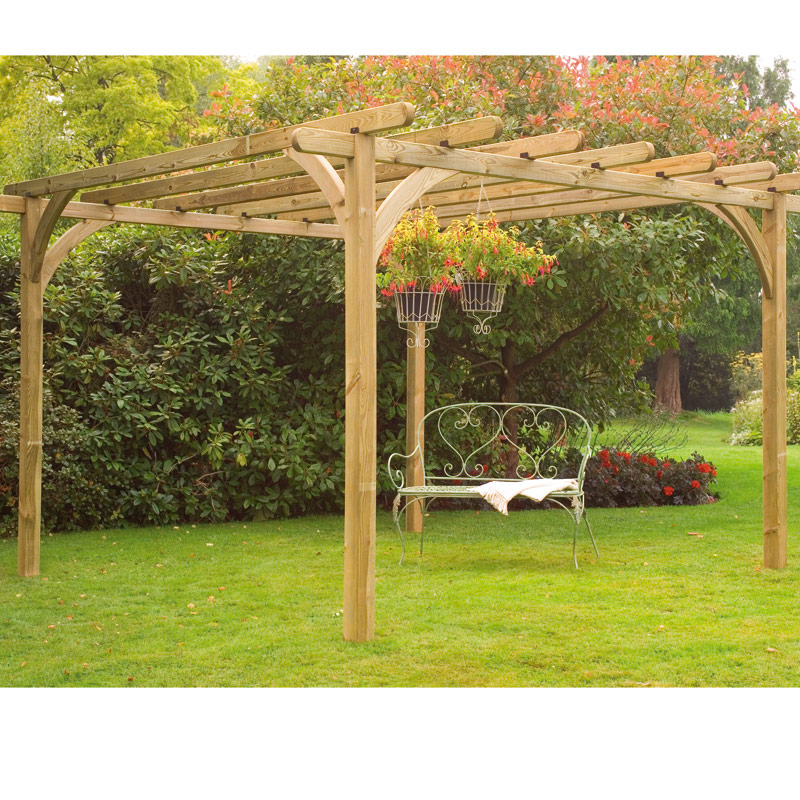
Freestanding pergolas are the easiest type to picture. They stand on their own, which makes them handy if you want to create a separate zone in the garden, maybe for dining, lounging, or a hot tub cover area. They usually need a bit more room, but they also give more freedom with placement. A freestanding frame can sit on a patio, decking, or a paved corner, and because it is not fixed to a wall, it gives the garden a more central feature.
Bestseller der Kategorie Pergolas under £500
Wall-mounted pergolas suit smaller gardens or patios where every inch counts. They attach to a wall or house side, so one edge is supported already. That can make them feel less bulky, and often a touch more practical if you want partial cover by a back door or near an outdoor table. The look is a bit cleaner too, especially in compact spaces where a full free-standing structure would feel too heavy.
Then there are semi-pergola styles, which may use one wall fixing and front posts, or a simpler frame with a lighter top section. These are useful when you want the idea of a pergola without a large footprint. They are not always labelled the same way by every retailer, which can be mildly annoying, but the setup is often easy to spot once you look at the support points.
Wood grain warmth or metal edge?
The material makes a big difference to the mood of the garden. A wooden pergola brings a softer, more natural feel. It works well in cottage-style gardens, planted spaces, and patios with timber furniture. Even at a lower price, wood can look very inviting because the texture has a bit of depth to it. You will often find simpler timber designs in this category, with straight lines and practical joinery rather than a lot of decorative fuss.
Metal pergolas, by contrast, usually feel slimmer and more modern. They can suit contemporary gardens, minimalist terraces, and outdoor areas where you want the structure to sit quietly in the background. Metal frames often have thinner posts, which can be useful if you want the pergola to create a frame without visually crowding the space. This is one of the main differences buyers notice: wood feels more grounded, metal feels lighter. Neither is better across the board, it just depends on the look you want.
Some pergolas under £500 also use a mix of materials, like a metal frame with a fabric roof or timber-look finish. These can be useful when you want the structure to feel less plain, but it is worth checking what parts are decorative and what parts are doing the real work. A nice-looking finish is one thing; decent frame support is another. You want both, really.
Open roof, slatted top, or a bit more cover
The top design is where pergolas start to vary a lot. The traditional open-top pergola uses beams or rafters overhead without a solid roof. It gives a clearly defined space and a gentle sense of shelter, but lets light through. This is a good choice if you want the area to feel airy rather than enclosed. It also suits gardens where you want to train climbing plants later on, though the plant side is not the main point here.
Slatted pergolas sit somewhere between open and covered. The slats create rhythm and shape above the seating area, and they give a bit more visual definition than a plain frame. These are often popular because they feel architectural without being too much. They can make a simple patio look more considered, which is a neat trick for a modest budget.
Canopy pergolas or pergolas with a retractable fabric top tend to be chosen by buyers who want extra shade for brighter spots. In this price range, the canopy is usually straightforward and functional rather than elaborate, but that is often enough. The real difference here is flexibility. An open design gives a permanent frame, while a canopy type lets you adjust how much overhead cover you want at a given time. If your garden gets strong afternoon sun, that can matter a lot.
Small patio, long seating area, or corner feature
One of the nicest things about shopping for garden pergolas under £500 is that there are options for different layouts, not just one standard size. A compact pergola can work over a bistro set or a small bench area, making a tight patio feel more deliberate. A rectangular pergola is better if you want to cover a dining table or a run of outdoor sofas. If the garden has an awkward corner, a more narrow frame can help turn dead space into a feature.
Square designs often feel balanced and are easy to place centrally. Rectangular ones can guide the eye along a terrace and make the seating zone feel longer. Arched or curved-top pergolas, where available, soften the look a bit and can be helpful if you do not want straight lines everywhere. The main difference is not just style, but how the structure sits in relation to your garden furniture and borders. A pergola should feel like it belongs there, not like it was squeezed in out of stubbornness.
- Square pergolas suit balanced seating zones and central patio positions.
- Rectangular pergolas work well over dining sets and sofa arrangements.
- Corner pergolas help make use of awkward or underused garden space.
- Arched or curved designs soften strong lines in modern or smaller gardens.
What this price range usually gives you
Buying under £500 does mean making some practical choices, but it does not mean settling for something flimsy or dull. At this level, many pergolas are designed to be straightforward, which often makes them easier to place and easier on the eye. You will commonly see simple frame construction, clean lines, and functional roof formats rather than lots of heavy ornamentation. For many buyers, that is exactly the appeal.
The budget also tends to favour pergolas that are easier to fit into existing outdoor layouts. If you already have a patio set, a pergola in this range can act as the visual anchor. If the garden is open and a bit plain, it can create a focal point without needing a full landscaping overhaul. That is one of the quiet benefits: the structure changes how the whole space reads, even before you add furniture underneath.
It is worth noting the differences in frame thickness too. More affordable pergolas may have slimmer posts or lighter tops than higher-priced versions, but that can actually suit smaller spaces. A big heavy frame can dominate a patio. A more modest structure can feel balanced and neat. So the question is not always “how much pergola can I get?” but “how much pergola does the space need?”
Why buyers keep coming back to pergolas
The main reason people buy a pergola is simple: it gives an outdoor area purpose. A patio with a pergola reads differently from a patio without one. The frame makes it feel like an actual destination, a spot for meals, afternoon tea, reading, or a couple of chairs and a table. That sense of place is a real selling point, especially if your garden currently lacks structure.
Shade definition is another key benefit. Even an open pergola can take the edge off harsh overhead light, and a canopy style can make a seating area more usable during brighter parts of the day. It is not the same as a fully enclosed shelter, obviously, but it does enough for many garden setups. People often want partial cover, not total enclosure, and a pergola does that job neatly.
There is also the visual effect. Pergolas create height, and height changes everything in a flat outdoor area. They can make a low terrace feel more dimensional, and they help break up a big expanse of paving. This matters especially in gardens where the eye needs a bit of guidance. A pergola gives that guidance without shouting about it.
Buying tips that actually help
When comparing pergolas under £500, start with the footprint. Measure the space where it will stand, then think about the furniture that needs to sit beneath it. A pergola can look great in a product photo and still feel a touch cramped in real life if the dimensions are ignored. Allow room for chairs to pull out and for people to move around without brushing past posts every five seconds.
Next, look at the support style. Four-post frames give the most classic freestanding look, while wall-mounted options may be better if you want less bulk. If the pergola will sit near a dining table, check how the posts line up with the seating. A post right where someone wants to sit is the kind of detail that becomes annoying very quickly. Better to catch it early.
Also think about the roof character. If you want an airy garden feature, open slats may be ideal. If you want more direct overhead cover, a canopy style makes more sense. Some buyers get drawn to the look first and only later realise the top design does not match how they plan to use the space. That is easy to avoid by asking one question: is this pergola mainly for framing, shade, or both?
- Measure the full area, including movement space around furniture.
- Match the frame to the garden layout, not just the product image.
- Choose roof style carefully based on how much overhead cover you want.
- Check post placement against chairs, tables, and walkways.
- Think about visual weight; slimmer designs can suit smaller gardens better.
Details that make a pergola feel right
Some of the most useful differences are the ones people do not notice straight away. A pergola with a more open frame can make a tight garden feel larger, while a chunkier structure adds presence and suits bigger patios. A neutral finish tends to sit well with most outdoor furniture, whereas a darker frame can make the pergola stand out a bit more sharply. That can be a good thing if you want the structure to act as a feature rather than blend away.
Garden style matters too. A timber pergola often feels warmer beside planting and natural textures. A metal one can look better near crisp paving, black-framed chairs, or simple architectural planting. In a busy border, a lighter frame may disappear nicely into the background. In a plain yard, a more defined frame can lift the whole scene. The trick is to let the pergola suit the space you already have, rather than forcing the space to adapt to the pergola in a way that looks a bit off.
If you want a pergola to feel like part of the garden rather than an added object, look for shapes and finishes that repeat what is already there. Straight lines work with modern patios. Softer profiles work with more relaxed or informal settings. That kind of matching does not need to be perfect, just thoughtful. Buyers often notice when something feels “right” even if they cannot explain why.
A practical feature with a bit of atmosphere
A pergola under £500 is a smart category for anyone wanting to add structure, shade, and a sense of occasion to an outdoor area without overcomplicating the decision. The range includes freestanding pergolas, wall-mounted pergolas, open-top frames, slatted roofs, and canopy styles, each with its own balance of appearance and usefulness. The differences are not minor either; they shape how the garden feels and how the space gets used.
If you are comparing options, focus on the shape, the support points, the top design, and how much visual weight the structure will add. A good pergola does not need to be expensive to be effective. It just needs to fit the garden properly and make the space feel more intentional. That is often what people are really after, even if they start by looking for shade.
Choose the form that suits the space, the roof that suits the light, and the finish that suits the rest of the garden. Do that, and a pergola in this price range can feel like a proper upgrade rather than just another outdoor purchase.
[Sassy_Social_Share]