
Pergolas under £400 - Best Deals in UK!
Showing all 3 resultsSorted by price: low to high
-
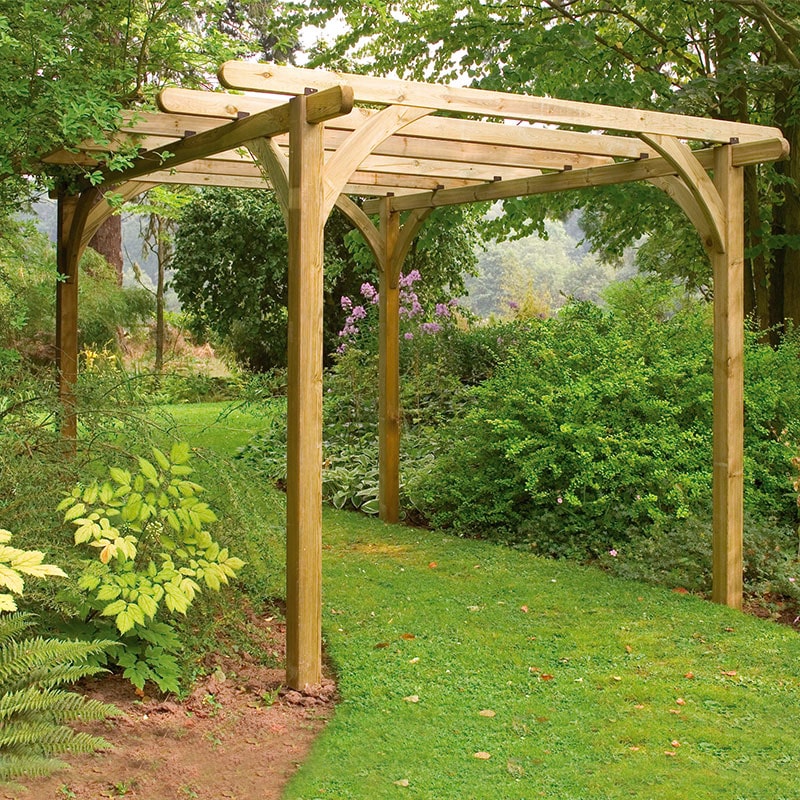
43% OFF: Pressure Treated 8×8 Pergola – Forest Ultima Wooden Garden Pergola £339.9943%
-
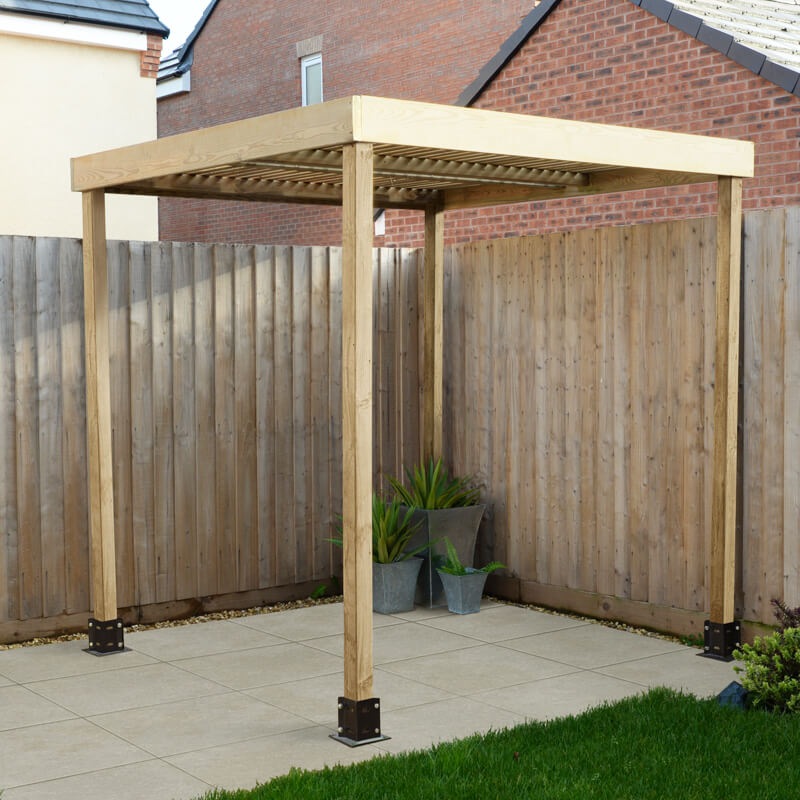
40% OFF: Forest Modular Wooden Garden Pergola 6’5 x 6’5 (2m x 2m) £367.9940%
-
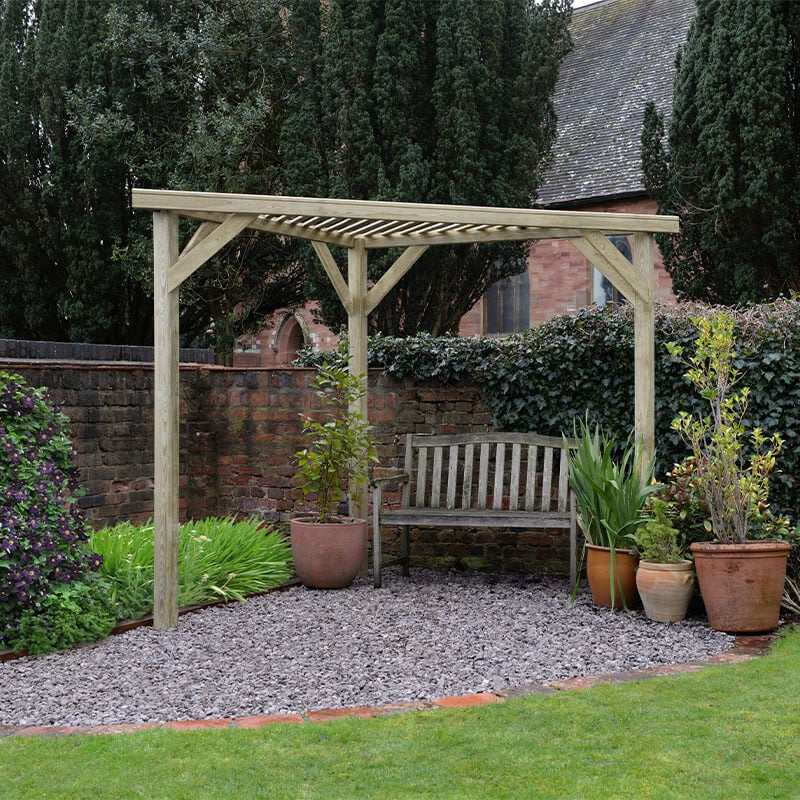
21% OFF: Forest Slatted Wooden Corner Pergola 9’7 x 4’9 (2.9m x 1.5m) £379.9921%
Pergolas under £400 cover compact timber frames, flat-roof styles, arched designs and pergola kits that bring structure, shade and a proper outdoor focal point without pushing the budget too far.
Popular products in this range
Clear lines, real purpose
A pergola in this price range is usually chosen for one thing first: shape. It defines a seating area, frames a path, or gives a patio a more finished look without needing a full garden build. Under £400, shoppers often look at simpler constructions, lighter materials, and designs that are practical rather than decorative-heavy, which can actually be a plus if you want something that feels tidy and not overdone.
What makes this category useful is the balance between cost, size and function. You can find compact pergolas for smaller gardens, open-roof frames for climbing plants, and freestanding structures that sit neatly over a bench or bistro set. Some are better for creating a dining nook, others suit a walkway or corner retreat. The differences are not just visual; they affect how much shade you get, how much vertical space you have, and how dominant the structure feels in the garden.
Shapes that change the feel of a garden
Pergolas under £400 come in a few main forms, and each one shifts the atmosphere in a different way:
- Flat-top pergolas – clean and straightforward, with a modern outline that works well beside straight-edged patios and contemporary fencing.
- Arched pergolas – softer in shape, with curved beams or a rounded entrance that can make a path or seating area feel more inviting.
- Corner pergolas – designed to make use of an edge or unused spot, handy where space is tight but you still want a defined zone.
- Wall-mounted pergolas – fixed to a house wall or solid surface, often used to extend a seating area from the home outward.
- Freestanding pergolas – stand on their own and suit lawns, decks and patios where you want a separate destination point.
The shape matters because it controls how the pergola sits within the rest of the garden. A flat-top frame feels more architectural, while an arched design can appear lighter and a bit less rigid. If the garden already has lots of curves, a straighter pergola can add contrast. If the layout is boxy, a curved top can soften things. It’s a small detail, but it often changes how comfortable the space feels when you’re actually sat under it.
Materials that match the budget
At this price, materials tend to stay focused on practical durability and sensible cost. Timber is common because it gives a natural look and suits planting around the structure. Metal pergolas are also found in this bracket, especially where a lighter visual profile or a more pared-back style is wanted. Some options combine materials, for example a metal frame with timber-effect detailing, which can give a neat finish without stretching the budget.
Wooden pergolas usually appeal if you want the structure to blend with planting, fencing or decking. They feel warmer and more traditional, and they work especially well with climbing roses, jasmine, honeysuckle and vines. Metal pergolas, on the other hand, often look slimmer and more defined, which helps in smaller gardens where a heavy frame might feel too much. If you’re comparing the two, think about whether you want the pergola to disappear into the garden a little, or stand out as a clear feature.
There’s also a difference in how each material affects the overall look of the price point. A timber pergola can appear more substantial, while a metal one may seem more minimal. Neither is automatically better; it depends on the style of the space and how much visual weight you want above you. For some buyers, that difference is what makes the garden feel either calm or cluttered, so it’s worth noticing.
Shade without shutting the sky out
Pergolas are often chosen for filtered shade rather than full coverage. That makes them useful if you want a gentler outdoor area, not a closed structure. Under £400, many pergolas are open-sided and open-topped, which means they can support canes, slats, fabric add-ons or climbing plants, depending on the design. This gives you options without committing to a heavier building-like look.
The open frame also helps with one of the main reasons people choose a pergola in the first place: it creates an area that feels defined but still airy. A dining table under a pergola feels a bit more placed, and a bench in the right spot can suddenly look like a proper destination rather than something left against a fence. That sense of arrangement is a big part of the appeal.
Different pergola styles offer different amounts of coverage. Narrow beam spacing can create a more enclosed feel once plants grow in, while widely spaced beams keep things open and bright. Some frames are designed to take climbing plants, while others are more about structural presence. If you’re choosing between them, think about whether you want immediate shade, or a structure that becomes more effective over time as planting develops.
Small garden? The proportions matter
In tighter gardens, the best pergola is often the one with the right proportions rather than the biggest footprint. A pergola under £400 is frequently selected for patios, terraces, narrow lawns and courtyard-style spaces where every metre counts. Here, the width, height and depth of the frame matter just as much as the style.
A lower pergola can feel more enclosed and cosy, but it may not suit taller users or larger furniture. A taller frame can feel more open and is often better if you want to train plants upwards without the top feeling crowded. Compact square pergolas tend to work well over a table for four or a seating pair, while rectangular ones can suit longer benches or outdoor dining sets. If you are comparing sizes, it helps to picture the furniture first and the pergola second, rather than the other way around.
This category is especially useful for buyers who want a feature that looks intentional but does not dominate the whole plot. A pergola can mark out a corner for tea, a reading seat, or an outdoor eating spot without needing a full gazebo. That smaller scale can make the garden feel organised, which often matters as much as ornament.
Climbing plants, clean lines and the in-between
Many pergolas under £400 are chosen because they support planting nicely. The frame gives climbers somewhere to go, and that changes the look quite quickly. A bare pergola feels crisp and structural, while a planted one can feel softer and more settled. This is one of the main differences between the subtypes: some are better as a ready-made feature, and some are really built to become part of the planting scheme.
Open-beam pergolas suit climbers best because they give roots and stems room to travel. Louvered or partially covered styles are less common in the lower price range, but you may still find options that allow partial overhead coverage. These are handy if you want a bit more shelter from direct sun while keeping the structure light. A pergola with straight rafters creates a different line from one with decorative end cuts, so even small design details can make the space feel more formal or more relaxed.
If your garden already has shrubs or borders nearby, a pergola can tie them into a shared look. If the space is fairly plain, it can give the planting a vertical anchor. That’s a practical design advantage: the pergola doesn’t just sit there, it helps the garden read as a whole. And that can make even a modest budget stretch a bit further in visual terms.
What separates one budget pergola from another
Not all pergolas under £400 do the same job. Some are made to sit neatly over a patio set, others are more decorative and suit a path or entrance. Some have slimmer posts and a lighter footprint, while others feel more grounded and substantial. The small differences are worth looking at closely because they affect how the structure behaves in the space.
- Post thickness – thicker posts tend to look more anchored; slimmer ones can feel less intrusive in compact areas.
- Beam design – simple beams give a stripped-back look, while decorative ends add a bit more detail without changing the structure much.
- Footprint – square pergolas are often easier to centre, while rectangular designs can work better over seating or dining layouts.
- Open or partial roof – open roofs are flexible for planting; partial tops give more direct shade and a more enclosed feel.
- Freestanding or wall-fixed – freestanding models offer placement freedom, while wall-fixed styles can help save space and tie in with the house.
These are the sorts of details that matter once the pergola is in the garden, not just on the product page. A model that looks similar in a photo might feel quite different once it’s placed beside a fence, deck or wall. It’s worth checking the proportions and the style of the top section, because that’s often where the character is.
A practical feature with a decorative edge
One reason this category sells so well is that a pergola can do more than one job at once. It gives structure, creates a focal point, supports planting and adds a sense of outdoor room without needing heavy construction. Under £400, that combination is a strong draw, especially for buyers who want a noticeable change without a major spend.
It also lets you choose how finished you want the look to be. Some buyers prefer a plain frame they can style later with lights or climbers. Others want a pergola that already brings enough shape on its own. The budget-friendly range usually leans toward the first option, which can be useful if you like to build the space gradually. That way, the pergola becomes the starting point rather than the final layer.
There’s a subtle benefit here too: a pergola can help a garden feel more private without fully closing it in. Even an open structure gives the eye somewhere to rest, and that can make a seating area seem more separate from the rest of the plot. For patios that feel a bit exposed, that difference is easy to appreciate.
Choosing with the setting in mind
The right pergola depends a lot on where it will sit. On a paved area, a simple square or rectangular frame usually feels neat and settled. In a lawn setting, a freestanding pergola can create a destination and stop the space from feeling too empty. Near a wall, a mounted design can make better use of the available depth and keep the layout efficient.
Contemporary gardens often suit straight lines, squared-off beams and restrained detailing. Traditional gardens usually work well with timber, softer curves and a design that can take planting easily. If your garden sits somewhere in between, a plain freestanding frame often gives the most flexibility, because you can dress it with plants, furniture or even leave it bare for a more open feel.
It’s also worth thinking about the level of contrast you want. A dark metal pergola against pale paving can create a strong outline. A timber pergola near planting can blend more gently. Neither approach is wrong; they just give a different result. And that difference can matter more than a small change in price.
Useful buying details that save second thoughts
Before choosing a pergola under £400, it helps to check a few details that affect how well it fits the job you want it to do:
- Measure the furniture area first so the pergola does not crowd chairs or leave too much empty space.
- Check the height if you plan to walk under it regularly or grow taller climbing plants.
- Match the style to the rest of the garden so it feels placed, not dropped in.
- Think about planting if you want the frame to soften over time rather than stay architectural.
- Look at the shape of the roof because that changes both shade and visual weight.
These small checks help narrow the choice quickly. A pergola can seem simple, but the right one changes how a garden is used, not just how it looks. That’s especially true in this budget, where shoppers are often choosing between a more open frame, a more sheltered shape, or a style that gives the garden a better sense of division. It is a practical purchase, but it still has plenty of room for personality.
Why this category keeps its appeal
Pergolas under £400 suit buyers who want a garden feature with clear purpose, a manageable footprint and enough style to lift the whole space. The category includes different shapes, different materials and different levels of openness, so there is room to choose according to the garden rather than forcing the garden to fit the pergola.
Whether you are after a freestanding timber frame, a slim metal design, a square patio shelter or a curved entry point, this price range gives plenty to compare. The differences may be subtle, but in a garden, subtle changes can make a large impact. A good pergola helps the space feel planned, a bit more finished, and more ready to use. And that is often what makes the purchase feel worthwhile.