
Pergolas under £1500 - Best Deals in UK!
Showing the single result

Pergolas under £1500 offer a practical way to add shade, structure and a defined outdoor room, with options in timber, metal and louvred styles for compact patios, gardens and decks.
Why this price point makes sense
Choosing a pergola under £1500 is often about getting a balanced mix of design, size and durability without moving into the pricier end of bespoke garden builds. In this bracket, you can usually look for a proper frame, a sensible footprint, and features that make the structure feel more useful than decorative. That might mean a simple open-top frame for climbing plants, a freestanding square pergola for a seating area, or a wall-mounted design that helps define a terrace. It is a budget that sits in a useful middle ground: not basic garden decor, but not the sort of project that asks for a full outdoor building budget either.
For many buyers, the appeal is that the pergola becomes part of the garden layout rather than just an add-on. It can create a sheltered dining space, frame a hot tub area, or give a patio some height and shape. With careful choosing, a pergola in this range can feel well resolved and intentional, especially when the finish, roof style and proportions match the space it sits in.
Freestanding, wall-mounted or corner fit?
One of the biggest differences between pergola types is how they sit in the garden. A freestanding pergola stands on its own and can be placed away from the house, which makes it handy for larger lawns, seating zones or spots that need a visual anchor. A wall-mounted pergola usually attaches to an exterior wall and extends the living area outside, so it can feel more like an outdoor room. Then there are corner pergolas or more compact footprints, which can work well when space is limited and you still want that framed, architectural look.
Bestseller der Kategorie Pergolas under £1500
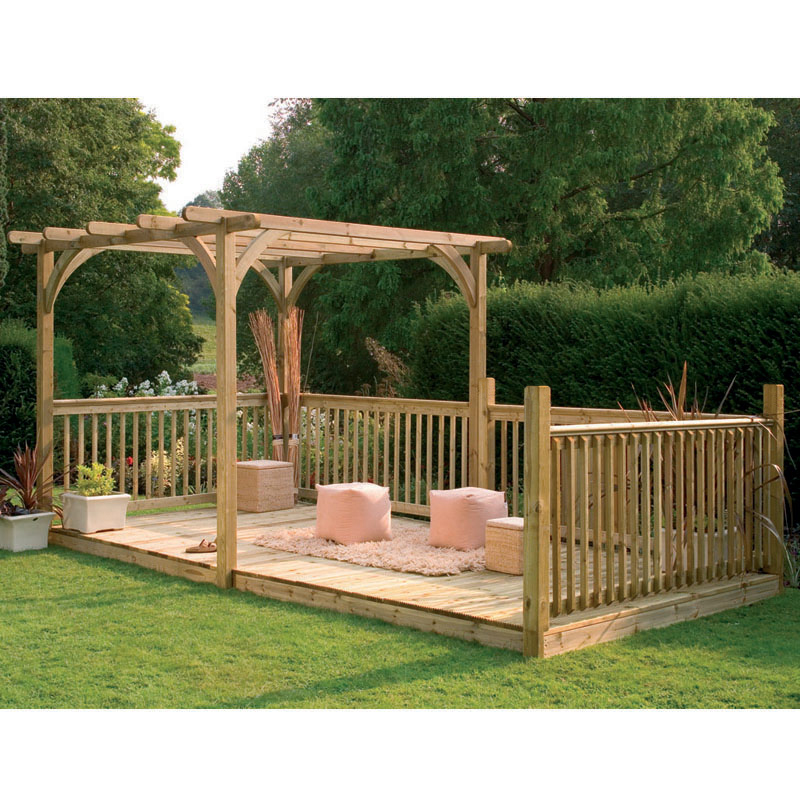
The right choice often comes down to how you use the garden. Freestanding versions give more freedom with placement and can divide an open area into zones. Wall-mounted styles are often a better fit where the aim is to connect the house to the patio without blocking too much light. Corner and smaller formats can be a smart shout for narrow gardens, side returns or tucked-away seating areas, especially when a full-size structure would feel a bit heavy.
Open roof, slats or louvres: the feel changes a lot
Roof style makes a huge difference to the character of a pergola. An open-top pergola is the lightest looking option. It gives definition and a sense of enclosure while still letting sun and sky through. This kind of design works well if you want to add climbing plants, hang festoon lights, or simply mark out a space without making it feel closed in. It is also the easiest style to keep visually airy in smaller gardens.
Slatted roof pergolas sit somewhere between open and covered. The slats create pattern and partial shade, which can feel nice over a dining table or lounge set. They reduce the bare, exposed look of a plain frame and can add a little privacy too, depending on the spacing. Louvred pergolas are more adjustable, with blades that can alter light and cover. Within the sub-£1500 category, these are usually more compact or simpler in build, but the style still gives a more controlled feel than a fixed open frame.
The main difference is how much light, shade and presence you want. Open frames are softer and often cheaper. Slatted versions give a more finished architectural effect. Louvres tend to suit buyers who want a bit more control over the atmosphere, though the structure may be simpler or smaller at this price. It is a trade-off, really.
Timber warmth or metal lines?
Wooden pergolas remain a favourite because they bring warmth and a natural texture that blends easily with planting, fencing and decking. In this budget, timber designs often look homely and less formal, which suits family gardens, cottage-style plots and relaxed outdoor dining spaces. They can also soften the look of a patio that feels too hard or boxy. The shape of the timber posts and beams can make a big difference too: chunky square posts feel grounded, while slimmer profiles look lighter and more contemporary.
Metal pergolas, especially those with steel or aluminium frames, tend to look sharper and more modern. They usually suit contemporary gardens where straight lines and crisp edges are the goal. A black powder-coated frame can make planting pop and works well against pale paving or rendered walls. Metal designs often feel less visually bulky, which is useful if you do not want the pergola to dominate the garden.
The difference is not just about style. Timber often gives a softer, more traditional look, while metal can feel cleaner and more structured. Some buyers prefer wood because it feels closer to the garden, while others like metal because it visually steps back and lets furniture or planting take the lead. There is no single right answer, but the materials do shape the whole mood.
Shapes that suit different garden layouts
Pergolas are not all the same outline, and shape matters more than people sometimes expect. A square pergola is neat and straightforward, often ideal over a seating set or small dining table. It suits compact patios where a tidy footprint matters. Rectangular pergolas work better when you want to cover a longer dining zone or create a walkway effect. They can help narrow gardens feel more ordered rather than cramped.
Arched pergolas bring a softer, more decorative feel. They are often used to frame an entrance, path or transition point, and can look especially good with climbing roses or wisteria-style planting. Then there are pagoda-style or more decorative roof profiles, which give a stronger focal point and can lend a garden a slightly more formal character. Even when the budget is under £1500, the shape can make the structure feel far more considered than a plain box frame.
A helpful tip is to match the shape to the way the garden is used. If the pergola is for a table and chairs, keep the footprint practical. If it is more about visual framing, an arch or statement roofline can work well. If you want a sense of shelter without too much visual weight, a simple rectangle is usually a safe bet.
What you can reasonably expect under £1500
At this price level, buyers can usually expect a strong starting point without drifting into fully custom territory. Many pergolas under £1500 will offer a dependable frame, decent proportions, and a choice of styles that suit everyday garden use. Depending on the material, you may find pre-cut timber kits, metal frames with a more contemporary finish, or compact louvred options that give a better sense of shelter. What you are generally paying for is the right blend of structure and appearance, not unnecessary extras.
It is worth paying attention to what is actually included. Some pergolas in this range are delivered as frame-only designs, while others may include roof slats, side panels or a more complete top section. That difference matters. A model that looks similar in pictures may feel very different in use if one has more cover or a more substantial frame. So the best value is not always the lowest price, but the design that matches the way you plan to use the space.
Easy wins for small gardens and patios
If the garden is on the smaller side, a pergola can still work well, but proportion is everything. Slimmer posts, a lighter roof structure and a modest footprint can stop the space from feeling overbuilt. A compact pergola can make a patio feel more like an outdoor room without taking over the whole layout. It is especially useful where there is a need to separate a dining area from the rest of the garden.
For tight spaces, wall-mounted or corner styles often make the most sense. They help keep the centre of the garden open, which can make it feel larger. A pergola can also be used to frame only part of a terrace, leaving circulation space free. If the garden is narrow, a rectangular shape that follows the line of the house or paving can look more natural than a square one forcing itself in. That kind of fit tends to feel less cluttered, which is usually the aim.
When the pergola is doing more than one job
One reason people buy a pergola is that it can do several jobs at once. It can mark out a dining zone, act as a visual divider, and give somewhere to hang lighting or soft furnishings. A garden pergola can also help a seating area feel intentional, rather than just a couple of chairs sat on a slab. In practice, it gives the eye somewhere to land, which can make the whole garden feel more settled.
Different styles suit different uses. A simple open frame works nicely over a bistro set or planting bed. A more solid roof style may suit a lounge area where you want a clearer sense of shelter. If the pergola is being used to support climbing plants, a design with visible beams or slats will usually offer more growing points and look more at home with foliage. This is where the structure becomes part of the garden’s character, not just a frame in it.
How to compare the details without getting lost
It helps to compare pergolas by a few practical features rather than just the headline price. Look at frame material, roof style, overall dimensions, and whether the design is freestanding or attached. These details affect how the pergola looks, how it fits, and what sort of outdoor setup it supports. A cheaper model that is too small or too visually heavy can end up feeling like a poor buy, even if it seems good on paper.
Also pay attention to the visual language of the structure. Some pergolas have chunky beams and a more rustic presence. Others have slim lines and a modern finish. Neither is better, but one may fit your garden far more naturally. If your patio already has strong straight edges, a clean metal frame may suit it. If the space is planted and informal, a timber design may sit more comfortably. That sort of matching matters more than people think.
Useful buying pointers before you choose
- Measure the usable space, not just the empty patch. Leave room for chairs, table edges and walking space.
- Check the footprint against the layout. A pergola that is too deep can block movement, while one that is too shallow may not feel worth it.
- Match the style to the house. Contemporary walls usually suit cleaner lines; traditional gardens often work better with timber.
- Think about shade level. Open frames give light, slatted roofs give partial cover, and louvred designs give more control.
- Consider the visual weight. A heavy-looking frame can dominate a small garden, even if the size itself is fine.
- Choose the right shape for the job. Rectangular for dining, square for seating, arch or feature shape for a focal point.
- Look at finish and colour. Black metal feels modern, natural timber feels softer, pale finishes can disappear a bit more.
What makes one pergola feel more generous than another
Two pergolas can be the same price and yet feel totally different once installed. The reason is usually in the proportions. A design with taller posts and wider beam spacing may feel more open and comfortable, while a low roof or dense frame can seem cramped. The amount of headroom matters, as does how the pergola meets the ground. Thin posts can make the structure appear lighter, though very slim frames may not suit everyone’s taste.
Another subtle difference is how much of the sky the structure keeps visible. A pergola with open sides and a minimal roof presence often feels calmer. A more enclosed style can create a snugger, room-like effect. Both have their place. If you want the area to feel airy, go lighter. If you want it to feel defined and cocooned a bit, choose a design with more visual mass. It’s a small thing, but it changes the whole mood.
A category made for turning empty space into something useful
A pergola under £1500 can be a tidy solution for buyers who want structure without overcomplicating the garden. It can make a plain patio feel planned, a lawn edge feel finished, or a dining area feel a bit more special without drifting into full outdoor room territory. The best options in this range are the ones that suit the size of the garden, the look of the house and the way the space is used day to day.
Whether you are drawn to a timber pergola, a metal pergola, a freestanding frame or a more architectural roof style, the main advantage is the same: you get a strong visual feature that also earns its place in the garden. It is one of those purchases that can make a space feel more thought-through pretty quickly, which is often exactly what a buyer is after.
If you are weighing up options, focus on the parts that actually change the experience: shade level, shape, material, and how the pergola sits within the garden. That is where the real difference lies, not in fancy wording or extra bits you may not need. A well-chosen pergola can feel like the missing bit of the garden, rather than just another thing to put outside. And that, for a lot of people, is the point.
[Sassy_Social_Share]