
Pergolas - discount offers - Best Deals in UK!
Showing all 9 results
-
46% OFF: Forest Large Ultima Wooden Garden Pergola Kit 10’x10′ £417.9946%

-
43% OFF: Pressure Treated 8×8 Pergola – Forest Ultima Wooden Garden Pergola £339.9943%
-
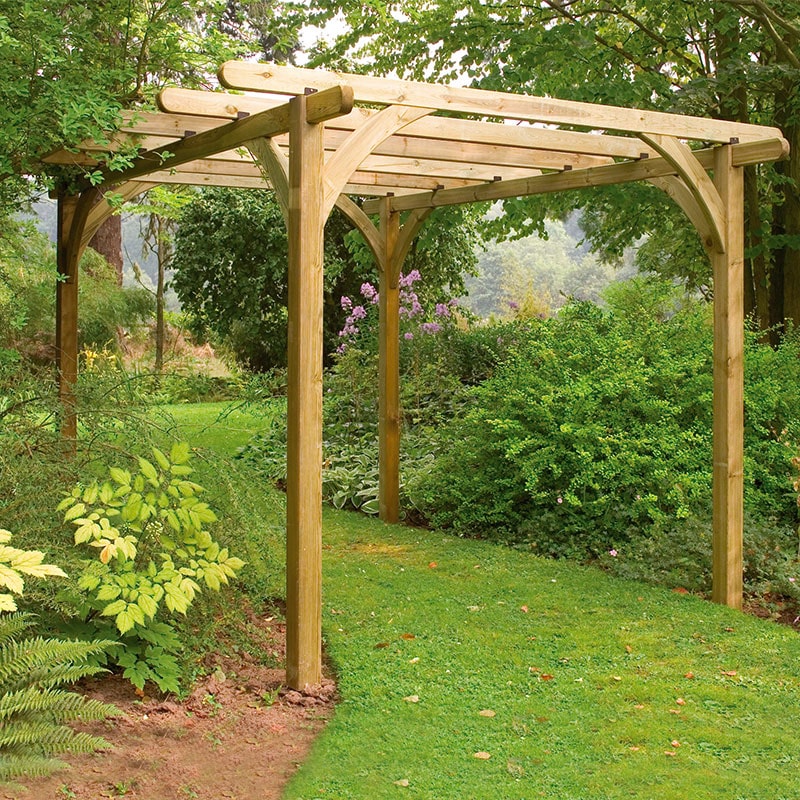
40% OFF: Forest Modular Wooden Garden Pergola 6’5 x 6’5 (2m x 2m) £367.9940%
-
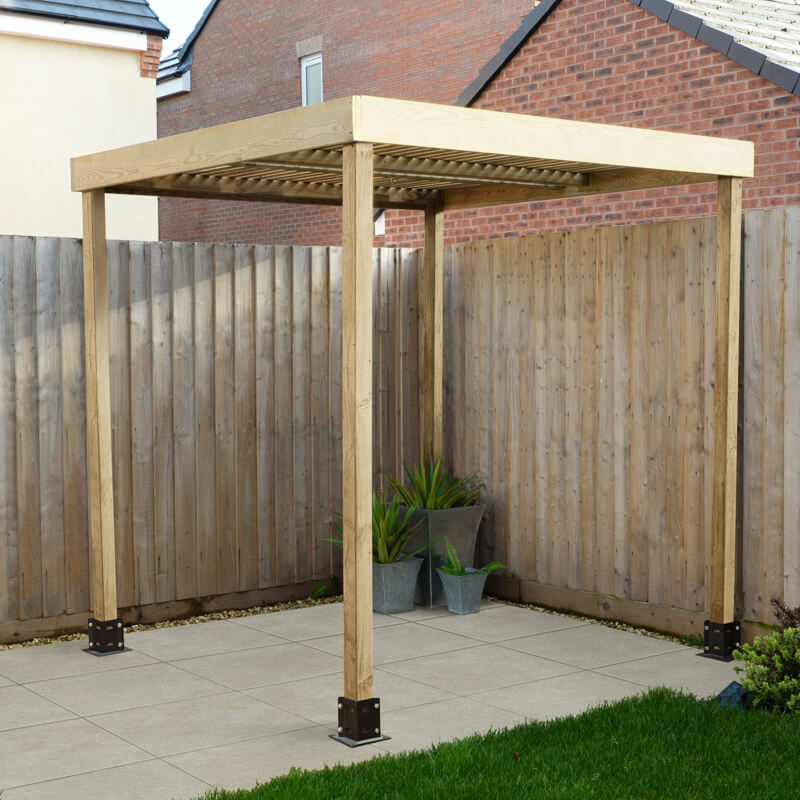
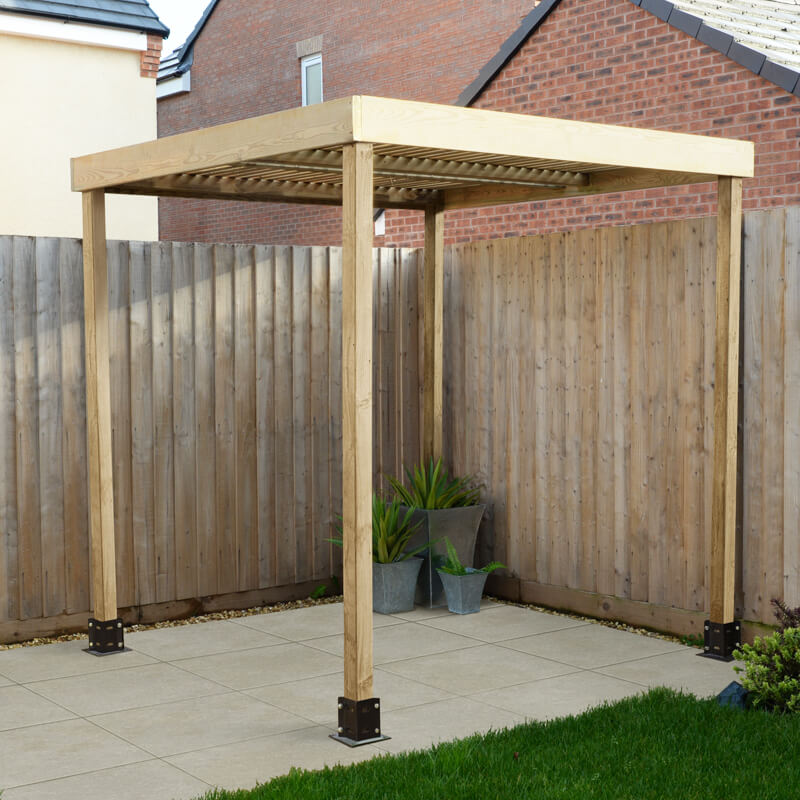
39% OFF: Forest Dining Wooden Garden Pergola Kit with Panels 10’x8′ £551.9939%

-
28% OFF: Forest Dining Wooden Garden Pergola Kit with Panels 10’x8′ £649.9928%
-
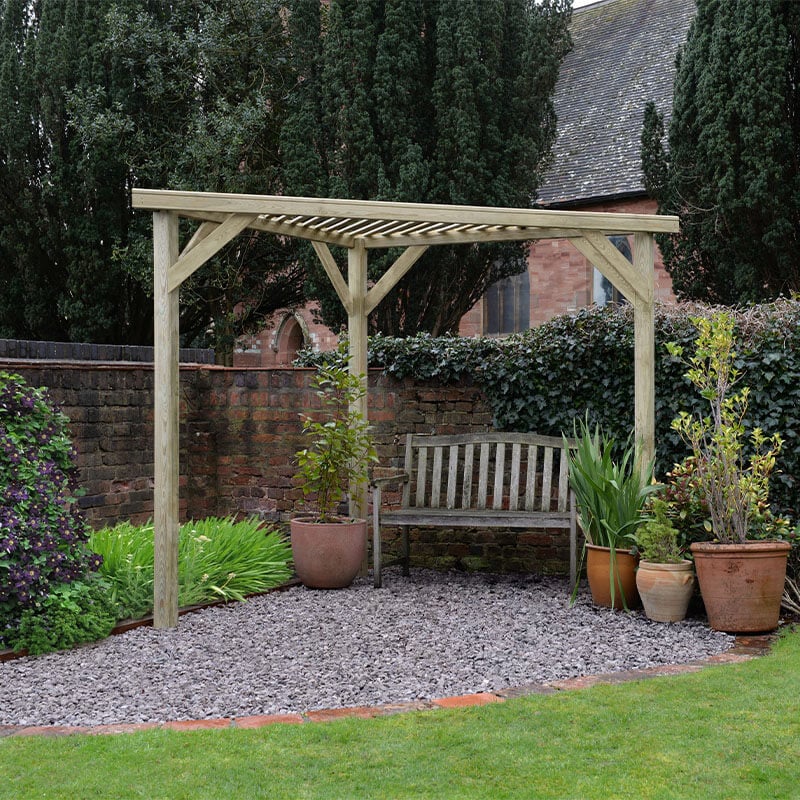
21% OFF: Forest Slatted Wooden Corner Pergola 9’7 x 4’9 (2.9m x 1.5m) £379.9921%
-
20% OFF: 12′ x 12′ Forest Premium Ultima Large Wooden Garden Pergola (3.6m x 3.6m) £754.9920%

-
15% OFF: 8′ x 8′ (2.44×2.44m) Forest Small Pergola Deck Kit £799.9915%

-
11% OFF: 16′ x 8′ (4.88×2.44m) Forest Large Pergola Deck Kit £1,299.9911%

Pergolas discount offers for timber, aluminium and wall-fixed designs — compare styles, sizes and frame types to find a garden shade solution that suits your space, budget and layout.
Why a pergola changes the feel of an outdoor space
A pergola is more than a decorative frame. It creates a defined outdoor room, gives shape to seating and dining areas, and helps break up larger gardens into clear zones. In discount offers, the appeal is often in getting a solid structure at a lower price, but the real value is in choosing the right form for how you actually use the space. Some pergolas are open and airy, others feel more enclosed. Some are made to stand alone in the garden, while others are fixed to the house and extend the living area from inside to out.
What makes this category interesting is the mix of style, function and structure. A pergola can act as a simple frame over a bench, a walkway feature, a dining spot, or a larger cover for a patio. The shape, material and fixing type all change the look and the feeling of the area underneath. That means a discount isn’t just about saving money; it can also be a smart way to choose a structure that fits your garden better than a more generic shelter.
Stand-alone or attached: the main pergola split
One of the first choices is whether you want a free-standing pergola or a wall-mounted pergola. They do a similar job, but in a different way.
Bestseller der Kategorie Pergolas - discount offers
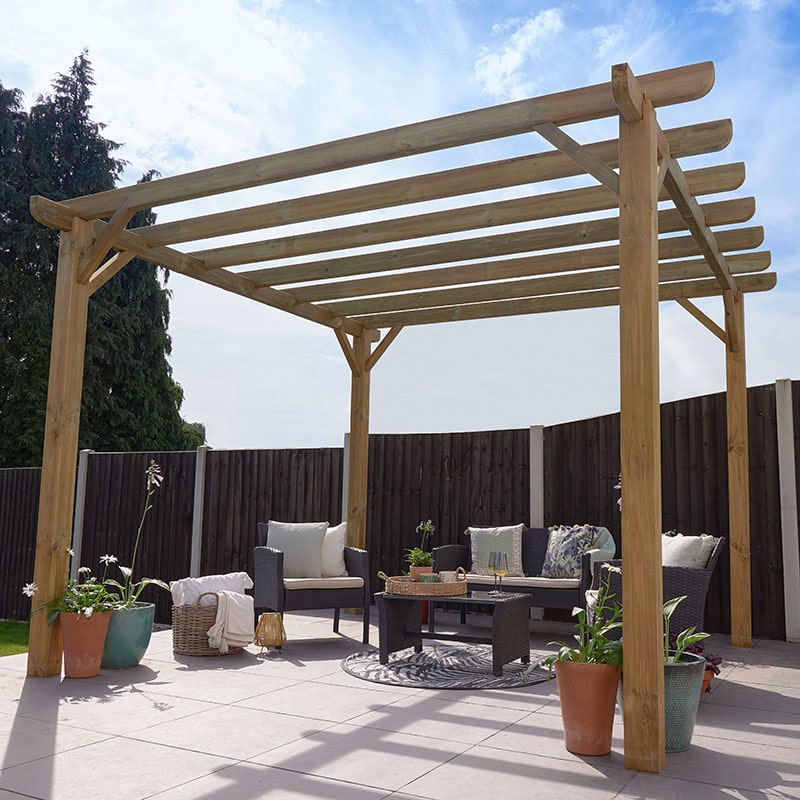

- Free-standing pergolas work well in open gardens, beside lawns, over seating islands, or to create a focal point away from the house.
- Wall-mounted pergolas are fixed to a building and suit patios, terrace areas, and places where you want the garden to feel connected to the home.
- Corner pergolas can make use of awkward spaces, which is handy if your garden layout is not quite regular.
- Walkway pergolas are longer and narrower, often used to frame a path or guide movement through the garden.
The difference is not only about placement. A wall-fixed design can feel more integrated and tidy, while a stand-alone one gives more freedom in positioning and can be placed where shade or shelter is needed most. If the patio gets late sun, an attached pergola can make that area more usable. If you want a feature in the middle of a lawn, free-standing is the obvious route.
Material matters: timber, aluminium and mixed looks
Discount pergolas often come in a few key materials, and each one brings its own character. Timber pergolas tend to look softer and more traditional. They sit well with planting, gravel paths and natural garden layouts. The grain and colour give a warmer feel, and they often suit cottage-style or classic outdoor spaces.
Aluminium pergolas usually look cleaner and more structured. Their lines can feel sharper, which works nicely with modern patios, porcelain paving and simple planting schemes. They are often chosen when the aim is a neat, contemporary frame rather than a rustic feature.
There are also designs that use a mix of materials, or finishes that copy the look of wood while keeping a more uniform appearance. These can be useful if you want the style of timber but prefer a cleaner visual result. The difference between materials is not only visual, it also changes the overall tone of the garden. Timber looks relaxed and natural. Aluminium feels crisp and architectural. Neither is better in every case; it depends on what the rest of the garden already says.
Roof styles and overhead design
In pergola categories, the overhead structure makes a big difference. Some designs have open slats, some have tighter beams, and some use adjustable louvres or panels. The choice affects how the pergola frames the sky above and how much of the area feels sheltered.
- Open beam pergolas create a light, airy look and keep the structure visually simple.
- Slatted pergolas give a bit more presence overhead and can make the space feel more enclosed.
- Louvred pergolas offer a more versatile look, with blades that change the feel of the roof section.
- Canopy-compatible pergolas are suited to add-on covers when a softer top layer is needed.
The right roof style often comes down to how much visual weight you want above you. An open design suits a garden that already feels busy with plants and features. A more solid overhead form can help define a dining area or seating corner. If the space is small, a heavy-looking roof can feel too dominant, so lighter slats may be a better fit.
Shapes that suit different gardens
Pergolas are not all straight and boxy. There are rectangular forms, square frames, narrow walkway styles, and more compact units for tighter corners. The shape changes how the pergola reads in the garden and how easy it is to arrange furniture underneath.
Rectangular pergolas are common for patios and dining areas because they fit tables and seating neatly. Square pergolas often feel balanced and work well over a set seating arrangement or a central feature. Narrow pergolas can stretch along a path or edge, making them useful where width is limited. In larger gardens, a longer frame can help connect two zones without making the area look cluttered.
Form also affects the sense of proportion. If the pergola is too wide for the space, it may take over. If it is too small, it can look like an afterthought. That is why discount offers can be especially handy for matching the right dimensions without stretching the budget too far.
What makes discount pergolas worth a closer look
People often look at discount offers because they want a better price, but there are other reasons these listings catch the eye. Sometimes the reduced price is on a popular size that suits a standard patio. Sometimes it is a display-clearance item, a seasonal offer, or a design with a simple finish that does exactly what is needed without extra extras.
The best thing about a good offer is not just the number on the ticket. It is the chance to get a structure with the right proportions, the right material, and the right fixing type without paying for features you do not need. If you are mainly after shade framing, a basic slatted model may be enough. If you want a more defined outdoor room, a more substantial frame could make more sense. Price becomes part of the decision, but not the only part, obviously.
How pergolas compare with gazebos and canopies
It helps to know the difference between a pergola and other garden structures, because the category can sit near similar products and the lines are easy to blur. A pergola is generally more open than a gazebo. It gives structure and partial cover, but not a full enclosed roof. A gazebo tends to feel more enclosed and often has a full roof shape. A canopy is usually lighter and more fabric-based, with less of a frame-led presence.
This difference matters if you are choosing between looks, shelter and the way the garden is used. Pergolas are often chosen when the goal is to keep the space open while still marking it out. They let climbing plants, lights or hanging decorations become part of the setup, which is harder to achieve with a fully roofed structure. If you want something that feels part of the planting and architecture at the same time, a pergola has a certain balance to it.
Useful buying points that save trouble later
Before choosing from pergolas discount offers, it helps to think through a few practical details. These are not about maintenance; they are about making sure the structure fits the job from the start.
- Measure the usable space, not just the empty patch, so the pergola does not crowd doors, windows or pathways.
- Check the footprint and the head height together, because a low frame can change how comfortable the space feels.
- Match the shape to the furniture. A dining set usually sits better under a rectangle, while a lounge corner may suit a square frame.
- Think about where it faces. A pergola in full afternoon sun gives a different result from one set beside a shaded fence.
- Consider the garden style. Clean lines suit modern spaces, while timber details often sit better with softer planting.
These details sound basic, but they are the ones people tend to check last, and then regret it. A pergola that looks lovely online can feel oversized or oddly placed if the proportions are off by even a little.
What to look for in the frame and finish
The frame is the whole point of a pergola, so the way it is built should matter as much as the style. A thicker post profile usually gives a more grounded look, while slimmer supports can feel lighter and less intrusive. In a discount range, this can be useful because the right frame thickness can make a budget structure look more intentional.
The finish also changes the effect. A matte surface can look understated and modern. A wood-toned finish can soften sharper lines. Dark frames often recede into the background and let planting stand out, while lighter colours can make the pergola feel more visible. None of these choices is just cosmetic. The finish changes how much the pergola reads as a feature and how much it blends into the garden setting.
For dining, lounging or framing a feature
Pergolas serve different roles, and that is one reason the category has so much variety. A dining pergola usually needs enough span for a table and chairs, with clear edges that do not interrupt movement. A lounge pergola may work better when it creates a more relaxed zone for sofas, benches or deep seating. A feature pergola might not even be used for sitting under all the time; it may simply mark a transition between spaces or frame a path, planter or sculpture.
That flexibility is part of the appeal. Some garden structures only make sense in one place. A pergola can do several jobs, depending on the shape and scale. In discount offers, this gives buyers room to choose a structure that is more specific than a basic shelter but less fixed in purpose than a fully enclosed outdoor room.
Small design details that change the result
There are a few details that quietly shift the whole feel of a pergola. The width of the uprights, the spacing of the top beams, the angle of the lines, and even the visual rhythm between support and open space all influence how it looks once installed. A closely spaced top creates a stronger overhead presence. Wider gaps feel lighter and more open. Straight, squared lines suggest order. Slightly softer profiles can feel more relaxed.
It is also worth noting how a pergola interacts with nearby walls, fences and planting. A structure can either stand out as a clear frame or sit in harmony with the background. If the garden already has strong shapes, such as paving edges or raised beds, a simpler pergola may be enough. If the area is plain, a more defined frame can bring some structure into the scene.
Choosing with confidence, not just by price
A discount is useful, but a pergola still needs to suit the garden in a proper way. The best choice usually balances size, material, shape and fixing style. When those parts work together, the pergola looks natural rather than added on. It also tends to feel more useful, because it fits the way the space is used day to day.
For buyers comparing options, the main question is simple: what do you want the pergola to do? If the answer is to frame a patio, guide a path, create a seating area, or give a dining zone more presence, then the right design becomes easier to spot. Discount offers can make that choice easier to reach, especially when the size and style are already close to what you need. A well-chosen pergola can give the garden shape, a stronger focal point, and a more finished look without needing a complicated setup. And that, really, is what makes this category worth browsing carefully.
[Sassy_Social_Share]