
Pergolas 7x7 - Best Deals in UK!
Showing the single result
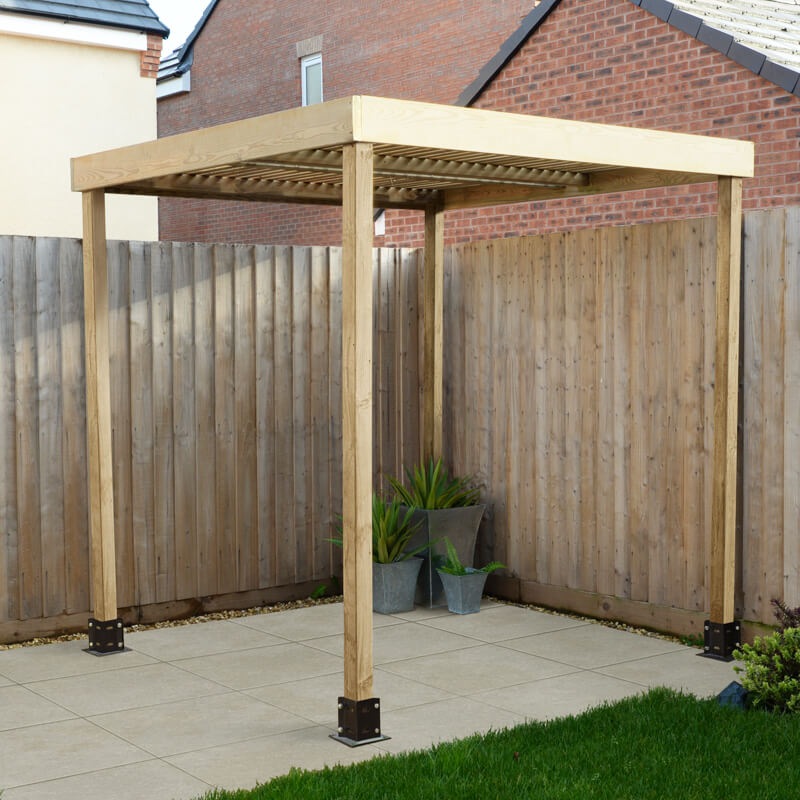
7×7 pergolas bring a neat square footprint to patios, seating areas and garden corners, giving you a defined outdoor space with shade, structure and a clear style choice. Compare timber, aluminium and steel options, open or covered roofs, freestanding or wall-fixed designs.
Popular products in this range
A Square Frame That Changes the Whole Corner
A 7×7 pergola is all about balance. The square shape gives you a tidy, even layout that fits well where a longer rectangle would feel awkward or too dominant. That makes this size a useful choice for smaller patios, paved terraces, courtyard gardens and sections of lawn that need a bit of definition. It can sit neatly beside a dining set, frame a lounge area, or give a clear outline to a hot tub zone without taking over the rest of the garden.
The appeal is not only in the size, but in the way the structure changes how the space feels. A pergola adds a vertical element, so the area reads as a room outdoors rather than just a patch of paving. Even with an open top, the frame gives the eye something to follow, which can make the whole garden feel more organised. For buyers comparing options, that square 7×7 format often feels easier to plan around than an odd-shaped canopy or a larger shelter that needs more clearance.
Timber, Metal or a Mix: The Material Choice
One of the first decisions in this category is the material. Timber pergolas have a softer, more natural look and can blend in with planting, fencing and deck boards. They suit gardens that lean towards a traditional or rustic feel, and they often work well when the aim is to make the structure part of the landscape rather than a sharp design feature.
Aluminium pergolas usually feel cleaner and more modern. The lines can be slimmer, the finish more precise, and the overall look more architectural. This makes them a good match for contemporary patios, grey paving and minimalist garden furniture. Steel pergolas, where used, can bring a more robust visual presence and a slightly heavier profile. Some buyers like that stronger look, especially when the pergola is meant to anchor an open seating area.
There are also mixed approaches, where one material is used for the frame and another for roof components or fittings. In a 7×7 size, those differences matter because the structure is compact enough for each detail to be noticed. A chunky frame can feel cosy and enclosed, while a lighter frame may leave the space feeling more open. It is really about how you want the garden to read when you step outside.
Freestanding or Fixed to the House?
A freestanding 7×7 pergola works well when you want a feature in the garden rather than an extension of the home. It can sit over a seating area away from the wall, create a destination at the end of a path, or mark out a spot for summer dining. This type often gives more flexibility in placement, which is handy if your patio is not directly beside the house or if you want the structure to divide the garden into zones.
Wall-fixed pergolas, on the other hand, connect directly to the building and often feel like a continuation of the indoor living area. They can help a smaller garden feel more usable because they extend the home visually without needing a full standalone frame. The difference is practical as well as visual: a wall-fixed pergola usually has one side anchored already, so the layout can feel a bit more streamlined. For some buyers, that makes it easier to place furniture beneath it because the wall gives a natural boundary.
The choice between the two depends on how the garden is used. If you want a covered transition from inside to outside, wall-fixed is a strong direction. If you want the pergola to stand as a feature on its own, freestanding is the more flexible option. Both can work beautifully in the 7×7 size; the effect is just different.
Open Top, Slatted Top or Full Cover
Roof style makes a big difference in both appearance and use. An open-top pergola is the most stripped-back option. It gives you the frame and the sense of enclosure without blocking the sky completely. That suits buyers who want structure and support for climbing plants, lighting or soft drapes, while still keeping the space light and airy.
Slatted roofs or louvred-style tops create a more layered look. They can break up direct light and add a stronger architectural feel, which is useful if you want the pergola to feel like a proper outdoor room. In a 7×7 format, the roof detail becomes a key part of the design because the square shape naturally draws the eye upward. The rhythm of the slats can make the structure look ordered and calm.
Covered tops give a more sheltered impression. These are often chosen when the pergola is meant to support a more defined seating or dining area. The visual difference is clear: open roofs look softer and more airy, while covered versions feel more enclosed and deliberate. There is no single right answer here, just a question of how much overhead presence you want in the garden.
Why 7×7 Feels Easy to Plan Around
The square format is one of the main reasons people look at this category in the first place. A 7×7 pergola gives you a balanced footprint, so furniture placement becomes simpler. A square dining set can sit neatly under it, and a pair of benches or a lounge arrangement can work without awkward gaps. If your outdoor space is already shaped by paving slabs, decking boards or border edges, the symmetry helps everything feel intentional.
There is also a difference in how the space reads compared with a rectangular pergola. A long, narrow structure can lead the eye in one direction and make the area feel corridor-like. A 7×7 footprint feels more central. It can act as a hub, which is useful if you want to create a social space rather than just a sheltered walkway. That makes it a popular choice for gardens where every square metre counts.
Because of the format, buyers often find it easier to compare options on looks rather than sheer scale. You can focus on frame thickness, roof pattern, colour and finish without worrying that the structure is too large or too small for the setting. In other words, the size gives you a useful starting point and the design details do the rest.
The Look Changes with the Details
Small design choices can shift the whole character of a pergola. A thicker frame gives a more grounded, solid look, while slimmer posts feel lighter and less intrusive. In a 7×7 size, this difference matters because the proportions are close enough to the seating area that the frame becomes part of the atmosphere. If you want the space to feel snug, a more substantial frame can work well. If you want the garden to stay visually open, a lighter profile may suit better.
Colour finish is another detail buyers often notice straight away. Natural timber tones bring warmth, grey and black finishes can make the structure feel more contemporary, and softer neutral shades tend to sit quietly in the background. The right finish depends on what is already in the garden: fencing, paving, planters, outdoor furniture and even the colour of the house wall can all influence the choice.
Then there are the joinery details, corner brackets and post shapes. These may seem minor, but they help define whether the pergola feels classic, modern or somewhere in between. With a square 7×7 layout, neat detailing tends to stand out more because the geometry is so clear. Buyers who enjoy a tidy, considered look often use these details to narrow down their shortlist.
What This Size Suits Best
7×7 pergolas are often a good fit for compact social zones. They can frame a two- or four-seat dining set, cover a small outdoor sofa arrangement, or create a sheltered place for morning coffee. For gardens that need a bit of structure without losing too much open ground, this size can be a very practical middle ground.
They also work well as a visual anchor. A pergola can help separate the lounging area from planting, or give one part of the garden a purpose without needing walls or fencing. That is useful if your outdoor space has to do several jobs at once. The structure creates a clear “this is the spot” feeling, which is something people often want but cannot always achieve with furniture alone.
In a shopping context, this category tends to attract buyers who want a defined feature rather than just shade fabric or a parasol. The pergola becomes part of the garden layout, not an accessory that can be moved around every week. That permanence is often what makes the purchase feel more considered.
Useful Comparisons Before You Choose
When comparing 7×7 pergolas, it helps to look at a few practical differences side by side:
- Freestanding vs wall-fixed – choose based on whether the pergola should stand alone or connect to the house.
- Timber vs aluminium – timber feels warmer and more natural, aluminium tends to look sharper and more contemporary.
- Open roof vs slatted roof – open feels airy, slatted feels more structured and defined.
- Thick frame vs slim frame – a thicker frame gives more visual weight, while a slimmer one keeps the space lighter.
- Dark finish vs light finish – darker colours create contrast, lighter tones blend more softly into the garden.
These differences are useful because a pergola is not just about the footprint. The same 7×7 size can feel very different depending on how it is built and finished. A buyer who knows whether they want an airy frame, a stronger architectural shape, or a natural timber presence can narrow the choice quickly.
Little Buying Details That Make a Big Difference
It is worth checking how the pergola will sit with your existing garden layout. A square 7×7 design works best when the surrounding space can echo that shape in some way, whether through paving, decking, furniture arrangement or planting beds. That does not mean the whole area has to be square, just that the pergola should feel like it belongs there rather than being squeezed in.
Also think about how the structure will be used most days, not only on the nicest afternoons. If you want a dining area, measure the table and chair spread rather than just the footprint of the furniture. If you want a seating area, allow for leg room, side tables and the space people naturally use when they move around. These small planning steps can make the difference between a pergola that looks good and one that really works.
For buyers focused on style, the main question is often whether the pergola should be a statement piece or a quiet frame. A bold finish and heavier profile create more presence. A softer finish and slim frame let planting and furniture lead. Neither is wrong, but the feel changes quite a bit.
A Shape That Sits Well with the Rest of the Garden
What makes 7×7 pergolas appealing is not just the size, but the way the shape, material and roof style work together. The square layout is easy to place, the structure is easy to read, and the overall effect can be tailored to suit both traditional and modern gardens. Whether the aim is to create a dining spot, a lounge area or a simple framed feature, the category offers a clear starting point.
If you are comparing different pergolas in this size, focus on the details that affect daily use and visual balance: frame style, roof type, material, colour and whether it should be freestanding or wall-fixed. That way the pergola you choose will feel like part of the garden rather than something added on at the last minute. And honestly, that is what makes the whole space feel more thought through.