
Pergolas 50 sq ft / 5 m² - Best Deals in UK!
Showing all 2 resultsSorted by price: low to high
-
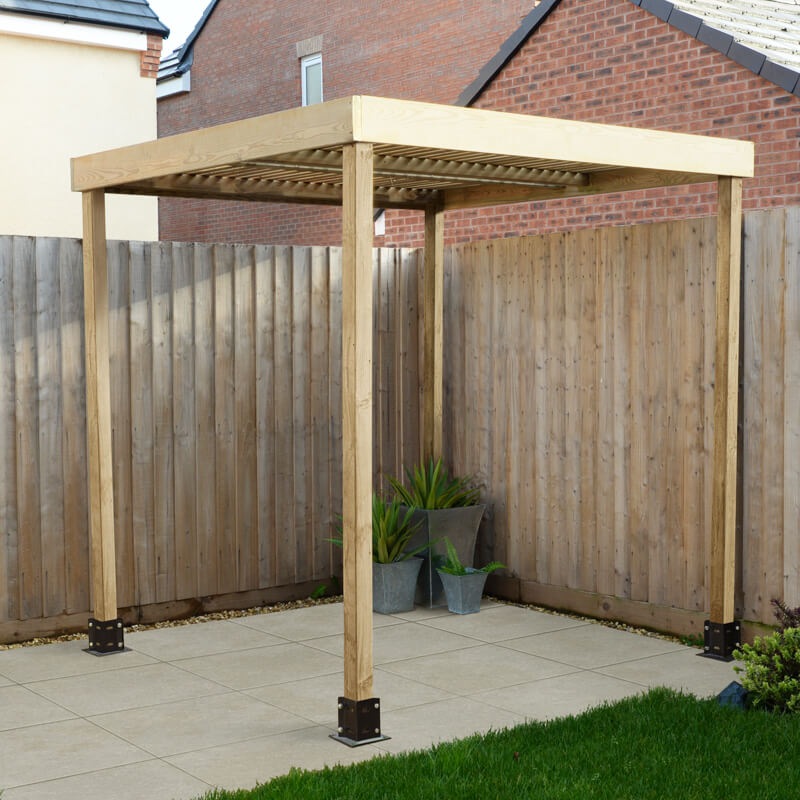
40% OFF: Forest Modular Wooden Garden Pergola 6’5 x 6’5 (2m x 2m) £367.9940%
-
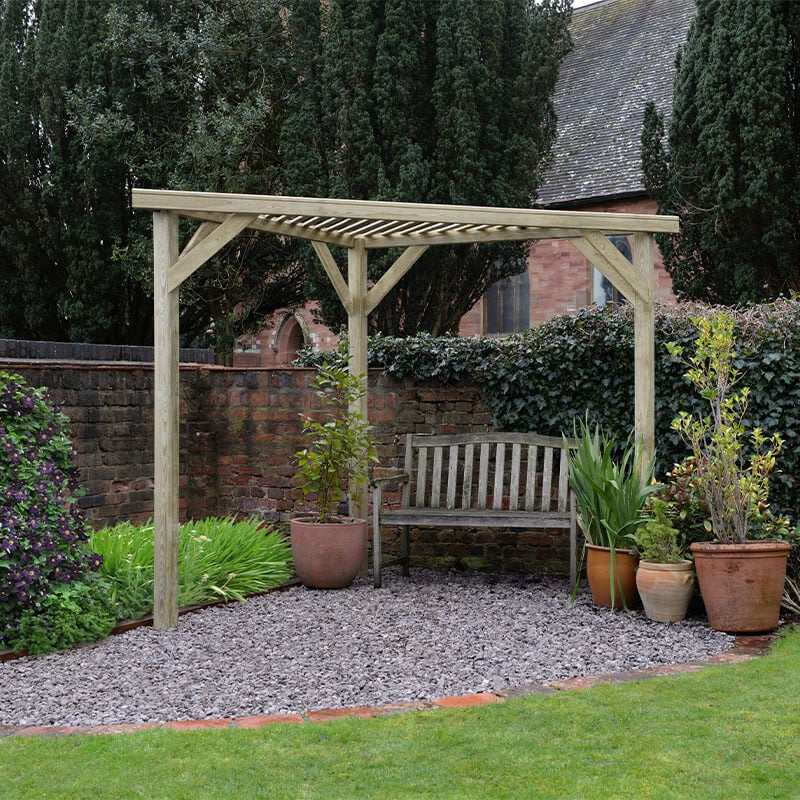
21% OFF: Forest Slatted Wooden Corner Pergola 9’7 x 4’9 (2.9m x 1.5m) £379.9921%
Pergolas 50 sq ft / 5 m² for compact gardens, patios and courtyard corners. Explore open-frame, louvred, wall-mounted and freestanding designs, plus materials, shapes and space-saving ideas.
Popular products in this range
Why 50 sq ft / 5 m² makes sense for a pergola
A 50 sq ft / 5 m² pergola sits in that sweet spot where you get real outdoor structure without taking over the whole garden. It is a size that can frame a small seating area, define a dining nook, or create a sheltered transition between house and garden. For buyers working with tighter plots, this footprint often feels more practical than a larger pavilion, because it gives shape and presence while still leaving room for planting, movement and light.
This category is especially useful if you want a pergola that feels built-in rather than temporary. In a compact area, even a modest frame changes the way the space reads: it creates a destination, gives height, and makes a patio feel more intentional. A 5 m² pergola can also be easier to position where the garden already has a natural pause, such as beside a wall, at the end of a path, or over a small deck.
Forms that suit compact outdoor spaces
Not every pergola works well at this size, so shape matters quite a bit. A rectangular pergola is often the most straightforward option because it lines up neatly with paving, decking or house walls. It gives clear edges and tends to make furniture placement simpler. A square pergola can feel more balanced in a compact court or central patio, especially when the aim is to create a small, defined room outdoors.
Corner pergolas work well when the space is awkward or narrow. They tuck into unused zones and can make a small garden feel more organised. Wall-mounted pergolas, sometimes called lean-to styles, are useful when you want partial cover close to the house without dedicating room for four posts. Then there are freestanding pergolas, which offer more flexibility in placement and can act like a freestanding frame for lounging, dining or planting.
Some shoppers also look at arched or curved pergola forms. These are less about rigid geometry and more about softer lines, which can work nicely in a planting-heavy garden. The difference is visual as much as practical: straighter lines feel structured, while curves soften the overall look. For a 5 m² footprint, the choice often comes down to whether you want the pergola to blend in or stand out a bit.
Open, louvred or covered: the key style choices
The classic pergola is an open-top frame, and that remains a good choice when you want filtered light and a light visual presence. It suits climbing plants, hanging features and relaxed seating areas. An open design also tends to feel less enclosed, which is helpful in a small space where you may not want the area to seem boxed in.
Louvred pergolas are different because the slats can control how much sun reaches the space underneath. At this size, that can be a real advantage if the pergola is placed near a south- or west-facing wall. You get more flexibility, though the look is more engineered and the frame often appears more substantial. If the goal is a crisp, contemporary finish, louvres may fit better than a simple beam roof.
Covered pergolas with fixed panels or integrated roof sections change the feel again. They offer more defined overhead shelter and are useful where the pergola is meant to function as an outdoor room. The trade-off is that they can reduce the airy, open character that many people want from a pergola. In a 50 sq ft / 5 m² setting, this choice matters because a heavier roof can visually lower the space, so proportions need a bit of care.
Materials that change the look and the mood
Timber pergolas are still a favourite for buyers who want warmth and a natural finish. The grain, tone and slight irregularity of wood suit planting, terracotta, stone and traditional gardens very well. Timber also works nicely if you want the pergola to feel integrated rather than newly added. In smaller areas, wood can stop the structure from looking too hard-edged.
Metal pergolas, including powder-coated steel or aluminium styles, create a cleaner outline. They often suit modern patios, minimalist courtyards and gardens with strong lines. Their visual advantage is precision: slim posts and neat frames can make a 5 m² pergola feel lighter, which is useful when every inch matters. The difference between metal and timber is not just style but presence. Timber tends to soften; metal tends to define.
Some pergolas combine materials, such as a metal frame with timber-effect details or wooden beams with steel fixings. That mixed approach can bridge traditional and contemporary settings. Buyers often choose this route when the garden itself is a bit mixed – say, brick wall, paving, and planting all in one view. It helps the pergola sit comfortably without looking too strict.
How a small pergola changes the use of the space
A pergola in this size range is not about mass, it is about creating a usable zone. Under 5 m², it can turn a plain patch into a place with a clear job: morning coffee spot, two-chair reading nook, compact bistro setting, or a covered walkway feel near the door. It is a way of adding function without needing a huge garden.
One of the biggest advantages is spatial definition. Even if the pergola is open at the sides, the overhead frame makes the area feel separate from the rest of the garden. That helps if you want to anchor a bench, a small table, or a pair of loungers. It also makes the setting feel more finished, which many buyers notice straight away when comparing plain paving with a structured frame above it.
Another advantage is scale control. A large pergola can dominate a garden and leave furniture feeling underwhelming. A 50 sq ft / 5 m² version tends to keep the proportions more manageable. It can be the right size for modest seating without making the whole garden feel crowded. That’s especially useful where boundaries are close or planting already takes up space.
Sub-types worth comparing before you buy
The category includes a few sub-types that may look similar at first, but they behave differently once installed. A freestanding pergola stands alone and can sit anywhere there is room for its footprint. This gives the most freedom, especially if you want it centred over a patio or tucked into a quiet corner.
Wall-leaning pergolas use the house or a boundary wall as part of the arrangement. This can suit narrower gardens and reduce the amount of open space needed around the structure. They are often chosen where the pergola is meant to extend indoor living outward, almost like a visual link between inside and out.
Canopy-style pergolas offer more overhead coverage and are useful when the brief includes some shade but not a fully enclosed structure. Walk-through pergolas are more architectural, shaping movement through the garden rather than focusing on one seating spot. At 5 m², the differences are mainly about purpose: sitting, passing through, or framing.
Square pergola kits and rectangular pergola kits are usually the easiest to picture in a standard garden layout. The square format can feel compact and centred, while the rectangle suits a long patio or narrow terrace. If your space is irregular, a modular or simpler framed format can sometimes be easier to fit, though the exact sizing needs checking carefully.
What buyers often compare: height, footprint and openness
With pergolas, the footprint is only one part of the story. The height changes how open the area feels. A small pergola that is too low can seem enclosed; one that is too tall may lose intimacy. For a 5 m² structure, proportion matters just as much as area. The right balance makes the space feel deliberate rather than squeezed in.
Post thickness is another detail people often overlook. Slim posts give a lighter look and can suit contemporary gardens, while chunkier supports feel sturdier and more traditional. The difference is visual, but it also affects how dominant the structure appears. In a compact garden, that choice can make a fair bit of difference.
Roof spacing or beam spacing influences how much sky remains visible. Wide spacing keeps things airy; tighter spacing gives a more enclosed frame overhead. Buyers usually feel this instinctively when comparing options. If the aim is a gentle boundary, an open beam layout tends to work better. If the aim is to make the pergola read as a small outdoor room, a denser overhead structure is more fitting.
Design details that help the pergola earn its place
At 50 sq ft / 5 m², the pergola needs to justify every line. Details such as lattice sides, slatted roof sections or simple side panels can change both appearance and function. Lattice sides create a softer boundary and can support planting without blocking the whole view. Slatted elements give rhythm and shadow, which makes the pergola feel more considered. Simple side framing keeps the structure minimal and easy to read.
People often like a pergola when it offers a bit of both openness and definition. That is why partially screened sides can be appealing: they hint at enclosure without closing the area off. In a smaller footprint, full screening can be too much, while no side detail at all may make the structure seem unfinished. The middle ground tends to work well.
Another useful difference is whether the pergola is designed to support climbing plants or to remain visually clean. A plant-ready frame can soften the edges and make the structure feel more established over time. A clean frame, by contrast, keeps lines sharper and may suit a more modern garden layout. Neither is better in all cases; they just create different atmospheres.
Practical tips for choosing the right 5 m² pergola
Measure the usable area, not just the garden. A pergola footprint of 50 sq ft / 5 m² sounds compact, but the surrounding clear space still matters. If the area is for seating, allow room for chairs to pull out and for people to walk around without awkward shuffling.
Match the frame to the layout. If the space is long and narrow, a rectangular pergola usually feels more natural. If it is a neat corner or square patio, a square structure often looks more settled. Putting the wrong shape into the wrong site can make the whole area feel a bit off, even if the size is correct.
Think about visual weight. A small garden can take a pergola, but heavy posts and dense roofing can make the area feel smaller than it is. Slimmer profiles often work better when the aim is a light touch. On the other hand, if the garden already has strong masonry or large paving slabs, a more solid frame can hold its own.
Look at the view from indoors. Because a pergola is often seen through a kitchen or living room window, its outline matters from the house as much as from the patio. A neat frame can improve the scene outside, which is part of the appeal for many buyers.
What makes this category worth browsing carefully
A pergola in the 50 sq ft / 5 m² range is small enough to be manageable, but large enough to change the feel of a garden. That combination makes the category interesting. You are not just buying a frame; you are deciding how a corner of the garden will be used and how it will read visually.
The best choice is usually the one that fits the garden’s shape, the kind of shade or openness you want, and the overall style of the outdoor space. Whether you are drawn to the softer look of timber, the cleaner outline of metal, or the practicality of a wall-linked form, the main thing is that the pergola feels like it belongs there. A good fit can make a small area feel properly sorted, and that often matters more than adding more square metres.
- Freestanding pergolas for flexible placement in patios, lawns or courtyard spaces
- Wall-mounted / lean-to pergolas for tighter layouts near the house or boundary walls
- Open-frame pergolas for a lighter look and more sky overhead
- Louvred pergolas for adjustable shade and a more structured finish
- Square pergolas for centred, balanced outdoor seating areas
- Rectangular pergolas for narrow patios, decks and long garden runs
- Timber pergolas for a warmer, softer garden feel
- Metal pergolas for slim lines and a neater architectural look
When chosen well, a 50 sq ft / 5 m² pergola can do a lot with a little. It marks out a place to sit, shapes the garden view, and gives the space a purpose without asking for much ground area. For smaller plots, that balance is often exactly what makes the difference.