
Pergolas 10x5 - Best Deals in UK!
Showing the single result
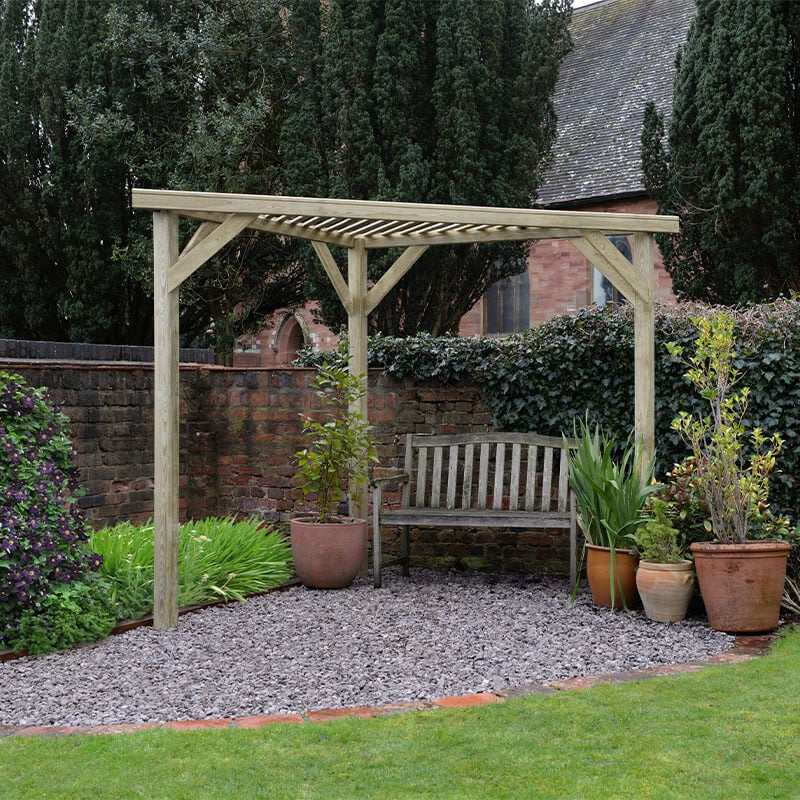
10×5 pergolas bring a broad, balanced frame to larger gardens, patios and outdoor dining areas, giving you a defined outdoor room with shade, structure and room for climbing plants, seating or a hot tub cover.
Popular products in this range
A 10×5 footprint that gives you room to do more
A 10×5 pergola is sized for spaces where a compact frame would feel lost. The elongated shape works well when you want to create a clear zone without closing off the garden. It can sit neatly over a dining set, stretch along a terrace edge, or mark out a sheltered lounge area that still feels open to the sky. That 10 by 5 format gives you enough span to think in zones rather than just one seating spot, which is where this category really starts to make sense.
The length-to-width ratio is useful in a way that is easy to miss at first. A square pergola can feel centred and formal, while a 10×5 pergola feels more directional. It can lead the eye along a path, frame a long patio, or follow the line of a house wall. If you are comparing shapes, that difference matters a lot. It does not just cover space; it can change how the whole garden reads.
Different forms, same clear purpose
Within the 10×5 category, the shape of the frame changes how it behaves in the garden. Some buyers are looking for a fully open structure, others want a more enclosed feel, and some just want a frame that fits the site layout. The main styles usually come down to roof form, leg arrangement and how much overhead cover you want.
- Flat-top pergolas offer a crisp, modern line and suit straight-edged patios, decking and contemporary garden designs.
- Arched or curved pergolas soften the look and can help a long structure feel lighter from the side.
- Freestanding pergolas stand as their own feature and work well when the garden layout needs a centrepiece or a clear destination.
- Wall-mounted pergolas make sense where one side can be fixed to a house or outbuilding, giving a more integrated outdoor seating area.
- Open-lattice designs allow climbing plants to weave through the frame, creating filtered shade and a more planted look.
- Covered or partially covered designs give a more sheltered feel, especially where the goal is to make the space usable for longer parts of the day.
All of these can sit within a 10×5 size, but the feel is very different. A lattice pergola, for example, is often chosen for its pattern of light and shadow, while a more solid overhead design is picked for clearer shelter and stronger definition. Neither is better in every case; it depends on whether you want ambience, cover, or a mix of both.
What makes 10×5 different from smaller pergolas
The main difference is not only size, it is how the space is used. A smaller pergola can frame a bench or a single table. A 10×5 pergola has enough presence for a longer dining table, a lounge layout, or a combination of zones. You may have one side set for eating and the other for soft seating, with the frame tying the whole thing together. That extra length creates options, which is often why people move up to this format.
It also affects proportions. In a modest garden, a 10×5 pergola can make the space feel planned and deliberate rather than crowded, as long as the lines are kept clean. In a larger garden, it can act as a visual anchor. Compared with a 3×3 or 4×4 pergola, it has more of a built-in architectural feel. Compared with a full garden room, it stays lighter, more open, and less enclosing.
Where the 10×5 shape really earns its place
This category suits a few common outdoor layouts very well. If your patio runs long and narrow, the pergola can follow that line without awkward gaps. If you have a deck that needs a stronger edge, the frame can give it a proper boundary. If you want to create an outdoor dining area close to the house, the size is generous enough to allow chairs to move comfortably without the whole area feeling cramped. It is a practical footprint, but it also has presence.
Because of the length, a 10×5 pergola can also be used to make one part of the garden feel separate without building a wall. That is useful if you want to distinguish a social area from the rest of the plot. It can work almost like an outdoor passage or gallery, especially when planted around the posts. The result is less about filling empty space and more about shaping how you move through it.
Wood, metal or mixed materials: the feel changes fast
Material choice changes both the look and the type of statement the pergola makes. In a 10×5 format, that matters because the frame is large enough to be a strong visual element. A timber pergola brings warmth and a more natural feel. A metal pergola gives a sharper, cleaner outline. Some designs mix materials, using one material for the structure and another for roof details or fixings, which can shift the mood again.
- Timber pergolas tend to feel softer and more traditional, and they sit well in planting-heavy gardens or older properties.
- Metal pergolas often suit modern layouts, straight paving and minimalist spaces where the frame should look neat and defined.
- Mixed-material pergolas can bridge styles, helping the structure fit with a house exterior, fencing or garden furniture that does not match exactly.
The difference is not just visual. A timber frame can feel more organic and integrated with borders and beds, while a metal frame can read as more architectural. If you are trying to decide between them, think about the rest of the garden and what should stand out. Sometimes the pergola is meant to be the feature. Sometimes it is meant to support the setting quietly, which is a different job altogether.
Open shade, dappled cover or a more sheltered zone
One of the best things about a pergola is that it does not have to block the sky completely to be useful. A 10×5 pergola can create a cooler, softer zone without feeling heavy. With open rafters or slats, the light moves through the structure and gives a changing pattern during the day. That suits seating areas where you want atmosphere as much as cover. If the pergola includes denser top sections, the effect is more enclosed and can help the space feel more defined.
This is where the category gets interesting for buyers. The same size can feel airy or protected depending on the style. An open pergola is good if you like daylight, climbing planting and a lighter touch. A more covered version is better if the goal is to make the area feel usable as a true extension of the home. Neither approach is a compromise; they simply answer different needs.
Layout ideas that fit the 10×5 shape properly
Because the footprint is elongated, the layout needs a bit of thought, otherwise the space can end up looking underused. A long table placed along the centre line works well, especially for outdoor dining. A pair of sofas facing each other, with a low table between them, also suits the proportions. If you prefer a mixed setup, one end can hold a dining arrangement while the other carries a relaxed seating corner. That sort of split works better in a 10×5 pergola than in a square one.
- Dining-first layout: ideal for hosting and family meals, with room for chair pull-back and a clear route around the table.
- Lounge-first layout: better for a softer, more conversational zone with low furniture and less formal structure.
- Dual-zone layout: useful when you want eating and relaxing areas in one frame without them feeling muddled.
- Feature spine layout: a long pergola used to create a strong visual line, often paired with planting or lighting details.
What suits best often depends on how you use the garden on a normal evening, not just how it looks in a picture. If the space is for quick coffees and longer meals, a broader table setup may work. If the goal is a place to sit with a blanket and a book, the lounge layout will feel more natural. The 10×5 size gives you the freedom to choose, which is part of the appeal.
Freestanding or attached: two different ways to shape the garden
A freestanding 10×5 pergola behaves like a destination. It can stand in the garden as a feature, mark a seating zone away from the house, or sit over a terrace that is intended to feel distinct from the main building. This option is often chosen when the garden has room to breathe and you want the structure to be seen from more than one side.
An attached pergola, by contrast, works more like an extension of the home. It can link the indoor and outdoor areas in a way that feels more direct, especially if it sits just outside large doors or along a wall. The difference is partly practical, but also visual. A freestanding frame reads as a garden feature. An attached one feels like an outdoor room. Some buyers prefer one over the other for that exact reason, not because one is more useful in every case.
Details that change the whole look
On a pergola this size, the smaller details matter more than people expect. Post thickness, beam depth, roof spacing and corner treatment all change how heavy or light the frame feels. Wider posts can make the structure look more grounded, which is useful in larger plots. Slender lines can make the pergola seem less imposing, which may suit a tighter terrace or a space where you want to keep sightlines open.
The spacing of the top members also affects the atmosphere. Closer spacing tends to give a stronger sense of enclosure, while wider spacing keeps things more open. Even the finish makes a difference: a natural timber tone can blend with planting, whereas a darker structure can frame the garden like an outline. These are the sorts of details that turn a simple frame into something that looks thought through, not just placed down.
Why buyers choose this category again and again
A 10×5 pergola offers a useful middle ground between a small garden feature and a large fixed build. It gives shape, a sense of purpose and a way to define space without fully closing it in. That balance is often what makes it appealing. The frame can carry climbing plants, support a seating plan, or simply lend form to a patio that needs a stronger edge. It is flexible without being vague, which is not always easy to find.
It also has a strong visual return. Even before furniture or planting are added, the pergola changes the feel of the garden. It can make a flat area look finished. It can make a long run of paving feel intentional. It can give a new-build garden a bit more character, or help a mature garden gain a fresh focal point. For many buyers, that kind of transformation is the real reason to choose this size.
Small buying tips that make a big diffrence
If you are comparing 10×5 pergolas, it helps to think beyond the frame alone. Look at how the structure will sit against fences, walls, beds and furniture. A pergola that looks right on paper may feel too heavy if the surrounding space is busy, or too slight if the garden is open and broad. Measure the working area around it as well, not just the footprint itself.
It is also worth deciding early whether the pergola should be a quiet backdrop or the main feature. That one decision often narrows the choice between open and covered styles, timber and metal, freestanding and attached. If you are planning for dining, make sure the proportions suit the table shape. If you are planning for lounging, leave enough depth for seating and movement. Simple as that, really.
A pergola that gives structure without feeling closed in
The appeal of a 10×5 pergola lies in its balance. It is large enough to define a proper outdoor space, yet open enough to keep the garden feeling like a garden. It can be formal or relaxed, planted or pared-back, architectural or softer edged. The exact look depends on the form you choose, but the core benefit stays the same: a clear, usable area that makes outdoor living feel more deliberate.
For buyers searching this category, the main question is usually not whether a pergola is useful. It is which shape, finish and layout best matches the space already there. Once that part is settled, the 10×5 format gives plenty to work with, and it does so in a way that feels considered rather than crowded.
- Best for long patios and wide terraces that need definition.
- Good for dining zones with room for chairs and movement.
- Useful for dual-purpose layouts where seating and dining share one frame.
- Suitable for freestanding or attached use, depending on the garden plan.
- Available in open or more sheltered forms, giving different levels of shade and enclosure.