
Pergolas 10x10 - Best Deals in UK!
Showing the single result

10×10 pergolas bring a clear, balanced footprint to patios, lawns and outdoor seating areas, with space for dining, shade and climbing plants in one neat square layout.
Square Footprint, Calm Proportions
A 10×10 pergola sits in that useful middle ground where the structure feels substantial without taking over the garden. Because the plan is square, it creates a tidy visual frame that works well for both modern gardens and more traditional plots. The equal sides make furniture placement easier too: a four-seat dining set, a compact lounge arrangement, or a pair of chairs with a side table can all sit comfortably under the frame.
That symmetry is one of the main reasons people choose this size. It does not demand a long narrow space, and it does not need a very large garden to feel intentional. Instead, it gives you a defined outdoor “room” that can be used for seating, shade, or a focal point at the end of a path. In a smaller garden, a 10×10 pergola can act as a destination; in a larger one, it can help break up open space and make the layout feel less empty.
What 10×10 Really Means In Everyday Use
The term 10×10 refers to the footprint of the structure, and that equal measurement brings a set of practical differences compared with rectangular pergolas. A square pergola tends to feel more centred and even, while a longer format can guide movement in one direction. If you are planning a place to sit, talk, eat, or simply pause in the garden, the square shape gives you flexibility without forcing the furniture into a single line.
Bestseller der Kategorie Pergolas 10x10
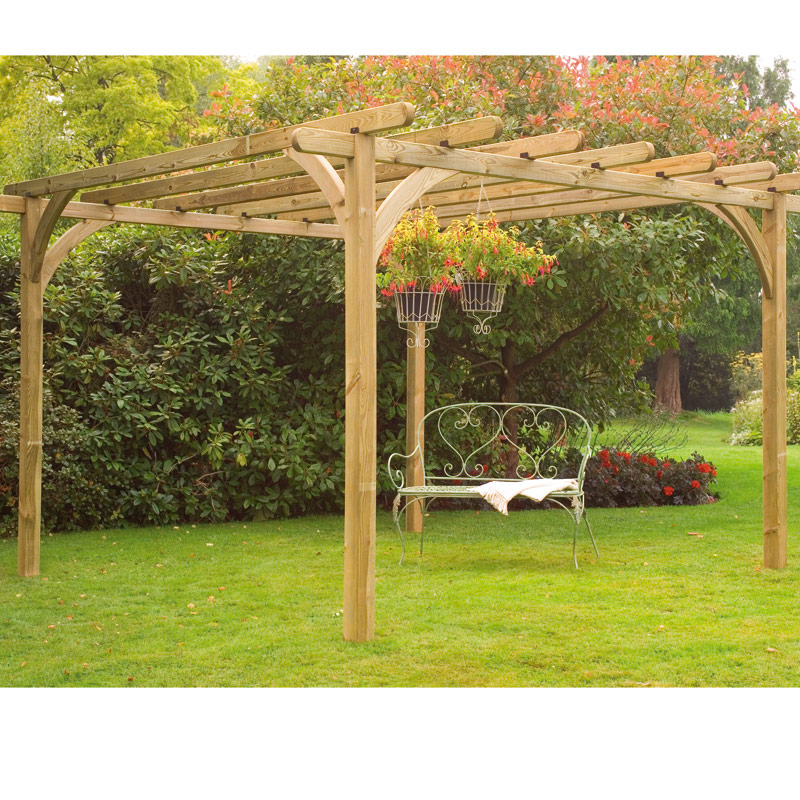
For many buyers, this size also feels easier to place near patios, decking, or lawn edges because the edges align neatly. It can sit beside a house, stand as a freestanding feature, or mark out a separate zone in the garden. That gives it a useful role: not just as shade, but as a way to organise the outdoor space.
Styles You Will See In A 10×10 Pergola Range
Within the 10×10 pergola category, there are several common styles, each with a slightly different feel and purpose.
- Freestanding pergolas – positioned away from walls, these create a true garden feature and work well over a seating area or a patio island.
- Wall-mounted pergolas – fixed to a house or solid structure on one side, they make a covered transition from indoors to outside, while still keeping the open pergola look.
- Open-roof pergolas – with spaced beams across the top, these keep the classic pergola appearance and suit planting, dappled shade and a light, airy feel.
- Louvered or adjustable-roof pergola types – where available in this size class, these offer a more controlled overhead cover, which is useful if you want more choice over sunlight and shelter.
- Flat-roof inspired pergola designs – these keep cleaner lines and often suit contemporary garden layouts, especially where a more architectural look is wanted.
Even when the footprint is the same, the style changes the mood quite a bit. An open-roof version feels softer and more relaxed, while a more structured roofline gives sharper edges and a more built-in appearance. The choice is not just about looks; it also affects how enclosed the space feels and how much of the sky you keep in view.
Material Choices That Change The Feel
The material on a 10×10 pergola can alter its appearance, tone and how it sits beside other garden features. Timber versions usually bring warmth and suit planting-heavy spaces, cottage-style borders and softer landscaping. Their grain and colour can help the pergola blend into the surroundings rather than stand apart too strongly.
Metal pergolas, by contrast, tend to give a firmer outline and a more structured presence. They can work well in gardens with straight paths, rendered walls, or contemporary paving. A metal frame often looks lighter than timber from a distance because of the slimmer profile, though it still reads clearly as a defined structure. Some buyers prefer this visual neatness because it does not crowd the garden, especially when the area around it already has a lot going on.
There are also mixed approaches in the category, where different materials are used for frame and top. The main point is that the material affects not only the style, but also the visual balance of the 10×10 footprint. A square pergola in timber can feel cosy and grounded; the same size in metal can feel more open and crisp.
Open Beam, Covered Roof Or Halfway Between
One of the biggest differences in pergola design is how much cover the top provides. A classic pergola top has open beams, which means the structure gives partial shade and a patterned light effect. That is useful if you want some relief without turning the area into a fully enclosed room. It suits climbing plants particularly well, because the beams give them something to trail across and soften the outline.
Some 10×10 pergolas go further and offer a more closed overhead section. This changes how the space is used, since it creates a stronger sense of shelter and can make the area feel more defined for dining or lounging. Others stay right in the middle, with a framework that hints at cover but still leaves plenty of sky visible. The right choice depends on whether you want the pergola to feel airy or more sheltered, and whether the area below is mainly for occasional sitting or regular use.
Why The Square Shape Works So Well For Furniture
A square 10×10 pergola makes furniture layout much simpler than many other outdoor structures. Because every side has the same length, you can centre a table, place seating around the edges, or create a balanced conversation zone without fighting the dimensions. This is especially helpful if you want to avoid awkward gaps or cramped corners.
It also gives you room to choose between several set-ups:
- Dining focus – a table in the middle with chairs all around, leaving a clear walking edge.
- Lounge layout – two small sofas or bench-style seating arranged in an even square.
- Mixed use – a compact seating area on one side and a plant display or drinks table on the other.
- Feature space – kept partly open so the pergola frames a fire bowl, a sculpture, or a seasonal display.
Because the shape is balanced, the eye does not get pulled too far in one direction. That helps the whole area feel calm and planned, which is often the difference between a pergola that looks “placed” and one that looks like it was thought through.
Shade Without Closing The Garden In
Many buyers choose a pergola because they want shade without losing the open feeling of the garden. A 10×10 pergola can do that well. It creates a defined overhead presence, but unlike a solid roof it still leaves room for light, air and the changing sky. This makes it useful for summer seating areas, yet it avoids the heavier look that a fully enclosed structure can bring.
The balance between shelter and openness is one of the main reasons this category is so popular. You get a space that feels more intentional than an empty patio, but not so enclosed that it starts to feel boxed in. For gardens where light matters, that distinction is important. A square pergola can provide a sense of cover while still allowing the garden to feel connected to the rest of the outdoor space.
Planting, Climbing Forms And Softening The Lines
Although this category is about the structure itself, the shape of a 10×10 pergola naturally invites planting. Climbing plants can run along the sides or over the top beams, which softens the straight edges and changes the character of the frame over time. The square plan is especially useful here because each side offers a clear, equal span for growth and symmetry.
Different planting approaches can give the same pergola a very different look:
- All-over cover – growth across several sides and the top creates a more enclosed, garden-room feel.
- Side focus – covering just one or two sides keeps the structure more open and gives a lighter silhouette.
- Corner emphasis – planting concentrated at the posts or corners leaves the centre open and maintains strong geometric lines.
This is one reason the 10×10 size is so adaptable. It gives enough frame space for planting to matter, but it is not so large that the design becomes difficult to manage visually. The result can feel lush without losing the pergola’s structure.
Where A 10×10 Pergola Fits Best
This size works in a surprising range of garden settings. On a patio, it can create a dedicated outdoor dining area and make the surface feel like a proper extension of the house. On grass, it can become a focal point and help define a spot that would otherwise remain open and unassigned. Near decking, it can mark out a lounge zone and give the whole area a stronger outline.
It can also work as a transition between spaces. For example, a 10×10 pergola placed between lawn and patio can act almost like a threshold, gently dividing the garden without shutting anything off. That is a subtle but useful role: it helps create order while still allowing movement and sightlines to continue through the space.
Small Differences That Matter When You Compare Designs
When comparing pergolas in this size, the small details often make the biggest difference to how the structure feels. Post thickness, beam spacing, roof style and side opening all change the overall impression. A thicker frame can look more grounded and substantial, while slimmer lines create a lighter profile. Tighter beam spacing can offer more visual cover overhead, while wider spacing gives a more open rhythm.
It is also worth looking at how the entrance feels. Some 10×10 pergolas have a very open side profile, which makes access easy and keeps the structure relaxed. Others feel more framed, which can be useful if you want the pergola to read as its own space. Neither approach is inherently better; they just suit different ways of using the garden.
Simple Buying Tips That Help The Right Choice Stand Out
If you are browsing 10×10 pergolas, a few practical points can make the choice easier.
- Check the footprint against your furniture – a square area can look generous on paper, but the layout still needs walking space.
- Think about the garden shape – square pergolas sit naturally in balanced layouts, but they can also help calm down irregular spaces.
- Match the style to nearby materials – timber often sits well next to planting and natural textures, while metal suits cleaner lines and hard landscaping.
- Decide how open you want it – some buyers want a light frame, others want more shelter overhead.
- Look at how the structure frames the view – a pergola should support the garden, not block the nicest sightline.
These are small decisions, but they shape how the pergola will feel once it is in place. A good 10×10 design should look deliberate from every angle, not just from the front.
A Category Built Around Use, Not Just Looks
What makes a 10×10 pergola appealing is that it does several jobs at once. It defines a space, adds height, offers partial shelter, and brings a clear structure to the garden. At the same time, it still leaves room for personal use. You can keep it simple and architectural, or dress it with plants and soft furnishings to make it feel more lived-in.
That flexibility is a real advantage. Some outdoor structures are tied to one purpose, but a 10×10 pergola can shift with the season and with the way you use the garden. It might host lunches, quiet reading, evening drinks or a shaded seating corner. The square shape keeps things orderly, while the open character leaves space for the area to become your own.
Why Buyers Keep Returning To The 10×10 Format
The 10×10 format stays popular because it is easy to understand and easy to imagine in a real garden. It gives enough room to feel useful without asking for a huge plot. It suits both freestanding and attached styles, and it works with a range of materials and roof designs. That combination makes it a practical starting point for many outdoor projects.
There is also something satisfying about the proportions. The square frame feels neat, balanced and calm, which can be a welcome change in gardens where shapes and textures vary a lot. If you want a structure that brings order, creates a place to sit, and still leaves the garden feeling open, a 10×10 pergola is a strong option to compare first.
[Sassy_Social_Share]