
Patio Covers under £5000 - Best Deals in UK!
Showing the single result

Patio covers under £5000 can transform an outdoor area into a sheltered, usable space with a sensible budget, whether you want a simple lean-to, a more structured aluminium canopy, or a compact pergola-style cover for a smaller patio.
Budget-Friendly Shelter That Still Looks Thoughtful
When people search for patio covers under £5000, they are usually trying to balance three things at once: weather protection, practical size, and a finish that does not look like a rushed add-on. That is exactly where this category works well. You are not looking at a tiny throwaway solution; you are looking at covers that can genuinely shape how a patio is used day to day, while keeping the spend in check.
Within this price range, buyers often find a good mix of simple roofed structures, aluminium-framed covers, polycarbonate options, and pergola-inspired designs. The main differences tend to come down to how much cover they give, how open they feel, and how much of the garden view they preserve. Some designs are better for a neat extension of the house, while others suit a freestanding seating area or a more flexible outdoor dining corner.
Lean-To Shapes For A Clean, Practical Finish
A lean-to patio cover is one of the easiest formats to understand and one of the most common choices in this kind of budget. It usually fixes to a wall or existing structure and slopes away, which gives it a tidy profile and helps it work with many house styles. The appeal is in its straightforward shape: not overcomplicated, not too bulky, and often easier to place over a standard patio.
Bestseller der Kategorie Patio Covers under £5000
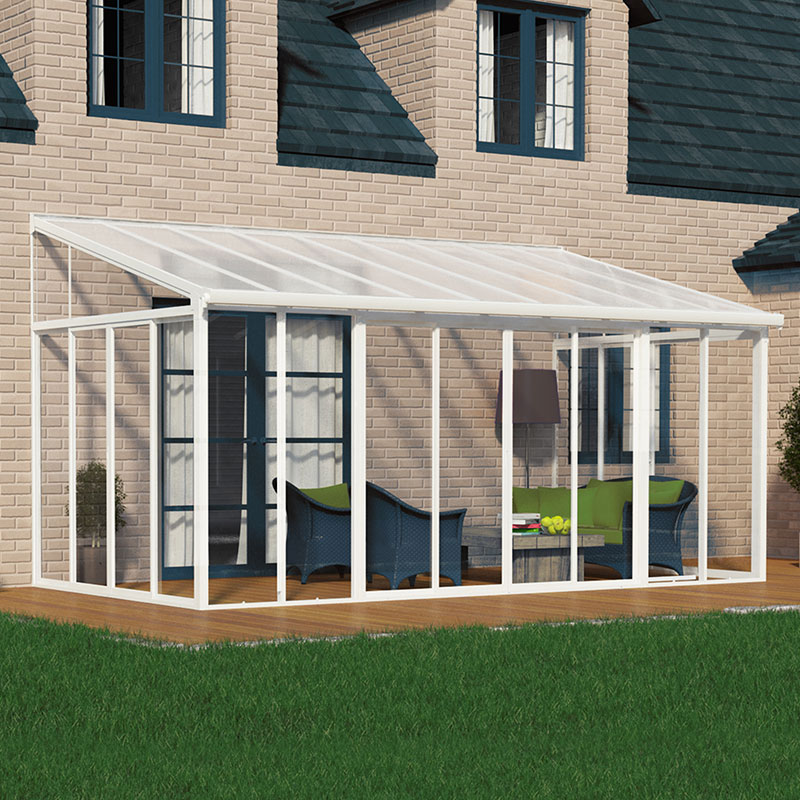
This type can be a strong fit where the aim is to create a sheltered strip along the back of the house, especially if you want a clear transition between indoors and outdoors. Compared with larger freestanding structures, a lean-to cover can feel more integrated and less visually heavy. It also tends to suit narrower patios or areas where space is already at a premium.
Buyers often like lean-to covers because they give a sense of order and direction. The roofline leads the eye outward, and the area underneath feels intentional rather than improvised. If you are after a cover that quietly does the job without dominating the garden, this shape is worth a close look.
Freestanding Covers For Flexible Placement
Freestanding patio covers have a different appeal. Instead of relying on the house wall, they stand on their own, which gives more freedom over placement. That can be useful if your patio sits away from the building, if you want to create a separate lounge area, or if the space around the back of the house is not quite suitable for a wall-fixed design.
The big difference here is independence. A freestanding structure can define a zone in the garden rather than simply sheltering the back door area. That makes it good for larger lawns, side returns, or patio spaces that are meant to feel like a destination in their own right. Under the £5000 mark, this format may be more compact or more open in design, but it still gives a proper sense of structure.
One useful thing to know is that freestanding covers often create a more “outdoor room” feeling. The area can seem enclosed enough to be inviting, yet open enough to avoid feeling boxed in. If you like the idea of placing furniture without being tied to the house line, this layout has a lot going for it.
Aluminium Frames, Timber Looks, And What They Change
Material choice affects both the feel and the function of a patio cover. In this price bracket, aluminium-framed patio covers are a common option because they usually give a slim, modern look and a neat edge. They often suit contemporary homes and gardens with crisp paving, simple planting, or black-framed doors and windows. The benefit is the clean outline, which can make even a modest cover look sharply planned.
Timber-effect finishes, or designs that borrow the warmth of wood, create a softer impression. They work well where the garden has a more relaxed style or where you want the cover to blend in with planting, brickwork, or older house details. They tend to feel less stark than metal-heavy options. That said, a timber look can also be used in a modern setting if you want to take the edge off a very hard-surfaced patio.
The main difference between the two is visual tone. Aluminium feels sharper, lighter, and more architectural. Wood-style covers feel warmer and a bit more natural. If you are choosing under £5000, it is often worth asking yourself which finish will still make sense when the patio furniture changes later on, because the cover will sit there for years and probably outlast the cushions by a fair bit.
Polycarbonate Roofs And The Light-First Approach
Many patio covers in this budget use polycarbonate panels because they offer a useful middle ground between full exposure and total shade. A clear or tinted roof can let daylight through while still giving shelter from rain, which makes the patio feel brighter than a fully solid roof. For some gardens, that is the key point: you want cover, but you do not want to lose the sense of space.
There are subtle differences here. A clear panel roof keeps the area bright and open, which works well if the patio sits close to the house and you do not want the back rooms to feel dimmer. A smoked or tinted panel can soften glare and create a calmer seating area, which is handy if the patio gets hard afternoon sun. A more opaque roof gives more shade, but it can also make the structure feel heavier.
If you compare panelled roofs with solid roofing, the biggest trade-off is light versus enclosure. Panelled covers tend to make the patio feel airy and less closed in. Solid roofs may offer a stronger sense of refuge. Neither is right for every space, and that is the point: the best choice depends on whether the patio is meant for bright breakfasts, quiet reading, or more all-day use.
Pergola Style Covers For A Softer, More Open Look
Pergola-style patio covers sit in an interesting middle zone. They are not always fully roofed, and that is part of the appeal. Some have slatted tops, some support a canopy, and some use a more open framework that gives shape without total enclosure. Under £5000, this style can be a smart way to add definition without making the patio feel too heavy.
Compared with a solid-roof structure, a pergola-style cover usually feels more relaxed. It is often chosen for entertaining spaces, dining areas, or seating corners where the aim is to create atmosphere rather than strict shelter. The shadow pattern from slats can also make the space feel different at various times of day, which sounds like a small thing but actually changes how the area is used.
These covers suit people who like the idea of partial cover and a bit of openness. They are especially useful if you want the patio to stay visually connected to the rest of the garden. For some buyers, that balance is more appealing than full coverage because it avoids the “built over” feeling that larger roof structures can sometimes have.
Solid Roofs Versus Open Frameworks
The difference between a solid roof patio cover and an open framework is more than just appearance. It affects how the space behaves. A solid roof gives a stronger sense of shelter and creates a more dependable zone underneath. It is the kind of choice that makes a patio feel usable in a wider range of conditions, and it often gives a more grounded, room-like impression.
An open framework, by contrast, is lighter and less visually demanding. It can still give a clear boundary to the patio without taking away too much sky. This matters in smaller gardens, where a heavy roof might feel like too much. It also matters if the patio is near planting, because open structures let the garden remain the main visual focus rather than the cover itself.
If you are choosing under £5000, think about how much “ceiling” you actually want outdoors. Some people want the patio to feel like a proper extension of the house. Others want shelter with breathing room. That is the real split, and it shapes almost everything else.
Why This Budget Works Better Than It Sounds
It is easy to assume that patio covers under £5000 means making too many compromises, but that is not necessarily the case. In this bracket, you can often find designs that are clear in purpose and smart in use, without paying for oversized extras you may not need. For many buyers, the benefit is not luxury; it is a more measured and realistic route to adding cover.
This budget often suits smaller patios, medium-sized seating areas, and simple back-garden layouts where the cover has one main job to do. Because the spend is capped, it can also encourage better decisions: choosing the right shape, the right level of light, and the right frame style rather than piling on features that do not suit the space.
Another plus is that this price point often opens up a choice between styles rather than forcing you into one narrow look. You may be able to compare lean-to, pergola, and freestanding options and decide based on how the patio actually feels, not just on raw cost. That makes the buying process a bit more grounded, which is no bad thing.
Small Patios, Big Difference
For a small patio, the right cover can make the whole area feel more deliberate. A compact structure can turn a patch of paving into a proper seating zone, and that is often enough to change how often it gets used. Even a modest cover can help define where the table goes, where the chairs live, and where guests naturally gather.
In smaller spaces, the shape matters just as much as the material. A slim lean-to may keep things neat, while a lighter pergola-style frame may prevent the area from feeling too enclosed. A solid roof can work well too, but only if the proportions stay balanced. Too much structure in a tight patio can make the garden feel shorter or more crowded than it really is.
The trick is to think in lines and sightlines. A patio cover should guide the eye, not block it. That is why narrower profiles, lighter colours, and open sides are often popular in smaller settings. It sounds obvious once said, but it is easy to forget when looking at pictures online.
Shape Matters More Than You Think
Patio covers do not all sit in the same way, even if they share a similar budget. The rectangular cover is the straightforward choice and works with most standard patios. It gives a clear edge and is easy to align with doors, paving, and furniture. That predictability is useful when the space is already busy.
L-shaped layouts or covers designed to fit around a corner can make better use of awkward areas, especially if the patio wraps around the house. These shapes are less common than straight runs, but they can solve layout problems elegantly. Then there are deeper, more square designs that create a strong central zone for dining or lounging.
Rounder forms are less usual in this category, but curved detailing may appear in roof edges or decorative support elements. The difference is mainly in mood. Straight lines feel tidy and practical. Softer forms feel more relaxed. Neither is inherently better, but the shape should match the way the patio is used, otherwise it can feel slightly off, even if you cannot quite say why.
What To Look For Before You Decide
When comparing patio covers under £5000, it helps to focus on a few practical points rather than just the overall look. First, think about coverage: do you want full shelter over the entire seating area, or just a section that gives shade and rain protection where needed? That answer narrows the field quite quickly.
Second, think about height and openness. A taller cover can feel airy, while a lower one may feel more intimate but also more enclosed. Third, consider how the cover will sit against the house or garden wall. Some designs look best when they align neatly with existing lines, while others are intended to stand apart and create their own zone.
It is also sensible to compare frame thickness and the amount of visual bulk. Slimmer frames usually feel more modern and unobtrusive. Chunkier supports can look more substantial, which may suit traditional settings or places where a stronger architectural presence is wanted. The right choice depends on whether you want the patio cover to blend in or stand out a little.
Tips That Help You Buy Better, Not Just Faster
A few straightforward checks can make the difference between a cover that feels right and one that just seemed fine at first glance. Measure the patio carefully, but also measure the way the space is used. A dining table, two loungers, or a bench arrangement each need different proportions. The footprint is not just about paving size; it is about everyday movement.
- Match the roof style to the amount of light you want under the cover.
- Choose a frame finish that works with your doors, windows, or garden furniture.
- Check the shape against the patio layout so the cover does not feel awkwardly placed.
- Consider how open you want the sides to feel, especially in smaller gardens.
- Think about the main use: dining, lounging, or a general shelter space all benefit from different proportions.
Another useful tip is to avoid buying purely on image. A cover can look lovely in a neat showroom shot and still feel too dark, too tall, or too narrow once placed over your own patio. It sounds basic, but people do it all the time.
Choosing For Rain, Shade, Or A Bit Of Both
Not every buyer wants the same level of protection. Some want a patio cover mostly for rain shelter, so the area remains usable when the weather turns. Others are more focused on shade, especially if the patio gets full sun in summer. Many people want both, but often one need is stronger than the other.
A more solid cover usually gives better rain protection and a stronger sense of enclosure. A lighter pergola or panelled design may strike a balance between shade and daylight. That balance is often where the best value sits, especially in this budget range. It means the patio can be used more often without turning it into a dark annex.
The right cover should feel like it belongs to the way you live outside. If you mainly sit out in the evening, softer cover and ambient shelter may be enough. If you use the patio for lunch, coffee, or family meals, a more reliable roofline can make the space feel properly usable, not just decorative.
A Sensible Finish That Still Feels Like An Upgrade
There is a lot to like about this category because it gives buyers a realistic way to improve a patio without drifting into oversized spending. Patio covers under £5000 are not about chasing something flashy; they are about choosing a form, finish, and level of shelter that makes outdoor space easier to enjoy.
Whether you prefer the neatness of a lean-to, the flexibility of a freestanding cover, the lightness of a pergola-style frame, or the brightness of a panelled roof, the key is matching the design to the patio itself. That is where the value comes from. A well-chosen cover can make a patio feel more settled, more usable, and more considered without needing to shout about it.
If you are comparing options, keep an eye on the shape, the roof type, the frame style, and how much visual weight the structure adds. Those details do the real work. And once they are right, the patio starts to feel like part of the home rather than a space you only use when everything lines up just so.
[Sassy_Social_Share]