
Patio Covers under £4000 - Best Deals in UK!
Showing all 6 results
-
18% OFF: 10’x14′ (3×4.25m) Palram Canopia SanRemo Grey Lean-To Conservatory £3,299.0018%

-
8% OFF: 10′ x 32′ Palram Canopia Olympia Grey Patio Cover with Clear Panels (2.95m x 9.80m) £3,899.008%

-
8% OFF: 10′ x 28′ Palram Canopia Olympia White Patio Cover with Clear Panels (2.95m x 8.60m) £3,599.008%

-
8% OFF: 10′ x 28′ Palram Canopia Olympia Grey Patio Cover with Clear Panels (2.95m x 8.60m) £3,599.008%

-
8% OFF: 10′ x 32′ Palram Canopia Olympia White Patio Cover with Clear Panels (2.95m x 9.80m) £3,899.008%

-
10’x14′ (3×4.25m) Palram Canopia SanRemo Grey Lean-To Conservatory £3,969.00
Patio covers under £4000 give you a practical way to add sheltered outdoor space, with choices in size, material, style and light levels for UK gardens.
Made for real gardens, not just showroom spaces
Patio covers under £4000 sit in a useful sweet spot: enough budget for a proper structure, but still with room to choose a finish that suits the house and the way you actually use the garden. At this level, buyers are often looking at a balance between weather protection, daylight, and a look that does not feel heavy or overbuilt. That is where this category makes sense. You can move from a plain open patio to a sheltered area for sitting, dining, and keeping outdoor furniture ready to use without taking up half the garden with a larger build.
The main appeal is that these covers can feel like an extra room, but one that stays connected to the outside. Depending on the style, they can soften rain, block some glare, and help make a patio more usable in changeable British weather. For many buyers, that means the garden gets used more often, and not only on the rare dry weekend. It is a practical upgrade, but it also changes how the whole space feels.
What falls into this price range
Within a £4000 budget, patio covers can include several different kinds of structures. The exact options depend on size, frame material, roof type, and finish, so it is worth comparing like with like rather than only looking at the sticker price. Some covers are designed as compact shelter for a small seating area, while others are wider spans that cover most of a terrace.
Bestseller der Kategorie Patio Covers under £4000
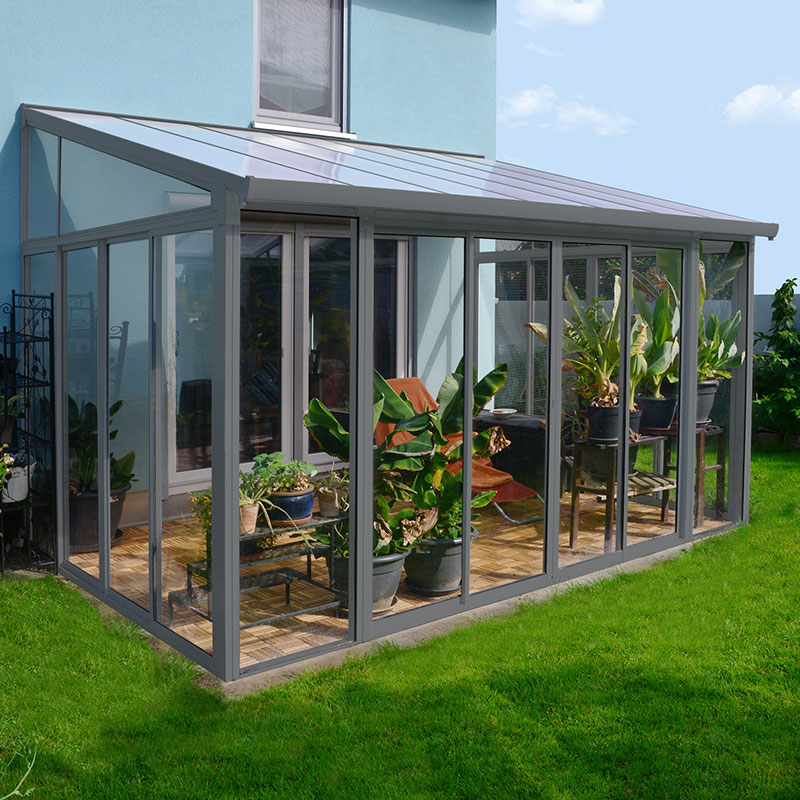
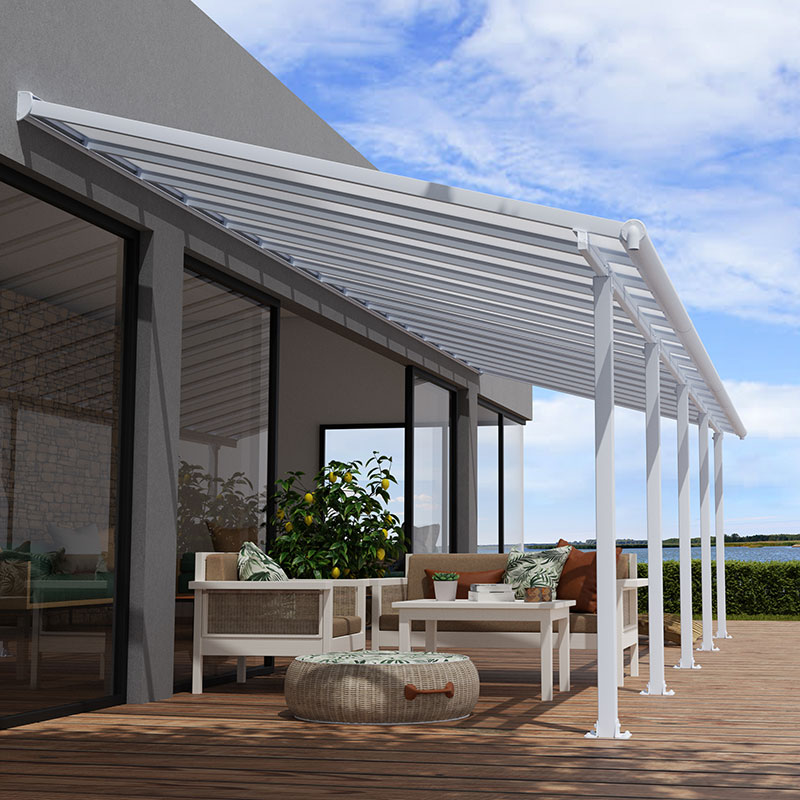
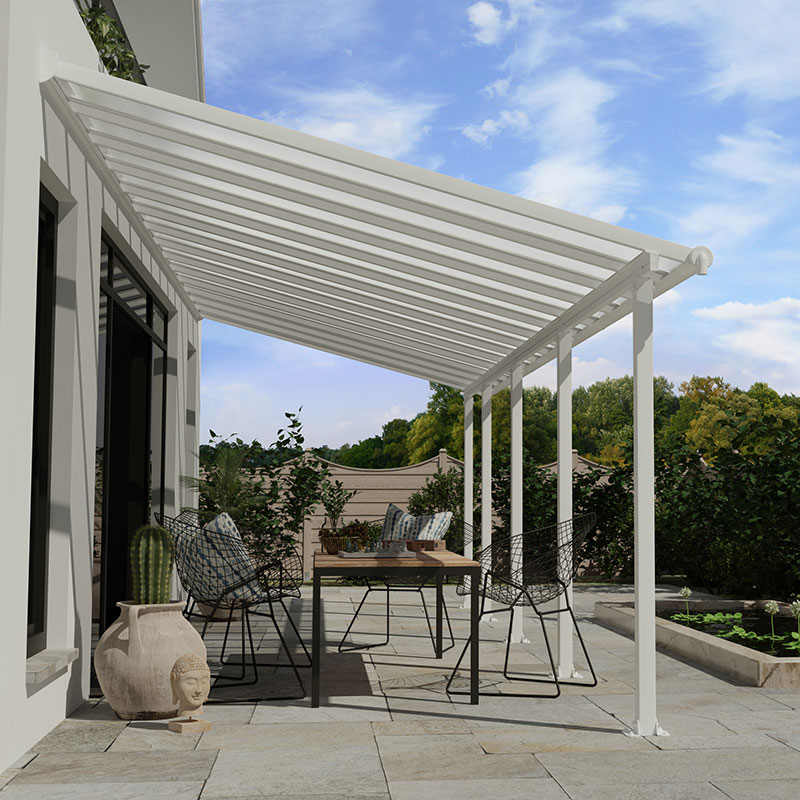
Common sub-types include:
- Lean-to patio covers that attach to the house wall and slope away from it.
- Freestanding patio covers that stand apart from the house and can sit over a separate seating zone.
- Flat or low-pitch covers for a neat, architectural look.
- Gable-style covers with a peaked roof shape for a more open feel.
- Open-sided covers that mainly provide overhead shelter.
- Semi-enclosed designs with partial side screening for added coverage from wind or angled rain.
These shapes do not just change the appearance. They affect headroom, rain run-off, how much light gets through, and how the cover sits with existing doors, windows, and paving. A low-pitch frame can look tidy against modern brickwork, while a gable shape may feel less enclosed if you want a more airy space.
Frame materials and why they matter
The frame is a big part of the difference between patio covers, even when two products look similar from a distance. In this budget, you will often see aluminium frames, treated timber, and on some designs, mixed material builds. Each has a different feel and a different visual weight.
Aluminium patio covers tend to suit clean, modern gardens. They usually have slim profiles, a crisp outline, and a lighter visual presence. That can help if you do not want the structure to dominate the patio. Aluminium also pairs well with glass or solid roof panels, and it often gives a more contemporary look.
Timber patio covers bring a warmer, more natural appearance. They can work nicely with older houses, cottage-style gardens, or spaces where softer materials are already used. A timber frame can make the cover feel integrated with planting and fencing, rather than a separate architectural add-on. The trade-off is that timber generally looks more substantial, so it can feel chunkier in smaller spaces.
There are also differences in the post shape, beam depth, and overall profile. Slimmer posts can leave the patio feeling open, while thicker supports give a more grounded look. This is not only about appearance. Post placement affects furniture layout, access paths, and how easy it is to move chairs around a table without bumping into things, which is a detail people sometimes overlook.
Roof styles: light, shelter and the feel of the space
The roof is where a patio cover really shows its character. The right roof choice changes the balance between shelter and natural light. In this price bracket, the common roof approaches are solid, glazed, or panel-based, sometimes with variations in opacity.
Solid roof covers give stronger overhead shelter and create more shade. They can be a good fit if the patio gets a lot of direct sun or if you want a more protected dining spot. These tend to make the area feel more room-like, which some buyers prefer. The downside is that they can reduce daylight beneath the cover, so the space may feel more enclosed.
Glass-roof patio covers let in more light while still giving a proper barrier overhead. They suit people who want protection without losing the brightness of the garden. They can be helpful beside kitchen doors, as the space stays connected to the house visually. The main difference to note is that glass can feel more open, but it can also make glare and sun heat more noticeable on bright days.
Polycarbonate or panel roofs are often chosen for a balance of price, weight, and light transmission. Some are clearer, some are more opaque, and some sit somewhere in between. If you want a quieter looking roof that diffuses light, this kind of material can work well. It is a bit more practical than decorative, which is not a bad thing at all when the main goal is to make the patio usable.
There are also roof shape differences to consider. A flat roof can look understated and modern. A sloped roof helps rain run off more naturally and can feel less heavy from the garden. A gable roof often gives better head height and a more open interior feel. Each one changes the atmosphere, even if the footprint is similar.
Open, semi-open or more enclosed?
One of the most important decisions is not only the roof, but how open the rest of the cover should be. A fully open-sided design keeps the garden connection strong and works well if the aim is mainly overhead shelter. It suits people who want the least visual interruption and the easiest flow between patio and lawn.
A semi-open patio cover can add side protection without making the area feel boxed in. This is useful if the wind usually comes from one direction, or if rain tends to blow across the terrace. Side elements can also make a seating area feel more defined, almost like a distinct zone within the garden.
More enclosed variations, where the sides are partly screened or more built up, offer a different experience again. They can create a deeper sense of cover and make the space feel more private. The trade-off is that the structure becomes more noticeable, so this choice suits buyers who want the patio to feel like a destination rather than an extension of the lawn.
Shapes that suit different layouts
Shape matters because patios are rarely perfect rectangles with no awkward corners. A rectangular patio cover is the most straightforward option and often works over a standard dining set or sofa group. It gives clear coverage and is easy to measure against the patio slab or paving area.
Square covers can be useful for compact seating areas, small courtyards, or a hot tub zone, though that depends on the actual product dimensions. They can feel neat and balanced, especially in smaller gardens where a long run would be too much.
Corner or L-shaped layouts are less common, but they make sense where the patio wraps around the house or where a main seating area sits in one corner of the garden. These shapes help buyers use space that would otherwise be a bit awkward. Not every patio cover needs to be a large statement piece; sometimes the right fit is the one that works around the house rather than fighting it.
Benefits that are easy to notice day to day
The obvious benefit is cover from rain, but there is a bit more to it than that. A patio cover can make a table usable when the weather changes, which is useful if you often leave things outside and do not want to keep rushing to move them. It also gives a more reliable place for outdoor eating, reading, or sitting with a drink without watching the sky every ten minutes.
There is also the comfort of shade. On bright days, a covered patio can reduce glare and create a calmer spot. That matters if your garden faces south or west, or if the patio gets direct sun for much of the afternoon. The space can feel more settled, which can change how often people actually sit there.
Another benefit is how the cover defines the garden. It can make a patio feel intentional, instead of just a paved area with a few chairs on it. For homes where the outdoor space is open-plan and a bit undefined, that structure can make a surprisingly big difference. It helps the area feel like somewhere to stop, not just pass through.
For some buyers, the main draw is simply that the garden becomes more usable across the seasons. Not fully weatherproof, of course, and it should not be treated like an indoor room, but it does extend the kind of days when the patio is worth sitting on. That practical use is often what makes the purchase feel justified.
How to judge the differences before buying
When comparing patio covers under £4000, it helps to look beyond the overall style and check the specific details. The difference between two covers can come down to things like the depth of the roof, the spacing of posts, and the way the design handles light. A cover may look elegant online but feel too solid in person if the roof is opaque and the frame is thick. Another may seem simple but work better because it keeps the patio bright and open.
Pay attention to:
- Width and projection so the cover actually shields the area you use.
- Post placement so furniture and walking routes do not feel cramped.
- Roof transparency if you want more or less light underneath.
- Frame thickness which affects both look and presence.
- Wall fixing or freestanding setup depending on your patio layout.
- Overall height so the space feels comfortable to stand and move in.
It is also worth checking how the design handles the edges of the roof. A neat edge can make the whole structure feel more finished, while visible joins or bulky trims can look a bit clumsy. These details matter more than people expect when the cover is going to sit close to the house.
Why the budget makes sense for many buyers
At under £4000, you are not necessarily paying for a huge structure, but you are often getting into a range where the patio cover starts to feel properly integrated. That can mean better proportions, more choice in roof type, and a finish that looks considered rather than makeshift. It is a range that often suits buyers who want to improve the garden without moving into a much bigger building project.
This budget also leaves room for matching the cover to the house style. A contemporary aluminium frame may suit a sharper extension or new-build terrace, while a more traditional timber cover may suit older properties better. The point is not to make the patio look like a separate object. It should feel like it belongs there, even if it is clearly a new addition.
And, honestly, that sense of fit is what people tend to notice first once the cover is in place. Not just that it exists, but that the patio suddenly has shape, shelter, and a reason to be used more often.
Small choices that change the whole result
Sometimes the best difference comes from details that seem minor at the start. Choosing a slimmer frame can keep the view to the garden more open. Choosing a clearer roof can stop the space feeling gloomy. Choosing a sloped profile can make the whole design feel lighter. On the other hand, if you want more visual shelter and a stronger sense of enclosure, a thicker frame and less transparent roof can do exactly that.
The best patio cover for one buyer can feel wrong for another, and that is fine. A family space used for lunch and gathering may need a different shape from a quiet seating nook or a sheltered spot for evening drinks. Some people want the cover to disappear into the background. Others want it to define the outdoor area more clearly. Both approaches can work, but they create a very different garden atmosphere.
A practical finish that still feels considered
Patio covers under £4000 are about making a useful outdoor area feel more settled, more comfortable, and less weather-dependent. With the right mix of shape, roof style, frame material, and level of openness, you can choose a cover that suits your space instead of forcing the garden to fit around it. Whether you are after a lean-to for the house wall, a freestanding shelter away from the building, or a lighter glazed look that keeps the patio bright, this category gives plenty to work with.
For buyers comparing options, the key is simple: think about how the cover changes the way the patio feels, not just how it looks in a photo. The right choice should make the space easier to use, more comfortable in changeable weather, and a bit more inviting each time you step outside.
[Sassy_Social_Share]