
metal sheds 9x5 - Best Deals in UK!
Showing the single result

9×5 metal sheds offer a compact yet practical footprint for garden storage, bikes, tools and seasonal kit, with smart metal profiles, secure panels and space-saving proportions.
A tidy footprint with proper working room
A 9×5 metal shed sits in that useful middle ground where a garden building is not too bulky, but still gives enough depth for real storage. The 9ft width gives you a broader face for access, while the 5ft depth keeps the shed manageable for tighter plots, side returns and narrow borders. This size is often chosen by buyers who want more than a basic locker, yet do not have the room for a larger workshop-style unit.
What makes this size interesting is the balance of floor space and garden fit. You can usually arrange long-handled tools along the back, boxes or bins to one side, and still keep a clear central aisle for reaching what you need. For many gardens, a 9×5 layout feels like it was made for the space rather than forced into it.
Why metal feels different from timber or resin
The biggest difference with a metal shed is the structure itself. Metal panels give a more rigid, angular feel than some plastic alternatives, and the look is often cleaner and more modern than timber. Buyers who compare materials usually notice three things straight away: the panel finish, the strength of the frame, and the type of access at the front.
Bestseller der Kategorie metal sheds 9x5
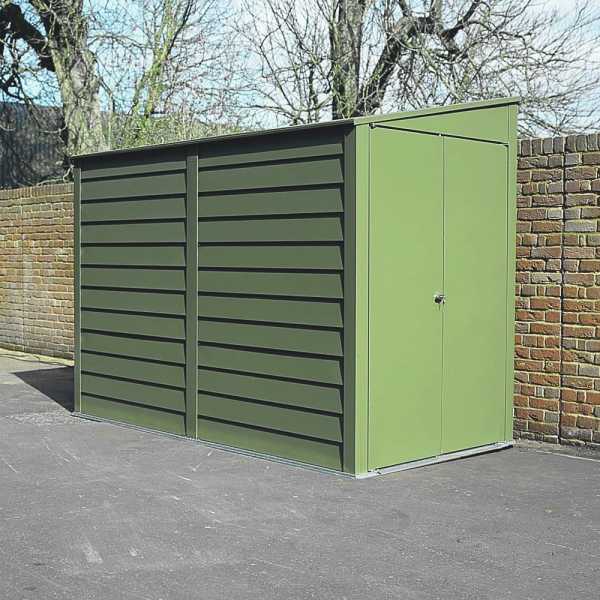
Compared with wood, metal sheds tend to appeal to people who want a more practical storage shell without the character-led appearance of timber. Compared with resin, metal often suits those who prefer a sharper, more enclosed build. The feel is less about decoration and more about function, which is exactly what many gardeners want from a storage shed.
Popular sub-types you’ll see in 9×5
Not every 9×5 metal shed is laid out in the same way. There are a few common sub-types, and the difference between them is worth noting before buying:
- Single door sheds – a straightforward choice for general storage where access needs are simple and the layout inside is fairly neat.
- Double door sheds – easier for moving in wider items such as mowers, bulkier boxes or garden furniture parts.
- Windowless designs – suited to buyers who prioritise privacy, keeping contents out of sight and reducing visible exposure.
- Glazed or windowed versions – useful if you want a bit more natural light inside, which can make the interior feel less cramped.
- Low-profile sheds – these often work well where planning, fence height or sightlines matter.
- Taller wall styles – better if you want to store rakes, spades or taller items upright without awkward angling.
The right subtype depends on what you plan to keep inside. For example, a single-door model can be fine for boxes and smaller tools, but a double-door version often makes more sense if you expect to push in a wheelbarrow or larger garden kit. Little differences like that matter more in a 9×5 shed than people expect.
Roof shapes that change the whole feel
Roof design is one of the main ways 9×5 metal sheds differ from one another. It affects not only the look, but also how the interior feels and how the shed sits in the garden. The most common forms include:
- Gable roofs – a familiar pitched style that gives a classic shed outline and a bit more central headroom.
- Lean-to roofs – a lower, sleeker profile that works well beside fences, walls or boundary lines.
- Pent roofs – a single-slope design that feels neat, contemporary and easy to place in modern gardens.
- Apex-style builds – similar to gable in feel, often chosen for a more traditional shed appearance.
A pent roof can suit buyers who want the shed to sit quietly in the background, while a gable or apex shape can feel more established and familiar. If your garden has height limits or overlooked boundaries, the roofline can be a deciding factor. It is not just a visual choice; it changes how the shed fits the plot.
Materials and panels: what the buyer is really comparing
When people look at metal shed construction, they are usually comparing the thickness of the panels, the frame style and the way the edges come together. Some sheds use flatter sheets, while others have more pronounced ridges or panel lines. These details are not only cosmetic. They influence how the shed looks from the path, how much structure the wall seems to have, and how the building feels overall.
In a 9×5 format, panel layout becomes especially noticeable because the proportions are fairly compact. A well-arranged panel pattern can make the shed look balanced rather than boxy. On the other hand, a design with awkward joins or an over-fussy front can make the shed feel busier than it needs to be. Buyers often notice this only when they stand back from the garden, so it is worth thinking about the front elevation as much as the inside.
Storage tricks that make the size work harder
A 9×5 footprint can store a lot when it is used thoughtfully. This size is especially good for zone-based storage, where one side holds long tools, another side handles boxes or bags, and the front remains open for easy access. That kind of arrangement makes a metal shed feel bigger without changing the footprint.
Useful ways buyers often imagine using a 9×5 shed include:
- Garden tools kept upright along one wall, so they are not taking up floor space.
- Outdoor equipment such as hose reels, seed trays or hand tools grouped together in lighter loads.
- Sports and leisure kit that needs a dry, enclosed place but not necessarily a heated room.
- Seasonal items like parasols, cushions or barbecue accessories which tend to clutter other parts of the house.
The 9×5 size works best when you avoid treating it like a dumping ground. A metal shed with sensible organisation feels far more usable than a bigger shed that has become awkward to navigate. That is one of the reasons this category is so popular with buyers who want order without excess.
Doors, access and the everyday difference
Door layout is often the deciding detail. A wide opening changes what can go in the shed and how comfortable it is to use. If you have larger items, such as a push mower or folded furniture, a double-door arrangement may be far easier than wrestling through a single leaf. For tight side returns, though, a single-door design can sometimes feel neater and use the frontage better.
Another small but important difference is how the opening sits within the front face. Some sheds place the door more centrally, while others offset it. That can change the way the internal space is divided. Buyers often like a front that allows the rest of the width to become useful wall storage, rather than losing valuable room to an awkward entry point. It sounds minor, but in a 9×5 shed, every bit of usable width counts.
When a 9×5 feels better than a bigger shed
People sometimes assume they need to go larger straight away, but 9×5 metal sheds can be a better fit in more gardens than expected. If the main goal is storing garden tools, small equipment and a few bulky items, this size avoids taking over the whole plot. It leaves more room for planting, paths and seating, which can matter just as much as the shed itself.
The compact shape also suits gardens where the shed needs to tuck along a boundary, sit behind a screen or remain visually restrained. A larger footprint can sometimes dominate a small lawn, whereas a 9×5 build gives a more measured look. That means the shed still earns its place without stealing the garden’s balance.
What to look for if you are comparing options
Buyers comparing metal sheds in 9×5 often focus on practical details rather than flashy extras. The most useful points to compare are usually:
- Overall proportions – whether the 9ft width or 5ft depth is the part that best suits your site.
- Door style – single or double access, depending on the items you plan to store.
- Roof profile – gable, pent or lean-to depending on space and appearance.
- Window choice – if you want light inside, or prefer a more private store.
- Panel look – plain, ridged or more structured, which changes the finish quite a bit.
- Wall height – important for taller tools and for how roomy the shed feels once inside.
These are the kind of details that can make one 9×5 shed feel like a better buy than another, even when the size is the same. A shed is not only measured in feet; it is measured in how well the layout matches the things you own.
Style choices that still feel practical
Metal sheds are often chosen for their tidy appearance, but style still matters. A low, dark-toned shed can blend into planting and fencing, while a lighter finish may stand out more against green surroundings. Some buyers prefer the shed to recede visually, especially if it sits near a patio or along a visible border. Others want a more obvious storage point that looks intentional rather than hidden.
In a 9×5 size, the style has to work with the proportion. A design with strong horizontal lines can make the shed seem wider and more settled, while a taller roof can add a bit of presence. Neither is right or wrong; it depends on whether you want the shed to feel discreet or more architectural. That choice is surprisingly personal for a storage building, and people often end up noticing it more than they expected.
Why this category makes sense for real gardens
The appeal of metal sheds 9×5 is that they are specific enough to solve a real problem, but flexible enough to suit different kinds of garden. They can handle day-to-day storage, keep clutter out of the house and still fit into places where larger sheds would be too much. For buyers who are comparing shed sizes, this one often lands in the sweet spot between compact and useful.
If you are choosing for a smaller plot, a side passage or a garden that already has seating and planting to protect, a 9×5 format gives you a sensible answer without overcommitting. The result is a shed that feels planned, not crammed in. And that usually makes the whole outdoor space feel more sorted.
A few details worth thinking about before you choose
Before settling on a metal shed 9×5, it helps to picture the actual items going in and how often you will need to reach them. If the door opening is too narrow for your bigger tools, the size on paper can become less useful in practice. If the roofline is too low for taller items, you may lose the space advantage you were hoping for. Small checks like these can save a lot of second-guessing later.
The best fit is usually the shed that matches your storage habit as much as your garden dimensions. Some people want quick access to everyday tools. Others want a more hidden storage spot for bulky bits and pieces. A 9×5 metal shed can do either job, but the layout, roof shape and door style will steer it one way or the other. That is why this category is worth exploring closely rather than treating all sheds as the same.
[Sassy_Social_Share]