
metal sheds 7x3 - Best Deals in UK!
Showing the single result

Metal sheds 7×3 offer a slim, practical storage solution for narrow gardens, side passages and compact outdoor spaces, with durable steel construction, secure access and tidy space-saving form.
Made for the awkward bit of garden space
A 7×3 metal shed is often the answer when the available space is long, narrow and just a bit awkward to use. The footprint works well along a fence line, beside a garage, or tucked into a side return where a deeper building would simply feel in the way. Because the format is more rectangular than square, it lends itself to storing items that are best kept in a line rather than stacked into a deep corner.
This size is especially handy if you need secure outdoor storage but do not want a bulky structure dominating the plot. It can suit tools, compact garden machinery, bags of compost, folded furniture, hose reels and other bits that are easy to misplace. The shape also helps with layout: one side can be kept for longer-handled items, while the other holds boxes or smaller equipment. That split is one of the reasons people look at 7×3 steel sheds when space is tight but storage needs are not.
The shape matters more than you might think
In a 7×3 format, the difference between a shed that feels useful and one that feels cramped often comes down to the internal layout. A long, narrow shed naturally encourages organised storage, and that is not a bad thing. Instead of everything getting pushed to the back, the contents stay more visible and easier to reach. If you have ever had to drag half the shed out just to get to one spade, you will probably see the appeal.
Bestseller der Kategorie metal sheds 7x3
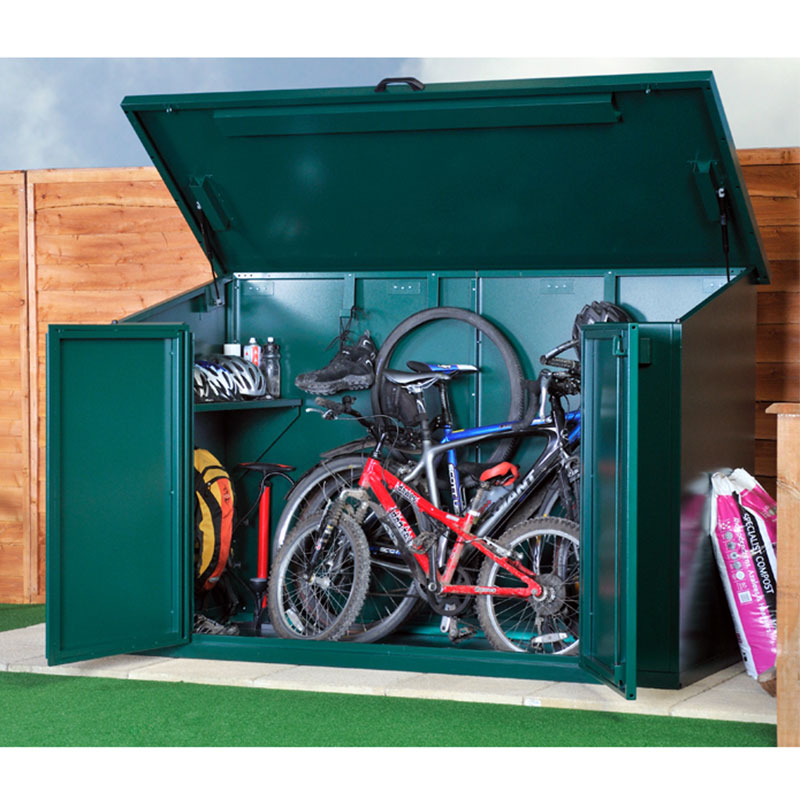
The proportions also mean the shed can sit neatly against a boundary without taking over the centre of the garden. That can leave more open ground for planting, paths or seating. For buyers comparing garden sheds 7×3 with deeper models, the main advantage is not just size, but how the size works with the garden plan. It is a more considered fit, especially where access routes are narrow or where the shed needs to stay visually lighter.
Different build styles within the 7×3 range
Not every metal shed 7×3 has the same look or structure. The category usually includes a few distinct forms, and the right one depends on what you want the shed to do and how much headroom or access you need.
- Single-sloped roof designs: these have a roof that falls to one side, which gives a cleaner profile and is often useful when the shed sits against a wall or fence. The lower side can help it blend into a boundary line.
- Gable roof styles: the classic pitched look gives a more traditional shed appearance and can make the structure feel a touch less boxy. It may also offer a bit more internal space at the roof apex.
- Double-door layouts: useful where you want easier access for wheelbarrows, sacks or wider tools. In a narrow shed, door width can matter as much as overall floor area.
- Single-door versions: these suit users who mostly store smaller items or want a simpler entrance set-up. They can also make sense where the shed is placed in a tighter side area.
- Windowed variants: when included, windows can help reduce the closed-in feel and make it easier to see what is stored inside, though some buyers prefer a more private, all-steel form.
These differences are not just about looks. They affect how the shed is used day to day. A model with a wider entrance can be easier if you are moving anything bulky in and out, while a more enclosed design may be better if your priority is discreet storage and a neat exterior line.
Steel construction and what it brings to the table
One reason people choose a metal garden shed over timber is the character of the material itself. Steel lends a firmer, more uniform finish and tends to suit buyers who want a clean, practical storage unit without the visual warmth of wood. The panels are typically designed to form a rigid shell, giving the shed a structured appearance that feels purposeful rather than decorative.
The term metal shed also usually points to a low-fuss exterior that suits modern gardens, utility areas and side access spaces. The surface can have a smooth, ribbed or panelled look, depending on the design, and that small detail can change how the shed sits in the garden visually. Some buyers like the neat, industrial feel; others simply like that it does not ask for the same level of attention as more traditional materials.
For a 7×3 size, the material choice is important because the structure is compact enough to be light on the plot, but still substantial enough to store a sensible amount of kit. In other words, it can be small in footprint without feeling flimsy or temporary. That is a useful balance when you are trying to make the most of every metre.
Security, access and the practical stuff buyers notice first
When people compare 7×3 sheds, security often comes up quickly. A metal build is attractive to many buyers because it feels more enclosed than open shelving or softer storage options. The material itself can support a sense of protection for tools, garden equipment and seasonal items that you do not want left in plain view.
Access is the other big point. In a narrow shed, the width of the doorway and the position of the opening can change how comfortable the whole thing feels. If the door is too tight, the 7×3 format may seem more restrictive than it actually is. If the entrance is well proportioned, though, the shed becomes easy to use and not at all awkward. That is why the door arrangement should be checked as carefully as the floor size.
It is also worth thinking about how often the contents will be removed. If you plan to take bikes, larger bins or gardening machinery in and out, then a design with broader access may suit better than one built mainly for boxed storage. If it is mostly for tools, pots and smaller outdoor items, a simpler entrance can be enough.
Why the 7×3 footprint works so well
The 7×3 footprint has a practical appeal that goes beyond simple dimensions. It gives you length without excessive depth, which can be especially useful for long-handled tools, hose storage, garden edging, folded parasols, narrow shelving and stacked containers. In a way, it behaves a bit like a corridor for storage, with each item able to claim its own place.
This shape also means there is less temptation to dump things in random layers. That may sound like a small point, but anyone who has owned a shed knows how quickly a deep space can become a kind of storage fog. With a 7×3 layout, everything feels a little more reachable. The shed can therefore work well for buyers who want organised outdoor storage without needing to fit in a large workshop.
Another plus is how it suits gardens that are narrow rather than broad. A shorter, wider shed can be difficult to place cleanly, while a 7×3 unit tends to follow the line of the garden. That can make the whole area feel more planned, even when the garden itself is not perfectly regular in shape.
What to compare before you choose one
Not all metal sheds 7×3 are built in the same way, so it helps to look closely at the details that affect fit, use and appearance. A good comparison starts with the structure, then moves on to access and the general look of the shed in the garden.
- Panel profile: ribbed, plain or boxed panels can change both the appearance and the feel of the shed.
- Roof shape: single-slope or pitched roofs will suit different boundary positions and visual preferences.
- Door placement: end doors and side-facing doors create very different access routes inside a narrow shed.
- Opening width: this can matter more than expected if you plan to move bigger items around.
- Internal length usage: think about whether the space will be used for long tools, stacked boxes or a mix of both.
- Overall appearance: some buyers want the shed to sit quietly in the background, while others prefer a more defined, modern look.
These are the details that tend to separate a shed that merely fits from one that feels properly suited to the job. It is a small category, but there are still noticeable differences between models, and those differences matter when the garden is limited.
Storage that suits more than just tools
Although a 7×3 metal shed is often chosen for garden tools, it can also work well for a wider mix of items. The long format is helpful for items that do not store neatly in a boxy square shed. Think of folding chairs, spare pots, outdoor cushions in storage bags, barbecue accessories, border tools, and the general overflow that tends to build up as the seasons change.
Because the space is narrow, it can also be easier to separate different storage zones. One end can hold long items, the middle can carry boxed goods, and the other end can remain open for quick access. That sort of arrangement makes a shed feel calmer and less cluttered. It is not glamorous, but it is the kind of thing that makes daily use easier, and buyers do notice that.
For people with shared outdoor areas, a metal shed can also be a tidy way to keep household bits out of sight. It gives things a dedicated place, rather than leaving them scattered across the garden. That simple order is often a bigger selling point than any fancy phrase on a product page.
How the proportions can change the feel of a garden
A storage unit in the 7×3 range does not have to dominate the garden, which is part of its appeal. Because it stretches out rather than bulging out, it can sit in a side space and still leave the main outdoor area feeling open. This can be useful where the garden is not large enough for a broad shed, or where you do not want the storage building to become the main visual feature.
Metal sheds in this size can suit both newer and older garden layouts. In a more contemporary setting, the straight lines can fit the overall design language. In a more traditional garden, the slimmer profile may simply be less intrusive than a deeper structure. That flexibility is a real advantage, especially when the shed needs to do its job without stealing attention.
Buyers often talk about wanting a shed that “disappears” a bit, and the 7×3 shape does that better than many larger forms. It is not about hiding it completely, but about making sure it sits in the background with some sense of order.
Useful buying tips without the fluff
If you are looking at metal sheds 7×3, a few practical checks can save trouble later. These are not fancy considerations; they are the ones that usually matter once the shed is in place and in use.
- Measure the siting area carefully, including any overhang or door swing clearance.
- Think about what goes inside first, then choose the access style to match.
- Check the internal shape, not only the outside dimensions, because the usable space can feel different once the walls and roof are taken into account.
- Match the roof form to the location, especially if the shed is going beside a fence or wall.
- Consider visibility from the garden, since the shed will usually be seen from several angles.
- Look at how the length is used, because in a narrow shed, every section should earn its place.
These small checks help you choose a shed that fits the garden naturally rather than one that needs compromise on every side. And with a 7×3 design, that fit is often the difference between a decent storage solution and one that feels a bit off.
A clean, compact solution with a proper purpose
What makes a metal shed 7×3 worth a closer look is the combination of compact size, useful length and straightforward construction. It is a category that suits people who want storage to be practical first, tidy second and visually untroublesome third. The format works particularly well where gardens have narrow runs, limited side access or areas that are difficult to use for anything else.
There are differences between models, of course: roof shape, door width, panel style and overall feel can all nudge one shed ahead of another depending on what you need. But the core idea stays the same. A 7×3 metal shed gives you a sensible strip of secure storage without asking for too much ground space in return. That is a fair trade for many buyers, especially when outdoor clutter is becoming a bit of a nuisance.
If you are looking for a shed that keeps its purpose clear and its footprint controlled, this size makes a strong case. Not flashy, not overblown, just a useful bit of garden kit that does what it says on the tin, more or less.
[Sassy_Social_Share]