
metal sheds 6x4 - Best Deals in UK!
Showing all 7 results
-
23% OFF: 6′ x 4′ Yardmaster Platinum Tall Pent Metal Shed (1.9m x 1.19m) £194.9923%

-
20% OFF: 6′ x 4′ Yardmaster Castleton Anthracite Pent Metal Shed (1.98m x 1.19m) £214.9920%

-
20% OFF: 6′ x 4′ Yardmaster Pent Metal Shed (1.98m x 1.19m) £179.9920%

-
16% OFF: 6′ x 4’6 Trimetals Premium Titan 640 Metal Shed (1.76m x 1.31m) £1,169.0016%

-
15% OFF: 6′ x 4′ Yardmaster Platinum Tall Pent Metal Shed (1.9m x 1.19m) £214.9915%
-
14% OFF: 6′ x 4′ Yardmaster Emerald Pent Metal Shed (1.98m x 1.19m) £204.9914%

-
13% OFF: 6′ x 4′ Yardmaster Pent Metal Shed (1.98m x 1.19m) £194.9913%
Metal sheds 6×4 offer compact storage, weather-resistant steel construction and a practical footprint for gardens where space matters. Discover roof styles, panel types, doors, finishes and buying tips for the right shed.
Why a 6×4 metal shed fits so neatly into a smaller garden
A 6×4 metal shed is one of those sizes that makes immediate sense when the garden is not huge but the storage list keeps growing. The footprint is compact enough to sit neatly along a fence, at the end of a path, or tucked into a side return, yet it still gives enough room for the everyday things that tend to clutter up outdoor spaces. Think hand tools, pots, watering cans, hose reels, folding chairs, a small mower, or boxes that need to stay dry and out of sight.
What makes this size useful is the balance between capacity and placement. A 6×4 shed does not swallow the garden, which is important if you want to keep some planting space, a small patio, or a clear lawn area. At the same time, it is larger than the tiny store cupboards that only hold a few items before becoming awkward. For many buyers, that middle ground is exactly the point.
In metal, this format also tends to feel tidier visually. The slim profile, straight lines and flat or gently pitched roofs suit modern plots as well as more traditional gardens. If you want storage that looks planned rather than improvised, a 6×4 steel shed can do that without taking over the scene.
Bestseller der Kategorie metal sheds 6x4
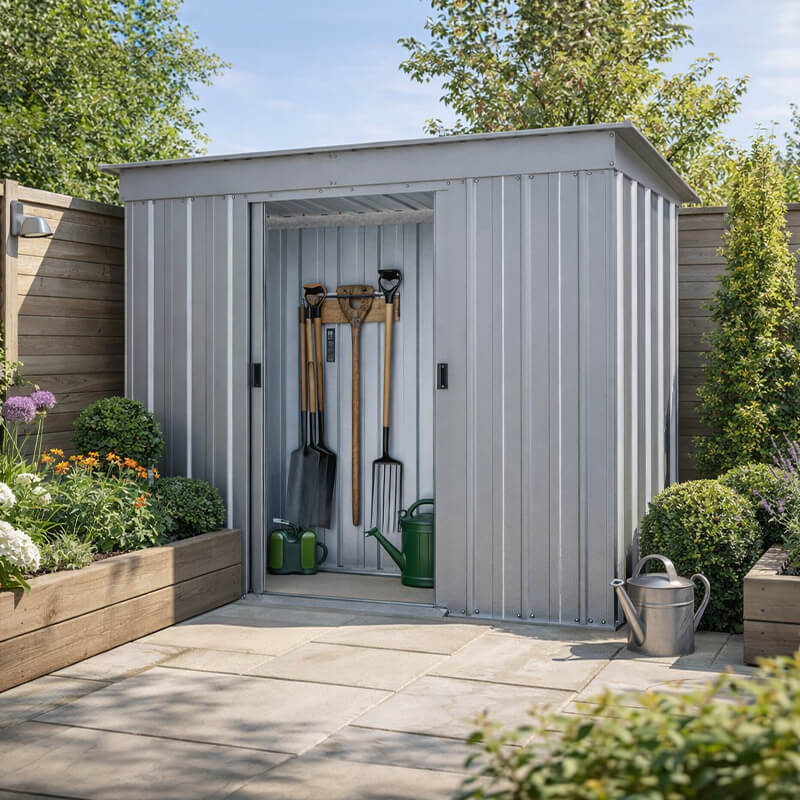
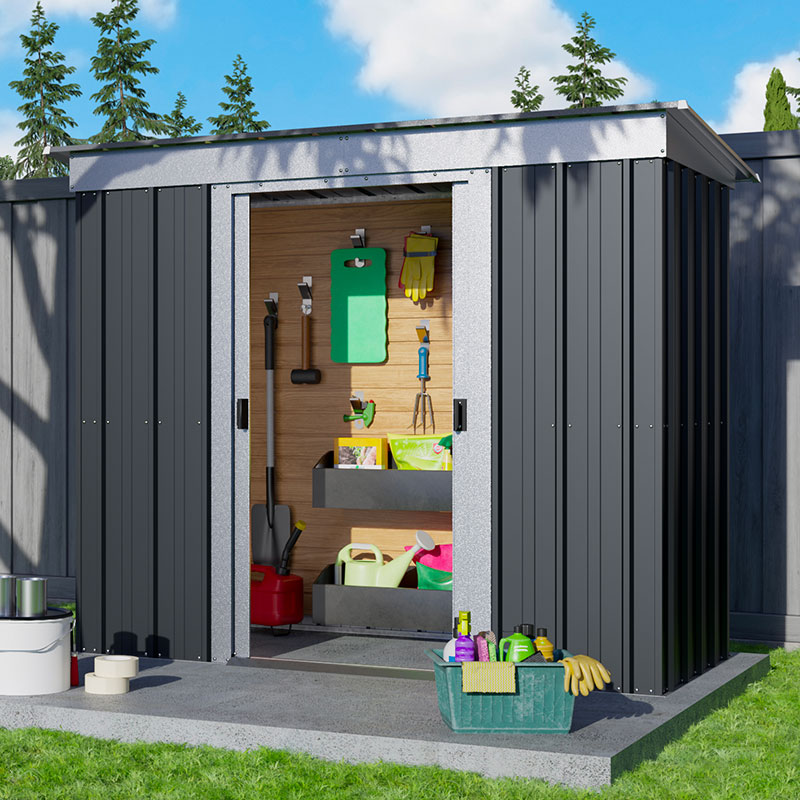
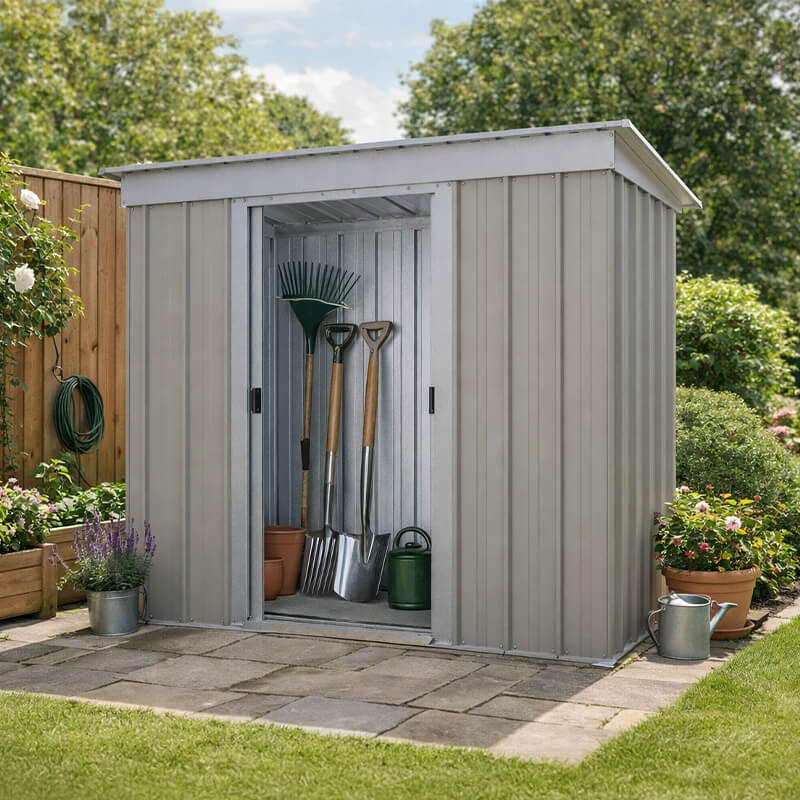
What “metal” really means in this category
When people search for metal sheds 6×4, they are often looking for a few different build types under one umbrella. The main material is usually galvanised steel, sometimes finished with a coating that helps resist corrosion and gives the shed a cleaner look. The panels may be ribbed, corrugated, or formed into flatter sections depending on the design.
The difference between metal shed types is not just about appearance. It changes how the shed feels to use, how much internal space seems available, and how the structure handles wind, rain and general wear. A shed with tighter panel fitting and braced doors often feels more substantial, while lighter panel systems can be easier to position and assemble. There is a bit of trade-off here, and that is normal.
Most metal sheds in this size are sold as panel kits, which means the side walls, roof panels and door sections arrive ready to be put together. Some are designed for a quicker build with pre-formed sections; others rely on more fixing points and a careful assembly process. The category covers both, so it is worth checking the panel thickness, the frame structure, and the style of joining details before deciding.
Roof shapes that change the whole feel
Roof design is one of the easiest ways to tell metal sheds apart, even when the size is the same. In a 6×4 shed, roof shape affects not only the look but also the usable height and the way the shed sits against the garden. Some buyers prefer a low-profile shape that blends into the boundary, while others want a little more headroom in the centre.
- Lean-to roof – a practical choice where the shed sits against a wall or fence line. It keeps the overall height lower and can suit narrow spaces.
- Gable roof – gives a more traditional shed profile and can create a slightly airier feeling inside, especially near the centre line.
- Pent roof – often seen on modern metal sheds, with a single slope that helps with water run-off and gives a neat, simple outline.
- Flat-profile roof – used on some compact steel stores where the goal is a discreet shape and minimal visual bulk, though the slope may still be built in subtly.
The right roof shape depends on the space you have and the way you want the shed to sit in the garden. A pent roof can look smart in a contemporary setting, while a gable roof can feel a bit more classic. If the shed will sit near a fence, the roof pitch and door placement are worth checking together, as that can make access easier or, well, slightly annoying if overlooked.
Panel styles, frames and the difference you can feel
Not all metal shed panels behave the same way. Some are formed with corrugation, which adds rigidity and a familiar industrial look. Others use flatter panels with pressed lines to keep the structure visually clean. The panel style affects how light reflects off the shed, how sturdy it seems, and how much the exterior blends into planting or hard landscaping.
The internal frame matters too. A shed with a more defined steel frame often feels less like a temporary cover and more like proper storage space. Bracing around the corners and door openings can improve the sense of solidity. In a 6×4 footprint, that matters because every bit of structure counts. The internal layout is already compact, so you want the walls and roof to work hard without feeling crowded.
Another difference buyers notice is the thickness of the sheet steel and the quality of the edging. Slightly heavier-gauge materials can feel more reassuring in use, especially when doors are opened regularly or items are stacked close to the wall. Lighter panels can still be suitable, but the feel is different. If you are comparing sheds on paper, these small details are the ones that tend to separate a basic store from a more dependable one.
Door options that make a 6×4 shed easier to use
Door style is a practical point, but it also changes what you can store. With a metal shed 6×4, door width and opening direction matter because the internal space is not endless. If you plan to keep in larger items, you will want to think beyond the first glance at the front panel.
- Single door – suits smaller items and tighter placements, and may work best if the shed is for everyday garden bits rather than bulkier kit.
- Double doors – useful when you want easier access for wider items or simply prefer a more open entrance when moving things in and out.
- Sliding doors – handy where swing space is limited, because they do not need a clear arc in front of the shed.
For many buyers, double doors are the more flexible option in this size, because they make it simpler to load awkward items and give a less cramped feel. That said, a single door can be the better fit if the shed sits in a narrow side area or close to a path. The best choice often comes down to how the garden is laid out, not just the storage list.
How the size works for different kinds of storage
A 6×4 footprint is compact, but it can still be surprisingly organised if used with a bit of thought. It suits people who want a tidy store for gardening gear, a place to keep outdoor furniture cushions dry, or somewhere to move household overflow out of the garage. It can even work for hobby use where the items are small and stacked properly.
The shape of your stored items matters. Long-handled tools are easy to place along the back or side walls, while boxed items can be stacked more efficiently. Flat-pack garden furniture, seed trays, folded parasols and smaller equipment all fit into this footprint more easily than bulky machines. If your storage list includes wide or tall objects, a double-door format and a roof with a bit more central height may be a better match.
A useful thing about this size is that it encourages order. There is enough room for a simple internal arrangement, but not so much space that everything disappears into the back and gets forgotten. You can create a working system with shelves, hooks or stacking zones, and the shed stays manageable rather than becoming one of those places where things are put away and never seen again.
Where metal has an edge over timber or plastic
Different buyers look at timber, resin and metal for good reasons, but metal sheds 6×4 bring a specific set of advantages. Compared with timber, metal usually has a cleaner, more uniform finish and does not rely on painted wood surfaces for its outer shell. Compared with some plastic sheds, it can feel more rigid and visually structured, especially in a smaller size where shape matters a lot.
The main appeal is often the combination of space efficiency and weather-ready construction. Steel panels do not warp in the same way timber can, and they suit buyers who want a more precise outline in the garden. They also tend to come in finishes that keep the shed looking consistent over time, which is useful if you prefer a neater boundary line and a less fussy appearance.
That said, the feel is different. A metal shed can sound and look more utilitarian than a wooden one, and that is part of the attraction for many people. It can suit a garden that is already practical in style, with paved areas, gravel, raised borders or a modern fence line. The key difference is that metal often gives a sharper, more organised look, while timber can seem warmer and softer.
Small details that help before you buy
It is worth looking closely at the details, because in this category the small points make the biggest difference. A shed that seems fine at a distance can turn out to be awkward if the roof height is too low, the doorway too narrow, or the internal corners too tight for your actual storage plan. A quick check at the start can save a bit of regret later on.
- Check the external footprint and allow for any edge overhangs, door swing or access space around the shed.
- Look at the door opening size as well as the overall shed size, especially if you will store a mower or boxed items.
- Review the roof slope if the shed will sit near a boundary or under trees, because pitch can affect placement and run-off.
- Consider the panel layout so you can see where shelves or hooks might work without fighting against supports.
- Check whether the base needs to be level, as a tidy, stable foundation makes assembly and alignment much easier.
Finishes and colours that blend in, or stand out a bit
Metal sheds in this size often come in finishes that are chosen to suit gardens rather than dominate them. Greys, greens, anthracite shades and muted metallic tones are common because they sit comfortably against planting, fencing and paving. The finish does more than affect style. It can also change how the shed reads in the space, especially if the garden is small and every object feels visually important.
A darker finish can make a 6×4 shed recede a little, which is helpful if you want it to feel less prominent. A lighter finish can make the structure appear sharper and easier to match with lighter walls or gravel areas. If the shed sits near flowers, shrubs or climbing plants, colour choice can influence whether it looks like a background feature or a stronger shape in the garden. Neither is wrong, just a different effect.
For buyers who like a more practical look, a straightforward steel finish keeps the shed honest and simple. For others, a coated colour that ties in with the rest of the outdoor space helps the shed feel like part of the layout rather than an afterthought. It is a small thing, but in a compact garden it can make a proper difference.
What to expect from a 6×4 metal shed in day-to-day use
Day to day, a good 6×4 metal shed should feel easy to live with. The doors should open without fuss, the interior should give you enough room to move items in and out, and the overall shape should make the garden feel more sorted, not more cluttered. This size is especially handy when you need storage that is there for a reason, rather than because there happened to be a gap to fill.
Many buyers choose this category when they want to clear the patio, keep tools near the border, or create a dedicated place for outdoor bits that do not belong in the house. The appeal is simple: it gives structure to the garden. Not in a flashy way, just in a useful one. And if the layout is chosen well, it can do that without drawing too much attention.
Because the format is so compact, it is worth thinking a little like a puzzle. Which items need the easiest access? Which ones can go to the back? Do you need a wide entrance, or is a slim front enough? Once those questions are answered, the right shed tends to become clearer. Funny how that happens.
Simple buying cues that point you in the right direction
If you are comparing metal sheds 6×4, the clearest signs of a good fit are usually practical rather than decorative. The right shed is the one that suits the items you own, the shape of your garden, and the way you want the space to function. It should feel compact without feeling cramped, and sturdy without looking heavy.
Useful cues include a sensible roof profile, a door arrangement that matches access needs, a panel structure that looks secure, and a finish that works with the rest of the outdoor area. If the shed is going somewhere visible, the visual line matters just as much as the measurements. If it is going into a tucked-away corner, access and ease of use may matter more than appearance.
In the end, a well-chosen 6×4 metal shed is not just storage. It is a small piece of garden order, with enough room to handle the bits that need a proper home, and enough neatness to make the whole outside space feel more under control.
[Sassy_Social_Share]