
metal sheds 4x3 - Best Deals in UK!
Showing the single result

Metal sheds 4×3 offer a neat, space-saving storage solution for gardens, side returns and smaller outdoor plots, with compact footprints, secure doors and practical layouts for tools, bikes and seasonal items.
A compact footprint that still pulls its weight
A 4×3 metal shed is one of those sizes that makes sense when space is tight but proper storage still matters. The footprint is small enough to sit along a boundary, tuck beside a garage, or slot into a narrow corner, yet it still gives you a usable interior for the things that usually clutter up a garden. Think hand tools, long-handled kit, plant pots, feed bags, hose reels, children’s outdoor toys, or a fold-up lawnmower that needs a dry home rather than a damp shed at the bottom of the garden.
Because the format is compact, the shed can feel more organised from the start. You are not looking at a huge empty box that tempts you to pile things in wherever they land. Instead, the 4×3 size encourages a tidy, efficient setup with shelves, hooks, and stackable storage. That matters when every inch is being used properly.
Why metal suits a 4×3 space so well
The appeal of a metal garden shed at this size lies in the structure itself. Metal panels allow a slim profile and a clean shape, so the shed doesn’t visually dominate a small garden. It often looks sharper and less bulky than timber alternatives of the same size, which can be helpful if you want storage that works hard without making the outdoor area feel cramped.
Bestseller der Kategorie metal sheds 4x3
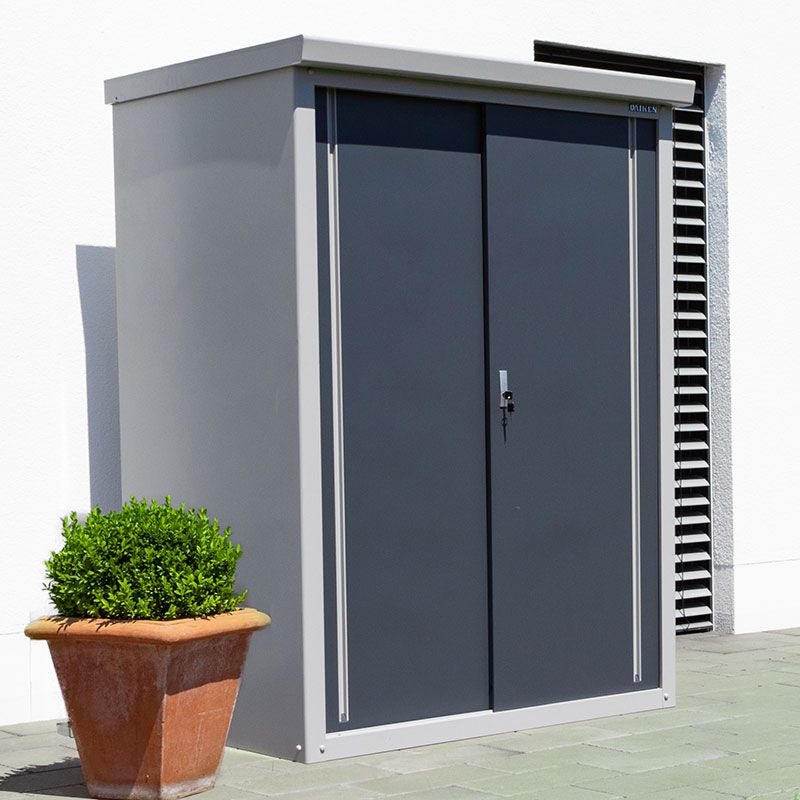
There is also a practical advantage to the material. Metal sheds are commonly chosen for their rigid panels, secure feel and straightforward layout. For a 4×3 build, that can mean a storage unit that does exactly what it says on the tin, without needing extra decorative features. It is storage-first, which is often what people are after anyway.
Subtypes you’ll see in 4×3 metal sheds
Not every 4×3 metal shed is built the same way. The category usually includes a few distinct subtypes, and the differences matter when you are trying to match the shed to your garden and how you plan to use it.
- Horizontal sheds – lower in height, handy for tight spaces, and often used for tools, smaller equipment or items that need easy side access.
- Vertical sheds – taller proportions, useful where floor space is limited but height is available, especially for long-handled tools and upright storage.
- Bike-focused metal sheds – still within a 4×3 footprint, but shaped to better suit bicycles, e-bikes, or a mix of bikes and garden gear.
- Tool stores – compact units with a more straightforward, utility-led design, often chosen when the main aim is to keep equipment close at hand.
- Bike and bin combination styles – less common in a pure shed sense, but the 4×3 footprint can sometimes be used for a split-purpose layout depending on the internal arrangement.
Each subtype gives a slightly different experience. A horizontal shed is good when you want access without reaching overhead, while a vertical design makes better use of a small plot where width is precious. If you are storing a bike, the decision often comes down to door opening, internal height, and how much room you need to manoeuvre things in and out without knocking pedals or handlebars.
Flat roof, apex roof, pent roof: the shape changes the story
The roof shape affects both the look and the usefulness of a 4×3 metal shed. This is one of those details people sometimes skip over, then realise later that it changes a lot more than expected.
Flat roof sheds are neat and simple, with a low profile that works well where height is restricted. They can sit quietly under fences or near boundaries and are often a decent option for modern gardens that favour clean lines. The trade-off is that internal headroom is usually more limited, so taller users or larger items may feel the pinch.
Pent roof designs slope in one direction and often give a tidy, contemporary look. They can help water run off more efficiently and may offer slightly better height on one side. That can be useful if you want a wall for shelving on the lower side and more standing space on the higher side.
Apex roof sheds bring a classic profile, with a pitched roof that gives the interior a bit more air and often improves usable headroom in the centre. In a 4×3 format, that extra space can make a surprisingly big difference, especially if you want to store taller items or simply avoid the feeling of crouching in and out each time.
What a 4×3 footprint actually suits
It is worth being specific about what a 4×3 metal shed can realistically handle, because the right match is part of the appeal. This size works well for compact storage rather than heavy-duty workshop use. It suits a household that wants order, not a full garden overhaul.
- Hand tools such as spades, forks, trowels, shears and rakes
- Small machinery like a compact mower, trimmer or blower
- Bikes where the door width and internal layout are suitable
- Seasonal items including cushions, pots, covers and decorations
- Outdoor essentials such as compost bags, watering kit and spare fencing bits
What it is less suited to is oversized equipment, deep benches, or lots of shelving plus large floor items all at once. The format is clever, but it is still compact. That is not a downside if you go in with clear expectations. It is actually part of the attraction, because a smaller shed can be much easier to place and much less awkward to live with.
Metal versus timber in this size: the practical difference
When people compare metal sheds 4×3 with timber sheds in the same footprint, the differences are often about feel, appearance and how the space is used. A timber shed can bring warmth and a more traditional garden look. A metal shed tends to feel more utilitarian, more direct, and often a bit sharper in profile. That suits buyers who prefer a no-fuss storage unit.
In a small size, metal can be especially appealing because it keeps the structure visually light. There are fewer chunky external elements, and the shed usually reads as a crisp block rather than a heavy feature. If your garden already has plenty going on, that can be a useful thing. The shed does its job without stealing attention from the rest of the space.
There is also a difference in how doors and panels feel. Metal panel construction often creates a more fixed, engineered look. Some buyers prefer that because it feels tidy and deliberate. Others like timber for the softer visual tone. It is less about which is “best” and more about which fits the mood of the garden and the kind of storage you need.
Door styles that change how easy life feels
In a compact shed, the door style matters more than people expect. A 4×3 metal shed may come with single doors, double doors, or a front opening that suits a specific type of storage. This can be the difference between a shed that feels practical every day and one that is slightly awkward whenever you use it.
Single doors are often fine for hand tools, smaller garden items, and items you lift rather than wheel in. They keep the front simple and can work well in a narrow garden side passage. Double doors are useful when you need a wider opening for bikes, larger boxes or bulkier kit, and they make the shed feel more accessible. If you are buying a shed for frequent use, not just occasional storage, the doorway width is worth attention. It sounds obvious, but it is the sort of detail that gets missed.
Where the finish and panel style matter
Metal sheds in this category are not all visually the same. Some have a smooth panel finish, some use ribbed or corrugated profiles, and others have a more boxy, reinforced look. These differences may seem cosmetic, but they influence the overall impression of the shed and sometimes the way it fits with the garden.
A smooth-panel metal shed can feel more modern and understated, which works well in a compact urban plot or a tidy paved space. A ribbed finish adds texture and can give the shed a more industrial look, which suits a practical storage-first approach. If the garden already has strong lines, fencing, paving, or decking, the ribbed style often blends in nicely rather than fighting the surroundings.
Colour also plays a role. Neutral tones like grey, green or anthracite are popular because they help the shed settle into the background. In a 4×3 format, that is helpful: the shed stays present, but not pushy. Buyers often prefer that balance, especially where outdoor space is precious.
The little details that make a big difference
When shopping for a 4×3 metal garden shed, the visible size is only part of the picture. Small structural details can shape how useful the shed is once it arrives in the garden.
- Internal height – important if you want to stand upright, hang long tools or store tall items
- Door opening width – affects how easy it is to move bikes, mowers and storage boxes in and out
- Panel layout – can influence where shelves or hooks feel easiest to place
- Base compatibility – useful when you are planning the shed on a concrete or paved area
- Window or no window – a window can add daylight, while a windowless design may feel more private and secure
These are the sort of details that decide whether the shed works as a genuine storage solution or just takes up a bit of room. A well-matched 4×3 shed tends to feel easy from the first use, because the layout fits the way you actually move in the garden.
Why shoppers choose metal for security-minded storage
Another strong point of a metal shed 4×3 is the sense of contained storage it can provide. For households that want to keep tools, bikes or garden equipment out of sight, the material and construction style often feel reassuring. Metal naturally suits a closed, controlled storage environment, and that can be a selling point for anyone leaving equipment outside rather than in a garage.
This is especially relevant if the shed is being used for items that are hard to replace or inconvenient to store elsewhere. A compact metal shed is not about showing off; it is about keeping things together, protected from the weather, and less exposed in the garden. That practical benefit often carries more weight than decorative appeal.
Choosing between height, width and access
With a 4×3 shed, the proportions are fixed, so the decision often comes down to which side of the equation matters most. Do you need more standing height, or do you need easier access? Do you want a narrow profile that disappears against a fence, or a front that opens wide enough for bikes and boxes?
If the garden path is tight, a narrower door arrangement may be enough. If the shed is likely to be used for larger objects, then wider access can save a lot of messing around. It is also worth thinking about how the shed will be organised inside. A vertical design can work brilliantly if you plan to hang things and store upwards. A lower, broader design can be simpler if your main need is floor-level access without stacking too much.
The right choice often depends on the shape of the garden itself. In a long narrow plot, a slim side-opening store may fit better. In a more open area, an apex-roof model with a front opening might be the better fit. The shed should feel like part of the plot, not like it has been squeezed in by force.
Useful buying tips without the fluff
If you are comparing metal sheds 4×3, it helps to think in use cases rather than just measurements. A shed can be the right size on paper and still feel awkward in real life if the door is too narrow or the internal height is not generous enough.
- Measure the exact space where the shed will sit, including any overhang or opening clearance.
- Check the access route from gate to garden, because a compact shed still needs to be assembled where it will stand.
- Think about what goes in first, then add the rest around that. Bikes and mowers often decide the layout.
- Match the roof shape to the site, especially if boundary height or visual bulk matters.
- Choose the door type with real use in mind, not just by appearance.
These steps can save a lot of guesswork. A 4×3 shed is small enough that every detail counts. Once the shed is in place, you want the first few months to feel straightforward, not a bit of a squeeze.
A tidy solution for gardens that need order
What makes metal sheds 4×3 such a strong category is the balance between size, function and appearance. They are compact enough for limited spaces, yet still roomy enough to make a clear difference to day-to-day garden tidiness. They work for people who need a place for practical items, not a grand outbuilding. That distinction matters.
For the buyer, the value lies in having a shed that is easy to place, easy to live with and specific enough to solve a real storage problem. Whether you are after a low-profile flat roof, a slightly taller apex shape, or a vertical design that uses height instead of floor area, the 4×3 format gives you options without pushing the garden out of balance. It is the kind of purchase that quietly improves things, which is often exactly what a garden store should do.
Final detail worth thinking about before you choose
Before choosing a metal shed 4×3, picture the exact moment you will use it most. Will you be wheeling a bike in after a ride? Pulling out a mower at the weekend? Grabbing tools quickly between showers? Those everyday movements reveal more than a spec sheet ever will. The best shed is the one that fits those small routines without fuss.
And that, really, is the charm of this category. A well-chosen 4×3 metal shed does not need to be dramatic. It just needs to be the right shape, the right height, and the right kind of practical. When those pieces line up, the garden feels more settled, and the clutter has somewhere else to be.
[Sassy_Social_Share]