
metal sheds 35 sq ft / 3 m² - Best Deals in UK!
Showing all 3 results
-
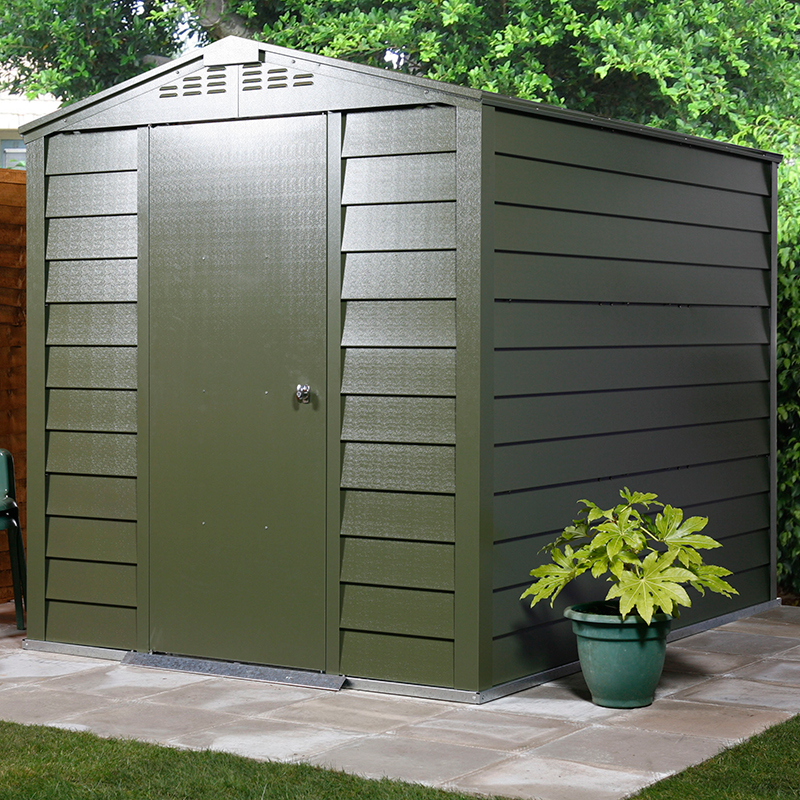
14% OFF: 6′ x 6′ Trimetals Premium Titan 660 Metal Shed (1.76m x 1.76m) £1,329.0014%

-
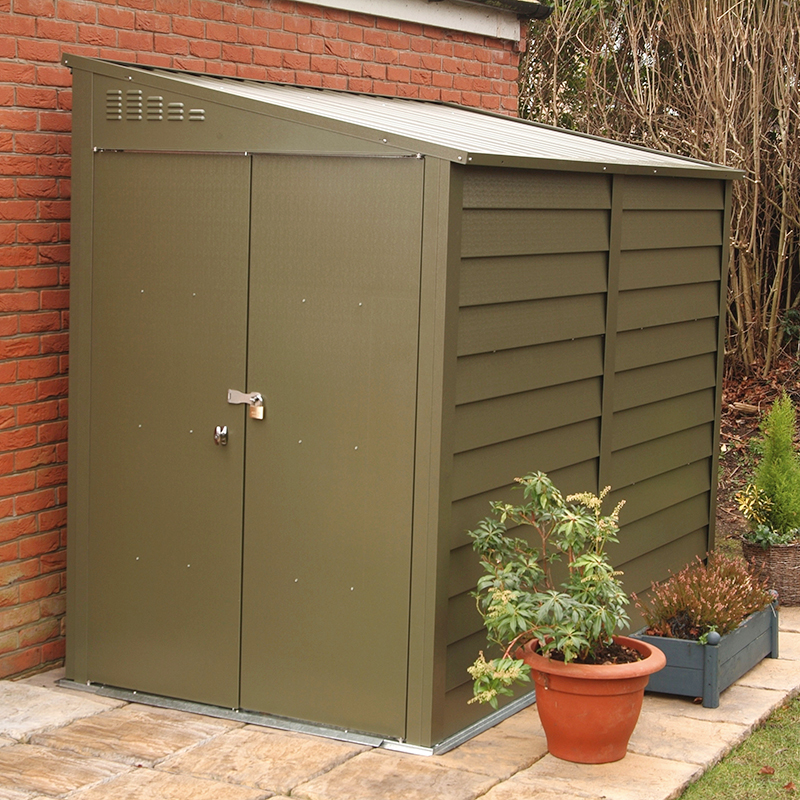
11% OFF: 8’8 x 4’6 Trimetals Titan 940 Premium Pent Metal Shed (2.63m x 1.31m) £1,379.0011%

-
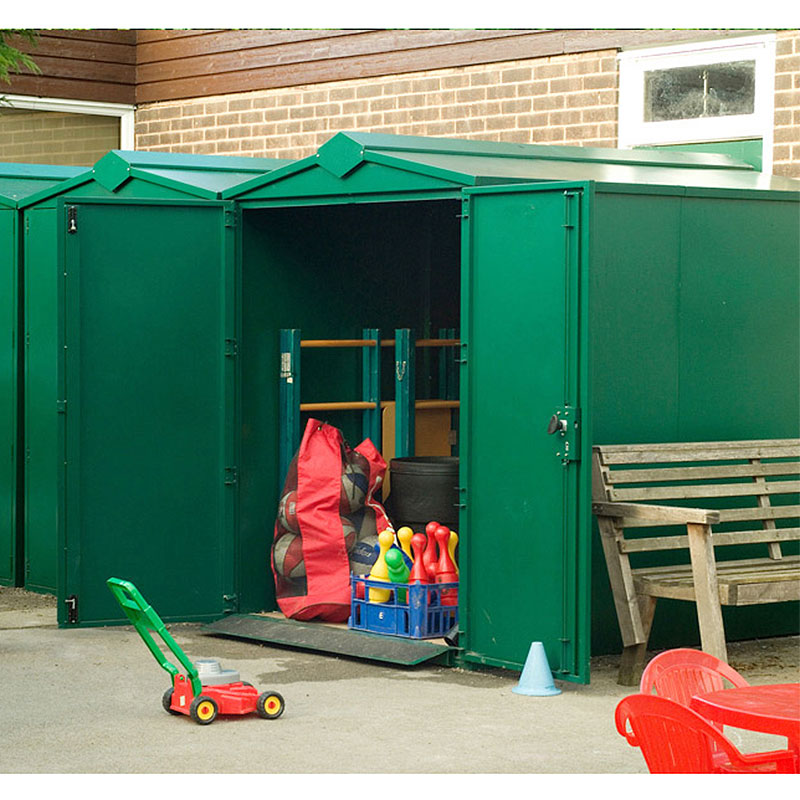
6% OFF: 5′ x 7′ Asgard Centurion Police Approved Security Metal Shed (1.52m x 2.18m) £1,499.006%

Metal sheds 35 sq ft / 3 m² are a neat, space-smart way to store tools, bikes, garden kit and seasonal bits without taking over the whole plot. Perfect for smaller gardens and tidy layouts.
Small footprint, real storage
A 35 sq ft / 3 m² metal shed sits in that sweet spot where a garden building is useful, but not bulky. It gives you enough room for everyday items you want out of the way, while still leaving space for planting beds, a path, a seating corner or just a bit of breathing room. For many gardens, that smaller size is the difference between “yes, we can fit one in” and “not really”.
This category suits people who need compact outdoor storage with a tidy profile. Think hand tools, bags of compost, hose reels, a foldable mower, kids’ outdoor toys, small BBQ bits, or a couple of bikes if the layout is right. It is not about cramming in every thing you own; it is about making the garden easier to use.
Why metal works so well in a 3 m² space
When the floor area is limited, the material matters. Metal sheds are often chosen for this size because the walls can be relatively slim and the interior stays clean-lined. That means more usable space inside than you might get from a chunkier build. You are not losing much to heavy framing, which is handy when every inch counts.
Bestseller der Kategorie metal sheds 35 sq ft / 3 m²
Another reason people look at steel garden storage in this size is the neat appearance. The structure tends to sit low and orderly, so it does not dominate the view. In a small garden, that can make the whole layout feel more balanced. It’s practical, but it doesn’t shout about it.
Shapes that suit different gardens
Even at 35 sq ft / 3 m², the shape can change how the shed feels to use. Some styles work better for narrow plots, while others make better use of wall height or door access.
- Rectangular sheds – the most straightforward option. Easy to line shelves or a bike against one side, and simple to plan around.
- Lean-to styles – useful where you want the shed to sit close to a boundary or fence. They can suit awkward corners rather well.
- Low-profile designs – a good choice if you want storage that stays visually quiet in the garden.
- Compact apex roof sheds – give a bit more headroom in the centre, which helps if you want to stand upright inside or hang taller tools.
- Pent roof sheds – the sloping roof can help the shed sit neatly against a wall or fence, and the shape often feels modern.
The shape you pick often comes down to access and placement. If the shed will sit beside a path, a more narrow rectangular form may be easier. If it needs to tuck into a corner, a pent or lean-to format can feel less intrusive. Simple stuff, but it makes a difference once the shed is in place.
Panel types and build styles you’ll come across
Not all metal sheds are built the same way. In this category, you’ll commonly see different panel constructions and roof forms, and each one changes the feel of the shed a bit.
- Overlap panel construction – often associated with lighter-weight sheds. The panels overlap to form the walls, which can keep the design cost-conscious and compact.
- Corrugated metal panels – the ridged profile adds stiffness and a familiar garden-shed look. It also gives the shed a more industrial feel.
- Clad-style panels – designed to look a bit more finished and neat, with a smoother external appearance.
- Single-skin builds – common in smaller metal sheds, helping keep the footprint and weight down.
- Roof-over-door or double-slope roofs – can alter how much practical headroom you get at the entrance and centre.
The differences are worth paying attention to. A shed with more rigid panel design can feel more solid once assembled, while a lighter style may be easier to position in tight access areas. There’s a trade-off between visual finish, structure, and how easy the shed is to handle during installation. Not always obvious from a quick look, either.
What fits inside 35 sq ft / 3 m²?
This size is compact, but it can still do a lot of work. The key is to think vertically and keep the floor clear where possible. A well-planned 3 m² shed is often enough for items that would otherwise clutter a garage or patio.
- Garden hand tools such as spades, forks, rakes and hoes
- Smaller power tools or battery tools
- One compact mower, depending on the model and the internal layout
- Watering equipment like hoses, cans and sprinklers
- Outdoor cushions and soft furnishings in dry storage bags
- Children’s garden toys and seasonal play items
- Plant pots, trays and seed trays
- Folded chairs or a small bistro set, if the footprint allows
If you are comparing sheds, remember that usable storage is affected by the door opening and the internal height. A shed can look roomy on paper, but if the door is narrow or the roof slope steals space at the edges, bigger items become awkward. This is where compact metal sheds can be a bit misleading, in a good or bad way depending on what you want inside.
Why buyers choose this size over larger sheds
People often move towards a 35 sq ft / 3 m² shed because it answers a storage problem without asking for much garden. It is a practical compromise for smaller outdoor areas, rental plots, or homes where the shed should stay discreet. You get a proper lockable structure, but you do not lose half the lawn to it.
Compared with larger metal sheds, this size is easier to site beside a wall, fence or paving slab run. It can also be a better fit for planning around windows, borders, and footpaths. For some gardens, bigger simply means the shed becomes the main feature. Smaller keeps it as part of the space rather than the whole story.
Metal, timber or plastic? The small-size difference
When buyers compare materials, the decision often comes down to how much space the shed takes visually, how much internal room is left, and the style of the garden.
- Metal sheds – usually chosen for a clean profile, compact external wall thickness, and a tidy, no-fuss look.
- Timber sheds – bring a softer, more traditional feel, but can appear bulkier in a smaller footprint.
- Plastic sheds – lightweight and easy to position, though the look and internal feel are different again.
In a 3 m² category, metal often stands out because it gives a sharper, more contained outline. It can make a small garden feel less crowded. Timber may blend in nicely if you want a classic outdoor room look, but metal tends to be more about efficient use of the footprint. That is the big difference, really.
Door access, height and the bits people forget
With compact sheds, the details matter quite a bit. Door style, opening width, and roof form all affect how easy the shed is to use day to day. A small shed that is awkward to get into becomes annoying fast, and nobody needs that.
Single doors are common and suit smaller items, but double doors can make loading bikes or wider tools easier, if the model uses them. Some sheds offer a taller opening or more central height under an apex roof, which can make the interior feel more workable. A pent roof may reduce one side of the internal height, so it is worth thinking about what will sit where.
If you plan to store a bike, wheelbarrow or a mower, check the turning space in front of the door as well. The shed itself might fit perfectly, but access in and out still needs to make sense. A good small shed is not just small — it’s usable.
Placement tips that make a compact shed work harder
Choosing the right spot can improve how the shed behaves in the garden. Since the footprint is modest, it is easier to fit than a bigger outbuilding, but placement still matters. A well-placed shed can make the whole area feel less cluttered and more sorted.
- Set it near the items you use most so you are not carrying tools across the garden every time.
- Allow clear access to the door for bikes, bins or larger gear.
- Use edges and corners wisely to keep the main garden area open.
- Check roof overhang if the shed is close to a fence or boundary.
- Think about the internal layout first, then decide where it will sit.
A small shed can be surprisingly good at tidying up a busy garden, but only if it is easy to reach and simple to use. That sounds obvious, yet a lot of people choose by size alone and then realise the door opens into the wrong bit of the path. A small detail, big difference.
Looks that stay discreet rather than loud
One advantage of metal sheds 35 sq ft / 3 m² is how they can sit quietly in the background. They often suit modern gardens, but they can also work in more traditional spaces if the finish is right. The compact size means the shed has less visual weight, and metal surfaces often give a tidy, straight-lined appearance.
If you want the storage to blend in, this category is worth a look. If you want the building to act as a feature, a shed this size may be a bit understated for that role. But for many buyers, understated is exactly the point. It stores what you need without making the garden feel overbuilt.
What makes one small metal shed feel better than another
Two sheds with the same floor area can still feel very different. Differences in roof height, door position, panel structure, and internal shape all affect day-to-day use. A compact shed that is slightly taller may suit hanging tools or stacking items. One with a clearer rectangular interior may be easier to organise. Another may have a lower, sleeker look that blends into the garden more easily.
It helps to think less about the headline size alone and more about how the storage space is shaped. A 3 m² shed with awkward corners can feel tighter than one that uses the footprint efficiently. So when comparing options, look at the inside as much as the outside. That’s the bit you’ll actually live with.
Good reasons to buy at this size
This category appeals to buyers who want a sensible, space-aware solution. It is a strong match for households that have a small-to-medium garden and need to keep outdoor bits under control. It can also work well if you are replacing a cluttered corner of the garage with something more dedicated.
- Compact but useful for everyday garden storage
- Less dominant in the garden than larger sheds
- Good for narrow or limited plots
- Neat internal layout when items are kept compact and upright
- Fits practical storage needs without taking over the garden
That combination is why metal garden sheds in 35 sq ft / 3 m² remain such a popular search among people with limited space. They are not trying to do everything. They just do a specific job rather well.
The final check before you choose
Before settling on a shed in this category, it is worth asking what you really need the space for. If the answer is mostly hand tools, garden supplies and a few outdoor extras, a 35 sq ft / 3 m² metal shed can be a tidy fit. If you want to store larger items, then the internal shape, door width and roof style become even more important.
Look closely at the differences between apex, pent and lean-to forms, and compare how each one would sit in your garden. Small sheds are not all the same, even when the floor area matches. The right choice feels easy to use, easy to place, and just right for the amount of kit you need to keep out of sight. And that, for a compact garden store, is pretty much the point.
[Sassy_Social_Share]