
metal sheds 10x4 - Best Deals in UK!
Showing all 4 results
-
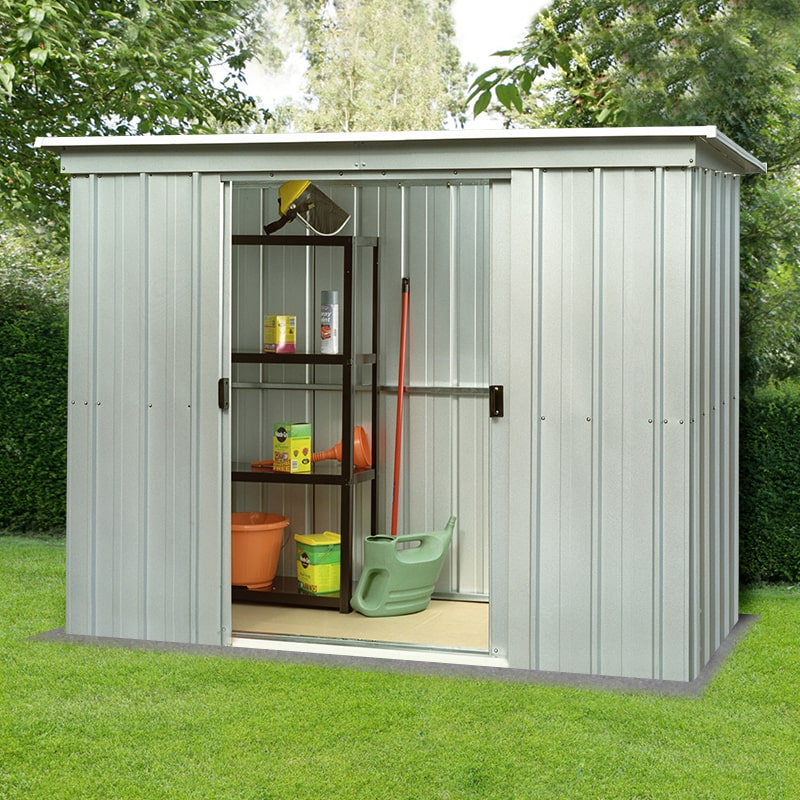
26% OFF: 10′ x 4′ Yardmaster Metal Pent Shed (2.98m x 1.19m) £249.9926%

-
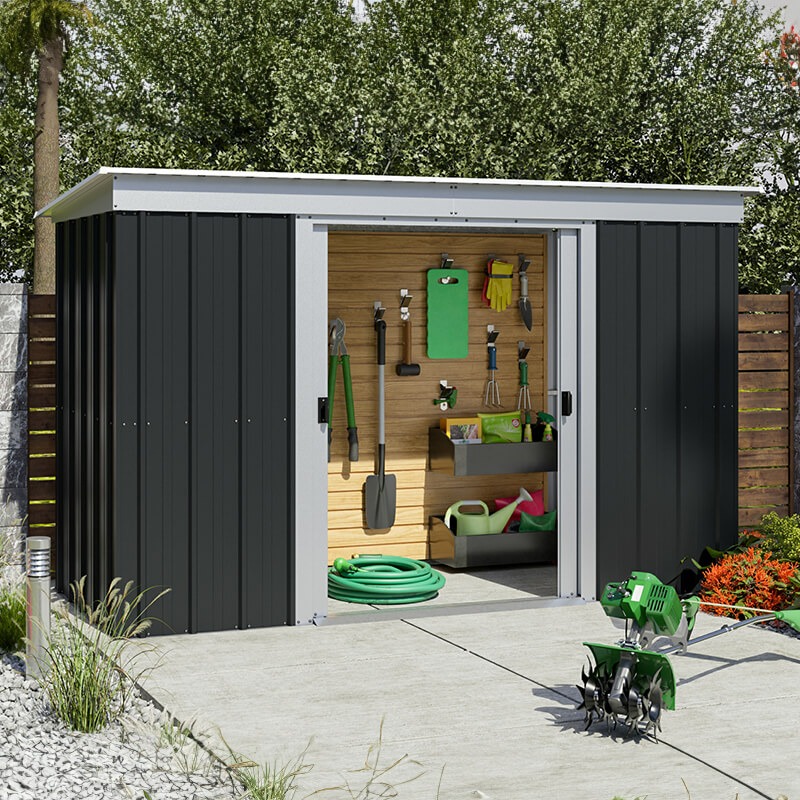
22% OFF: 10′ x 4′ Yardmaster Castleton Anthracite Pent Metal Shed (2.98m x 1.19m) £264.9922%

-
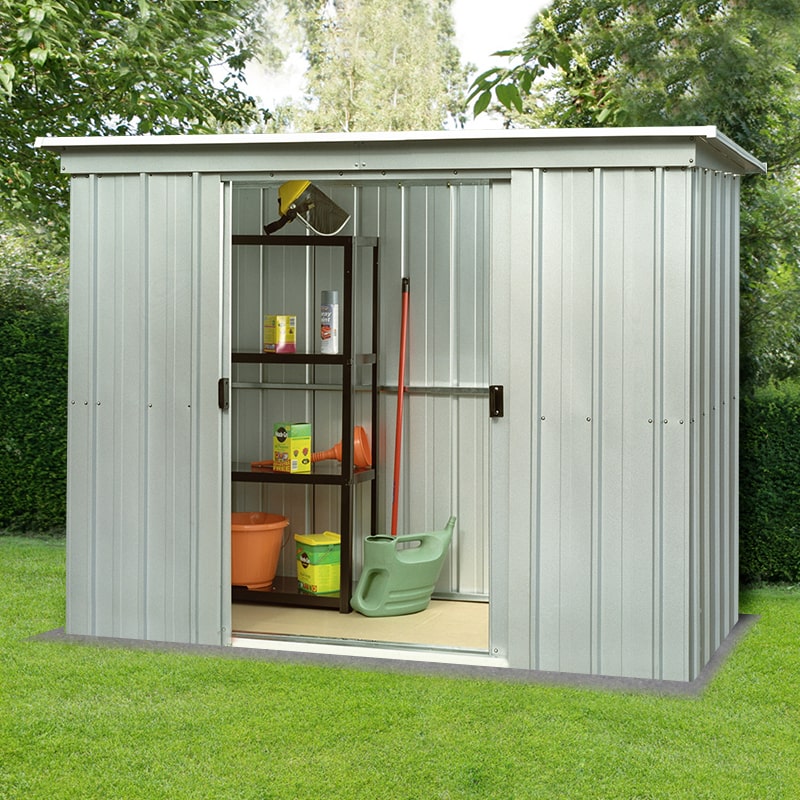
20% OFF: 10′ x 4′ Yardmaster Metal Pent Shed (2.98m x 1.19m) £269.9920%
-
12% OFF: 10′ x 4′ Yardmaster Emerald Pent Metal Shed (2.98m x 1.19m) £289.9912%

Metal sheds 10×4 give you a neat, narrow storage solution for gardens where every inch counts, with plenty of room for tools, bikes, lawn kit and longer items without taking over the plot.
Why a 10×4 metal shed suits tighter garden layouts
A 10×4 metal shed is a clever size if you want proper storage but do not have space for a broad, chunky building. The shape is long and slim, so it can sit along a fence line, beside a garage, or tucked into a side return that would otherwise go unused. That makes it especially useful for urban gardens, terraced homes, and side access areas where a square shed might feel awkward or block movement.
What many buyers like about this footprint is the balance between usable floor space and a relatively modest footprint. You get a long run of internal storage for spades, rakes, folding tables, ladders or bicycles, while still keeping the garden open and easy to move around. It is a practical format, but it also feels tidy because the shape tends to follow the line of the garden rather than interrupt it.
The shapes and roof styles that change how a 10×4 shed works
Not every 10×4 metal shed looks or behaves the same. The roof shape has a real impact on headroom, rain runoff and how the shed sits visually in the garden. The most common styles are:
Bestseller der Kategorie metal sheds 10x4
- Lean-to style sheds, which sit lower at the back and higher at the front, often fitting well against a wall or fence.
- Pent roof sheds, with a single slope that gives a clean modern profile and helps water drain in one direction.
- Apex roof sheds, where the central ridge creates more internal height and a more traditional shed silhouette.
- Flat-roof look designs, which can appear compact and streamlined, though the profile may still be slightly pitched for drainage.
The shape you choose affects more than the appearance. A pent roof can be handy if you want to place the shed under an overhanging tree line or keep the front access feeling open. An apex roof may suit you better if you need the extra central height for taller items or prefer a more classic garden building look. A lean-to design often makes the best use of a boundary wall, especially where there is no need for access on both sides. It is worth thinking about where the shed door will face as well, because in a 10×4 layout the entrance point can change how easy the whole space feels to use.
Single door, double door or split access: the opening makes a difference
One of the biggest differences between metal sheds in this size is the door arrangement. A single door can work well if you mainly store hand tools, pots or smaller garden gear. It keeps the front tidy and may suit a narrow access point, but it can feel a bit restrictive when you are wheeling something bulky in and out.
Double doors are often the better choice for a 10×4 shed because the long, slim floor plan is ideal for storing wider items lengthways. If you want to store a bike, a wheelbarrow or stacked storage boxes, the extra opening width makes life easier. In some layouts, the door sits on the long side rather than the short end, which can be a smart move if you need side access from the garden path. That small detail can change the whole feel of the shed.
Some buyers also look at offset doors or doors placed towards one end. This works well when the internal zone is split into sections, for example one end for larger equipment and the other for smaller items. It is a simple thing, but in a 10×4 footprint it can help the shed feel less like a corridor and more like a usable storage room. Maybe even a bit more organised, if you can keep it that way.
Different panel constructions and what they mean in use
Metal sheds in this category can vary in panel thickness, framing and overall build style. You will often see galvanised steel panels, ribbed wall sections and different frame systems that affect stiffness and feel. Some sheds are designed to be light and straightforward to assemble, while others use a heavier structure that feels more solid once in place.
A ribbed metal shed usually has pressed lines or channels across the panels. These do more than just look neat; they help add shape and reduce the plain, flimsy feel that very smooth panels can sometimes have. If you are comparing products, it is worth checking how the panels fit together, whether the corners are reinforced, and how the frame supports the long side panels of a 10×4 model. Because the shed is narrow and elongated, the wall strength matters a lot. A weak long side can make the whole building feel less settled.
Another difference is whether the shed uses a steel frame that carries the weight of the structure more clearly, or a lighter system where the panels do more of the work. For many buyers, a stronger framed build feels better for everyday use, especially if the shed is likely to hold heavier kit such as sacks of compost, petrol equipment, folded garden furniture or stacked storage crates. Not a glamorous thing, but it matters.
What you gain from metal over timber or plastic in this size
Choosing a metal 10×4 shed over timber or resin tends to come down to the mix of shape, durability and visual style. Metal gives a crisp, ordered look that suits contemporary gardens, and the narrow footprint of a 10×4 version often looks less bulky in metal than in heavier materials. It can sit neatly against a boundary, which is useful if you want storage that feels built into the garden rather than placed on top of it.
Compared with wooden sheds, metal sheds in this size often have a more defined, straight-edged profile. Some people prefer that cleaner finish because it feels less rustic and more structured. Compared with plastic sheds, metal often offers a firmer, more rigid feel and can be better suited to long, narrow spans where wall stiffness matters. That said, the exact experience depends on the build and panel system, so it is worth looking beyond the basic photo and checking how the walls and roof are formed.
Another point is how the 10×4 footprint uses a garden. A timber shed in the same size may feel visually heavier, while a metal version often appears slimmer, which can help preserve a sense of width in the plot. If your garden already has borders, paving and fencing doing a lot of visual work, a metal shed can blend into that scheme rather than fighting it.
Storage layouts that make the long shape work harder
The main advantage of a 10×4 shed is the way it can be zoned. A long interior makes it easy to divide storage into clear sections instead of piling everything into one corner. Many buyers use one end for taller items and the other for smaller, frequently used pieces. That might mean garden tools near the door and bulkier pieces farther back, or a bike at one end and shelving along the side wall.
If you are planning what to store, think in terms of length. Long-handled tools sit well along a side wall. Folding chairs, parasols, trugs and boxes can stack without blocking the whole shed. A double-door opening can make this especially practical, because it allows more direct access to the rear part of the space. In a narrow shed, being able to reach the back without shuffling half the contents around is a real plus.
Some people also like the idea of using the long side as a clear aisle with storage on one side only. That can work very well in a 10×4 layout, especially if the shed needs to hold a mix of tools and seasonal items. You do need to measure properly, though, because a long shed can look roomy on paper and then feel tighter once bikes, boxes and handles are actually inside. It happens.
Features worth checking before you choose
When comparing metal sheds 10×4, a few practical details are worth looking at because they affect how the shed feels day to day:
- Door width and whether the opening suits larger items.
- Wall height, especially if you want to store taller tools or hang items inside.
- Roof pitch, which can influence headroom and the sense of space.
- Frame strength, important in a long rectangular structure.
- Panel finish, including whether the surface feels smooth or ribbed.
- Vent openings, if included, as they can affect airflow in a closed metal structure.
- Window options, which can improve visibility if you want to find items quickly.
These points might sound small, but they shape the overall experience. A shed can have the right external size and still feel awkward if the door is too tight or the roofline feels low at the wrong point. In a 10×4 design, the details matter more because the shape is already quite defined. There is less room to hide a poor layout.
Windows, light and visibility inside a slim metal shed
Some 10×4 metal sheds come with windows, while others are fully enclosed. The choice affects not just the look, but how easy the shed is to use when you are in and out with tools. A windowed shed can feel less enclosed, and in a long narrow format that extra light can help stop the rear section feeling dark and forgotten.
If you prefer a more private storage space, a windowless design may suit you better. That can be useful if the shed is visible from neighbouring gardens or from a side lane. But for regular access, especially if you store lots of similar-looking boxes or smaller tools, a bit of daylight can make things simpler. It is one of those features that seems minor until you are standing inside looking for the one item you need.
In some cases, buyers also look for translucent roof panels or light strips. These can help brighten the interior without opening up the sides too much. For a long, slim shed, that sort of detail can make a noticeable difference, especially if the building is set against a fence and does not get much side light anyway.
How the 10×4 format differs from other shed sizes
The 10×4 size has a clear character compared with more common square or broader shed formats. A 6×4 shed, for example, is easier to slot into a small patch, but it does not offer the same length for organised storage. A 10×6 or 12×6 building gives more floor area, yet it can dominate the garden and reduce the usable open space around it. The 10×4 sits in the middle in a useful way: long enough for proper storage, narrow enough to keep a clean boundary line.
That difference matters if your garden has a particular shape. If you have a side run beside a house, a slim lawn edge, or a fenced strip that is not much use for anything else, a 10×4 metal shed can turn that awkward area into something practical. It is not trying to be a summerhouse or a feature building. It is there to do a job, and the proportions make that job easier.
Compared with a shorter metal shed, the 10×4 version often gives more flexibility for internal arrangement. Compared with a broader shed, it usually feels less intrusive. If you are trying to keep the garden open for seating, planting or just a better visual flow, that difference can be a deciding factor.
Small buying tips that save fuss later
Before choosing a metal shed 10×4, it helps to think about the exact position in the garden and how the shed will be approached. A long shed placed with the door at the most convenient end can feel much easier to use than one that forces you to walk around awkwardly every time. If access is tight, check the door swing and the path to the entrance.
Also think about what you need to store first, not just what might go in later. A shed can seem large enough until the first bulky item arrives. If you already know you want to keep bikes, a mower, or long-handled equipment inside, prioritise door width and internal clearance. If the main use is smaller tools and seasonal items, then a simpler opening may be enough.
Finally, compare the style of the shed with the rest of the garden. A metal finish can look very neat alongside fencing, paving and aluminium furniture, while a more industrial look may stand out a bit more if the garden is full of soft planting and curved edges. Neither is wrong, of course. It is just about whether you want the shed to blend in or quietly make itself known.
A practical shape with a tidy, considered look
Metal sheds 10×4 are a strong option when you want storage that feels organised, not oversized. The long format suits narrow plots, side returns and boundary lines, while the metal build brings a clean profile that is easy to place in a modern or mixed garden setting. With the right roof style, door layout and panel construction, the shed can be adapted to many different storage needs without wasting valuable outdoor room.
If you are comparing types, look closely at the shape, access, panel strength and internal layout. Those are the details that change whether a 10×4 shed merely sits in the garden or actually works well in it. For many buyers, that is the difference that counts.
[Sassy_Social_Share]