
metal sheds 10x10 - Best Deals in UK!
Showing all 4 results
-
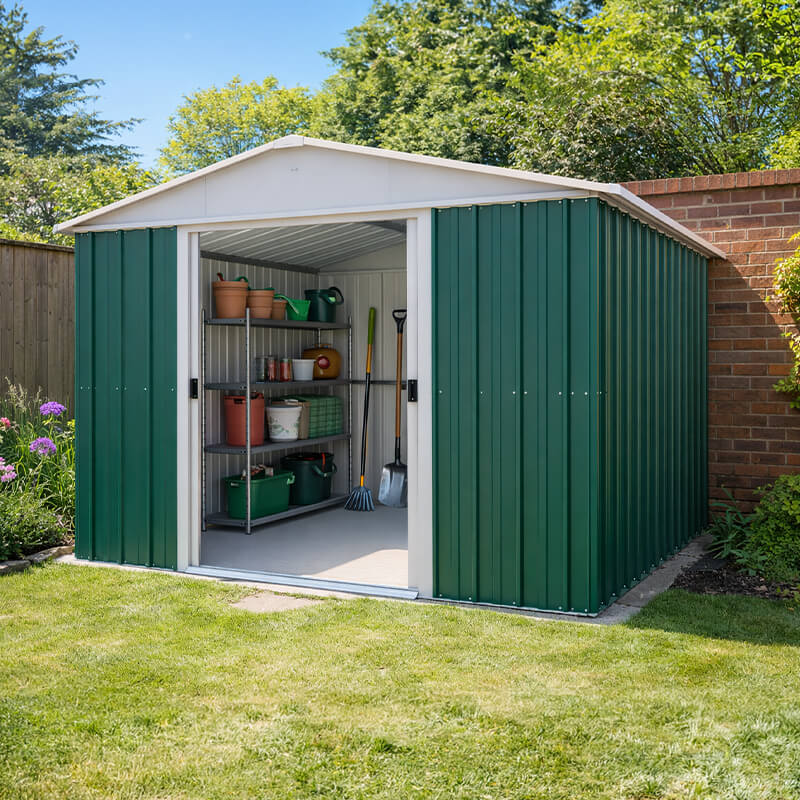
22% OFF: 10′ x 10′ Yardmaster Green Metal Shed (3.03m x 2.98m) £444.9922%

-
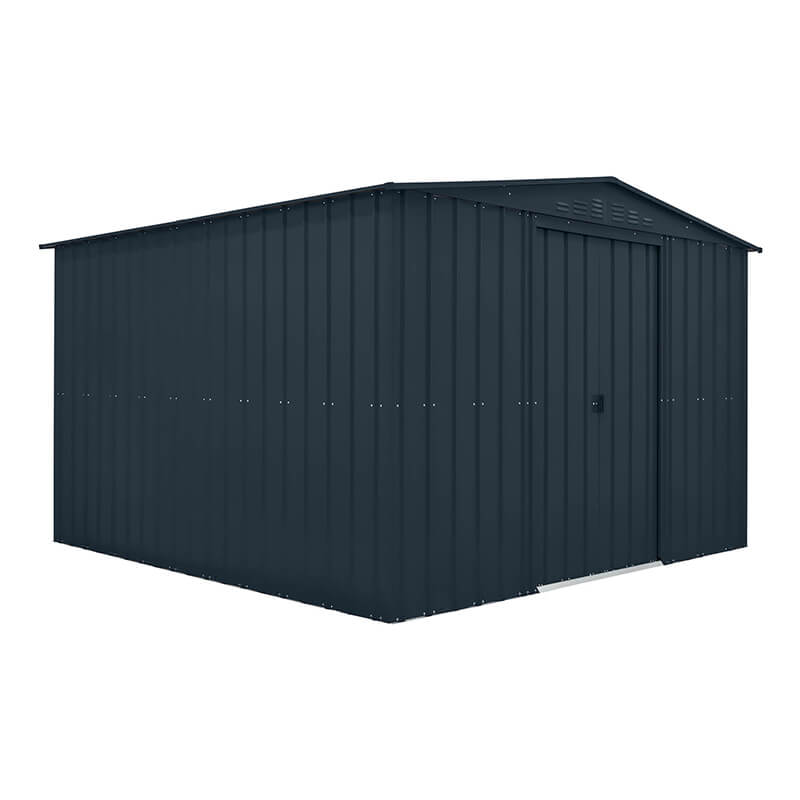
22% OFF: 10′ x 10′ Yardmaster Castleton Anthracite Metal Shed (3.03m x 2.98m) £429.9922%

-
12% OFF: 10′ x 10′ Globel Heritage Green Apex Metal Shed (3.08m x 3.10m) £699.9912%

-
12% OFF: 10′ x 10′ Globel Anthracite Grey Apex Metal Shed (3.08m x 3.10m) £699.9912%

10×10 metal sheds offer a practical square-footage for storing garden tools, bikes, seasonal furniture and bulkier kit, with sturdy steel construction, varied roof styles and useful door options for easier access.
Why a 10×10 footprint works so well
A 10×10 metal shed gives you a balanced footprint that feels roomy without taking over the garden. The square shape makes it easier to plan around, because you are not trying to squeeze long items into a narrow run or wasting corners in an awkward layout. For many buyers, that size sits in a useful middle ground: big enough for lawn gear, wheelbarrows, storage boxes, bikes and shelves, yet still manageable in a standard garden plot.
The layout also suits people who want to split storage zones. One wall can hold tall items, another can take shelving, and the centre still leaves space to move around without constantly shuffling things about. That is one of the quiet advantages of this size – it feels organised rather than cramped.
What makes metal different from timber and resin
When people choose metal sheds in the 10×10 size, they are often looking for a cleaner, more rigid structure than a plastic unit and a different set of benefits from timber. Steel panels usually create a sharp, neat profile and can suit modern gardens, utility spaces and allotment plots where the look needs to be simple and practical.
Bestseller der Kategorie metal sheds 10x10

Compared with timber, metal tends to appeal to buyers who want a shed that is more about straightforward storage and structural consistency than a traditional garden-building feel. Compared with resin, metal usually gives a firmer, more hard-edged finish with a distinct panelled appearance. That difference matters if you care about the style of the building as much as the storage it provides.
Panel style, frame style and the way the shed is put together
Not all 10×10 metal sheds are built the same way. Some use a lighter panel system, where the external sheets form the main shell around a supporting frame. Others feel more robust, with a clearer structural skeleton beneath the cladding. The type of frame and the way panels join can influence the overall feel, door alignment and how solid the shed seems when you open and close it.
It is worth paying attention to the panel thickness, fixing method and structural bracing. These details are not flashy, but they do affect how the shed behaves as a building. A well-joined panel system can give you a cleaner finish, while a more rigid frame may suit buyers who want extra confidence around stored equipment. The difference is often noticeable in use, even if it does not shout at you on a product page.
Roof shapes that change the look and the usable space
Roof style is one of the clearest ways to compare metal sheds. A pent roof slopes in one direction and often suits walls placed near a fence or boundary. It gives a lower front or rear line, which can help the shed sit neatly in the garden. A gable roof, by contrast, gives the familiar pitched look and creates a more traditional shed silhouette, with a little more headroom feel in the middle.
There are also flatter roof profiles that keep the building compact in height. That can matter if you have height restrictions or want the shed to sit more discreetly in the garden. The roof shape changes more than the appearance: it affects rain run-off, internal feel and the way the building sits against nearby structures. For buyers comparing options, this is often a bigger difference than colour or door handles.
Door layouts that make storage easier or harder
Doors are not just an entrance point; they decide how easy the shed is to actually use. In a 10×10 metal shed, the common options usually include single doors, double doors or a wider opening arrangement. A single door can suit general storage and is often fine for hand tools, bags and smaller equipment. Double doors are more useful when you need to move larger items in and out, such as mowers, assembled furniture or bikes.
The width and positioning of the opening matter a lot. If the door opens where the most-used items are stored, you will notice the benefit every time you use it. Buyers often underestimate this part, but it changes the feel of the whole shed. A wider door can make the space feel more generous, while a narrower opening can make the shed seem tidier and more enclosed.
How 10×10 space can be used without feeling cluttered
The attraction of 10×10 garden storage is that the area can be divided into useful zones. One side can be reserved for long-handled tools, another for shelving, and a back corner can hold bins, crates or boxed items. If you are storing a mix of garden and household goods, the square layout helps you separate things in a logical way.
For buyers with bikes, the size can be especially useful. A 10×10 footprint may allow you to store multiple bikes alongside other equipment, depending on the internal arrangement. It also helps if you want to keep larger items in the shed without stacking everything too tightly. That kind of breathing room is not always obvious until you actually start placing things inside.
Benefits that matter in day-to-day use
One major benefit of a metal shed 10×10 is the sense of order it can bring. Tools are easier to group, larger items can stay together, and the interior can be planned more cleanly than with a small, awkward building. The square shape also gives you better options for adding shelving or hanging storage without blocking the main walkway.
Another plus is the consistent finish. Metal tends to hold a neat, uniform look that suits people who want something practical and visually straightforward. There is also a reassuring simplicity to a steel shed: no decorative extras, no fuss, just a clear structure for storage. If you are comparing it with bulkier outdoor units, that restraint can be part of the appeal.
Different looks within the same size
Even within the same 10×10 size, metal sheds can look quite different. Some have a low profile that blends into the boundary line. Others stand taller and give a more noticeable garden-building presence. Colour choices vary too, and although colour does not change the function, it does change how the shed sits in the garden. Darker finishes can feel more discreet, while lighter finishes may seem less heavy in a compact space.
The shape of the roof, the width of the door and the profile of the panels all change the character of the shed. That means two sheds with the same footprint can still feel very different once installed. It is worth comparing the visual bulk, access style and roof line, not just the measurements on paper.
What to look at before you choose one
When buying a 10×10 metal shed, the first thing to check is whether the internal layout matches what you plan to store. If you need space for long items, make sure the wall height and door width suit them. If you want shelving, look at how the interior can handle organised storage without making the centre feel boxed in.
It also helps to think about how the shed will be used over time. A shed filled mainly with small tools needs different access from one holding bikes, garden furniture or seasonal equipment. One useful tip is to picture the biggest item you will regularly move in and out. If that item fits comfortably, the rest usually falls into place more easily.
Why buyers compare roof height, wall height and internal feel
With metal sheds, the published size only tells part of the story. The internal feel depends on the wall height, ridge height and roof slope. A shed can technically be 10×10, yet feel more open or more compact depending on how those proportions are handled. That difference becomes important if you want to stand upright near the centre or store taller items without constant bending.
For some buyers, a shed that feels slightly more open is the better fit. For others, a lower-profile unit is preferable because it stays tucked away and less visible. Neither is wrong; they just suit different gardens and different storage habits. It is the sort of detail that is easy to ignore until you start using the shed every week.
Where a square shed has the edge
A square 10×10 metal shed is often easier to arrange than a long, narrow one. You are not forced into a single line of storage along one wall, and you do not lose as much value to awkward corners. This can make the shed feel more flexible, especially if your storage needs change through the year.
It is also helpful if the shed is going to serve more than one purpose. For example, one section can hold garden tools, another can keep potting containers or outdoor accessories, and a separate corner can store bikes or larger household items. That mixed-use potential is one reason this footprint gets attention from people with busy gardens.
Small details that make a big difference
Some of the most useful features are the ones people overlook at first. Door width, panel alignment, internal headroom and the way the roof handles a boundary position can all influence whether the shed feels easy to live with. In metal sheds, these details often shape the experience more than decorative styling does.
It is also worth checking how the shed is designed to open and close in the space you actually have. If a door swings into a path or is awkward near a fence, that can become irritating quickly. A well-placed entrance can make a 10×10 storage shed feel more natural to use, almost like the garden was organised around it.
Useful buying thoughts for the right fit
Before choosing, think about what you want the shed to do most often. If it is mainly for everyday tools and smaller items, a simpler layout may be enough. If it needs to swallow bikes, boxes or garden furniture, then a wider access point and a more open internal arrangement become more important. That sounds obvious, but it saves a lot of second-guessing later.
Another practical point is how the shed will sit in the overall garden layout. A 10×10 unit can become a useful anchor for a storage zone, but only if the access feels natural from the path or patio. If you have to weave around beds or squeeze through a narrow side run, the shed may be the right size but the wrong placement. So, size is one thing; position and access are just as relevant.
Who this category suits best
This category is a good match for people who want serious garden storage without going oversized. It suits households with a growing mix of outdoor items, as well as buyers who need a tidy, durable structure for equipment that does not belong in the house or garage. It also works well where the garden needs a building that feels practical, direct and easy to understand.
If you prefer a shed that is simple in design but useful in everyday life, a 10×10 metal option can make a lot of sense. The combination of usable floor space, clear shape and functional access is what makes it attractive. There is no need for extra fuss when the job is storage, and that is exactly where these sheds hold their appeal.
What sets one metal shed apart from another
In this category, the differences are often found in the details rather than the headline size. One shed may have a more discreet roofline, another a wider opening, and another a stronger sense of internal volume. Panel styling, frame arrangement and door configuration all influence how the shed feels once it is in place.
That is why it helps to look beyond the basic dimensions. A 10×10 metal shed is not just a square box; it is a storage space whose usefulness depends on access, height, shape and how the structure fits the way you work in the garden. Pick the one that suits your gear, and the space will feel more like a proper part of the garden rather than an afterthought.
A final note on choosing with confidence
If you are comparing metal sheds 10×10, focus on the build style, the roof form, the door layout and the way the interior will actually be used. Those are the parts that shape day-to-day satisfaction. A good fit is usually the one that matches your storage habits, your garden layout and the size of the items you move most often.
When those pieces line up, the shed becomes more than storage. It becomes a steady, useful part of the garden setup, with enough room to keep things sorted and enough structure to make the space feel under control. And that, for many buyers, is the reason this size keeps getting chosen again and again.
[Sassy_Social_Share]