
metal sheds 10 sq ft / 1 m² - Best Deals in UK!
Showing all 2 results
-
10% OFF: 3’1 x 3’2 Trimetals Guardian D33 Metal Storage Shed (0.94m x 0.98m) £589.9910%

-
5% OFF: 4’5 x 3’2 Trimetals Guardian D43 Metal Storage Shed (1.36m x 0.98m) £699.995%

Compact metal sheds 10 sq ft / 1 m² for tidy gardens, patios and courtyards. Compare shapes, door styles, steel finishes and smart storage ideas for small spaces.
Small footprint, proper storage
A 10 sq ft / 1 m² metal shed is made for places where every bit of ground matters. It gives you a defined spot for tools, soil bags, hose reels, plant pots, bike locks or a compact mower, without taking over the garden. That size sits in a useful middle ground: small enough for narrow side returns and courtyard corners, yet still tall enough in many designs to keep items upright instead of piling them on top of each other.
What makes this size interesting is the balance between space-saving form and real storage value. You are not buying a decorative box that only hides a trowel or two. You are buying a proper metal store for everyday bits that tend to gather beside the back door. For town gardens, balconies with ground access, allotment plots and compact patios, this kind of shed often solves the “where do we put it?” problem quite neatly.
Why metal suits a 1 m² shelter
Metal sheds in this compact category are often chosen because the material works well in a small shell. Steel panels allow thin walls compared with some other shed types, so more of the footprint can be used inside. With timber-framed alternatives, a lot of the tiny floor plan can disappear into wall thickness. In a 1 m² building, that difference matters more than people expect.
Bestseller der Kategorie metal sheds 10 sq ft / 1 m²
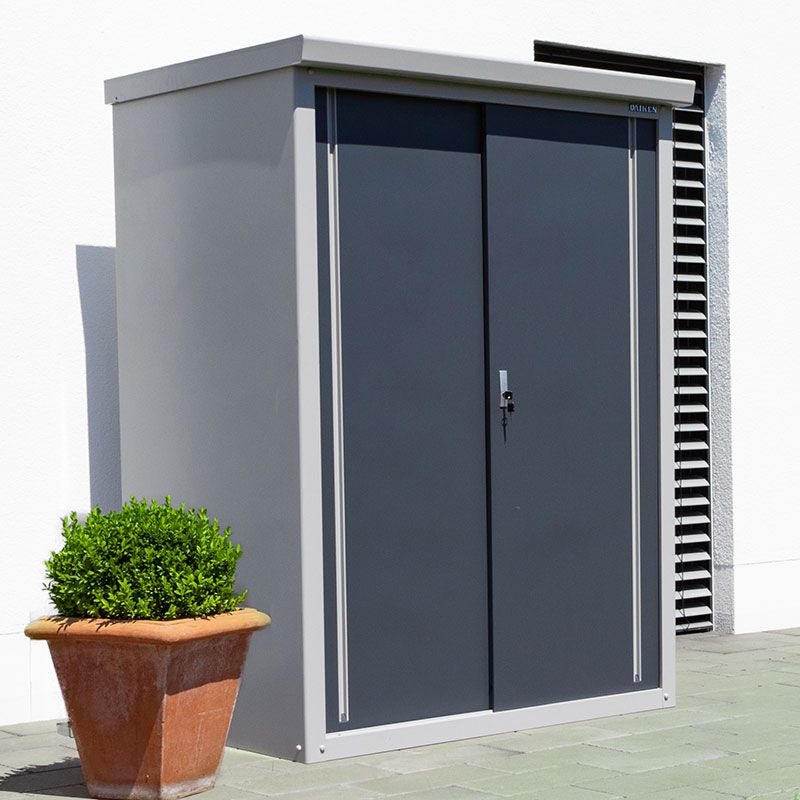
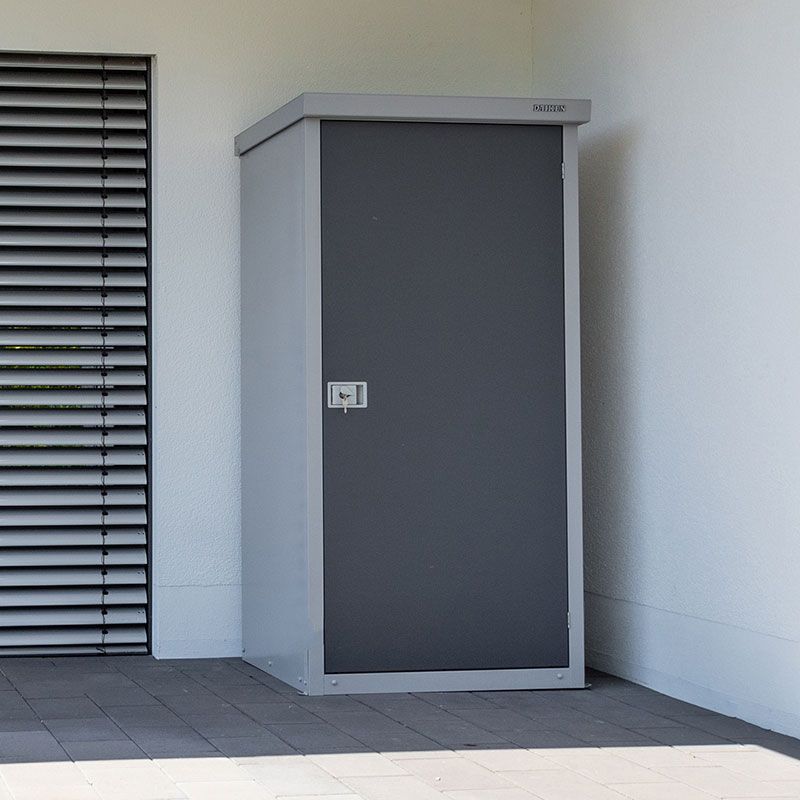
Galvanised steel is common here because it gives a crisp, hard-wearing finish and usually comes with a neat, boxy profile. Some versions use powder-coated steel for a smoother look and a less industrial feel. Others keep to a more plain sheet-metal appearance, which may suit a utility corner, an allotment or a back-of-house area where function matters more than style. The material choice also affects the visual weight of the shed: lighter grey panels can feel less bulky, while darker finishes tend to blend into fences and planting better.
Shapes that change the way the shed works
The phrase metal sheds 10 sq ft / 1 m² covers more than one basic shape. The outside footprint may be the same, but the form can change how usable it feels inside. That is worth paying attention to, because in a compact shed a few centimetres can alter what fits and how easily you can reach it.
- Rectangular sheds – the most straightforward layout, good for stacking boxes, storing long-handled tools, or lining items along one wall.
- Square sheds – often easier to place in a tight corner, with a more balanced internal feel and simpler door positioning.
- Lean-to style sheds – designed to sit against a wall or fence, making them useful where one side is already protected.
- Low-profile sheds – useful if height is restricted by branches, eaves, or planning considerations, though interior access can feel tighter.
- Taller compact units – the same footprint, but more vertical storage, which helps if you want to hang tools or keep taller items off the floor.
The shape also affects the way the shed sits in the garden. A square unit can look tidier in a corner, while a rectangular one may make better use of a narrow strip along a boundary. A lean-to model can feel less intrusive visually, especially when it mirrors a fence line. So although the size is fixed, the form still changes the whole result.
Door types that make a difference
On a shed this small, the door arrangement is not a detail. It changes what you can store and how easily you can actually use the space. With compact metal sheds, door openings can be the thing that makes the layout feel practical rather than awkward.
- Single hinged door – simple and space-efficient, but it needs clearance to swing open.
- Double doors – helpful when you want a wider opening for bulkier items, even in a tiny shed.
- Sliding doors – useful where front clearance is limited, especially near paths or planters.
- Door-up / lift-up access – less common, but sometimes handy where the front area is very tight.
For small-garden storage, the swing space around a hinged door is often overlooked. If the shed is positioned near paving, steps or raised beds, a sliding design may be less frustrating. If the main use is storing narrow tools or containers, a single door can be enough. If you expect to move larger items in and out, even rarely, double doors can make the shed feel more usable than the footprint suggests.
Wall profiles, roofs and the look of the thing
Metal sheds at this size often vary in the profile of the panels and roof. These details are not just about looks; they influence how the shed sits in a compact setting and how much internal headroom you get at the top.
Corrugated panels give a more traditional utility feel, with ridges that break up the surface. They can look right in a practical garden area or beside an allotment path. Flat-panel designs feel cleaner and more modern, especially if the shed sits near contemporary paving or straight fence lines. Then there are sloping roofs, which may help the structure feel less bulky and can suit a side return or boundary line better than a taller pitched form.
A pent roof is often a smart match for a 1 m² shed because it keeps the silhouette neat and can tuck under low spaces. A gable roof gives a more familiar shed outline and can offer a bit more internal height at the centre. The choice is partly visual, but it also changes how the shed relates to the space around it. In a small area, that can matter just as much as storage capacity.
What fits inside 10 sq ft / 1 m²
This category is compact, so it helps to think in item types rather than dreaming of a huge pile of gear. A well-planned 1 m² metal shed can hold the bits you need most often, particularly if they are slim, stackable or hung vertically.
- Hand tools such as trowels, pruners and cultivators
- Long-handled tools if the shed has enough height
- Watering cans and hose accessories
- Small pots and trays
- Soil additives in neat bags or tubs
- Compact garden equipment with a narrow footprint
- Outdoor accessories like padlocks, ties or foldable kneelers
The trick is not to ask the shed to do the job of a larger store. Instead, use it for the things that are constantly in circulation. If you currently keep these items under a bench, in a corner of the garage or in random boxes by the back door, a compact metal shed can free up those spaces and make everyday use a bit less messy.
Where this size makes most sense
Metal sheds 10 sq ft / 1 m² tend to work best where the site itself is constrained. Think narrow terraces, small courtyards, shared side passages, allotment plots, compact patios or tucked-away garden corners. They are also useful where storage needs are real but not sprawling: a homeowner who needs a place for tools and pots, or a grower who wants one tidy, lockable space for essentials.
Because the footprint is so modest, the shed can be easier to place without overwhelming planting or seating areas. It can sit quietly against a fence, beside a garage wall or at the end of a path without dominating the view. For some buyers, that is the whole point. They want storage that feels like part of the garden plan, not a large object that has to be worked around.
Steel thickness, finish and build differences
Not all compact metal sheds feel the same once you start comparing the build. One of the main differences is the steel gauge or panel thickness, which can affect the sense of rigidity. Thicker panels usually feel more solid when assembled, while lighter panels may be easier to handle but can feel less substantial. The exact specification varies, so it is worth looking at what the product details actually say instead of judging only by size.
Finish also changes the experience. A coated surface may look cleaner and better matched to modern garden furniture, while a more basic galvanised look can suit a no-fuss utility zone. The finish is not only about appearance, though; it can also change how noticeable the shed is against fencing, gravel, or brickwork. If you want it to sit quietly in the background, colour and sheen matter quite a lot.
Some sheds use a slightly more angular design, while others soften the edges with rolled panel profiles. These small differences affect how the shed reads in a tiny space. A more compact visual style can be useful if the garden already feels full, whereas a lighter-looking design may be easier on the eye in a minimalist layout.
Things worth checking before you buy
With a shed this small, the details are very much the point. The wrong opening, roofline or internal height can make the unit less useful than it looked online. Before buying, it helps to think through the actual job the shed will do.
- Internal height – check whether your tallest tools will stand upright.
- Door opening width – important if you plan to store wider items or boxes.
- Wall style – flat, corrugated or ribbed panels all look and feel different.
- Roof shape – pent, gable or low-profile can change usable space.
- Footprint dimensions – the stated 10 sq ft should still be measured against the actual outside size.
- Site access – in a tight garden, getting the shed to its spot can be as important as the shed itself.
It is also sensible to imagine how you will reach items inside. A 1 m² shed can become annoying if the door is too narrow, because you end up moving one thing to reach another. A layout that suits your routine can feel much better than a shed with a prettier profile but awkward access. That sounds obvious, but it gets missed quite often.
When compact is the better choice
There are times when a small metal shed is a better buy than a larger one. If you only need storage for garden hand tools, seasonal bits and one or two small machines, a bigger structure may just waste space and money. A 10 sq ft metal shed also helps keep the storage decision clear: only the items you really use regularly tend to earn a place inside.
That kind of discipline can work in your favour. Smaller storage can reduce the temptation to dump unrelated things in one place, so the space stays more purposeful. For buyers who want a compact, lockable, weather-resistant store without a large visual impact, this category is a sensible match.
A small shed with a clear job
The appeal of metal sheds 10 sq ft / 1 m² is not in pretending to be large. It is in doing one job properly in a space that many gardens can actually spare. The best versions make thoughtful use of height, keep the footprint neat and offer a door layout that suits the site. Whether you prefer a square form, a lean-to profile or a taller rectangular unit, the key is to match the shape to the space and the way you store things.
If you are comparing compact metal sheds, focus on shape, access, finish and internal height. Those are the differences you will notice every time you use it. For a small garden, that is often enough to turn a tight corner into a tidy, useful storage spot.
[Sassy_Social_Share]