
metal gazebos 42x12 - Best Deals in UK!
Showing all 2 results
-
12′ x 42′ Palram Canopia Arcadia 12700 Grey Metal Carport (3.59m x 12.86m) £5,539.004%

-
12′ x 42′ Palram Canopia Alpine 12700 Grey Metal Carport (3.59m x 12.86m) £7,759.00

Metal gazebos 42×12 offer a long, practical shelter for gardens, patios and event spaces, with sturdy framing, varied roof shapes and a neat fit for wide seating layouts.
A long footprint that changes how the space feels
A 42×12 metal gazebo is not a small corner shelter. Its long, narrow format gives you a clear run of covered space, which is handy when you want more than a single seating cluster. It can work as a sheltered dining lane, a stretched outdoor lounge, or a covered path between garden zones. The shape matters as much as the material here. With this proportion, the gazebo can feel structured rather than bulky, and that is a useful balance in gardens where width is limited but length is available.
This size is often chosen when people need a defined cover without taking over the whole plot. Compared with a square gazebo, a 42×12 layout gives more placement options for tables, benches, planters, or mixed seating. It also suits spaces where movement matters, for example when guests need to pass along one side while others stay seated. That makes it a practical choice for both private gardens and more active outdoor settings.
Why metal changes the brief
The big draw of a metal gazebo is the frame itself. Metal gives a firmer visual line than timber and tends to suit a more defined, architectural look. In a 42×12 format, that matters because the frame is doing a lot of visual work across a long span. A slimline steel or aluminium structure can make the shelter feel neat and purposeful, while a heavier frame can make the whole piece look more grounded and formal.
Bestseller der Kategorie metal gazebos 42x12
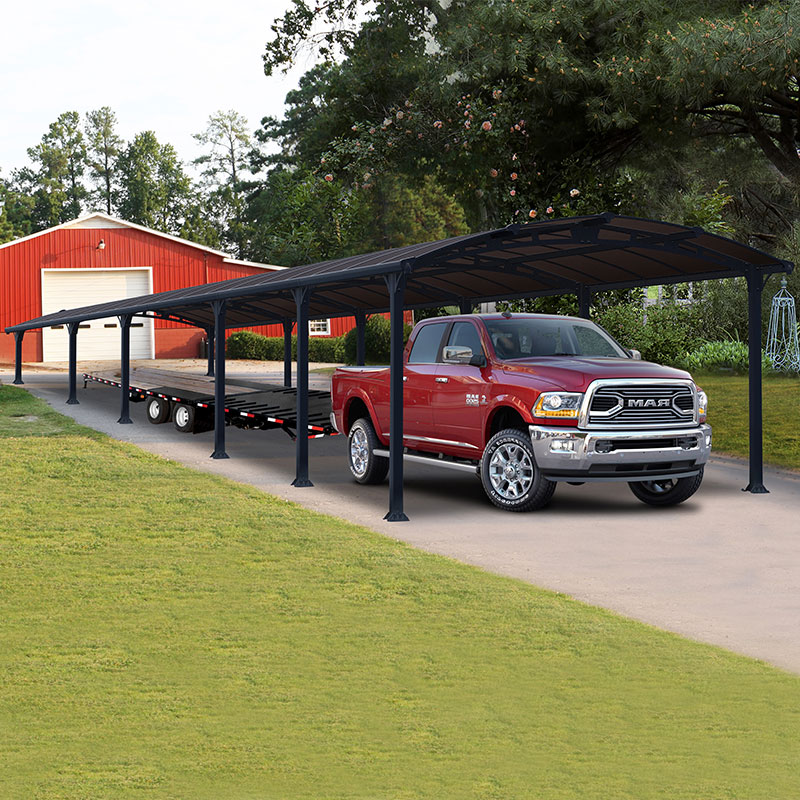
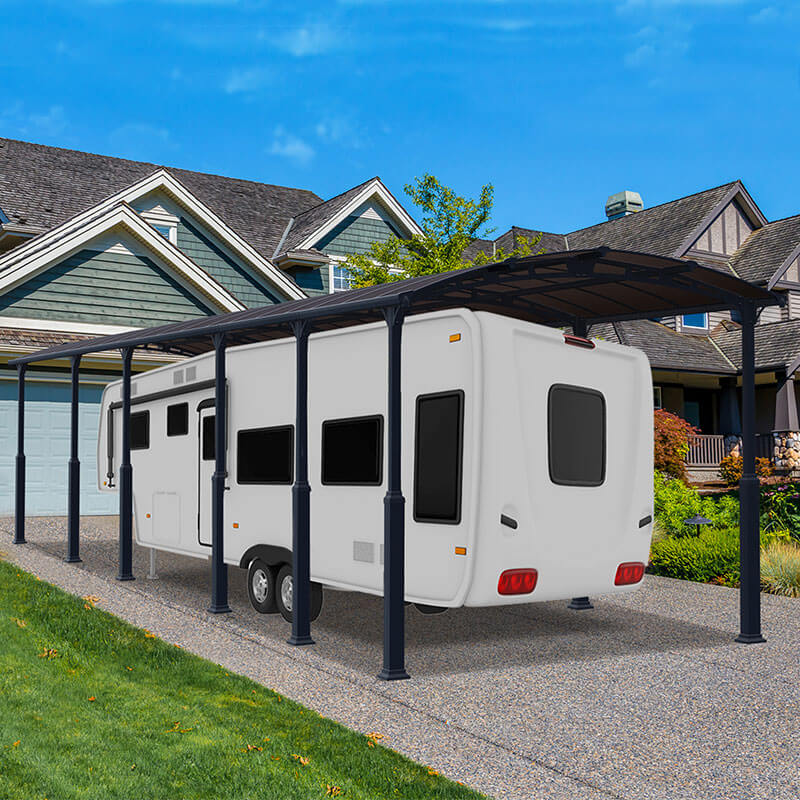
There is also a clear difference in how metal gazebos are read by buyers. Some prefer the crisp, contemporary feel of powder-coated steel. Others look for a more understated structure that sits quietly in the background. If you want a covered outdoor zone that looks organised rather than decorative for decoration’s sake, metal usually fits that brief well.
Forms you may see in 42×12 gazebos
Not all 42×12 metal gazebos are built in the same way. The overall footprint stays the same, but the frame and roof profile can change the whole character of the unit. Common forms include:
- Rectangular open-sided gazebos with a simple roof and open access on most sides.
- Partly enclosed gazebos that use side panels, curtains or framed sections to soften wind and create more privacy.
- Arched roof gazebos for a softer line across the long span.
- Flat or low-pitch roof gazebos for a more modern, compact profile.
- Gabled roof gazebos where the roof shape gives extra height and a more traditional feel.
These forms change both the look and the way the space is used. A gabled version can feel more open inside because of the extra headroom, while a flatter roof may read as more discreet from the outside. If the gazebo is going near a boundary wall, a lower roof profile can help it sit more comfortably in the setting. If the aim is a central feature, a gabled or arched form may stand out in a more balanced way.
Steel, aluminium and other metal options
When people search for metal gazebos 42×12, they may not always mean the same metal. The frame material changes weight, appearance and how the structure feels once installed. Steel gazebos are usually associated with a more substantial frame and a solid presence. They can suit larger outdoor layouts where the gazebo is meant to anchor the area. Aluminium gazebos, on the other hand, often feel lighter in appearance and may be chosen when a cleaner, less heavy visual is preferred.
There are also differences in the finish. A powder-coated frame can give a smoother, more unified look, while darker tones like black, charcoal or anthracite usually work well in garden settings because they let planting and furniture stand out. Lighter finishes can appear softer, though they may show dirt more easily in everyday use. This is not about maintenance here, just visual character and how the gazebo sits with the rest of the space.
What the 42×12 shape does better than a square one
A 42×12 gazebo behaves differently from the more common square or near-square gazebo. The long, narrow shape creates a sense of direction. That can be useful for separating uses without building walls. One end might hold a dining table, the middle can stay open for circulation, and the far end can be used for lounge chairs or a serving area. The gazebo becomes less like a single room and more like a covered outdoor sequence.
This layout also helps when the garden itself is long and structured. In a courtyard, beside a lawn edge, or along a patio run, the 42×12 format can echo the shape of the setting instead of fighting it. It often feels more considered than a broad square shelter dropped into a narrow space. For buyers who want order and flow, that is a real advantage.
Roof style makes a bigger difference than people expect
The roof is not just a top layer. In a metal gazebo, roof style influences both the look and how the gazebo sits in the overall design. A simple pitched roof can create a more classic feel and helps the long length feel less flat. An arched roof softens the edges and can stop a long structure from looking too severe. A flat roof gives a contemporary line and can suit minimalist garden schemes, though it may not have the same visual lift as a pitched form.
For a 42×12 footprint, the roof line is important because the length can otherwise look a bit like a shelter corridor. A roof with some shape breaks that effect up. It gives the eye a reason to travel along the structure rather than seeing one long strip. This is one of those details that buyers notice once the gazebo is in place, and it can change how finished the whole area feels.
Open sides, screened sides or partial enclosure
Another key difference between gazebos in this category is how open they are. Some metal gazebos 42×12 are almost entirely open-sided, which keeps the structure airy and flexible. Others use side panels, framed sections or curtains to create more enclosure. The right choice depends on how the space is meant to function.
An open-sided gazebo works well for gatherings where access from all sides matters. It feels less formal and allows the garden to remain visually connected. A partly enclosed gazebo offers a stronger sense of room-like structure, which can help when you want the space to feel more defined. In a long 42×12 unit, partial enclosure can also create distinct zones along the length, which is useful if the area is serving more than one purpose.
Strong points buyers often look for
People looking at this category are usually trying to solve a few clear problems. A metal gazebo can offer a fixed outdoor zone that looks purposeful, holds a layout well and does not rely on loose furniture to feel complete. The long 42×12 size is especially useful when the aim is to cover a meaningful stretch of space rather than just mark a spot.
- Defined outdoor room for seating, dining or hosting.
- Long-span coverage that suits larger layouts without needing a wide footprint.
- Clear structural lines that work with modern and traditional gardens.
- Better zoning for areas that need both circulation and seating.
- Versatile styling with finishes that can lean contemporary or classic.
There is also a practical attraction in the way metal frames read visually. They can make a space look tidier with less effort, because the structure itself provides the shape. For buyers who prefer a strong outline rather than soft, draped styling, metal is often the natural fit.
Useful differences to compare before buying
When comparing 42×12 metal gazebos, it helps to look beyond the headline size and focus on the actual build style. Two gazebos can share the same footprint but feel completely different once installed. Frame thickness, roof pitch, side openness and finish colour all change the result. A slimmer frame may feel more elegant, while a chunkier frame can look more substantial and grounded. Neither is automatically better; it depends on the space and how visible the gazebo will be from the house.
It is also worth thinking about how the length will be used. If the goal is a single long dining arrangement, a central roof line with consistent head height may suit best. If the space is for mixed seating and movement, a design with open sides and clear access points can make the gazebo easier to use. In a long structure, the placement of supports matters too, because posts can influence where chairs, tables and walking routes can sit.
How the 42×12 format helps with layout
The big advantage of this category is layout control. A 42×12 gazebo can support a more intentional outdoor plan than a smaller shelter. It can create a sheltered centre line, with seating running along one side and serving space on the other. It can also divide one long area into sections without using walls, which keeps the garden open while still making it feel organised.
That is useful for buyers who want the gazebo to do more than provide shade. It can frame a dining table, give cover to a hot tub area if the style and build allow it, or create a long reception space for guests. Even when used simply, the length makes it easier to keep a clear flow through the area. That difference is easy to underestimate before purchase, but in real use it matters a lot.
Choosing a style that sits well in the garden
Style is not just about taste here; it affects whether the gazebo feels built in or just placed on top. A black or dark grey metal gazebo tends to blend into planting and fencing, letting the shape stand out without shouting for attention. That can be a good move if you want the structure to support the garden rather than dominate it. A lighter finish can help a large gazebo feel less heavy, which may suit brighter, more open spaces.
Details like roof shape, post thickness and whether the sides are fully open also influence the mood. A tidy rectangular frame can suit modern patios and straight-edged paving. A roof with more curve can soften stronger landscaping. If the garden already has a lot going on, a simpler gazebo style often works better. If the space is plain, the gazebo can carry a bit more visual interest without needing extra decoration.
Buying cues that matter more than the brochure wording
With products in the metal gazebos 42×12 category, the useful questions are often practical ones. How will the length be used? Will people need to move through it often? Is a more open frame better than side enclosure? Does the finish need to blend in or stand out a bit? These are the things that help the gazebo feel right once it is in place.
It also helps to check whether the shape matches the intended setting. A 42×12 unit can look elegant in a long garden run, but it can feel over-extended in a tight square courtyard. On the other hand, in a broad space with little definition, this format can bring a welcome sense of order. That is one of the reasons buyers are drawn to it: it solves space in a way smaller gazebos often cannot.
A category for people who want shape, not just cover
A metal gazebo 42×12 is more than a shelter. It is a way to give a large outdoor area a clear line and a usable purpose. The metal frame brings structure, the long footprint gives flexibility, and the roof style sets the tone. Whether the look is sharp and contemporary or a bit more traditional, the category offers enough variation to suit different garden plans without losing the practical advantages of a fixed frame.
For buyers comparing options, the key differences are usually in the frame material, roof form, side openness and the way the long span interacts with the garden. If those elements line up with the space, a 42×12 metal gazebo can feel like it was made for the site, even when the brief was simply to add cover. That is often what turns a good-looking outdoor structure into one that gets used properly.
[Sassy_Social_Share]