
metal gazebos 250 sq ft / 25 m² - Best Deals in UK!
Showing all 2 results
-
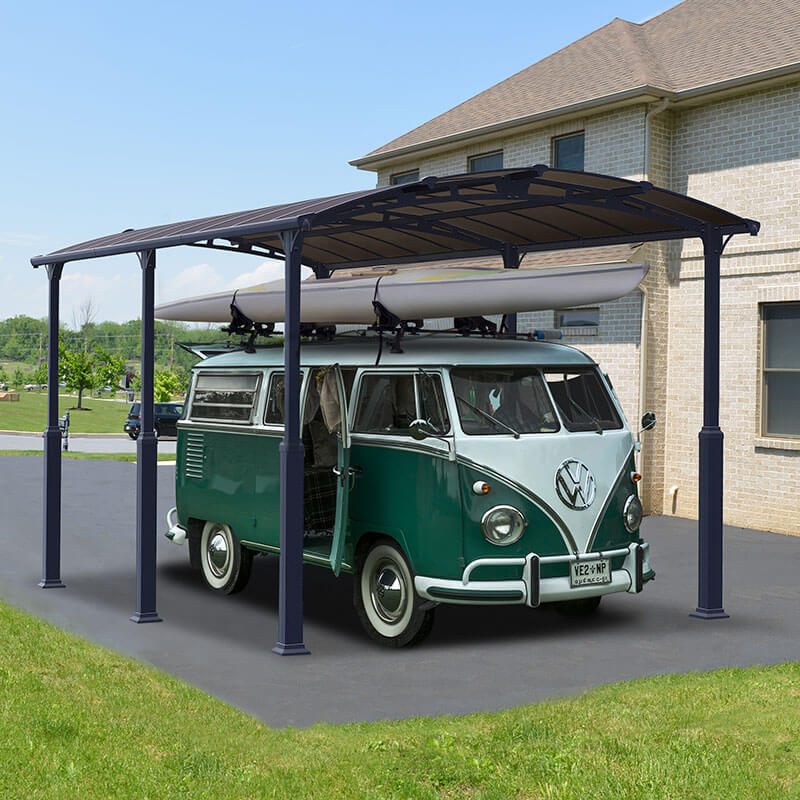
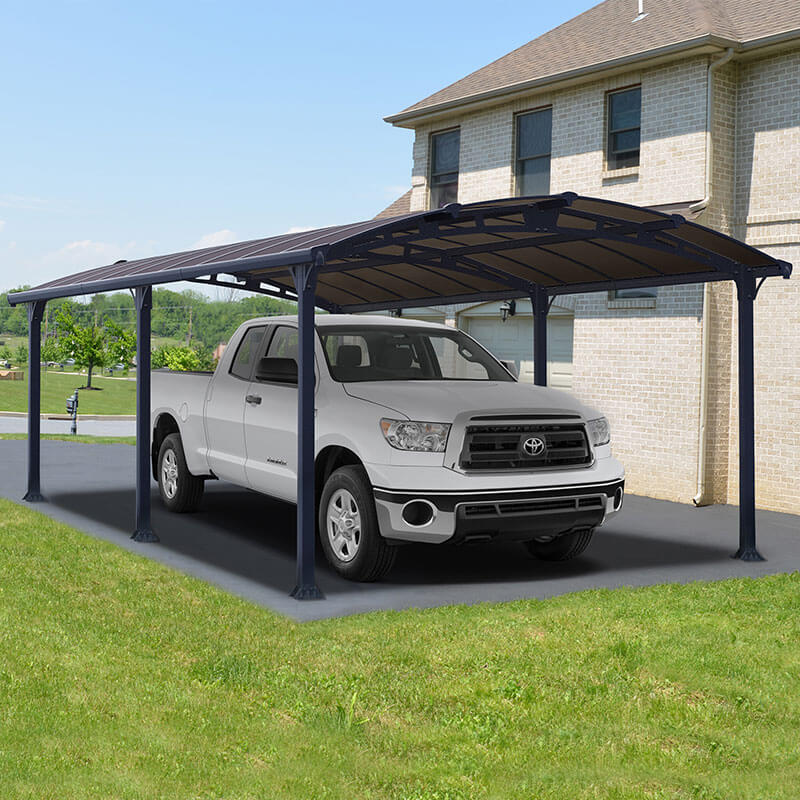
12′ x 21′ Palram Canopia Arcadia 6400 Grey Metal Carport (3.59m x 6.44m) £2,499.004%

-
12′ x 21′ Palram Canopia Arcadia Alpine 6400 Grey Metal Carport (3.59m x 6.44m) £3,529.00

Metal gazebos 250 sq ft / 25 m² give you a generous covered outdoor space for dining, relaxing, and sheltering guests, with steel or aluminium frames, open or partially sided layouts, and shapes to suit gardens of many sizes.
A Proper Sized Outdoor Room Without Building Walls
A 250 sq ft / 25 m² metal gazebo sits in that useful middle ground: large enough to feel like a real outdoor room, yet not so vast that it swallows the garden. For many buyers, this size makes sense when the aim is to create a defined space for a table set, lounge seating, or even a mixture of both. It is a size that can handle company without feeling cramped, and still leaves the structure looking balanced rather than heavy.
Because the frame is made from metal, the look is usually cleaner and more architectural than timber. That can suit contemporary gardens, but it also works well as a contrast in softer planting schemes. The appeal is not only visual. A metal gazebo in this size can offer a clear sheltered zone that feels deliberate, organised, and ready to use for everyday moments as well as gatherings.
Which Metal Frame Fits the Space Best?
When people compare steel gazebos and aluminium gazebos, the difference is often about feel and structure. Steel tends to suggest a more substantial frame, with a solid presence that can suit permanent-feeling garden layouts. It is often chosen where visual weight is wanted, or where the gazebo will anchor a larger patio area.
Bestseller der Kategorie metal gazebos 250 sq ft / 25 m²
Aluminium gives a lighter impression. It can look slimmer, which is useful if you want the gazebo to sit quietly in the background rather than dominate the scene. In practical terms, aluminium often appeals to buyers who prefer a neater, less bulky frame. Steel and aluminium both belong in the same category, yet they create quite different impressions once placed in the garden.
Some buyers also look at the finish. A powder-coated metal frame can appear more refined and help the structure blend with outdoor furniture or fencing. Darker finishes often make the outline recede a little, while lighter finishes can emphasise the shape. These details matter when the gazebo is large enough to become a visual feature.
Square, Rectangle or Octagonal: Shape Changes Everything
The words 250 sq ft / 25 m² describe the footprint, but the shape changes how the space feels. A square metal gazebo often gives the most even layout. It works well for a centred dining table or a symmetrical seating arrangement. If you enjoy a tidy, balanced look, square is easy to live with.
A rectangular metal gazebo can be more flexible for furniture zoning. One side may hold dining chairs, while the other side leaves room for a sofa or serving area. This shape is useful when the gazebo is intended to support different activities in one place. It also suits longer patios or garden edges.
An octagonal gazebo has a softer outline. It can feel more decorative and less formal, while still giving a decent usable area. The angled sides can create a sense of enclosure without closing things in. Buyers often choose this shape when they want the gazebo to look like a feature piece rather than just a shelter.
There are also hexagonal and other multi-sided forms, although they are less common in this size bracket. These can bring a slightly more ornamental effect. The main difference is not only style, but how furniture sits within the frame. Straight-sided layouts are easier for larger tables and modular seating; angled forms can feel more intimate, though sometimes less efficient for bulky furniture.
Open, Part-Sided or Fully Sheltered?
Not every metal gazebo is built the same way. Some are fully open-sided, giving you shade overhead and freedom at the edges. Others include partial side panels, which can help with a more defined sense of enclosure. A few are closer to fully sheltered gazebos, with more complete side coverage that changes the atmosphere from open garden feature to outdoor retreat.
Open-sided gazebos are often chosen when the aim is easy movement and maximum visibility. They suit entertaining, because guests can enter and leave naturally. They also let the garden remain part of the experience, rather than being visually cut off.
Part-sided designs can add a bit more distinction. This might mean panels on selected sides, or a structure that creates a more tucked-in feeling on one edge. It is a useful compromise if you want some shelter from view or a more defined dining corner without making the gazebo feel closed.
Fully sheltered styles in metal are more about creating a contained outdoor destination. The difference here is not only appearance, but how the space is used. A more enclosed frame can feel better for longer meals, evening seating, or when the garden layout needs a stronger boundary.
Why This Size Suits Real-Life Entertaining
A 250 sq ft gazebo offers enough room for proper garden living. That can mean a dining table for several people, a pair of lounge chairs with a small table, or a blend of both. It is the sort of size that supports movement around furniture, which matters more than people expect when a space is used often.
The advantage of 25 m² is that it does not feel like a token feature. Smaller gazebos can look attractive but be awkward once furniture is added. This size gives breathing space. Chairs can be pulled out properly. People can stand and talk without bumping into every edge. Food and drinks can be set down without improvising all the time.
Another useful point is flexibility. A gazebo this size can serve as a summer dining room, a cover for a hot tub area, or a seating shelter for gatherings. The same frame can support different ways of using the garden, which makes the purchase feel less fixed to one purpose. That kind of adaptability is often what turns a gazebo from a nice idea into something used week after week.
Design Details That Change the Feel
With metal gazebos, the details are often subtle but important. The roof profile changes the mood immediately. A flatter roof gives a more modern, structured look. A pitched roof reads more traditionally and can help the gazebo feel like a garden pavilion rather than a plain canopy. The difference is partly visual, partly about how prominent the structure appears from the house.
Leg thickness and frame proportions also matter. Slimmer posts can make the whole gazebo feel lighter, while heavier posts suggest more presence. In a 250 sq ft format, that proportion is worth thinking about because the gazebo already has a fair footprint. The right balance helps it look intentional, not overbuilt.
Another difference is the treatment of corners and joins. Clean, straightforward lines suit minimalist gardens. More decorative brackets or curved elements create a softer effect. Buyers often notice these things after the shape and size, but they influence whether the gazebo feels crisp, classic, or somewhere in between.
Where a 25 m² Gazebo Works Best in the Garden
This category suits a range of layouts, but placement does change how useful the structure feels. A metal gazebo 250 sq ft can sit neatly on a patio, where the floor area is already prepared and the gazebo becomes a covered extension of the home. That is often the simplest setup for dining or lounging.
It can also stand on a larger lawn area as a destination feature. In that setting, the gazebo becomes a focal point, with planting or pathways leading towards it. This approach works well when the garden is broad enough to give the structure some visual space around it.
For narrower gardens, a rectangular layout may suit the long side of the plot better than a square one. That way the gazebo feels integrated rather than squeezed in. In more open settings, an octagonal or square frame can sit centrally and hold the garden together visually. The exact choice depends on how the space already behaves, not just on the numbers.
What Buyers Often Compare Before Choosing
People looking at metal gazebos in this size usually compare a few practical differences. One is permanence versus portability. Some metal gazebos are intended as more fixed garden structures, while others are lighter in build and easier to reposition. The distinction matters if the garden layout may change later.
Another common comparison is decorative versus functional. An ornate octagonal gazebo may look more distinct, while a rectangular structure can make better use of the footprint. There is no single right answer. It is more about whether the gazebo is meant to be a feature to look at, or a flexible place to gather.
Buyers also compare open style versus enclosed style. A fully open gazebo feels airy and sociable. A more sided design can offer a stronger sense of boundary. Both use the same square footage, but they create very different experiences once furniture and people are inside.
Useful Tips for Choosing the Right Layout
If you are choosing a 25 m² metal gazebo, think about the furniture first rather than the frame last. Measure the table, chairs, or sofa group you actually want to place inside. A gazebo can technically fit the footprint, but the usable room depends on how much circulation space remains after furniture is in place.
- Square layouts suit centred dining or symmetrical seating.
- Rectangular layouts are useful for dividing dining and lounge zones.
- Octagonal shapes can feel softer and more decorative.
- Steel frames tend to feel more substantial.
- Aluminium frames usually look lighter and less visually heavy.
- Open-sided designs keep the space airy and easy to enter.
- Part-sided or enclosed styles create more definition and a stronger sense of shelter.
It also helps to think about sightlines. A gazebo of this size will be noticeable from the house, so the outline should work with nearby paving, planting, and boundaries. If the garden already has strong lines, a simple metal frame can echo them nicely. If the surroundings are softer, a more decorative form may sit better.
A Strong Match for Modern Gardens and Mixed Styles
One reason metal gazebos remain popular in this size is that they adapt to different garden styles without demanding a full redesign. In a modern setting, the clean edges and dark finish of a metal frame can support a restrained outdoor scheme. In a more traditional garden, the same structure can act as a neat contrast to planting and softer materials.
They also work well when the aim is to create a place that feels distinct from the rest of the garden but still connected to it. That balance is hard to get right with very small shelters. At 250 sq ft / 25 m², the gazebo has enough presence to hold its own, while still leaving space for the surrounding landscape to matter.
For buyers comparing options, the main attraction is often not a single feature, but the combination of size, frame material, shape, and openness. That combination decides whether the gazebo feels elegant, practical, compact, or generous. In this category, the best choice is usually the one that fits how you actually plan to use the space, not just how it looks from far away.
Small Differences, Big Effect on Daily Use
Even simple variations can change the way a metal gazebo performs in everyday life. A square footprint can make furniture placement straightforward, while a rectangular one can leave better circulation space. A slim aluminium frame may feel more open; a steel frame may feel more grounded. A pitched roof can add character, while a flatter roof can keep the profile neat.
These are the differences worth paying attention to because they shape how often the gazebo gets used. The best category choice is usually the one that feels easy to picture in real life: the table already set, the chairs pulled out, the space around them still comfortable. In that sense, a 250 sq ft / 25 m² metal gazebo is less about adding something extra and more about making the garden usable in a clearer, more settled way.
[Sassy_Social_Share]