
metal gazebos 21x12 - Best Deals in UK!
Showing all 2 results
-
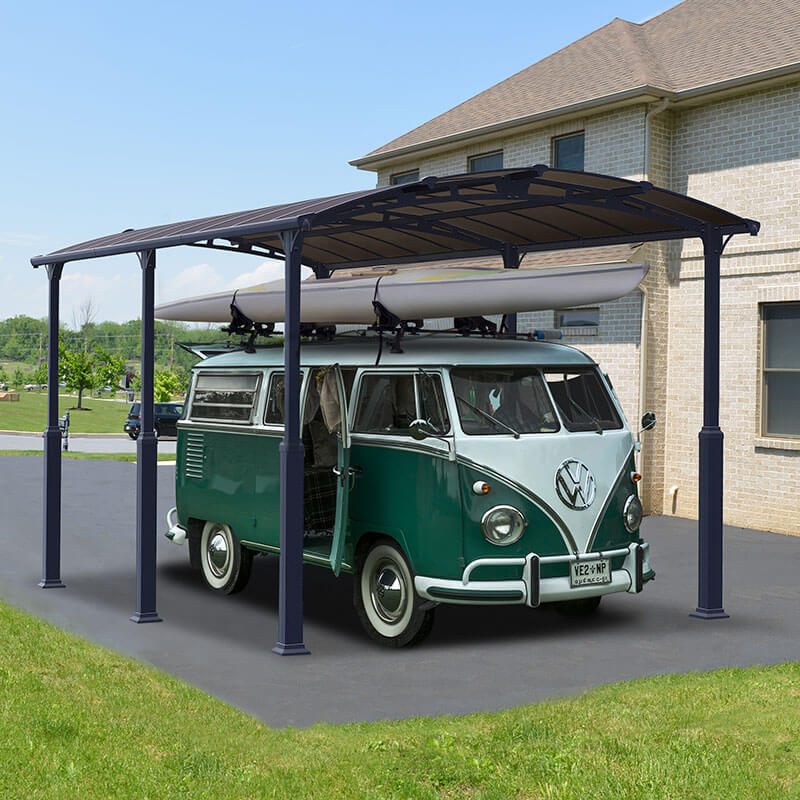
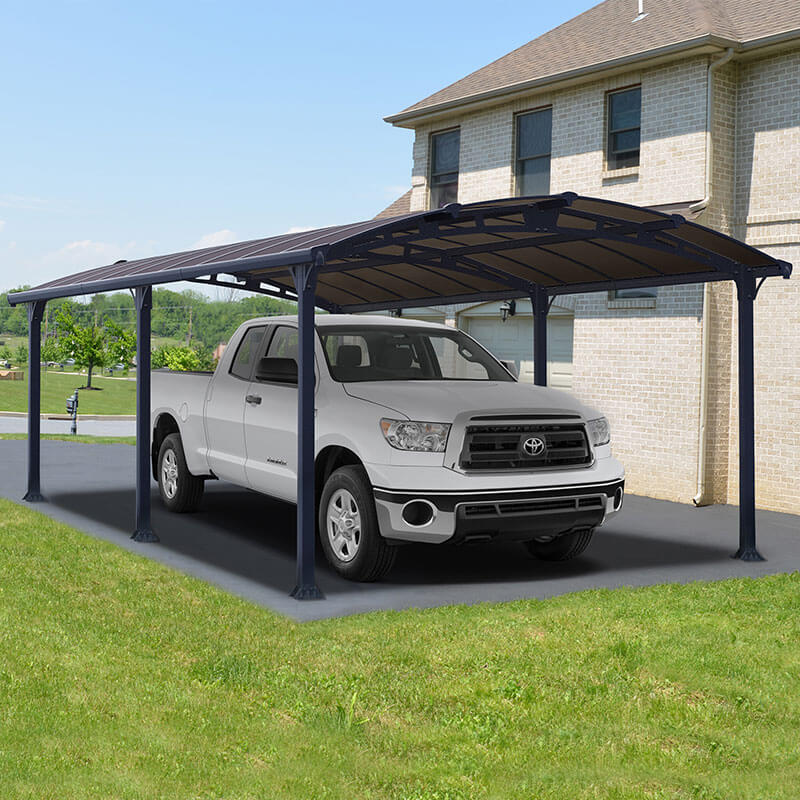
12′ x 21′ Palram Canopia Arcadia 6400 Grey Metal Carport (3.59m x 6.44m) £2,499.004%

-
12′ x 21′ Palram Canopia Arcadia Alpine 6400 Grey Metal Carport (3.59m x 6.44m) £3,529.00

Metal gazebos 21×12 offer a generous sheltered footprint for dining, seating and larger outdoor setups, with a sturdy steel or aluminium frame that suits gardens needing structure, shade and a tidy finish.
A 21×12 footprint that works with real outdoor plans
A 21×12 metal gazebo gives you a long, practical span that can sit over a table arrangement, a lounge set, or a mix of both without feeling cramped. The shape is especially useful when the garden layout is more rectangular than square, because the proportions follow the space instead of fighting it. For many buyers, that wider format makes it easier to define one clear outdoor zone, whether that is a covered dining area close to the house or a stand-alone feature at the far end of the garden.
Unlike smaller gazebos that feel suited to a single bench or compact bistro set, this size can act more like an outdoor room. The 21×12 dimensions give enough run for longer furniture pieces, side tables, plant stands or even a combination of seating styles. It is a practical choice if you want the shelter to do more than simply mark a corner. It can become the place where people naturally gather, move around and actually stay for a while.
Why metal feels different from timber or soft-top frames
When people compare metal gazebos with timber versions, the main difference is usually the feel of the structure. Metal tends to look cleaner and more defined, with slimmer lines and less visual bulk. That can be a good fit for modern patios, paved terraces and gardens where you want the feature to look intentional rather than rustic. If the surrounding landscaping is already busy, a metal frame can bring a sense of order.
Bestseller der Kategorie metal gazebos 21x12
Steel gazebos usually feel heavier and more rigid, which can suit buyers who want a solid, anchored look. Aluminium gazebos, by contrast, often have a lighter profile and are easier on the eye in smaller gardens or contemporary settings. The material choice also changes the overall impression: steel often reads as more substantial, while aluminium can appear neater and a bit less visually dominant. Neither is simply “better”; the right one depends on whether you want presence or subtlety.
Fabric-top shelters can be fine for casual use, but a metal-framed gazebo often gives a sharper outline and more architectural feel. In a 21×12 format, that matters because the larger span needs visual balance. A flimsy-looking frame can make the whole setup seem awkward, whereas a well-proportioned metal structure feels settled and purposeful.
Shapes and roof styles that change the whole look
Although the category is centred on 21×12 metal gazebos, there are still several shape and roof variations worth comparing. The most common are rectangular gazebos, which suit the dimensions naturally and usually offer the easiest furniture layout. A rectangular frame works well for long tables, modular seating and straight-edged patios.
Hexagonal or octagonal styles are less common in this size, but they can create a softer focal point if you prefer a more decorative garden feature. The trade-off is that furniture placement is often less straightforward, especially with a 21×12 footprint, because the usable corners and side lengths may not line up as neatly with standard outdoor sets.
Roof style changes the character too. A flat roof gazebo looks crisp and contemporary, and can suit gardens with clean paving and minimal planting. A pitched roof gazebo adds height and a more traditional profile, which can help the structure feel less heavy across a long span. Some buyers prefer a hard-top roof for the more finished look and the visual confidence it gives; others look for a lighter open-frame effect if they want more air and less visual mass.
Open sides, partial panels or full enclosure? The feel is very different
One of the biggest choices in this category is how enclosed the gazebo should feel. An open-sided metal gazebo keeps things airy and social. It suits gardens where the goal is shade and definition rather than privacy. In a 21×12 format, open sides can prevent the structure from feeling too enclosed, especially if the garden is already compact.
Partially enclosed gazebos often use side panels, half walls or framed openings. These are useful when you want a little more wind protection or a clearer sense of room division without closing the area off completely. They can also make a longer gazebo feel more balanced, because the side structure visually breaks up the length.
Fully enclosed designs, where available, create a more defined outdoor shelter and can help the gazebo feel like an extension of the home. The difference is not just about looks; it changes how the space is used. An open version is easygoing and sociable, while a more enclosed one may feel better for dining, screen-free family time or a quieter seating area. For some gardens, a bit of enclosure is what stops a 21×12 frame from feeling too exposed.
Where the 21×12 size really earns its keep
This size is popular because it can serve multiple uses at once without looking overly crowded. A 21×12 metal gazebo can cover a long dining table with room to move around the chairs, or it can shelter a lounge arrangement with enough space left for a drinks trolley, planter or extra seating stool. That versatility is one of the key buying reasons.
If your outdoor space often hosts family meals, weekend gatherings or longer afternoons outside, the extra length is useful. The structure can act as a visual boundary, making the zone feel intentional rather than improvised. It also gives a sense of scale in larger gardens, where smaller shelters can get lost.
For patios that run alongside a house, fence line or garden wall, the 21×12 layout can sit neatly in the available span and feel integrated. Buyers often like this because it avoids the awkward “gap” effect that happens when a shelter is too small for the surrounding area. In short, the size matters not just for capacity, but for how well the gazebo sits in the garden as a whole.
Different metal builds, different strengths
It is worth looking closely at the build style, because the term metal gazebo covers more than one kind of frame. Steel framed gazebos are commonly chosen when a firmer, more weighty structure is wanted. The frame often looks stronger visually, which can reassure buyers planning a more permanent garden feature. A steel gazebo can feel like the right match for paved areas and larger outdoor furniture sets.
Aluminium framed gazebos often appeal to buyers who want a cleaner visual line and a less bulky appearance. In a 21×12 format, that can be a real plus, because the larger footprint already has presence. Aluminium can help reduce the sense of heaviness, so the structure looks more refined rather than overpowering.
There are also differences in how the frame is styled. Some gazebos have thicker corner posts that create a strong, defined outline. Others use slimmer uprights and more open spacing, which makes the gazebo feel lighter. The right choice depends on what matters more to you: a bold frame that anchors the garden, or a neater silhouette that blends in a bit more. Both can work, but they send very different messages.
The practical advantage of a long rectangular layout
A rectangle is often the most logical shape for a 21×12 gazebo because it fits how people actually use the space. A long table usually sits better in a rectangle than in a round or irregular design. So does a pair of seating areas, or a mix of dining and lounging. The layout is more efficient, and buyers usually notice that straight away once they start planning furniture placement.
Compared with a square shelter, a 21×12 rectangular gazebo gives more usable wall-to-wall run in one direction. That can make it easier to position chairs without blocking entrances or squeezing paths. It also makes the shelter feel more like a room, with a clear direction and purpose.
At the same time, a long rectangular frame can be less casual in appearance than smaller gazebos. That is not a drawback if you want something that looks ordered and well planned. It simply means the gazebo sets the tone for the garden rather than blending away into it.
Features buyers usually compare before choosing
When browsing metal gazebos 21×12, most buyers focus on a few key details that affect both use and appearance. These include:
- Frame material – steel for a heavier look, aluminium for a lighter finish
- Roof style – flat, pitched or hard-top, each with a different visual profile
- Side design – open, partial or enclosed, depending on how much shelter feels right
- Post thickness – slimmer posts look lighter, thicker posts feel more substantial
- Overall proportions – important in a 21×12 size so the gazebo does not feel too long or too boxy
- Finish colour – usually chosen to match paving, fencing, furniture or planting tones
These details may sound simple, but they change how the gazebo lives in the garden. A structure can be technically similar to another one and still look completely different once the frame, roof and side treatment are combined. That is why it helps to think in terms of style and use together, not just measurements alone.
How the same size can suit very different gardens
One of the interesting things about a 21×12 metal gazebo is that it can work in more than one type of garden. In a modern space with porcelain paving and straight borders, a metal frame can look sharp and deliberate. In a softer garden with mixed planting, the same gazebo can become a contrast piece, giving the planting a more structured backdrop.
In narrow gardens, the long shape can help make the layout feel considered. In wide open gardens, it can anchor one section so the space does not feel empty or undefined. If you have a patio that already runs lengthways, the 21×12 format often fits more naturally than a broader square structure. That is one of the main reasons this size gets attention from buyers who are comparing it with more compact options.
Even the visual height matters. A gazebo that is too low may feel closed in, but one that is appropriately scaled can make the area feel calm and ordered. If the aim is to create a place for dining, relaxing or entertaining without making the garden feel overloaded, this size gives a useful middle ground.
Tips for choosing the right version without overcomplicating it
If you are deciding between different metal gazebos 21×12, it helps to start with how the space will actually be used. A dining-focused setup usually benefits from a more open plan with straight edges and easy access from all sides. A lounging-focused setup may work better with partial enclosure or a roof style that feels more sheltered.
It also makes sense to think about the shape of your outdoor flooring. A rectangular gazebo often looks best when it follows the lines of the patio or lawn edge. If the available area is slightly awkward, choosing a frame with cleaner proportions can make the whole garden look more settled. People often underestimate this part, but it is the difference between a gazebo that looks placed and one that looks squeezed in.
Another useful point is visual weight. If your garden already has large walls, fencing or heavy paving, a strong steel frame may suit the setting. If the garden is greener and more open, a lighter aluminium look can keep the structure from dominating the view. Neither option is wrong; they simply create different moods.
What makes this category worth browsing closely
Metal gazebos in 21×12 size are appealing because they combine scale, structure and clear function. They are not just decorative frames. They help shape an outdoor area into something that feels usable, even when the rest of the garden is a bit loose or unorganised. For buyers planning meals outdoors, creating a covered social space or simply adding a defined feature, the size gives room to work with.
The category also offers useful variation. A buyer can choose between steel and aluminium, between open and enclosed sides, and between modern flat roofs or more traditional pitched styles. Those differences matter because they decide how the gazebo behaves in the garden and how it feels day to day. Some will suit a clean, modern patio; others will fit better with a more classic layout or a mixed-use outdoor area.
If you want a shelter that looks considered rather than temporary, and you need enough space for more than a couple of chairs, a 21×12 metal gazebo is a strong category to explore. It gives structure without making the garden feel chopped up, and it offers enough width and length to support a proper outdoor setup, not just a token one. That balance is what makes it an appealing choice for buyers who want the garden to work harder, and look sorted too.
Small details that help the purchase feel right
Before choosing, measure the usable ground area rather than only the full garden. A gazebo of this scale needs room around it so it does not look forced. It also helps to compare how different frame styles sit against fencing, walls and planting. A neat metal outline can look very good beside straight lines, while a more decorative roof can soften a hard paved area.
If you are comparing options, pay attention to the balance between footprint and openness. A 21×12 gazebo that is too visually dense can feel heavy, while one that is too open may not give enough sense of shelter. The best match is usually the one that suits both the practical plan and the garden’s shape. That sounds obvious, but it is easy to miss once you start looking at details.
In the end, this is a category for people who want their outdoor space to feel more resolved. A metal gazebo 21×12 has enough size to matter, enough structure to stand out, and enough variation in form to suit different kinds of gardens. It is not a tiny accessory, and that is exactly why it earns attention.
[Sassy_Social_Share]