
metal gazebos 16x12 - Best Deals in UK!
Showing the single result

Metal gazebos 16×12 offer a generous sheltered footprint for dining, lounging, and year-round outdoor use, with steel and aluminium frames, different roof styles, and clear space for bigger garden furniture.
Why a 16×12 Metal Gazebo Feels Different in the Garden
A 16×12 metal gazebo sits in that useful middle-to-large garden category where the structure stops feeling like a small cover and starts working as a proper outdoor room. The 16 x 12 ft footprint gives you room for a long table, corner seating, or a mix of both without everything feeling pushed together. That matters if you want a space for family meals, social evenings, or simply a covered zone that doesn’t feel cramped.
Because the frame is metal, the structure usually looks cleaner and more defined than timber alternatives, with sharper lines and a more architectural feel. For many buyers, that balance of size, stability, and neat appearance is the main draw. It can anchor a patio or create a clear garden destination, rather than just sitting there as a loose add-on.
What Metal Brings to the Shape and the Finish
In this category, metal gazebos generally mean a frame made from steel or aluminium. That changes the whole character of the gazebo. Steel tends to feel more robust and weighty, which suits a more permanent garden feature. Aluminium is usually lighter, easier to handle during assembly, and often chosen where the buyer wants a sleeker look with less visual bulk.
Bestseller der Kategorie metal gazebos 16x12
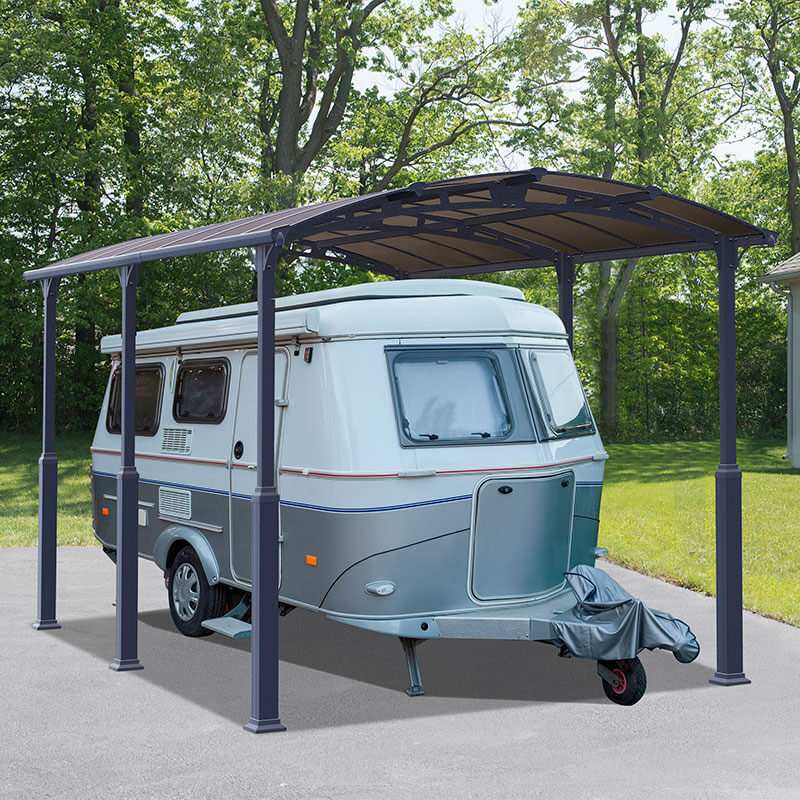
The finish also matters. Powder-coated frames often have a more refined appearance and help the gazebo blend into modern gardens, especially in black, grey, or anthracite. In a 16×12 size, those colour choices are useful because the structure is already substantial; a calm finish helps it look intentional rather than overpowering.
Some people prefer the solid, straightforward look of exposed frame lines. Others like a design where the metal supports are softened by curtains, side panels, or a softer roof profile. The good thing is that the metal framework gives the gazebo a strong visual backbone, so different looks can work without losing the sense of structure.
Different 16×12 Styles You’ll See in This Category
There is more than one type of metal gazebo 16×12, and the differences are not just cosmetic. The shape and roof design affect how it sits in the garden and what sort of use it suits best.
- Rectangular gazebos – the most straightforward choice for patios and dining areas, especially when paired with a long table or a sofa set.
- Hardtop gazebos – usually chosen for a firmer, more defined roof structure that gives the gazebo a solid, built-in feel.
- Open-sided gazebos – useful when you want shelter overhead without closing the space off too much.
- Partly enclosed gazebos – a practical option for people who want some privacy, shade, or wind cover at the sides.
- Curved or pagoda-inspired roofs – these add a softer outline and can change the whole mood of the garden, especially if the rest of the space is quite angular.
In a 16×12 size, shape choice matters because the gazebo already has a strong presence. A rectangular frame often feels the most natural if you are matching it to a patio edge or a deck. A more decorative roof shape can work well if the gazebo is meant to be a focal point in the garden, rather than just a practical cover.
Roof Types That Change the Whole Feel
One of the clearest differences between metal gazebos lies in the roof. A hard roof gazebo tends to feel more permanent and grounded, which can suit a 16×12 footprint nicely because the large base seems to call for a solid top. These roofs often give a stronger sense of enclosure and a cleaner line from a distance.
By contrast, a gazebo with a softer roof profile can look more relaxed and less formal. That can work well if the garden is full of planting or curved landscaping, where a softer roof shape helps the structure sit in the scene rather than dominate it. The difference is partly visual, but it also changes how the gazebo is used. A firmer roof feel often suits dining or all-weather seating; a lighter roof look can be better when you want the gazebo to feel airy.
Some buyers care about the contrast between a clean metal frame and a more decorative roof line. Others want the gazebo to be visually quiet. Neither is right or wrong. It depends whether the gazebo is meant to blend in or stand out a bit.
How the 16×12 Size Works in Real Outdoor Layouts
A 16×12 gazebo gives you enough span for multiple layout options, which is why it appeals to people with larger patios or more structured gardens. It can hold a rectangular dining set with room to move around it. It can also work as a mixed-use area, with one side for chairs and another for a table, which is useful if you don’t want the space to be committed to one purpose only.
This size is also handy when you want to leave breathing room around the furniture. Smaller gazebos can force people to squeeze past each other, but a 16×12 layout gives a more comfortable circulation path. That makes a difference for outdoor entertaining, especially when you’ve got serving dishes, extra seating, or a few people coming and going.
Another benefit is scale. In a bigger garden, a compact shelter can look a little lost. A 16×12 metal gazebo has enough visual weight to feel properly anchored. It can help define zones in the garden without needing walls or permanent building work.
Open, Semi-Closed, or More Private? Picking the Right Level of Shelter
Different metal gazebos 16×12 offer different levels of openness, and this changes how you use the space. An open-sided version keeps sightlines clear and makes the gazebo feel part of the wider garden. This is good if the main goal is shade and a framed seating area rather than a separate room.
A semi-enclosed design creates a bit more definition. It can feel more intimate, especially when the gazebo is being used for evening meals or relaxed gatherings. This format often gives buyers a better balance between openness and shelter, because it doesn’t shut out the garden but still gives a stronger sense of place.
More enclosed styles are useful when privacy matters. If your garden is overlooked, or you simply want a zone that feels more tucked away, side panels or screens can make the gazebo work harder. The key difference is that the same 16×12 footprint can feel very different depending on how much of it is visually open.
Steel or Aluminium: The Practical Difference Under the Surface
When choosing a metal gazebo, the frame material is one of the main comparison points. Steel usually brings a heavier, more substantial feel. It tends to suit people who want the gazebo to feel solid and grounded in one place. That can be especially appealing in a larger 16×12 size, where the frame has to hold visual confidence as well as physical support.
Aluminium is often chosen for its lighter weight and cleaner handling. It can suit contemporary gardens where the gazebo is part of a neater, less bulky layout. Aluminium frames often read as a bit more refined in appearance, while steel can feel more industrial or classic, depending on the design.
There are also subtle differences in look. Steel frames often have a more pronounced presence, which some people like because it gives the gazebo a stronger outline. Aluminium can appear slimmer, so the same size may seem a touch more open. Neither one is simply better; it depends on whether you want visual strength or lightness of form.
Shape, Line, and Proportion: Small Details That Matter a Lot
The 16×12 format works best when the proportions are right. A long rectangular structure naturally suits outdoor furniture arrangements, but the exact line of the posts, roof edges, and side openings can alter the overall look quite a bit. Wider spacing between posts can make the gazebo feel more open. Tighter framing can make it feel more defined and room-like.
That is why some buyers compare gazebos not just by size, but by the way the frame sits in relation to the roof. A flatter roofline feels more modern and deliberate. A pitched or lifted roof brings more visual height, which can be useful if you want the gazebo to feel less broad and more elegant. In a 16×12 format, that balance between width and height is a big part of the appeal.
It is also worth noticing how the structure will read from different points in the garden. Some gazebos look especially good when viewed head-on, while others have a more attractive side profile. If your garden has one main viewpoint, that can influence which shape feels right.
Why Buyers Choose Metal Over Timber in This Size
In a large format like 16×12, metal often wins because it brings a more precise outline and a less bulky feel. Timber can be warm and natural, but in a bigger gazebo it may also look heavier or more rustic than some gardens need. Metal can feel more versatile, especially if the rest of the garden already uses stone, paving, glass, or modern fencing.
Another reason is consistency. Metal frames often suit a wide range of furniture styles, from simple dining sets to more contemporary lounge arrangements. If you change the furniture later, the gazebo usually still works. That flexibility matters when the structure is large and likely to stay in place for a long time.
For many buyers, the attraction is really about the overall effect: a strong shelter, a clean outline, and a garden feature that looks sorted. It’s not flashy. It’s just a shape that does its job and looks good doing it.
Useful Buying Checks Before You Decide
Before choosing a metal gazebo 16×12, it helps to think about how the space will be used in practice. A few checks can make the decision feel much easier.
- Measure the full footprint and leave enough room around the edges for movement, access, and any surrounding furniture.
- Think about the furniture layout first, because the gazebo should suit the table or seating plan, not the other way round.
- Decide how open you want it to feel, since side panels or open sides create a very different atmosphere.
- Look at the roof shape in relation to your garden style, especially if the area is modern, formal, or more relaxed.
- Check the frame material so you know whether you prefer the weight of steel or the lighter feel of aluminium.
- Consider the colour finish, because darker frames tend to recede visually while lighter tones may stand out more.
These details sound simple, but they matter a lot in a 16×12 structure. A gazebo of this size is not a small decorative extra; it becomes part of the garden layout. Choosing carefully means it will look intentional from day one, not like something added at the last minute.
The Buying Appeal Is in the Space It Creates
What makes a metal gazebo 16×12 worth considering is not just the frame or the roof on its own. It is the way the whole structure changes how the garden is used. It creates a defined place for meals, conversation, or lounging, and it gives those activities a bit of shape. That is especially useful in larger gardens where open space can sometimes feel a little unclaimed.
Different versions in this category give different results. An open frame can feel light and sociable. A semi-enclosed one can feel more composed. A hardtop version can bring a sense of permanence. A more decorative roof can soften the look. The distinctions are subtle at times, but they matter when you are choosing a structure that will sit centre-stage.
If you are looking for a garden feature with clear proportions, useful shelter, and a tidy metal finish, this category gives you a lot to work with. The 16×12 size has room to be practical, but it also has enough presence to make the garden feel more finished. And that, for many buyers, is what makes the choice feel right.
[Sassy_Social_Share]