
metal carports 39x20 - Best Deals in UK!
Showing the single result

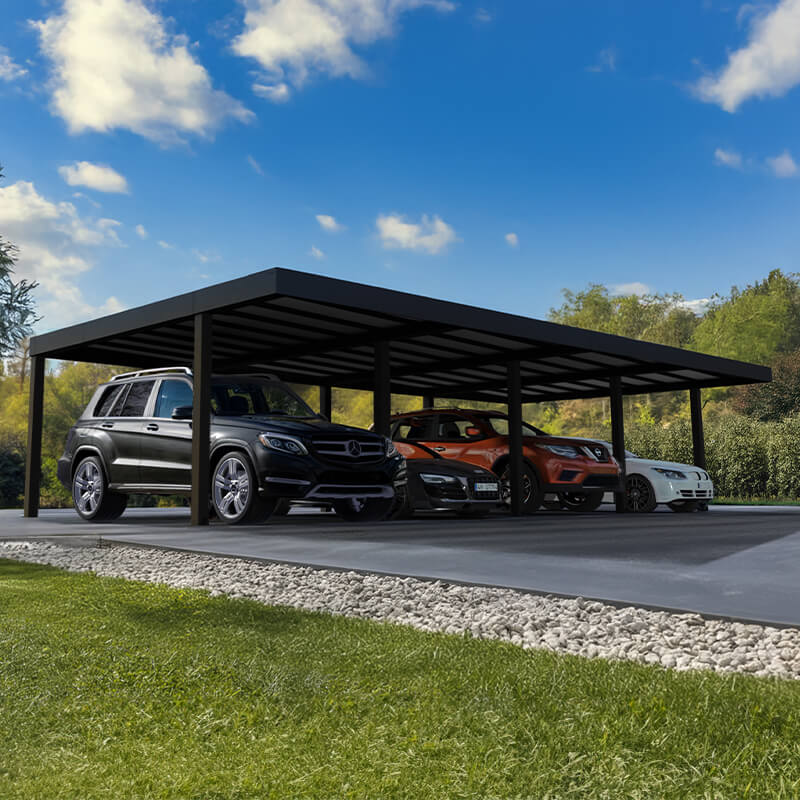
Metal carports 39×20 offer a broad, practical covered space for cars, vans, trailers and equipment, with open sides, durable steel frames and flexible layouts.
Why the 39×20 size gets attention
A 39×20 metal carport gives you a footprint of roughly 780 square feet, which is a handy size when one vehicle is not the whole story. It is often chosen by buyers who need a shelter that feels roomy without moving into the scale of a full garage building. That extra length and width can make a real diffrence when you want to park a larger vehicle, leave space for walking round the doors, or keep room for a trailer, ride-on mower or stored materials beside the main vehicle.
This size is especially useful where a standard single-bay shelter feels too tight. You get more breathing room around mirrors, tailgates and door swing, and that matters if the carport will be used daily. For mixed use, the 39×20 format can work as a parking cover, a partial work zone, or a protected area for seasonal kit. It is not just about covering a vehicle; it is about making the space work in a more flexible way.
Frame shapes that change how it feels
One of the main differences in metal carports is the frame shape. The shape affects the profile, internal headroom and how the structure handles rain and snow. Buyers often compare a few common forms before they choose.
Bestseller der Kategorie metal carports 39x20
- Regular roof carports have a rounded arch and a lower, familiar profile. They suit many domestic plots and can look a bit less bulky from the outside.
- Boxed eave styles keep straighter eaves and a cleaner edged look, which some buyers prefer when matching nearby buildings.
- Vertical roof designs use standing seam-like panels that help run-off move more directly away. This shape is often picked when roof drainage and debris shedding are priorities.
These forms can all be built around a 39×20 footprint, but they do not feel the same inside. A regular roof can give a softer silhouette, while a vertical roof tends to suit buyers who want a more defined roof line. Boxed eave sits somewhere in between. If you are comparing them, think about where the carport will stand, how much visibility it will have, and whether the roof shape needs to echo another structure nearby.
Open, side-enclosed or more enclosed: the layout choice
Another useful difference is how open the carport is. A classic carport is often open on all or most sides, which makes access very easy. That can be a strong point if you want to drive in and out without turning sharply or if the shelter needs to accommodate a wider vehicle. There is no struggle with doors or tight posts, which is nice in daily use.
Some buyers prefer a version with partial side panels or an enclosed end. That can help create a more defined parking bay and reduce the feeling that the vehicle is sitting out in the open. A partially enclosed layout may also suit areas where wind direction makes one side more exposed. In contrast, a fully open carport keeps things simple, airy and easy to access from multiple angles.
With a 39×20 metal carport, the extra size gives you more options to divide the space informally. One side can be for the main vehicle, while the other side can remain open for loading, standing a bike trailer, or keeping day-to-day items that need a dry place. That is one of the reasons this size attracts buyers looking for a bit more than basic cover.
Steel construction and what buyers usually check
The phrase metal carport covers more than one kind of build, but in this category the frame is typically steel. Buyers tend to look closely at the frame specification because it influences the feel of the whole structure. Thicker steel sections often give a more solid impression, while lighter sections may suit smaller demands or temporary use. The key point is that the steel frame provides the skeleton that holds the roof and side components in place.
Roof panels are usually metal too, which means the whole shelter works as a coordinated structure. When comparing options, it helps to look at the way the roof panels are joined, the spacing of the frame members and how the anchoring is described. These details affect stability, and they also affect the internal feel of the carport. A tighter frame layout can make the shelter seem more substantial, while wider spacing may leave a more open look beneath.
For a 39×20 size, the frame layout matters because the span is large enough for the structure to feel generous, but not so large that every small detail can be ignored. Buyers often notice whether the posts are positioned in a way that helps parking and door opening, because a post in the wrong place can be annoying every day, honestly.
What you gain from the extra coverage
The practical appeal of a 39×20 carport is easy to understand once you picture a wet morning, a frosted windscreen or a vehicle that needs to stay free of falling leaves. Covered parking changes the daily routine. You are not clearing snow off the whole roof line of the vehicle, and you are not returning to a car that has sat fully exposed to the weather. That feels useful in a way that is easy to appreciate after the first few uses.
There is also the benefit of space around the vehicle. A wider shelter can allow safer entry and exit, especially for families, older drivers or anyone fitting child seats, mobility aids or bulky bags into the car. The 39×20 footprint can also make loading easier because you are not forced to stand in the rain while moving items from boot to storage. If the carport is used for work gear or a trailer, the extra width means you can reach around the load without awkward shuffling.
Compared with smaller shelters, this size can also feel more organised. The parking area is not competing with the storage area quite as heavily, so the whole space has a clearer purpose. That may sound simple, but in practice it makes a difference.
Different uses beyond a single car
Although many people search for a 39×20 metal carport for vehicle cover, the dimensions open the door to other uses as well. The footprint can suit a dual parking arrangement in some cases, depending on vehicle size and how much side clearance you want. It can also work for a car plus a smaller trailer, or for a vehicle with a protected side zone beside it.
Some buyers use this size as a covered utility area, where the main vehicle occupies one section and the remainder serves as a sheltered working bay. Others use it as a place to keep garden machinery, palletised goods or building materials under cover. The point is not to force the space into one fixed role. Rather, the 39×20 scale leaves room for different combinations, which is part of its appeal.
If you are comparing whether you need a shorter or longer shelter, think in terms of how the area will be used on a normal day. If your parking needs vary, the extra length can be useful because it prevents the whole shelter from feeling full straight away. That slight margin matters more than people expect.
Roof style differences that matter in real use
The roof style is not only about appearance. It affects how the shelter behaves and how it sits in the landscape. A vertical roof metal carport is often chosen where the buyer wants a roof form that can encourage quicker run-off. A regular roof version gives a smoother, curved line that can suit settings where the structure should not dominate visually. A boxed eave design has a straighter, more defined edge and can feel neat beside a house, workshop or boundary wall.
For a 39×20 carport, these roof differences become more noticeable because the span is large enough to show the profile clearly. A curved roof can appear lighter, while a vertical roof can look more structured. The right choice often comes down to what you want the shelter to say about the site. Do you want it to blend in, or to present as a clear functional addition? There is no need to overthink it, but it does help to stand back and picture the building from the driveway, not just from the catalogue photo.
Why metal makes sense for this category
Buyers often look at metal carports because they want a shelter that feels robust without becoming complicated. Steel framing gives a firm base for the roof and keeps the structure purpose-built for outdoor exposure. In this category, metal is chosen not for ornament but for function: it handles span, holds shape and supports a roof form that is made for parking cover.
Another reason metal is popular here is the visual clarity of the structure. You can see the posts, the roof line and the boundaries of the space at a glance. That makes it easier to judge whether the 39×20 size is right for your plot. It also makes planning simpler, because the form is straightforward: posts, roof, clear opening, covered area. That honesty in the design is part of the appeal, really.
Useful buying points before you choose
Before you settle on a 39×20 metal carport, it helps to look beyond the headline size and think about the details that affect daily use:
- Vehicle length and width – leave enough room for doors, mirrors and safe entry.
- Post placement – check that the supports will not interfere with parking or turning.
- Roof profile – compare regular, boxed eave and vertical forms for the look and run-off behaviour you want.
- Single or mixed use – decide whether the space is only for parking or also for storage.
- Side openness – choose between open access and more sheltered layouts depending on your site.
- Ground space – make sure the footprint sits comfortably on the available area, not just on paper.
It is also worth thinking about how the carport will be approached. A large shelter can look perfect in theory but still feel awkward if the driveway angle is poor. The 39×20 size gives you room, yet that room still needs to be usable. A quick sketch on the ground can help more than a long online comparison, and yes, that sounds old fashioned, but it works.
How this size compares with smaller and larger options
Compared with a smaller carport, a 39×20 unit offers more flexibility for movement and storage. Smaller shelters can be fine for one car, but they often leave little margin for wider doors or side items. This larger format feels less cramped and can suit buyers who know they will regret a tighter fit.
Compared with very large shelter builds, though, the 39×20 size can feel more manageable. It still offers a serious covered area, but it may be easier to position on a property where space is not endless. That balance between capacity and practicality is one reason people keep returning to this dimension. It is large enough to do a proper job, yet not so big that it takes over the site completely.
When the shape of the space changes the decision
Sometimes the choice is not about size alone, but about shape. A 39×20 metal carport is a wide rectangle, and that shape works well if you need a clear parking lane or a generous side-by-side arrangement. If your site is long and narrow, it may suit the layout better than a square shelter. If the driveway opens onto a broad front area, the width can help the structure sit naturally with the property.
The proportions also help if you want distinct zones within one shelter. A vehicle can occupy the main bay, while the remaining area is used for equipment or access. That separation is one of the quiet strengths of this category. It does not demand a single use, and that makes it attractive to buyers who prefer options.
A simple way to think about value
When buyers look at metal carports 39×20, they are often weighing value in a practical sense rather than just by price. The question is: does the shelter give enough covered area, enough flexibility and enough access for what I actually need? In many cases, the answer comes down to how the space will be used across the week, not just on day one.
A carport of this size can reduce the need to shuffle vehicles around, keep one important vehicle under cover, and make everyday parking less exposed. It can also create a neater site layout because the covered area is clearly defined. That tidy effect is not the main reason to buy, but it is a welcome side benefit. When a structure fits the job properly, the whole place tends to feel more settled.
The kind of buyer this category suits
This category tends to suit buyers who want covered parking with room to spare. It is a sensible choice for anyone with a larger car, a van, a trailer or mixed outdoor storage needs. It also appeals to people who want the strong, direct look of a metal structure rather than a more decorative garden building.
If you want a shelter that can handle daily vehicle use without feeling tight, a 39×20 metal carport is worth a close look. If you want a structure that leaves space for practical extras, the size becomes even more attractive. And if you prefer a build that is easy to understand and compare, this category keeps the decision fairly clear: choose the roof form, decide how open you want the sides to be, then check the footprint against your site.
Final thoughts before you choose
The real strength of metal carports 39×20 is the balance between size, access and flexibility. Different roof shapes give you different visual and practical outcomes. Open or partially enclosed layouts change how protected the space feels. Steel construction gives the shelter its basic purpose and shape. Put together, those parts create a category that can suit more than one kind of buyer.
If you are searching for a structure that is not too small, not overcomplicated and still genuinely useful on a day-to-day basis, this size has a lot going for it. It is a straightforward product type, but with enough room for the details to matter. That is often what makes the decision easier: you can see, quite quickly, whether it fits the way you actually live and park.
[Sassy_Social_Share]