
Mercia Sheds - Best Deals in UK!
Showing the single result

Mercia sheds bring together timber garden storage, neat rooflines and a choice of shapes and sizes for tools, bikes, potting kit and everyday outdoor clutter. Pick the right style for your space.
Why Mercia Sheds suit so many gardens
Mercia sheds are often chosen by buyers who want a straightforward timber shed that feels at home in a British garden. The range is known for practical layouts, familiar shed forms and a look that sits neatly beside lawns, borders and patios rather than fighting against them. That makes them handy whether you need somewhere to keep a mower, a stack of plant pots, children’s toys or the bits and bobs that never seem to stay in one place.
What sets them apart is the way the category covers different roof shapes, door layouts and footprints. Some designs suit a narrow side return, others make better use of a square plot, while taller options give more useful headroom for people who don’t want to crouch every time they step inside. If you’re comparing styles, it helps to think less about “a shed” and more about how the shape changes the way the space works.
Overlap, apex or pent: the roof shape changes the feel
One of the clearest differences in Mercia Sheds is the roof form. An apex shed has the familiar central ridge and triangular profile, which many people like because it feels balanced and gives a classic garden-shed look. The sloping sides can also help create a bit more headroom down the middle, which is useful if you’ll be carrying in taller items or just want the interior to feel less boxed in.
Bestseller der Kategorie Mercia Sheds
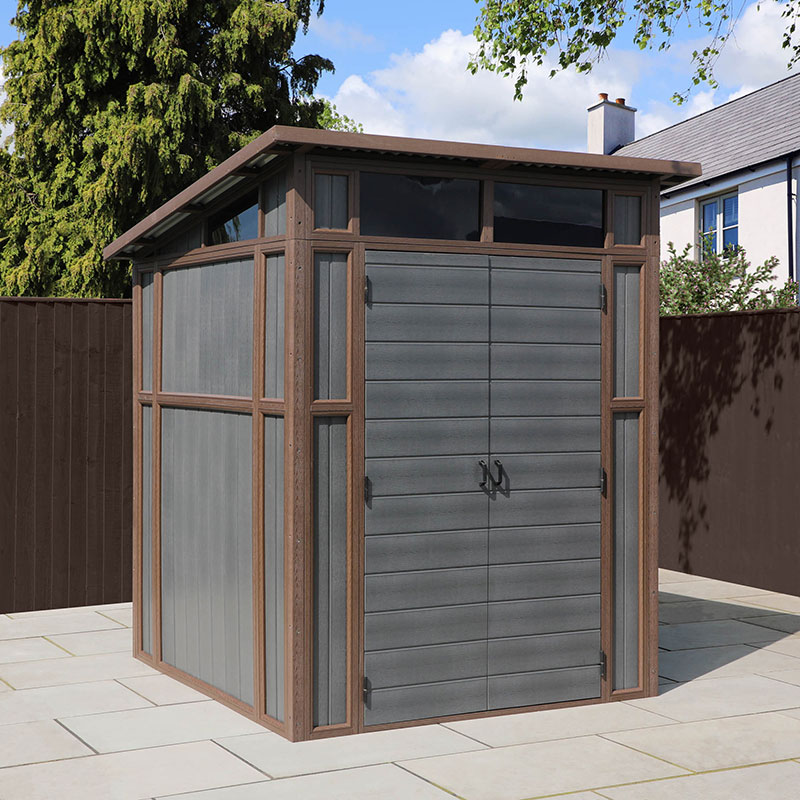
A pent shed, by contrast, uses a single sloping roof line. That gives a more compact, modern outline and often works well when the shed needs to sit against a fence, wall or boundary. It can look tidier in a narrow space, and it’s the sort of shape that feels very efficient when you’re trying to use every metre properly.
Some buyers prefer the low profile of a pent design because it doesn’t dominate the garden view. Others go for an apex style because the form gives a more traditional shed presence. Neither is “better” in a blanket sense; the right choice usually depends on where the shed will sit and how you plan to use the inside.
From compact stores to roomy garden shelters
The category can include smaller storage sheds for light seasonal use as well as more generous footprints for bulkier equipment. A compact shed is often enough when the main aim is to keep items dry, organised and out of sight. Think hand tools, hosepipe reels, seed trays and folded furniture. Larger versions are more suited to buyers who want to store several bigger items together, or who prefer a bit of room to move around without stacking everything to the ceiling.
This size difference matters more than it might first seem. A shed that’s too small can quickly become a crowded corner where nothing is easy to reach. A shed with some extra width or depth, on the other hand, makes it easier to separate categories: garden tools on one side, outdoor toys on another, and maybe shelving for smaller bits. The effect is less clutter and fewer awkward shuffles when you need something at the back.
If you’re comparing sizes, don’t only look at floor space. Door opening position, internal height and the shape of the roof can all change how usable the shed feels. A model that looks modest from outside may still offer decent practical space if the layout is well judged.
Single doors, double doors and how they change access
Door style is one of those details that seems small until you start using the shed every week. A single-door shed is often a tidy fit for narrower gardens and basic storage needs. It can be ideal if the contents are mostly hand tools, small packs, compost bags or seasonal items that don’t need wide access.
Double-door designs, where available in the range, make a clear difference when you want to store larger items. Bikes, barrows, foldaway furniture and larger garden gear are easier to move in and out when the opening is wider. It also tends to make the shed feel less cramped, since you’re not constantly turning objects sideways to get them through the gap. For some buyers, that alone is reason enough to prefer the double-door form.
There’s also a difference in how the shed works day to day. A single door can be neat and simple, while double doors make the shed more flexible. If you’re not sure which way to go, ask yourself whether you’ll be stepping inside for quick grabs or storing items that are a bit bulky and awkward. The answer usually points you in the right direction.
Timber finish and the look of a proper garden building
Mercia timber sheds appeal to people who want a natural, garden-friendly material rather than something that feels cold or industrial. Wood has a softer visual texture, so it tends to settle into planting schemes, gravel paths and lawn edges without looking hard-edged. For many buyers, that matters almost as much as the storage itself.
There’s also a practical side to timber construction in this category: it gives the shed a familiar garden-building character, and the appearance can feel less like a utility box and more like part of the outdoor space. That does not mean every timber shed looks the same. Panel arrangement, door position and roof type all alter the final impression. Some look neat and compact, some more substantial, some a little taller and more open.
If you’re comparing sheds from the outside, keep an eye on the proportion between wall height and roof form. A low pent shed can blend into the background, while an apex design tends to read more obviously as a classic shed. The difference can be useful if you want the building to either stand out a bit or sit quietly in the corner.
Panel build, overlap boards and why the structure matters
Within the Mercia Sheds category, you may notice different build styles such as overlap boarding and other panel-based timber constructions. The wording matters because it tells you something about the overall feel of the shed and how the boards are arranged. Overlap-style cladding gives a more traditional shed look and is often associated with a straightforward, no-fuss garden storage build.
This is useful to understand because buyers don’t always want the same thing. Some want a shed that feels classic and practical, with a visual style that you’d expect in a British back garden. Others prefer a cleaner, tighter silhouette. The board style influences both appearance and the sense of solidity once the shed is in place.
It’s worth comparing the side walls, gables and door framing too. A shed is not just its roof shape. The way the panels are put together affects the overall balance, and that can make a modest shed feel more substantial or, in some cases, lighter and less intrusive. Small differences, but they do matter when the shed will be visible from the house every day.
Choosing the right shape for the garden you actually have
One of the best things about this category is that it covers different garden layouts rather than forcing one solution on everyone. If your plot is long and narrow, a pent shed may tuck in neatly and make better use of a side run or boundary space. If your garden is more square or open, an apex shed can sit comfortably and feel naturally placed.
Consider where the door will open and how you’ll move around it. A shed placed tight against a path may need a door arrangement that keeps access simple. A structure set further back in the garden may give you more freedom with shape, but then the route to it matters more, especially if you’ll be carrying bigger items. So it’s not just about the shed itself, but about the way it will be used in the space around it.
There’s also the question of visual balance. A taller shed can work well if you want a stronger garden feature, while a lower design may suit a more understated look. Buyers often focus on storage first and style second, yet in practice the two go together. If the shed feels right in the garden, you’re usually happier with it long term.
Practical advantages buyers notice straight away
People tend to like Mercia sheds for the sort of reasons that are easy to spot on day one: useful proportions, recognisable designs and a layout that makes storage feel more ordered. A shed with the right shape can clear space from the garage, spare room or greenhouse and return some breathing room to the house. That alone can be a big selling point for busy households.
Better organisation is another clear advantage. When tools, pots and outdoor gear each have a place, you spend less time searching and more time getting on with the job at hand. Buyers often underestimate how much difference a well-sized shed makes until they’ve used it for a while. Suddenly the garden hose is not coiled in the wrong corner, and the pruning saw isn’t lost behind the mower.
There’s also the simple advantage of giving outdoor items a dedicated home. Instead of stacking things under covers or leaving them in odd spots, a shed creates a proper storage point. That can make the whole garden feel calmer, which is maybe not the most glamorous benefit, but it’s one people appreciate fairly quickly.
Small differences that can change the buying decision
When comparing Mercia shed styles, the details often decide things. A buyer might be torn between two similar sizes, but then notice that one has a door arrangement that suits the garden path better, or a roof form that fits under a fence line more comfortably. These are the kinds of differences that matter in real life.
Look at the following points as a quick mental checklist:
- Roof shape — apex for a more traditional profile, pent for a lower, sloped outline.
- Door width — single door for simple access, double doors for wider items.
- Footprint — compact for tight spaces, larger for mixed storage needs.
- Headroom — important if you want the shed to feel easier to move around in.
- Placement — where it sits in relation to fences, paths and seating areas.
These are not dramatic differences, but they shape the shed’s usefulness. It’s often the little practical features, not just the headline size, that make someone feel they chose well.
Handy tips for choosing the right Mercia shed
Start with what you actually need to store, then work back from there. If the main job is everyday garden storage, a compact model may be enough. If you’re trying to clear out a lot of bulky items at once, a larger footprint or wider access will usually make life easier. It sounds obvious, but it’s easy to get distracted by appearance and forget the contents.
Think carefully about the shape of your garden before you choose a roof style. A pent shed can tuck into awkward spaces and feel neat against a boundary. An apex shed can be more suited to open corners and may feel more balanced if it’s seen from several angles. If you’re comparing two similar options, imagine walking up to them with a wheelbarrow or bike in hand. That often makes the best choice clearer.
Also consider how often you’ll be using the shed. If you want quick access several times a week, the door arrangement and internal layout matter more than you might expect. If the shed is more for seasonal storage, you may prioritise size and shape over frequent in-and-out movement. Different uses, different priorities.
A category built around familiar needs, not complicated choices
What makes Mercia Sheds appealing is that the category speaks to real garden use rather than forcing buyers into something fussy or overdone. You get a choice of subtypes, including different roof profiles and door styles, along with sizes that suit both modest and more active storage needs. That makes the range easier to browse if you already know the kind of shed you want, and still useful if you’re comparing a few options before deciding.
The differences between the various forms are practical ones: some are more compact, some more open, some better suited to narrow plots, some better for general-purpose storage. That means the buying decision can be based on your own garden rather than on a one-size-fits-all idea. And that usually leads to a shed that feels right from the start, which is what most people want really.
If you’re looking for a timber garden shed with recognisable style, sensible proportions and clear differences between apex and pent designs, this category gives you a solid place to start. Pick the shape that suits your space, the door style that fits your routine, and the size that leaves room for the future as well as the present.
[Sassy_Social_Share]