
insulated log cabins - Best Deals in UK!
Showing all 7 results
-
31% OFF: Forest Arley 6m x 3m Log Cabin (45mm) £4,689.9931%

-
19% OFF: Forest Blakedown 6m x 4m Log Cabin (45mm) £6,299.9919%

-
13% OFF: Shire Rivington 4.3m x 3m Corner Log Cabin (28mm) £3,095.9913%

-
9% OFF: 18′ x 11′ Palmako Kalle (88mm) Premium Multi-room Shed (5.6m x 3.3m) £5,989.009%

-
Palmako Grace 5m x 3m Double Glazed Pent Log Cabin Sliding Doors Plus (56mm) £10,489.00

-
Palmako Grace 4m x 3m Double Glazed Pent Log Cabin with Gazebo Sliding Doors Plus (56mm) £11,489.00

-
Palmako Grace 4m x 3m Double Glazed Pent Log Cabin Sliding Doors Plus (56mm) £8,489.00

Insulated log cabins for year-round use, made for warmer interiors, steadier temperatures and a more comfortable garden space. Explore styles, wall build-ups, roof shapes and key differences.
What insulated log cabins actually bring to the garden
Insulated log cabins are not just about timber looks and a rustic feel. The real appeal is the way the structure is built to hold heat in better, cut draughts and make the inside feel more settled when the weather turns cold, damp or blustery. That makes them a strong choice if you want a garden room that can feel usable beyond the warmer months, without losing the character of a log cabin. The difference is often in the wall construction, the floor build-up, roof insulation and the way doors and windows sit within the frame.
For many buyers, the point is simple: a standard log cabin can look right in the garden, but an insulated log cabin feels more like a proper extra space. That could mean a quiet place to work, a hobby room, a snug spot for family use or just somewhere that does not feel icy at the first sign of a cool evening. You can still get the natural timber finish, the angular cabin profile and the strong visual presence, but with better thermal performance built in.
Thicker walls, layered cores and why the build matters
The biggest difference between insulated cabins and simpler timber buildings is usually hidden in the walls. Some cabins use a solid log construction with added insulation layers, while others are designed with a cavity or panel system that helps slow down heat loss. The exact build can vary, but the idea is always the same: reduce the speed at which warmth escapes and stop cold air from coming straight in through weak points.
Bestseller der Kategorie insulated log cabins
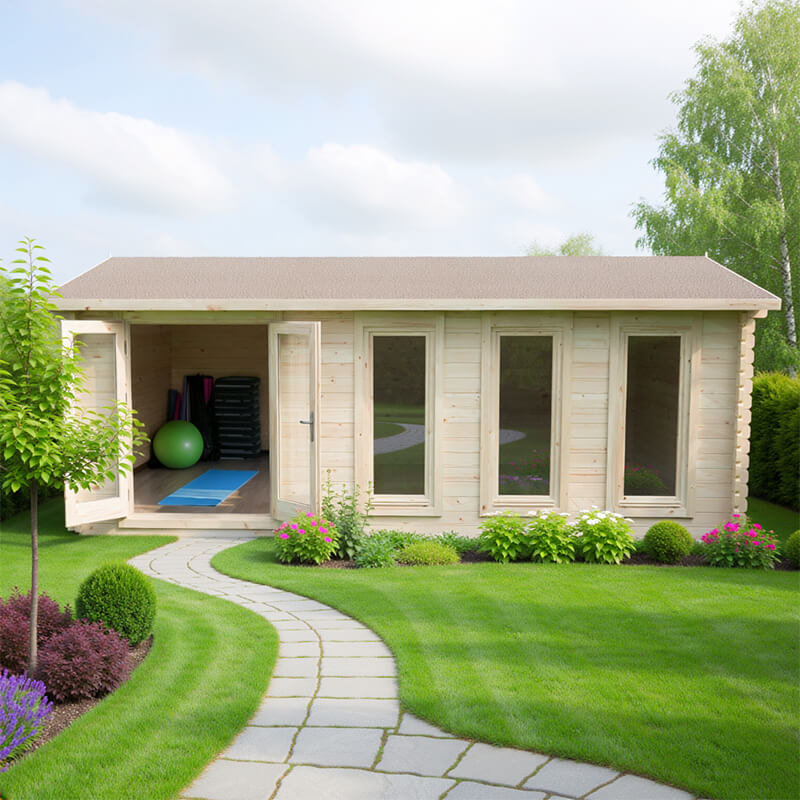
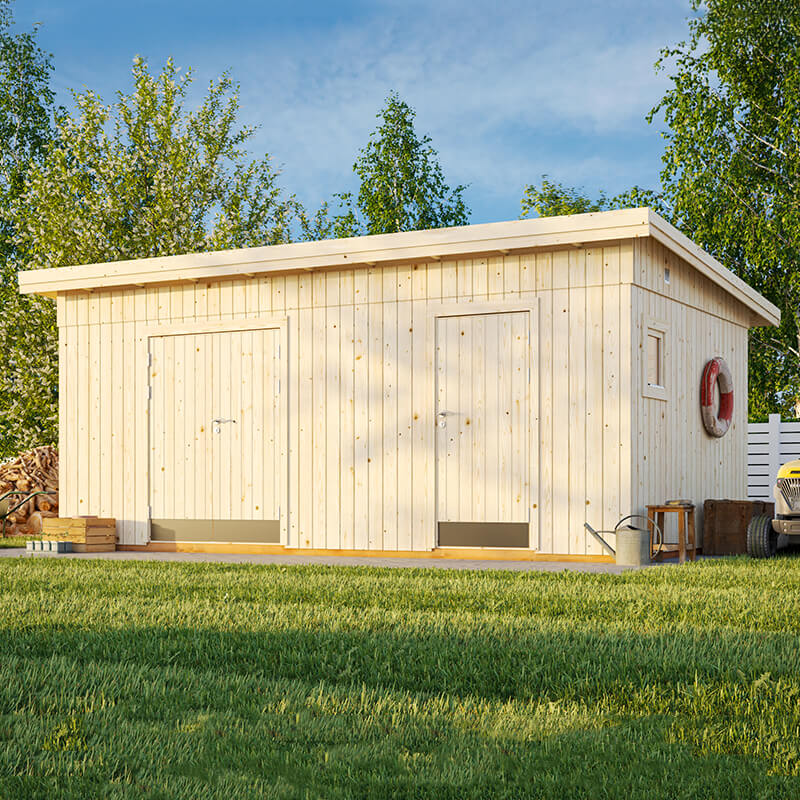

In practice, this means looking at more than the outside timber profile. Wall thickness matters, yes, but so does the internal structure. A cabin with a thicker wall may feel more substantial, yet a well-designed insulated wall panel can sometimes offer a more controlled thermal result. It depends on how the cabin is put together, not just how chunky it looks from the outside. That’s one reason why two cabins that seem similar at first glance can perform quite differently once they are in the garden.
Cabin styles that change the feel of the whole space
There are a few common insulated log cabin forms, and each one gives a different feel and use pattern. The most familiar is the apex roof cabin, with its pitched roof and traditional look. It suits many gardens because the shape feels balanced and practical, and the centre height often gives a roomier impression inside.
Pent roof cabins are another popular type. Their single-slope roof gives a cleaner, more modern line and can work well where you want the cabin to sit neatly against a boundary or align with a contemporary garden layout. The lower front edge can make the building feel less dominant, though inside it may feel a bit more directional depending on the layout.
Then there are corner cabins, which are useful where space needs to be used cleverly. These can sit into an angled section of the garden and create a more tucked-away room. The insulation still matters, but with a corner form you also gain a different relationship to the garden because the shape naturally frames the view in a softer way.
Some cabins are built more as rectangular garden rooms, while others lean into a more traditional log cabin profile with visible interlocking logs and a classic timber face. The shape influences not only the look, but also how the cabin deals with furniture placement, light flow and how enclosed it feels from outside.
Roof shapes, ceiling feel and where comfort really starts
The roof is a bigger deal than many people expect. A cabin with an insulated roof helps stop heat escaping upwards, which is important because warm air naturally rises. If the roof build is weak, the cabin can still feel chilly even with good walls. That is why roof design should be checked alongside the walls, not after them.
Apex roofs can create a sense of height, which helps the room feel open. They may also suit taller doors and larger glazed sections. Pent roofs tend to offer a tidier profile and can feel especially good where the cabin is meant to blend in rather than stand out. The roof form can also influence drainage and the overall silhouette, so it is not only a question of style. It affects how the building sits in the garden and how the interior feels on a day-to-day basis.
Glazing choices that change warmth, light and privacy
Windows and doors can make a big difference in an insulated cabin, sometimes more than people realise. More glass usually means more natural light, which is useful if the cabin is meant to feel bright and inviting. But large glazed areas also need to be balanced properly, because they can let heat out quicker than solid wall sections if the specification is not right.
Many buyers look for double glazed doors and windows because they support the insulated structure and help the cabin feel more stable in colder weather. The design choice here is not just about warmth, though. It is also about how much you want to see out into the garden, how private the room should feel and where the sun will fall during the day. Full-length glazed doors can make a cabin feel more open, while smaller windows may suit a more enclosed reading room or studio space.
One room, many uses: from quiet work spot to relaxed retreat
The best thing about an insulated garden cabin is how the same structure can suit different kinds of use without needing to change the overall form. A buyer might want a calm home office, but the same cabin could work as a hobby room, hobby shed with a better finish, a small garden lounge or a private corner for music, reading or crafting. The insulation helps because it gives the interior a steadier feel, which matters if you’re spending longer periods inside.
This also affects the way the cabin feels across the seasons. In a basic timber building, the temperature can swing quite sharply. In an insulated version, the interior tends to feel less harsh at the edges. That can make the difference between a space that gets used occasionally and one that becomes part of daily life. It’s a practical gain, but it also changes how the room is experienced emotionally, if that makes sense.
Different levels of insulation, different buying decisions
Not all insulated cabins are the same, and it is worth comparing the build rather than only the exterior size. Some designs place more focus on the wall system, while others balance wall, floor and roof insulation more evenly. A cabin with stronger roof and floor treatment may feel better in colder months, while one with a generous glazed front may give a lighter, more open atmosphere but need more thought around heat loss.
Look at whether the cabin uses a fully insulated panel build or a more traditional log look with added insulation elements. These are not identical solutions. The panel-led approach often suits a cleaner, modern garden room feel, while the log-style option keeps more of the traditional cabin character. Neither is automatically better; it comes down to what you want the building to do and how important the timber cabin appearance is to you.
Practical details buyers tend to notice after the first look
There are a few details that can quietly make a lot of difference. The first is the wall thickness, because it is one of the easiest clues to the cabin’s overall feel. Then there is the door opening, which affects access for furniture and how the room is used day to day. If the cabin is going to hold a desk, sofa, storage or exercise equipment, the opening and internal proportions matter a lot more than they might on paper.
Another detail is how the cabin sits visually in the garden. An insulated cabin with a wide front glaze can make the plot feel more connected and bright, while a more enclosed design can give extra privacy and a stronger sense of being tucked away. Some buyers prefer a cabin that looks more like a timber outbuilding from a distance, others want something that reads as a proper garden room. The insulation spec often sits behind that choice, but it supports the whole effect.
Timber character without losing the comfort side
One of the nice things about insulated log cabins is that you do not have to give up the timber feel to gain better comfort. The timber surface still brings texture, warmth and a more natural look than a plain composite structure. At the same time, the insulated build makes the cabin feel more settled inside, which is what people often hope for when they move from a simple shed-like building to something they actually want to use regularly.
It is also worth noting that the term “log cabin” can cover a few different approaches. Some are strongly traditional, with visible interlocking log walls and a classic cabin profile. Others use log-cabin styling but include more modern structural layers. That difference matters because the outside appearance can be very similar while the internal performance is not. A quick look at pictures will not always tell the full story, so the build description is the key bit.
How to compare cabins without getting lost in the wording
If you are comparing options, it helps to keep a short mental checklist. Ask yourself whether the cabin is mainly about appearance, year-round comfort or a mix of both. Then look at the following:
- Wall construction — solid log, insulated panel or layered build
- Roof type — apex or pent, and how that affects interior height
- Glazing level — more light or more privacy, depending on use
- Door style — single door, double door or wider opening for access
- Overall footprint — not just floor area, but how useable the layout feels
- Insulation balance — walls only is not the same as walls, roof and floor together
Buying with the room already in mind
The smartest choice is usually the one that matches the way you really plan to use the cabin. If you want a bright room for daytime use, a glazed front and an open layout may suit you best. If you want something quieter and more enclosed, you may lean towards a more solid-sided cabin with smaller windows. If the cabin needs to feel comfortable for longer periods, then the insulation spec becomes more important than the decorative details, even if the decorative side is what first catches your eye.
Insulated log cabins work well because they sit between traditional timber charm and more usable indoor comfort. They can look rustic, smart or gently contemporary depending on the shape, roof line and glazing. They also give you a more thoughtful garden building, one that feels made for real use rather than just occasional storage. That mix is often what makes people pause and say, yes, this is the one.
The difference you feel once the door closes
In the end, the real value of an insulated cabin is noticed inside the room, not just on the outside. The door closes, the space feels less exposed, and the building starts to work as a proper part of the garden rather than an afterthought. That sense of calm, warmth and structure is what tends to persuade buyers who want more than a simple timber box. And if the cabin looks right too, all the better.
For anyone comparing garden buildings, insulated log cabins offer a clear middle ground: timber character, usable comfort and enough variety in shape and finish to suit different plots. The trick is to match the build to the use, rather than choosing only on looks. That way, the cabin does what it should do, and it keeps doing it without feeling like a compromise.
[Sassy_Social_Share]