
Greenhouses under £900 - Best Deals in UK!
Showing all 7 results
-
41% OFF: 10′ x 12′ Palram Canopia Balance Silver Greenhouse (3.04m x 3.66m) £829.9941%

-
40% OFF: 8â x 8â Palram Canopia Rion Hobby Gardener Green Greenhouse (2.4m x 2.4m) £834.9940%

-
40% OFF: 6’x8′ Palram Canopia Glory Grey Walk In Polycarbonate Greenhouse (1.8×2.4m) £889.9940%

-
11% OFF: 6’x10′ Halls Green Frame Polycarbonate Greenhouse (1.92×3.19m) £809.9911%

-
8% OFF: 8’x8′ Palram Canopia Bella Walk In Silver Aluminium Framed Greenhouse (2.4×2.4m) £812.998%

-
5% OFF: 8’x8′ Palram Canopia Bella Walk In Silver Aluminium Framed Greenhouse (2.4×2.4m) £833.995%
-
8’x8′ Palram Canopia Bella Walk In Silver Aluminium Framed Greenhouse (2.4×2.4m) £879.99
Greenhouses under £900 for compact gardens, patios and allotments: compare aluminium, polycarbonate and glass designs, plus lean-tos, mini frames and walk-in styles.
Why this price band makes sense
Choosing a greenhouse under £900 is often about getting the right balance between size, structure and material, without paying for features you may not need. In this bracket, you’ll usually find sensible options for small to medium gardens, with enough room for seedlings, pots, salad crops and a few taller plants, depending on the footprint. It is a good place to look if you want a proper growing space, but not a full-scale build that eats the whole garden.
What makes this range interesting is the variety. Some designs keep things neat and narrow, others give you a proper walk-in space. Some are made to sit against a wall, while others stand alone and use the light from all sides. So, rather than just looking at price, it helps to think about shape, glazing, headroom and how the greenhouse will actually fit into your plot.
The main forms you’ll see on the page
Greenhouses in this category usually come in a few familiar forms, and each one has its own strengths. The shape matters more than people sometimes think, because it changes how much usable space you get, how much light enters, and where you can place shelves or staging.
Bestseller der Kategorie Greenhouses under £900
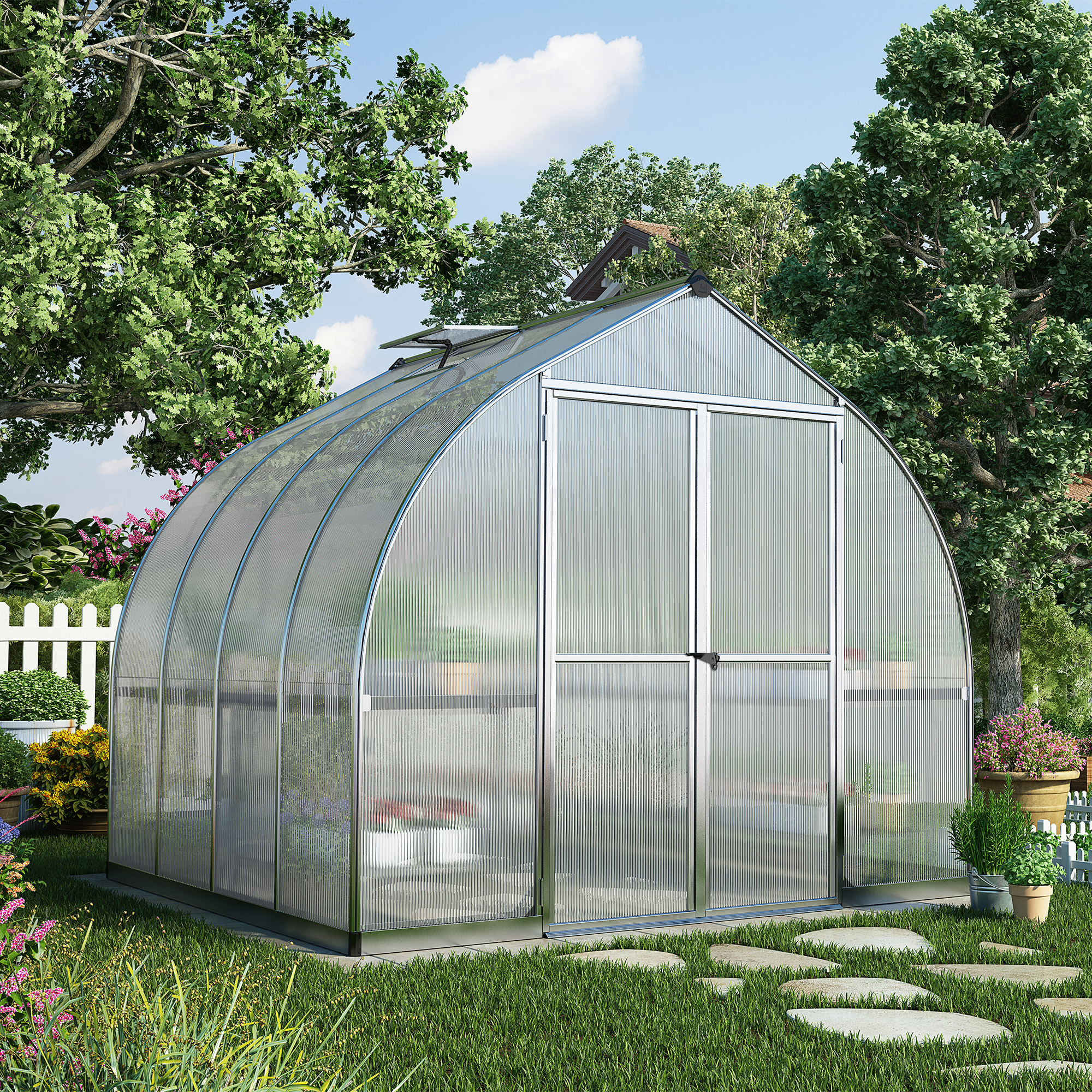
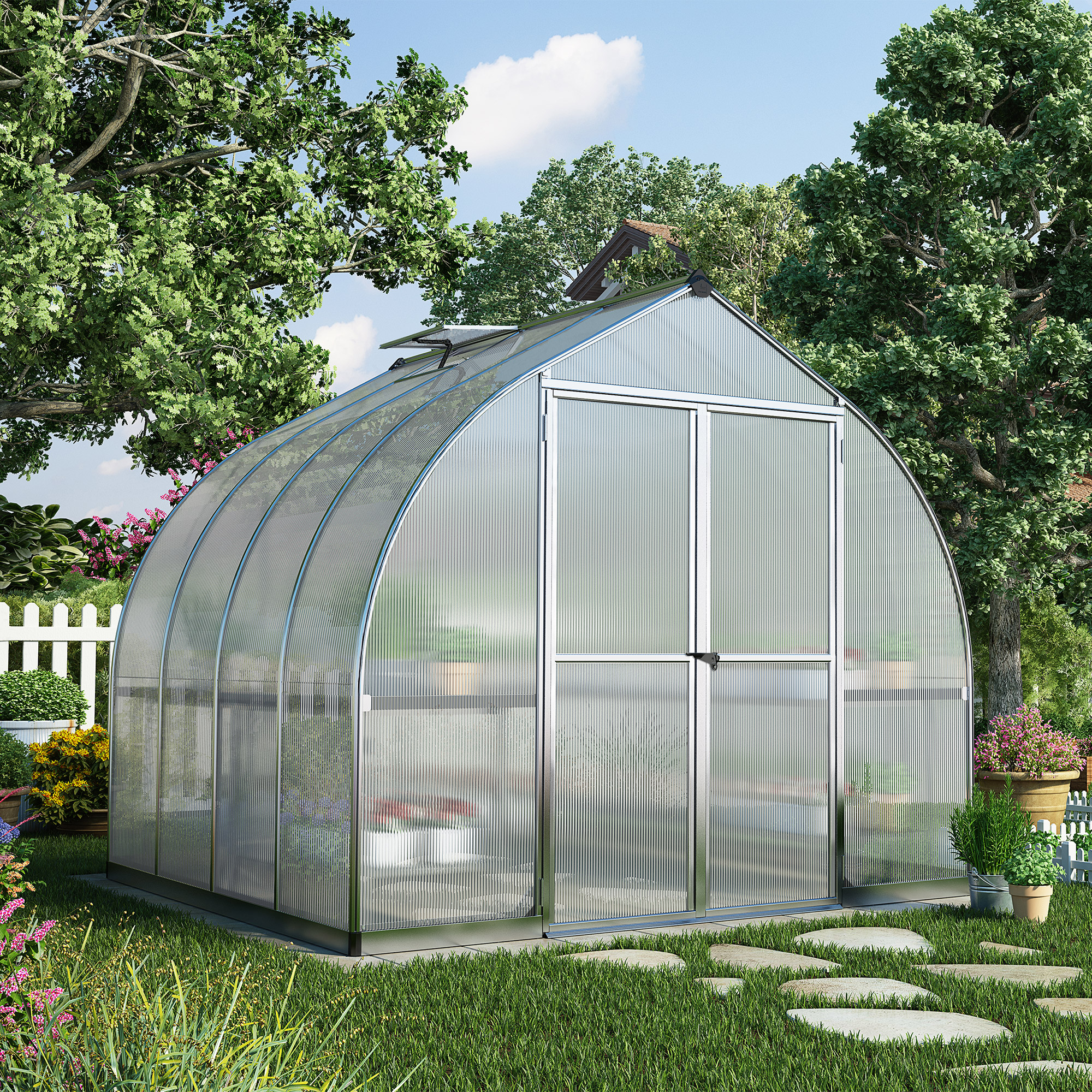
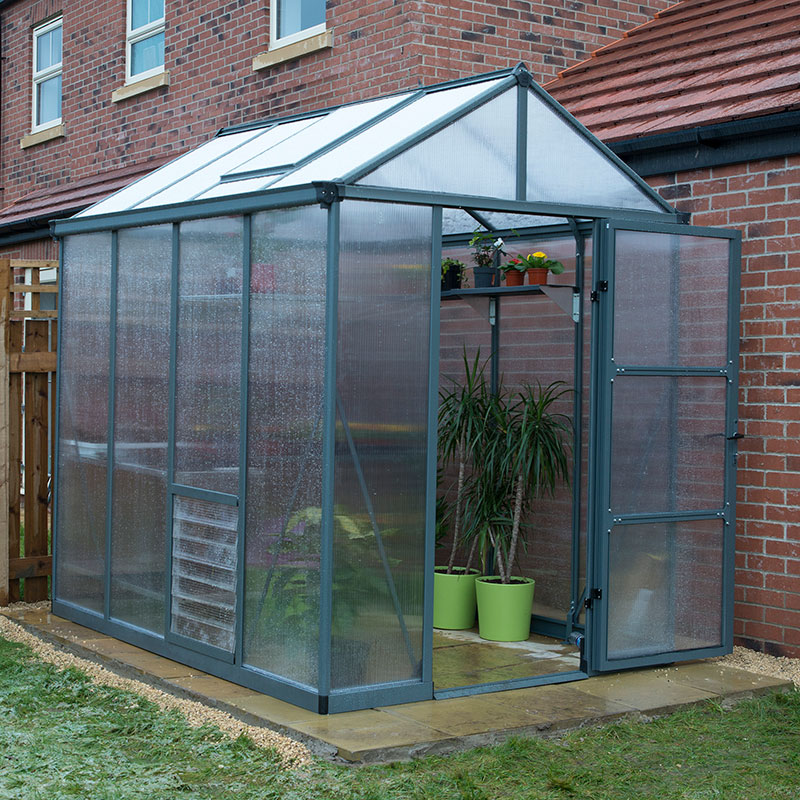
- Lean-to greenhouses – fixed to a wall or fence line, these are handy for narrow gardens, yards or spaces where a freestanding model would feel bulky.
- Freestanding greenhouse kits – a classic option with access on all sides, giving more flexibility for layout and crop rotation.
- Mini greenhouses – ideal when space is tight or you just need a sheltered spot for seedlings, herbs or young plants.
- Walk-in greenhouses – taller and easier to move around in, often chosen for mixed planting and longer sessions inside.
- Spare-room style narrow houses – slimmer footprints with a longer run, useful when the garden allows length but not width.
If you are comparing these shapes, think first about the bit of garden you already have. A lean-to can feel very tidy and efficient, while a freestanding model gives more freedom if you want to place beds, shelves or staging around the edges. Mini models can be surprisingly useful, but they are more about focused growing than general purpose use.
Frame materials: what changes in real use
One of the biggest decisions in this price range is the frame. It affects the look, the feel and the amount of practical space you get inside. Many buyers start by comparing frame materials before anything else, and that makes sense because the frame sets the tone for the whole structure.
Aluminium frames are common in this budget because they are light, neat and suit modern gardens. They often have a clean finish and can look quite discreet. For people who want something that sits in the garden without feeling too heavy visually, aluminium can be a good match.
Steel frames are less common in some greenhouse categories, but when used they tend to feel more rigid and substantial. The trade-off is that the structure can be heavier to move or install. If you are comparing options, the exact frame construction matters as much as the material name on its own.
There are also greenhouses with timber-look detailing or mixed materials, though in the under-£900 range these are often more about style than full bespoke construction. The main thing is to check how the frame supports the panels and whether the internal layout feels practical, not cramped.
Glazing choices that change the whole feel
Glazing is where many greenhouses start to feel very different from one another. In a price range under £900, you will often see glass and polycarbonate options, and the difference is not just about appearance. It changes light, privacy, weight and how the greenhouse feels from inside.
- Horticultural glass – gives a classic greenhouse appearance and clear light transmission, often preferred when the traditional look matters.
- Toughened safety glass – usually chosen for a stronger feel and a more reassuring finish, especially where a sturdier specification is wanted.
- Polycarbonate panels – lighter than glass and often used where practical handling and a more forgiving material are important.
- Twin-wall polycarbonate – a common choice when a bit more insulation-style performance is wanted, with a softer light effect inside.
The difference between glass and polycarbonate is worth thinking about carefully. Glass tends to look sharper and can give a very open, bright feel. Polycarbonate is often favoured when you want lighter panels and a less brittle material choice. Some gardeners prefer the crisp visibility of glass for display and cropping; others like the quieter, more diffused feel of polycarbonate, especially in gardens where direct sun can be a bit intense.
Size and footprint: small does not always mean cramped
Greenhouses under £900 are often selected because they fit into smaller gardens, but a compact footprint does not automatically mean limited usefulness. What matters is the internal layout. A well-planned narrow greenhouse can still hold staging, hanging space and rows of trays, while a wider model may give you better access if you move around inside a lot.
When looking at dimensions, it helps to think in three parts: length, width and ridge height. Length affects how many trays or pots you can line up. Width changes how easy it is to work on both sides. Ridge height matters when you want taller crops or simply prefer not to feel hunched over. A greenhouse with decent headroom often feels more usable than a shorter one with the same floor area.
If your garden is awkwardly shaped, a slender greenhouse can slot against a boundary or shed wall without taking over the whole plot. If you want a more balanced growing space, a square or near-square form may be easier to organise. The best choice is often the one that suits the garden you already have, rather than the one that looks biggest on paper.
Shapes that do different jobs
Greenhouse shape affects how you move, what you can grow and how the space feels day to day. In this category, the most common differences usually come down to roof style and wall layout. These may seem small, but they can make the greenhouse feel very different in use.
- Peaked roof greenhouse – gives more central headroom and a familiar look, often helpful for taller plants.
- Gable-ended design – creates a classic silhouette and can feel roomy inside.
- Lean-to profile – uses an existing wall for support and suits tighter spaces.
- Low-line or compact profile – useful for seed starting, protection and smaller crops, though less generous for moving around.
The roof shape also changes light and rain run-off. A peaked design can feel more open overhead, while a lower form is often better when you want the greenhouse to sit quietly in the garden. If you’re choosing between shapes, imagine yourself standing inside with trays in your hands, not just looking at photos. That tends to make the right choice obvious pretty quickly.
What buyers usually want from this budget
People shopping for greenhouses under £900 often want a few things at once: a proper growing environment, a sensible size, and a structure that does not need a huge amount of space. In this bracket, buyers often look for enough room for early sowings, tomatoes, peppers, herbs, cut flowers or overwintering tender plants, depending on the set-up.
Another common reason for choosing this range is value without overcommitting. If you are not ready for a more expensive bespoke build, this price band lets you buy a greenhouse with a clear purpose. It can be the first step into more organised growing, or simply a better replacement for a smaller cold frame or makeshift cover.
There is also the visual side. A well-proportioned greenhouse can give the garden a more finished look. Some models are plain and practical; others feel more decorative. Neither is wrong. It just depends whether you want the greenhouse to blend in or stand out a bit. A neat frame and clean panel lines can make a garden feel more ordered, even before you put plants inside.
Practical differences that matter before you buy
When comparing greenhouses in this price band, a few details can make a noticeable difference to daily use. These are the things that often get overlooked when people focus only on overall size.
- Door width – important if you plan to move trays, compost bags or larger pots in and out.
- Access style – single door, sliding door or split opening can change how easy it is to work inside.
- Panel style – full sheets, smaller panes or sectional panels each give a different feel.
- Internal height – essential for hanging baskets, tall crops or simply a more comfortable working position.
- Layout flexibility – whether shelves can be added without making the space too tight.
It is worth checking these details rather than assuming all greenhouses of similar size will work the same way. Two models with the same footprint can feel very different inside, just because one has better headroom or a wider entrance. That kind of difference is easy to miss at first glance, but it can matter quite a lot once the greenhouse is in place.
Benefits of choosing a greenhouse under £900
This price point offers a useful middle ground. You are not looking at the simplest garden cover, but you are also not forced into a high-cost build. That makes it easier to focus on the features that actually suit your growing habits.
Better organisation is one clear benefit. A greenhouse gives structure to your planting, which can make sowing and staging feel more orderly. More protected space is another, especially if you want to keep delicate plants out of the worst of the weather. And for many gardeners, a greenhouse also extends the use of the garden into the quieter parts of the year, giving you a place to keep working when outdoor beds are less cooperative.
In a practical sense, this category often gives you enough choice to match the greenhouse to the way you garden. Want something slim and tucked away? There are options. Prefer a more open, walk-in feel? That is there too. Looking for a traditional glass look without moving into a larger budget? Also possible. The range is broad enough to be useful, but still focused enough to compare without too much noise.
How to match the greenhouse to your space
One of the easiest ways to narrow the choice is to match the greenhouse to the garden rather than the other way round. If the only clear space you have is along a wall, a lean-to greenhouse may be the neatest fit. If you have a central patch of lawn or border space, a freestanding model may make more sense. If you only need to protect small numbers of plants, a mini greenhouse could be enough, and may leave the rest of the garden open.
Also think about where you want the greenhouse to sit in relation to paths, gates and other structures. A greenhouse that technically fits can still be awkward if the door opens into a tight corner or if access is awkward with a wheelbarrow or trays. It sounds obvious, but people do sometimes measure the space and still forget the route to get there.
Useful buying tips without overcomplicating it
There is no need to turn greenhouse shopping into a big drama. A few clear checks can help you pick something that feels right and avoids disappointment later.
- Measure the full area, not just the footprint on the listing.
- Check the working space inside, especially if shelving or staging will be added.
- Compare glazing types based on how you want the greenhouse to look and feel.
- Look at the door opening if you expect to carry larger items through it.
- Match the shape to the garden, rather than choosing a bigger model just because it sounds better.
If you are comparing two similar greenhouses, the smaller details can be the deciding factor. For example, a slightly taller frame may be more comfortable than a broader one with lower headroom. Or a lean-to may suit a narrow plot better than a freestanding unit with the same floor area. Tiny diffrences like that can have a bigger effect than the headline dimensions suggest.
What these greenhouses tend to suit best
Greenhouses under £900 often suit gardeners who want a proper growing space without jumping into a higher-end project. They are a natural fit for new greenhouse buyers, but they also work for experienced gardeners who want a second structure for propagation, overwintering or overflow planting. A smaller greenhouse can be used very efficiently if the layout is sensible and the material choice matches your priorities.
These models are also worth considering if you want to create a more organised potting zone, separate from the rest of the garden. Even a compact greenhouse can make a noticeable difference to how tidy and workable your planting area feels. That can be just as valuable as raw size, because a space that is easy to use is one you’re more likely to use regularly.
A final look at the choice in front of you
When browsing this category, the main question is not just “which greenhouse fits the budget?” It is more like “which greenhouse fits my garden, my planting habits and the way I want the space to feel?” A classic glass greenhouse gives a traditional look. A polycarbonate greenhouse can feel lighter and more practical. A lean-to saves room. A walk-in design gives more freedom inside. A mini greenhouse keeps things compact and focused.
If you keep those differences in mind, the choice becomes much easier. You end up with a greenhouse that does the job you need, sits well in the garden and feels like a proper part of the space rather than an afterthought. And that is usually what makes the purchase feel right once it is in place.
[Sassy_Social_Share]