
Greenhouses under £800 - Best Deals in UK!
Showing all 11 results
-
26% OFF: 4′ x 8′ Forest Wallscape Lean To Greenhouse with Glazed Back (1.28m x 2.52m) £729.9926%

-
12% OFF: 6’x8′ Halls Aluminium Frame Polycarbonate Greenhouse (1.92×2.56m) £713.9912%

-
12% OFF: 6’x10′ Halls Aluminium Frame Polycarbonate Greenhouse (1.92×3.19m) £760.9912%

-
12% OFF: 6’x8′ Halls Green Frame Polycarbonate Greenhouse (1.92×2.56m) £760.9912%

-
12% OFF: 6’x6′ Halls Green Frame Polycarbonate Greenhouse (1.92×1.94m) £713.9912%

-
12% OFF: 6’x8′ Halls Green Frame Large Paned Toughened Glass Greenhouse (1.92×2.56m) £713.9912%

-
12% OFF: 6’x10′ Halls Green Frame Large Paned Toughened Glass Greenhouse (3.19×1.92m) £760.9912%

-
5% OFF: 6′ x 14′ Palram Canopia Hybrid Large Green Polycarbonate Greenhouse (1.85m x 4.26m) £707.995%

-
8′ x 8′ Palram Canopia Balance Green Greenhouse (2.47m x 2.44m) £766.995%

-
6′ x 14′ Palram Canopia Hybrid Large Green Polycarbonate Greenhouse (1.85m x 4.26m) £744.99
-
6â x 14â Palram Canopia Harmony Large Green Polycarbonate Greenhouse (1.85m x 4.26m) £749.99

Greenhouses under £800 for keen gardeners who want extra growing space without stretching the budget: compare aluminium and timber frames, lean-to or freestanding designs, and small-to-medium sizes suited to seedlings, tomatoes, herbs and overwintering plants.
More growing room, less spending
A greenhouse under £800 can give you a proper step up from a cold frame or a basic cloche, without moving into the higher price bands that often come with larger spans, thicker glazing, or extra-fit accessories. This price range is where many buyers start looking for a greenhouse that feels like a real garden structure rather than a temporary cover. The choices are varied enough to suit a narrow side return, a modest patio, or the end of a growing bed, which makes the category useful for gardeners who want a practical space rather than a big showpiece.
The main appeal is the balance between cost, footprint, and usable height. You can often find designs that are compact enough for smaller gardens, yet still tall enough for staging, hanging baskets, or tomatoes grown on canes. For many households, that means more control over sowing times and crop choice, with a structure that looks tidy in the garden and makes better use of the seasons.
Frame choices that change the feel
In this price bracket, the frame material makes a noticeable difference to the look, weight, and feel of the greenhouse. The most common option is aluminium framing, chosen for its lighter build and clean appearance. It tends to suit modern gardens and is often paired with glazing that keeps the overall structure relatively manageable. Aluminium is also a common pick where assembly needs to stay straightforward, especially if the greenhouse will be installed on a paved base or a prepared platform.
Bestseller der Kategorie Greenhouses under £800
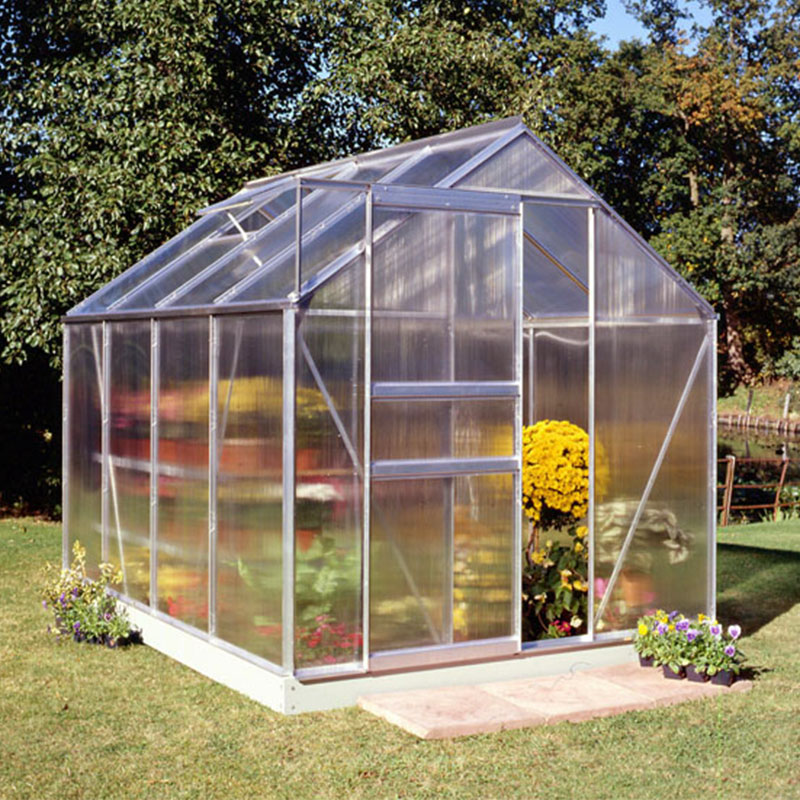
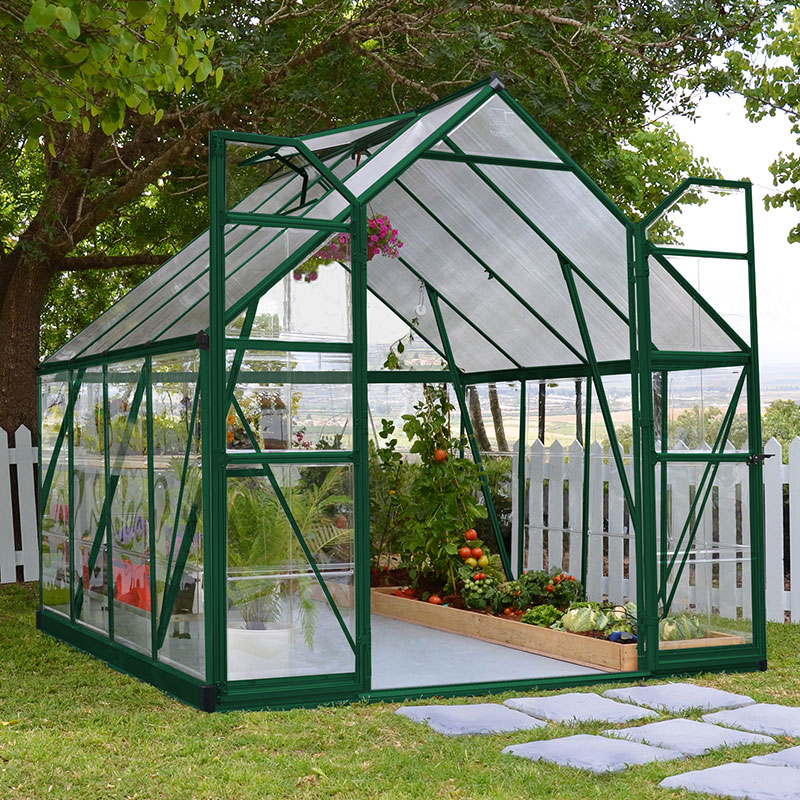
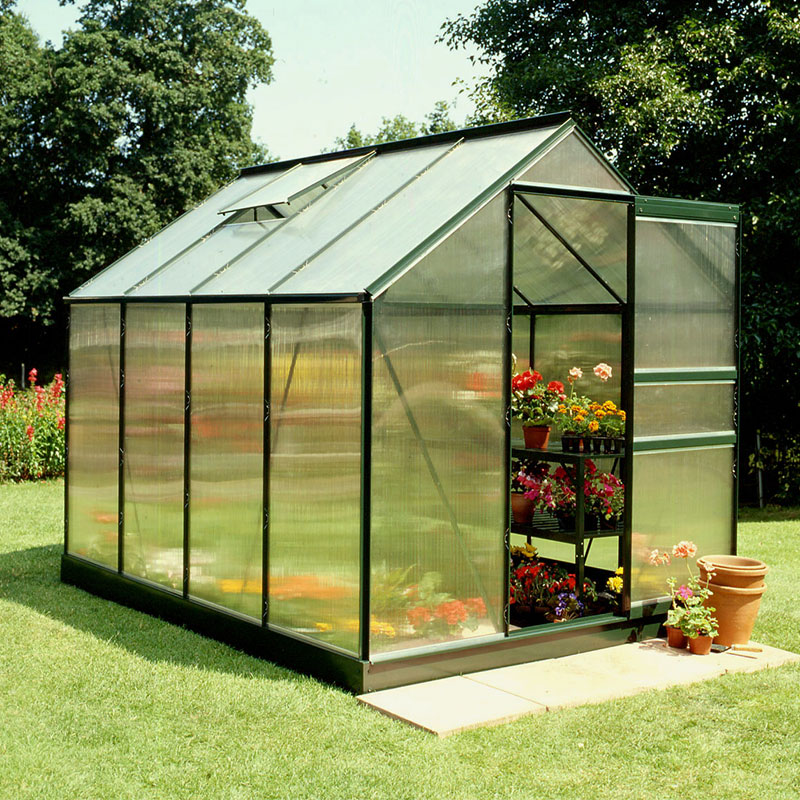
Timber greenhouses bring a more traditional look. They can sit more softly in older gardens, cottage-style plots, or spaces where a wooden structure blends better with fencing and planting. Timber can feel warmer and less industrial than metal, though the appearance does ask for more visual commitment from the buyer. In the under-£800 category, timber options are often smaller, but they can still offer a pleasing balance of form and function.
Some greenhouses use mixed construction, where the framing style supports a particular glazing choice or roof shape. The point for buyers is not simply what the frame is made of, but how it affects the greenhouse’s overall proportions. A slimmer frame can make a compact structure feel less crowded inside, while a chunkier frame may give a sturdier impression but slightly reduce the growing area. It is a small difference on paper, but it matters when you are trying to fit in staging, pots, and a work tray.
Shapes that suit different gardens
The shape of a greenhouse has a bigger effect than many people expect. A lean-to greenhouse is a strong choice where space is tight, because it uses an existing wall or boundary line and keeps the footprint neat. It can work well on a patio or beside a house wall, and it often feels less imposing than a standalone structure. For gardeners with only one clear edge to build along, this format can be a very sensible fit.
A freestanding greenhouse gives more placement freedom. It can sit at the back of a garden, across an open lawn edge, or in a position where light reaches it from more than one side. That extra flexibility can be useful if you want access from both ends or prefer a layout that does not depend on a wall. Freestanding structures also tend to feel more open inside, which matters when moving trays and pots around.
Among freestanding designs, you may see apex roofs, eaves or barn-style profiles, and even-span forms. An apex roof creates a familiar peaked outline and can offer a good balance of headroom and drainage. A barn-style or raised-eaves shape can feel more spacious for taller crops and hanging items, while an even-span design gives a more uniform roof line that may suit a tidy, contemporary garden. Each form changes how the greenhouse looks from outside and how comfortable it feels when you are inside it.
Glazing options and what they mean in use
When you compare greenhouses under £800, the glazing is one of the clearest points of difference. Toughened glass is common where a more polished finish is wanted. It gives a clear view into the structure and a classic greenhouse look, which is especially appealing if the greenhouse will be seen from the house or patio. Glass also helps create that traditional growing atmosphere many gardeners like.
Polycarbonate glazing is another common route. It is often chosen for its lighter weight and practical feel, particularly for smaller or more budget-conscious builds. In day-to-day use, polycarbonate can be a sensible fit where the greenhouse needs to be easier to handle during assembly or where reduced weight is an advantage. It also tends to suit gardeners who would rather prioritise usability over the sharper, more reflective look of glass.
The choice between glass and polycarbonate is not just about appearance. It also changes how the greenhouse feels in terms of brightness, weight, and the visual style of the whole garden. Glass tends to give a more open and clear look, while polycarbonate often feels a little softer and more understated. For some buyers, that difference is enough to steer the decision one way or the other.
Small, medium, narrow: sizes that really matter
Budget greenhouses are not all tiny, but they are often sized with realism in mind. A compact greenhouse can work very well if your aim is to start seeds, grow compact crops, or extend the season for a limited number of plants. It can also be easier to position where access is awkward or where the garden has a narrow layout.
Narrow greenhouses are useful in side passages or along fence lines where width is limited. They can still feel productive if the internal space is arranged well, especially with shelving or staging on one side and a clear walkway on the other. On the other hand, a small-medium greenhouse may be a better fit if you want to pot on young plants, keep a few taller crops, and still have room to move around without constant shuffling.
The internal arrangement matters almost as much as the outer dimensions. A greenhouse with sensible height may give you more useful growing layers than a slightly larger but lower structure. That is why buyers often compare door height, ridge height, and side wall space rather than only looking at footprint. It is not fancy talk, just practical shopping.
Features that make a budget greenhouse feel more usable
Even under £800, there are features that can make a greenhouse feel easier to use and better suited to real gardening tasks. Single or double doors are a good example. A wider opening makes it simpler to move trays, compost bags, and taller plants in and out. In a tighter greenhouse, a well-sized door can be just as valuable as an extra metre of length.
Roof vents and side vents are also worth noticing in listings, not because they are glamorous, but because they affect how the interior is arranged and how airy the structure feels. Some greenhouses are built with a more traditional opening layout, while others keep the profile simpler. The type and position of ventilation can influence where you place taller crops or shelving, since vents need space to open without being blocked.
Staging space is another thing to think about. If the design has enough side wall height, you can often make better use of shelves, seed trays, and propagation space. A greenhouse with slightly more internal height may feel more versatile even if the outside size looks modest. That can be a better use of budget than adding width you may not actually need.
Why buyers choose this price range
People shopping for greenhouses under £800 are often looking for a sensible middle ground. They want something more permanent than a pop-up cover, but they do not need the size or cost of a large, heavy-duty build. This makes the category useful for first-time greenhouse buyers as well as experienced gardeners who are adding a second structure for propagation, overwintering, or overflow plants.
The value also lies in choice. At this price, there is often enough variety to compare traditional glass looks against lighter modern builds, or to choose between a wall-hugging lean-to and a standalone structure. That flexibility matters because gardens are not all laid out the same. Some have long boundaries, some have odd corners, and some only offer a small patch of paving. The budget range still leaves room to match the greenhouse to the site rather than forcing the site to fit the greenhouse.
Another reason buyers keep an eye on this category is that it can support a proper growing routine without demanding an oversized investment. You can use the space for early sowing, hardening off, keeping tender plants out of the wind, or extending the life of summer crops. It becomes part of the garden’s working rhythm rather than an extra decoration.
Picking the right style for the job
If your main aim is starting seedlings and cuttings, a smaller greenhouse with good light and organised internal space may be enough. If you want to grow tomatoes, peppers, cucumbers, or tall pot plants, then height and door access become more important. If the greenhouse is meant for a mix of jobs, look for a shape that leaves room for both staging and tall pots. It sounds obvious, but many people buy for footprint alone and later discover that the usable space feels tighter than expected.
For a more decorative garden, a greenhouse with classic glass panels and a traditional apex shape may fit best. For a more compact, practical layout, a lean-to or smaller freestanding design may feel easier to place and live with. If the garden already has strong lines, like brickwork or fencing, a simpler frame can blend in nicely. If you want the greenhouse to read as a feature, a clearer roofline and elegant proportions may matter more.
There are differences that sound minor at first but turn into real-world advantages. A wider door can save time. A slightly taller ridge can prevent awkward stooping. A lean-to can leave more open garden space. A freestanding build may give better access all round. These are the details that usually decide whether a greenhouse feels convenient or a bit fiddly.
Useful buying checks before you decide
It helps to compare a few practical points before choosing:
- Footprint — make sure the size works with paths, beds, fences, and access space.
- Headroom — check whether the interior height suits taller crops and standing room.
- Door width — useful for trays, potting mix, and larger plants.
- Glazing type — glass and polycarbonate give a different look and feel.
- Shape — lean-to, apex, or freestanding each changes how the greenhouse fits the plot.
- Internal layout — shelves, staging, and open floor space all affect how usable the greenhouse feels.
A sensible garden upgrade that earns its place
A greenhouse under £800 can be a very practical buy when the shape, size, and glazing line up with how you garden. It does not need to be elaborate to be useful. In fact, many buyers find that a modest structure with the right proportions ends up getting used more than a larger one that feels awkward to place or overfitted for the garden.
The strongest choices in this category usually combine clear access, usable height, and a style that suits the space around it. That may mean a narrow lean-to for a tight side area, a neat aluminium frame for a modern plot, or a more traditional timber look for a garden with softer lines. Each one solves a different problem, which is exactly why this category has such broad appeal.
For gardeners who want more control over sowing, potting on, and protecting tender plants, a carefully chosen budget greenhouse can feel like a proper step forward. The right one will not just sit in the garden; it will fit into the way you already grow, and make that work a bit easier. That is often the difference between a greenhouse that looks nice and one that gets used all the time.
[Sassy_Social_Share]